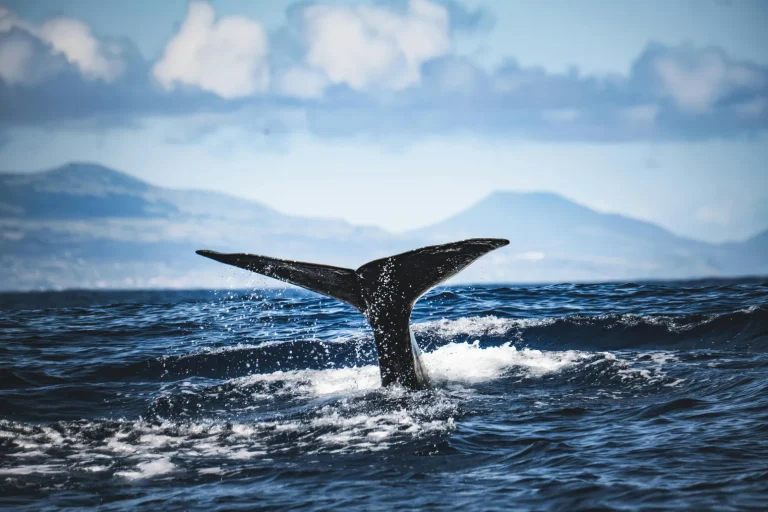
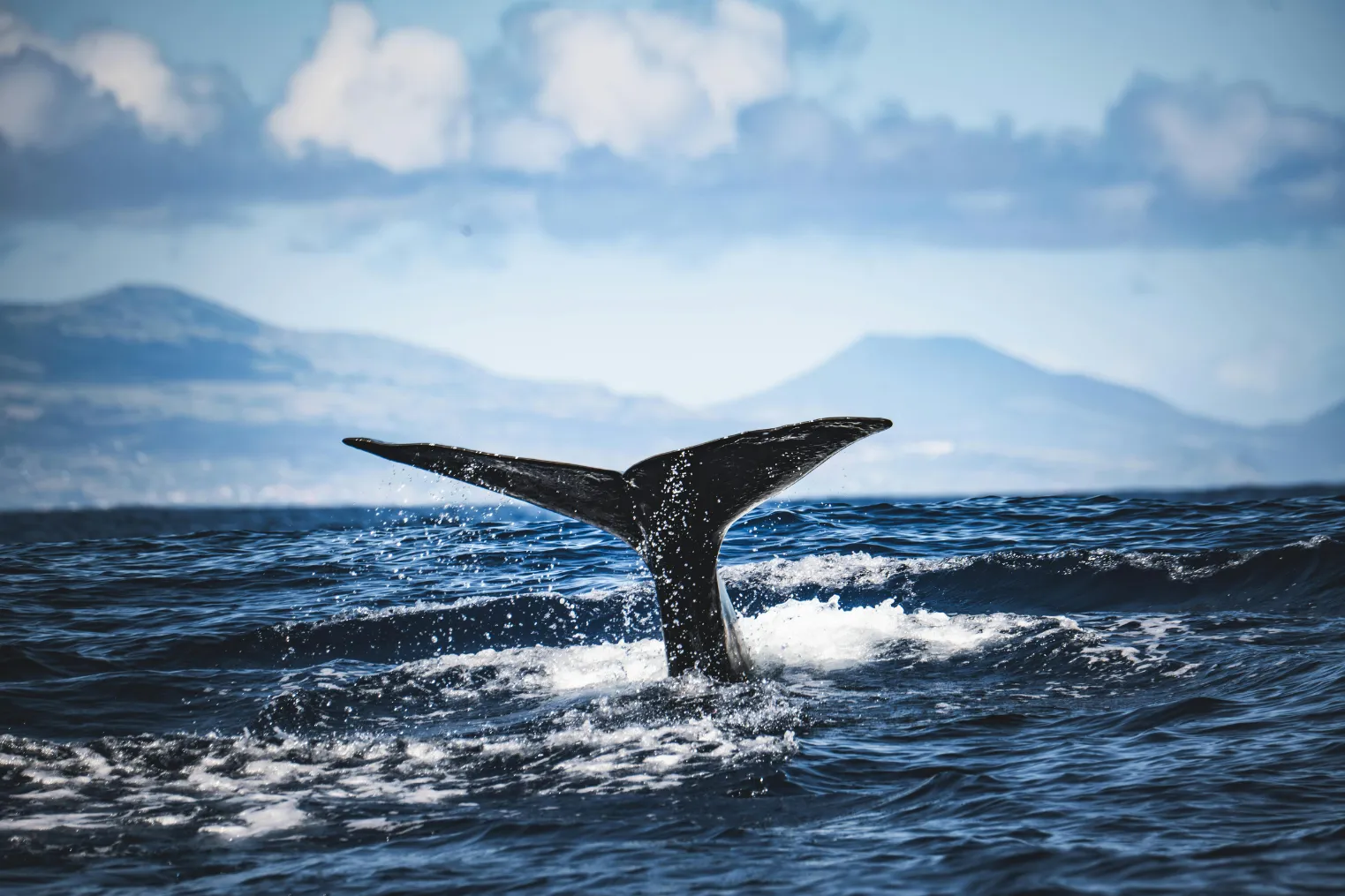
Each winter, thousands of North Pacific humpbacks reach Hawaii, and many mothers choose its calm leeward coast to raise newborn calves. You’ll spot these pairs by two close blows, one tall and one puff-sized, then the calf popping up again like it missed the cue. Off Kohala and Kona, the water often looks glassy, the breaths sound sharp, and the action can turn playful fast. The next clues are even better.
Key Takeaways
- Look for two close blows: the mother’s spout is taller, while the calf’s is smaller, puffier, and surfaces more often.
- Mother–calf pairs are easiest to spot January through March, especially on calm morning trips along Kona and Kohala’s leeward coasts.
- Calves make short, shallow dives, rest near the surface, and often draft beside or behind their mothers to save energy.
- Watch for playful training behaviors like small breaches, rolls, fin slaps, and spy-hopping while the mother stays nearby protectively.
- Stay at least 100 yards away, keep noise low, and put engines in neutral if a calf approaches your vessel.
Why Hawaii Attracts Humpback Mothers and Calves
Because Hawaii’s leeward coasts stay warm and relatively calm in winter, humpback mothers use these waters like a giant natural nursery. In Hawaiian waters, sheltered by volcanoes and protected nursery bays, newborn calves save energy and build blubber instead of battling rough seas. Many mothers finish a 3,000-mile migration from Alaska for exactly that. While nursing, they fast and make rich milk that helps calves pack on astonishing weight. You can picture the scene: glassy shallows, soft blows at the surface, and little calf spouts puffing fast like squeaky snorkels. Nearby deep channels and quiet bays give mothers room to bond, block threats, and teach breathing, diving, and tight-turn motor skills before the long trip north gets serious for both of them in spring again. For visitors planning December whale watching, this is often the start of the season when mother-calf pairs may begin appearing in Hawaiian waters.
When Mother-Calf Humpbacks Are Easiest to See
Usually, your best shot at seeing mother-calf humpbacks in Hawaii comes from January through March, when nursery waters hold the most pairs and the calmest mornings can feel almost staged for whale watching. Across Hawaiian nursery waters, Mother–calf pairs show up most reliably in mid-January through late March, especially on morning whale tours. In glassy, protected bays, you’ll often spot paired blows, then short shallow dives as newborn calves stick close to mom. Oahu whale watching tours often head out in the morning, when calmer ocean conditions can make mother-calf pairs easier to spot. The overall season stretches from November to May, with a few early arrivals in October, but winter gives you the steadiest action. Pick a small-group, naturalist-led trip and keep the 100‑yard approach rules in mind. Then you can watch nursing, drafting, gentle surfacing, and even practice breaches without playing bumper boats.
Where Mother-Calf Humpbacks Gather off the Big Island
On the Big Island, your best odds are on the leeward west side, especially along the Kohala and Kona coasts, where mother-calf humpbacks settle into calm, warm nursery waters. You’ll find the biggest concentrations along the leeward Big Island because Mauna Kea and Hualalai block the trade winds and leave protected bays with gentler waves. That shelter helps calves save energy, nurse often, and build blubber without getting tossed around like tiny tourists. The Kohala Kona coasts also offer deep channels close by, so whales can slip into deeper water when they need to. Sound carries well here too, which suits mother–calf communication. During peak season from January through March, shoreline counts can reach hundreds on peak days, making this coast a whale hotspot indeed. Compared with islands often featured in whale watching discussions like Oahu and Maui, the Big Island’s sheltered leeward waters are especially appealing for mothers with young calves.
How to Identify a Mother-Calf Humpback Pair
Often, the first clue that you’ve found a mother-calf humpback pair is simple: two blows rise close together, with the mother’s spout looking taller and stronger while the calf’s appears smaller and puffier.
In Hawaii’s sheltered winter nursery waters, you’ll usually spot the calf surfacing more often and taking short, shallow dives. Stay alert for drafting too: the calf may tuck into the mother’s pressure wave like a tiny commuter. You’ll also notice the mother staying close, often beside or slightly ahead of the calf. Slow travel, longer rests near the surface, and frequent close passes can hint at nursing. That steady closeness, paired blows, and gentle positioning are your best signs of protective behavior during a calm encounter from November through April here. These behaviors are especially common during Hawaii whale tours in the winter season, when humpbacks use the islands’ warmer waters as a nursery.
Still comparing Mother And Calf Humpbacks In Hawaii: What To Watch For?
Ask for tour ideas, hotel suggestions, or a simple trip plan that combines both.
Trip Helper
How Humpback Mothers Protect Their Calves
Once you’ve spotted that close mother-calf pairing, the next thing you’ll notice is how clearly the mother plays defense.
- She puts her body between the calf and boats or other whales.
- She slows down and uses drafting, letting the calf ride her pressure wave.
- She favors warm, shallow bays where calm water supports long nursing bouts.
- She stays alert even while fasting, and you should stay 100 yards away.
In Hawaii, 100 yards away is the recommended minimum distance for whale watching, which helps reduce stress on resting mothers and young calves. You can often see the calf tucked at her flank or belly while she protects the pair with quiet, steady moves. In Hawaii’s nursery waters, that vigilance matters. The scene looks peaceful, but the mother is always managing distance, risk, and energy. Think of her as a calm bouncer with fins when traffic picks up.
How Humpback Calves Surface, Breathe, and Travel
Watching a humpback calf travel is like seeing a beginner pace itself in a very big ocean. A newborn calf will surface often because it has smaller lungs. You’ll notice it breathes in quick, shallow puffs, usually right after the mother rises. During travel, the calf stays floating close to her side or belly, where the water looks smoother and the ride costs less effort.
| What you see | What it means |
|---|---|
| Quick surfacing | Calf needs frequent air |
| Gliding beside mother | Drafting saves energy |
In Hawaii’s calm nursery waters, you may spot a 12 to 16 foot calf practicing short dives, then popping up again like a rookie snorkeler. You may also catch classic whale behaviors like surfacing and traveling as the pair moves together. That easy rhythm supports growth and underwater nursing too. Listen for the soft whoosh each time.
How Humpback Calves Nurse and Rest in Hawaii
Nursing is one of the quietest miracles you can spot in Hawaii’s nursery waters. You may see newborn calves, already 12 to 16 feet long, nurse on rich milk while staying close to the mother in calm resting bays.
In Hawaii’s calm nursery bays, newborn calves stay close and nurse in one of the sea’s quietest miracles.
- Watch for nursing at the surface or just below it.
- Notice the calf breathe more often with small lungs.
- See the mother shield it from boats and other whales.
- Look for drafting as the calf saves energy beside her.
Warm protected water lets pairs rest for long stretches. Calves surface soon after mom, move slowly, roll gently, and take short dives. That steady routine helps them gain about 100 pounds a day before migration. You’ll often hear only soft exhalations and the hush of swells. In the same Hawaiian waters, adult males may also produce whale song, a separate behavior that adds another layer to these nursery grounds.
How Calf Play Helps Young Humpbacks Learn
When you watch a humpback calf pop into small breaches, roll at the surface, and slap its fins, you’re seeing play turn into survival skills. In Hawaii’s warm, calm nursery waters, the calf tests its tail, times its breaths, and builds the strength and balance it’ll need for the long trip ahead. Tail and pectoral slaps can also serve as whale communication, helping calves practice movements that may later be used to signal, warn, or interact with other whales. All the while, its mother stays close and gives it room to learn, so the splashy practice doubles as bonding with a very large, very watchful chaperone.
Play Builds Survival Skills
Leaping, slapping, and spinning through Hawaii’s calm nursery waters, a humpback calf turns play into practice. You’re watching survival lessons unfold soon after calves are born.
- Breaches, tail slaps, and pectoral fins slaps build muscle, balance, and aerial control.
- Playful draft‑riding behind mom saves energy and teaches smart positioning in moving water.
- Short frequent surface breaths and shallow dives train timing for stronger lungs later.
- High‑fat milk powers rapid growth, so all that splashing actually fuels skill.
You may notice the mother hold a steady line while the calf rolls, twists, and darts close by. Under her protective shadow, each slap and surge looks joyful, but it’s serious rehearsal for the long migration ahead each winter through rougher water and bigger seas to come. Some whales also use spyhopping behavior to lift their heads above the waves and observe what’s around them.
Surface Practice And Bonding
Often, the calf’s busiest classroom is the ocean’s surface, where it rolls, pops into small breaches, and smacks the water with tail and pectoral fins like it’s testing every move its growing body can make. In Hawaii’s nursery waters, you’ll see surface practice mixed with short dives because a calf has smaller lungs and needs more breaths. Whale-watching guidelines also help protect these lessons, since boats are generally expected to keep a respectful distance, not crowding mother-calf pairs as they rest, surface, and travel. The mother often cruises below, ready to shield it and let it learn drafting in her pressure wave. Those pectoral-fin slaps and lobtails aren’t random. They build strength, sharpen control, and may preview social signals. Watch how the pair stays close. During the first year, the mother turns play into training, helping her calf save energy, master buoyancy, and get ready for migration with no snack breaks.
What Breaches, Tail Slaps, and Spy-Hops Mean
Out on Hawaii’s winter nursery grounds, humpbacks put on a surface show that looks joyful at first glance but carries real meaning. In Hawaiian nurseries, you can read the action like clues on the water:
- breaches often mark play, practice, parasite removal, or a fitness display, and a calf may launch again and again while a mother watches close.
- tail slaps can sound like cannon fire and often warn rivals to give the pair space.
- pec slaps flash white fins and work as social signals near sheltered bays.
- spy-hops let a curious calf peek above the surface to check boats, shorelines, or whatever caught its eye.
These behaviors are especially common during the winter season, when Hawaii serves as a winter nursery for humpback mothers and calves.
When you watch these displays together, you’re seeing communication, muscle building, and family life in motion, all at once.
How to Watch Humpback Mothers and Calves Responsibly
To watch a mother and calf well, you’ll need patience, good optics, and a firm 100-yard buffer so you don’t interrupt nursing, bonding, or the calf’s early lessons. You’ll also have a better experience on a small, naturalist-led tour, where an experienced crew can read the pair’s close swimming and quick little breaths without edging too near. The Marine Mammal Protection Act helps guide whale tours by setting rules that reduce disturbance and keep viewing responsible. If a whale comes your way, keep calm, put the engine in neutral, and let the ocean’s biggest locals set the traffic rules.
Keep Safe Distance
For the best view, give humpback mothers and calves plenty of room and let the moment come to you.
- Stay at least 100 yards from every mother–calf group. That buffer protects nursing and rest.
- If a curious calf nears your boat or kayak, put the engine in neutral and avoid approach.
- Limit viewing time to 30 minutes per mother calf pair so they can rest, nurse, and teach.
- Keep noise low, especially in small boats, and never swim, chase, touch, or film up close.
Federal law requires a 100-yard distance from humpback whales, whether you are on a boat, kayak, drone, or in the water.
You’ll often see more this way: a slow roll, a tiny dorsal fin, maybe a slap on the surface if a mother feels crowded. Give them space, and Hawaii’s most moving wildlife scene unfolds without your help for everyone involved.
Choose Ethical Tours
Plenty of space matters even more when you choose the boat that gets you there. Pick licensed operators for whale watching tours that follow federal rules and keep boats and people at least 100 yards from humpbacks. For responsible whale watching, choose small-group tours with naturalist-trained crews. You’ll get steadier views, smarter positioning, and less pressure on mothers and calves. Book morning trips from January through March for calmer seas, bright horizons, and strong sighting odds, though nothing is promised. Ask about conservation practices before you pay. Good crews use hydrophones, limit viewing time, and cut engines if whales approach. Respectful viewing starts with whale watching etiquette that puts the animals’ comfort ahead of getting closer. Bring polarized sunglasses, binoculars, a telephoto lens, and layers. Watch legally from afar. Let curiosity swim, not you, toward the pair today out there.
Frequently Asked Questions
Do Humpback Calves Have Names or Individual Markings at Birth?
No, you won’t find official names at birth; researchers use temporary nicknames, birth markings, umbilical scarring, barnacle signatures, and behavioral idios, while pigmentation patterns usually aren’t distinctive enough yet in calves for individual identification alone.
Are Fathers Ever Seen Traveling With Mother-Calf Pairs in Hawaii?
No, you’ll rarely spot fathers tagging along; those rare sightings usually involve transient males showing escort behavior during male female interactions. You should expect brief escorts or competitive males, not dads traveling with mother-calf pairs instead.
Can Humpback Mothers Adopt Orphaned Calves?
Yes, you can occasionally see humpback mothers show alloparental care through wet nursing, but kin recognition limits behavioral bonding; adoption frequency stays low, so orphan survival usually remains poor when unrelated females don’t continue care.
How Long Do Calves Stay With Their Mothers After Leaving Hawaii?
Usually, you’ll see calves stay with their mothers about a year after leaving Hawaii, yet there’s more: post migration bonding at feeding grounds shapes growth milestones, social integration, juvenile dispersal, and seasonal timing before separation there.
Do Mother-Calf Pairs Communicate Differently Than Other Humpbacks?
Yes, you’ll notice mother-calf pairs use distinct vocal patterns and tactile behaviors: mother signaling stays soft and close-range, calf responses come quickly, and their call complexity shifts with social contexts, unlike louder, competitive humpbacks’ displays.
Conclusion
Out on Hawaii’s calm leeward coast, you’ll spot the small clues that turn a whale watch into a front-row seat to a whole universe. Watch for two blows, a tiny back rolling beside a larger one, and the slap of a pectoral fin on bright blue water. Keep your distance at 100 yards. Give them 30 minutes, then move on. If a calf comes close, cut the engine and let the moment breathe.