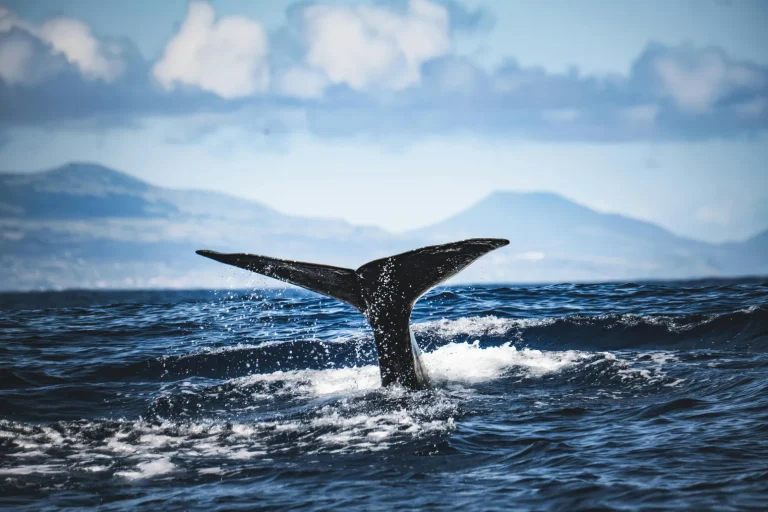
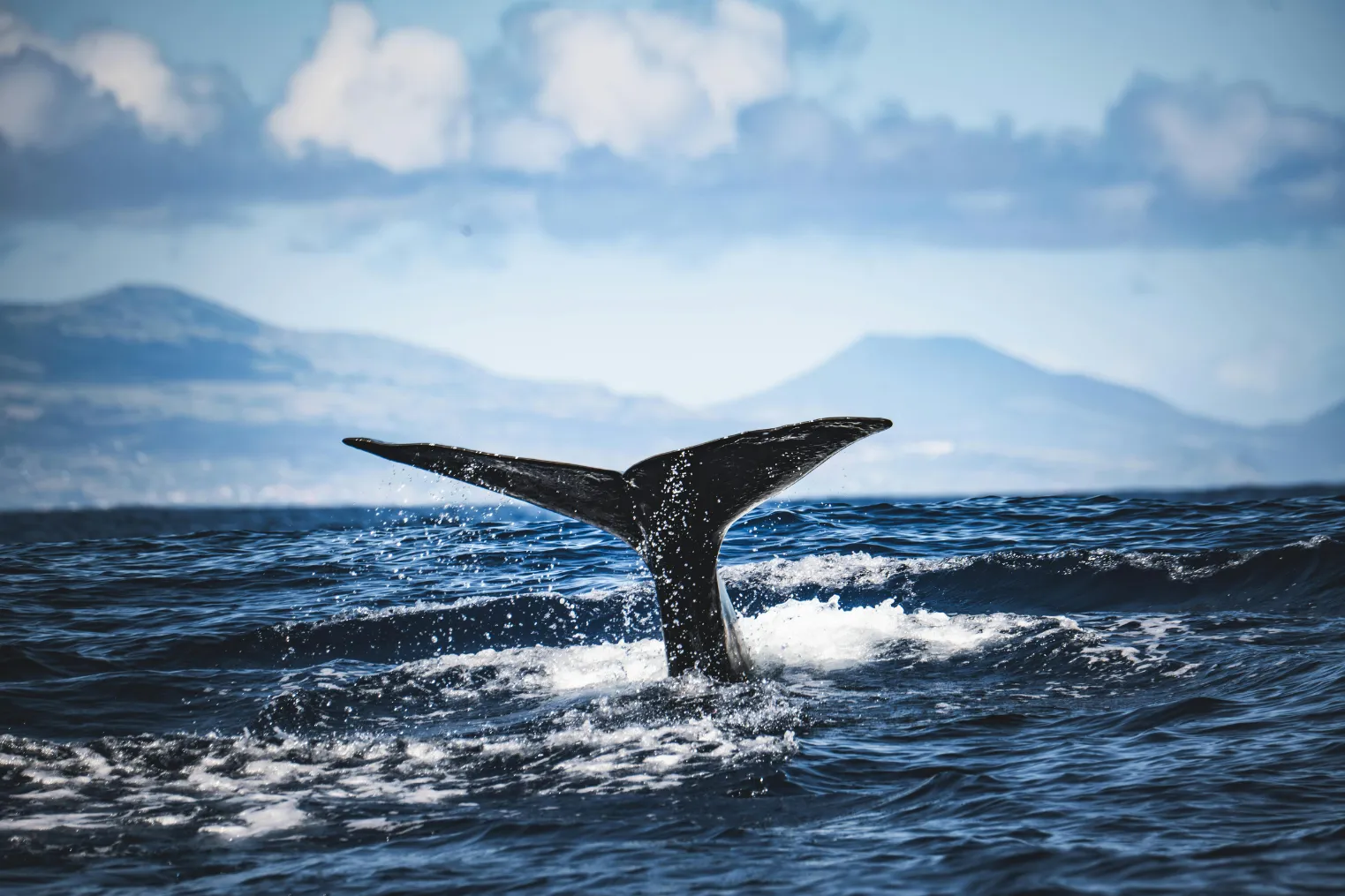
By a lucky coincidence, the hour when the sea goes quiet often matches the moment a whale decides to launch skyward. You’ll usually get your best shot in late winter, especially from mid-February to March, during the dim blue edges of dawn or dusk. The water looks smoother then, the blows carry farther, and every splash sounds bigger. Pick your timing well, and the next breach might come sooner than you think.
Key Takeaways
- Record humpback breaches in late winter: mid-December through April, with February and March usually delivering the most dramatic surface activity.
- In Hawaii, the best filming window is mid-February, when mating-season competition often triggers frequent, powerful breaches.
- Prioritize dawn and dusk, especially two hours before sunrise or after sunset, when whales surface more and seas are calmer.
- Choose low-wind, overcast, or golden-hour conditions for cleaner footage, better contrast, reduced glare, and easier autofocus tracking.
- Watch leeward channels, passes, and shoals from a quiet boat or shore, while maintaining the legal 100-yard distance.
When Are Whale Breaches Most Likely?
Often, your best shot at seeing a whale breach comes in winter, when humpbacks gather in warm breeding waters from December through April and the action usually peaks in February and March. During this breeding season, you’ll notice more social energy at the surface, especially around courting adults, competitive groups, and playful juveniles, which all raise the odds of breaching.
Researchers also suggest whale breaching may help with communication, courtship displays, or knocking off parasites, which helps explain why surface activity can spike during this season. Humpbacks still need patience. Breaches are dramatic but sporadic, like a surprise cannon blast followed by a white splash and a slap of fins. Plan long observation windows, not quick scans. Calm seas help you spot the action, and protected coastal bottlenecks can sharpen your view. Humpbacks also often show more surface activity during crepuscular periods, so stay alert when the light goes mellow.
Why Dawn and Dusk Often Work Best
As the light softens at the edges of the day, whales tend to get busier at the surface, and that can make dawn and dusk your best recording windows. You’ll often catch more breach activity in the two hours before sunrise and after sunset than you will at bright noon. Many whales use lower light to signal one another while still spotting prey or rivals.
You also get practical advantages. Early and late hours often bring calmer water, less glare, and cleaner sightlines, so whales breaching stand out against smoother seas. On Oahu trips, watching for whale behaviors at these times can make breaches and other surface displays easier to spot and record. Twilight can also help calls and splashes carry in useful ways, which may encourage bigger surface displays. If you’re planning a session, bring layered clothes, a charged battery, and patience. The ocean feels quieter then, but the show often gets louder.
What Season Has the Most Whale Breaches?
If you want your best shot at big, clean breaches, aim for winter in Hawaii, especially from mid-December through March, when February often steals the show. On Oahu, February whale watching is widely considered the prime time to catch the biggest breach activity. You’ll usually catch the most dramatic launches during the January to March mating stretch, when males throw their weight into splashy competitive displays that you can hear before the spray settles. By April and May, the action thins out as whales head north, so you’re more likely to spot a few stragglers than a full airborne spectacle.
Peak Breaching Months
Winter is the headline season for whale breaches in Hawaii, when North Pacific humpbacks flood the warm breeding grounds and surface action rises from mid-December through March. On Oahu, whale watching in December can offer early-season humpback sightings as the winter migration begins.
If you’re tracking peak breaching, aim for late winter, with best odds around mid-February. In Hawaii, you may hear a splash, then see a humpback arc out of blue water and crash back in white spray. Humpback whales don’t breach on command, so book a few outings and keep your camera ready. Elsewhere, your calendar shifts. On Alaska and West Coast feeding grounds, summer often brings more breaches from June through September. Match your trip to the local season, not a rule. You’ll improve your chances, though even in the best months, breaches stay rare and unscheduled.
Still comparing Best Time To Record Whale Breaches?
Ask for tour ideas, hotel suggestions, or a simple trip plan that combines both.
Trip Helper
Mating Season Displays
Peak breach months line up with something even more specific: the winter mating season puts the show into overdrive. If you visit Hawaiian waters from mid-December through March, especially around mid-February, you get the best shot at seeing breaches and other mating-related displays. Adult males crowd places like Penguin Banks off Oahu and the leeward coast, where escort pods chase females and rivals throw huge tail and pectoral slaps. This season is a big reason whale watching in Oahu feels so worthwhile for visitors hoping to catch unforgettable surface action. You’ll notice the action build from afternoon into early evening, when courtship energy seems to rise with the light fading. Females with calves usually save energy, so the most dramatic leaps come from competing males in the breeding season. Still, keep expectations loose. Winter improves your odds, but whales don’t perform on cue for anyone, not even patient camera crews.
What Weather Gives the Best Breach Footage
When the wind stays low and the sea settles into long, gentle swells, you’ve got the kind of weather that makes breach footage sing. With low winds, clear air, and tame spray, you spot each breach sooner and your autofocus behaves.
Low winds and gentle swells give breach footage room to shine, with clearer sightings, calmer spray, and autofocus that actually keeps up.
- Pick under 15-knot winds for calmer seas and cleaner splash lines.
- Favor overcast skies when you want crisp skin detail without glare.
- Chase golden-hour for warm color and striking silhouette moments.
- Watch sea-surface temps and bait reports, since cooler water and busy prey can bring more surface action.
You’ll also want visibility past 10 kilometers and long swells instead of chop. That steadier rhythm cuts blur, keeps highlights from blowing out, and helps you catch the whole leap, not just the splash cleanly. Pair these conditions with camera settings tuned for fast action so you can freeze the breach at its peak.
Where to Position Your Boat for Breaches
You’ll boost your odds by setting up near channel edges and travel bottlenecks, where whales funnel through and the water suddenly feels busy with spouts, tail slaps, and quick flashes at the surface. Keep your boat 100 yards back, idle in parallel, and hold a spot up-current so you don’t drift into the action when a breach erupts out of nowhere. This 100-yard distance also matches common whale-watching guidance on how close boats should get. Open water and leeward island sides give you a wide horizon to scan, while sheltered coves may feel cozy but can block the very show you came to see.
Channel Edge Positioning
Skirting the edge of a channel often puts you in the best seat in the house, because whales tend to funnel through passes, bottlenecks, and contour lines like the channel between islands or broad shelves such as Penguin Banks.
- Use channel edges and depth breaks for smarter positioning.
- Hold the leeward side, where flatter water makes breaches easier to spot.
- Stay 100 yards back, move slowly, and track parallel to travel lanes.
- Set up downwind or down-current, then drift or idle quietly.
In Hawaii, maintaining a 100-yard distance from whales helps you position responsibly while you wait for breaches along channel edges. You’ll see dark backs sharpen against calmer water, with less spray in your lens and less engine noise in their world. Use landmarks, shoal edges, and sudden depth changes to line up your shot and let curiosity do the rest on board.
Bottlenecks And Sheltered Waters
Because whales often bunch up where seafloor features pinch their route, bottlenecks and sheltered water can put your boat in the right place at the right moment. You’ll improve your odds near bottlenecks like Penguin Banks or narrow island channels, where humpbacks gather during breeding season. On leeward coasts, calmer water helps you spot the glossy back, the quick roll, then the explosive breach without wind chop stealing the show. Check charts for shelower shoals and ridges in the 30 to 200 meter range. Whales often slow, turn, and socialize there, as if the seabed built them a stage. Approach from downwind or down-current and keep at least 100 yards away. Watch boat traffic too. Even from shore on Oahu, calmer leeward viewpoints can make whale activity easier to spot without the visual clutter of rougher water. From December through April, especially February and March, these sheltered hotspots can feel almost scripted.
How to Film Whale Breaches Safely
Patience pays off when you’re filming whale breaches, and the safest shots often come from staying well back and letting the scene unfold. On whale watching tours, you’ll get better footage by watching behavior, not chasing it.
The best whale-breach footage comes from patience, distance, and letting the moment happen without chasing it.
- Keep the legal 100-yard gap from humpbacks.
- Sit downwind or downswell and idle in neutral nearby.
- Use a spotter to call blows, tail slaps, and quick breaths.
- Stop filming if whales angle toward you or seem stressed.
The Marine Mammal Protection Act helps guide whale tours by setting protections that support safer wildlife viewing practices. You’ll often see breaches build from shallow, sheltered water at dawn, dusk, or mating-season afternoons. Stay clear of their path and let the sea do the drama. Quiet boats, steady hands, and good manners beat hero moves every time. Even curious calves deserve space, and your captain should hold position without cutting them off.
Best Camera Settings for Whale Breaches
Dial in your camera before the action starts, because a whale breach happens fast and the best frames are gone in a splash. Use a fast shutter speed of 1/2000s to 1/4000s when light allows, and pair it with continuous high-speed burst mode. Good whale watching photo tips also include keeping your camera up and ready between surfacings so you can react instantly when the breach begins.
| Setting | What to use |
|---|---|
| Lens | telephoto lens, 200–600mm |
| Focus | AF-C or AI-Servo, back-button |
| Exposure | f/4–f/8, ISO 400–3200 |
Pre-focus on the surfacing track, then pan smoothly as the whale rises. Shoot at the longest practical focal length, but keep safe distance and enough depth of field for spray, tail, and surprise. If your camera offers animal detection, let it help. RAW+JPEG helps if buffer can handle it, and ISO bumps are cheaper than blur when spray explodes around you.
Common Mistakes When Filming Breaches
While a breach looks like pure chaos, most missed shots come from a few fixable habits. You don’t lose breaches because whales are impossible. You lose them because your setup lags, your framing wanders, or your focus hunts at the worst second.
- You wait too long to aim at the surface during crepuscular periods.
- You skip a fast shutter speed and high frame rate, so spray and motion turn mushy.
- You trust single-shot focus instead of continuous autofocus and a pre-focused water band.
- You zoom too tight, shake the camera, or keep engines rumbling, which nudges whales and cuts off those huge airborne arcs.
Steady technique matters just as much as timing, and smooth ocean footage often comes from bracing well and minimizing sudden camera movement.
Stay steady, watch the water’s rhythm, and let the ocean surprise you. Even experts donate bloopers to the sea daily.
How to Increase Your Chances of a Breach
If you want to see a breach, stack the odds in your favor before the boat even leaves the harbor. Book the best whale watching trip during crepuscular periods, at dawn and dusk, when surface activity often jumps and breach odds improve. Go in peak season for your whales. In Hawaii, humpbacks crowd the water from mid-December through March, with February lively. Aim for breeding hotspots like Penguin Banks or areas with competitive pods, where males throw more displays. Pick calm days with light chop and low wind so you can spot white spray, black backs, and sudden explosions of foam. Stretch your watch by pairing early and late outings on a boat that follows safely. Patience helps, and whales rarely read your schedule. Around Oahu, the best time of day for whale watching is often early morning, when calmer seas can make breaches easier to spot and record.
Frequently Asked Questions
Can Drones Be Used to Record Whale Breaches Legally?
Yes, you can sometimes use drones legally to record whale breaches, but you’ll need to follow drone regulations, avoid wildlife disturbance, respect airspace restrictions, and check NOAA, state, sanctuary, and permitting rules before flying carefully.
How Close Can Whales Approach Unexpectedly While Filming?
Closer than you’d think: whales can rush within few meters, or surface unexpectedly inside 100 yards. You can’t trust blind spots; stay ready for unexpected approaches, stop filming, and make evasive maneuvers when it’s safe.
Do Whale Species Differ in Breach Frequency?
Yes, you’ll see species comparison in breach frequency: humpbacks breach often, blue and fin whales rarely, and orcas intermittently. You should also expect age differences and seasonal variation, with calves and breeding males breaching more.
Can Underwater Microphones Help Predict Upcoming Breaches?
Yes, you can use underwater microphones to anticipate some breaches by detecting acoustic precursors; with signal processing, you’ll track call-rate spikes and map behavioral correlations, though noise, rough seas, and false positives can limit reliability.
What Permits Are Needed for Commercial Breach Photography?
Coincidentally, you’ll need NOAA permit types like an LOA or incidental-take permit, plus state and sanctuary approvals, vessel or charter licenses, Part 107 for drones, insurance requirements, and often a designated wildlife liaison for compliance.
Conclusion
You’ll stack the odds in your favor when you chase breaches in late winter, aim for dawn or dusk, and wait in calm leeward water like it’s the front row of the wildest show on Earth. Keep your distance. Cut speed. Let your spotter scan the slick gray surface for a sudden white blast. Then hold burst mode and hang on. One launch can feel bigger than weather, louder than thunder, and over too fast.