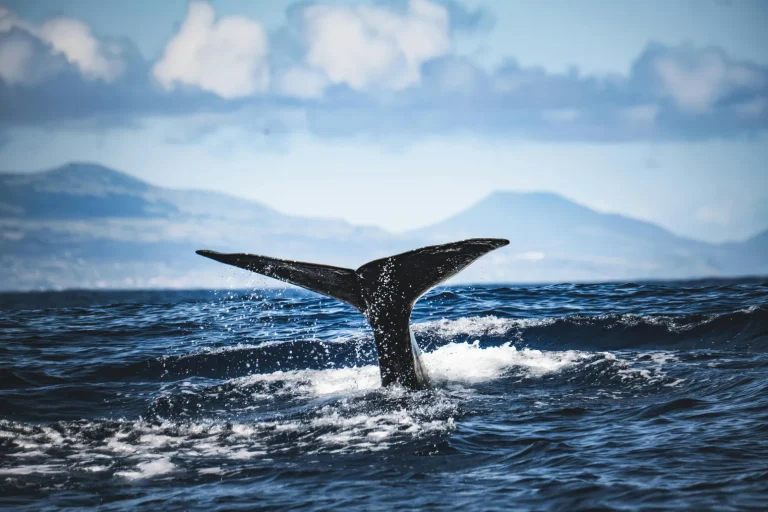
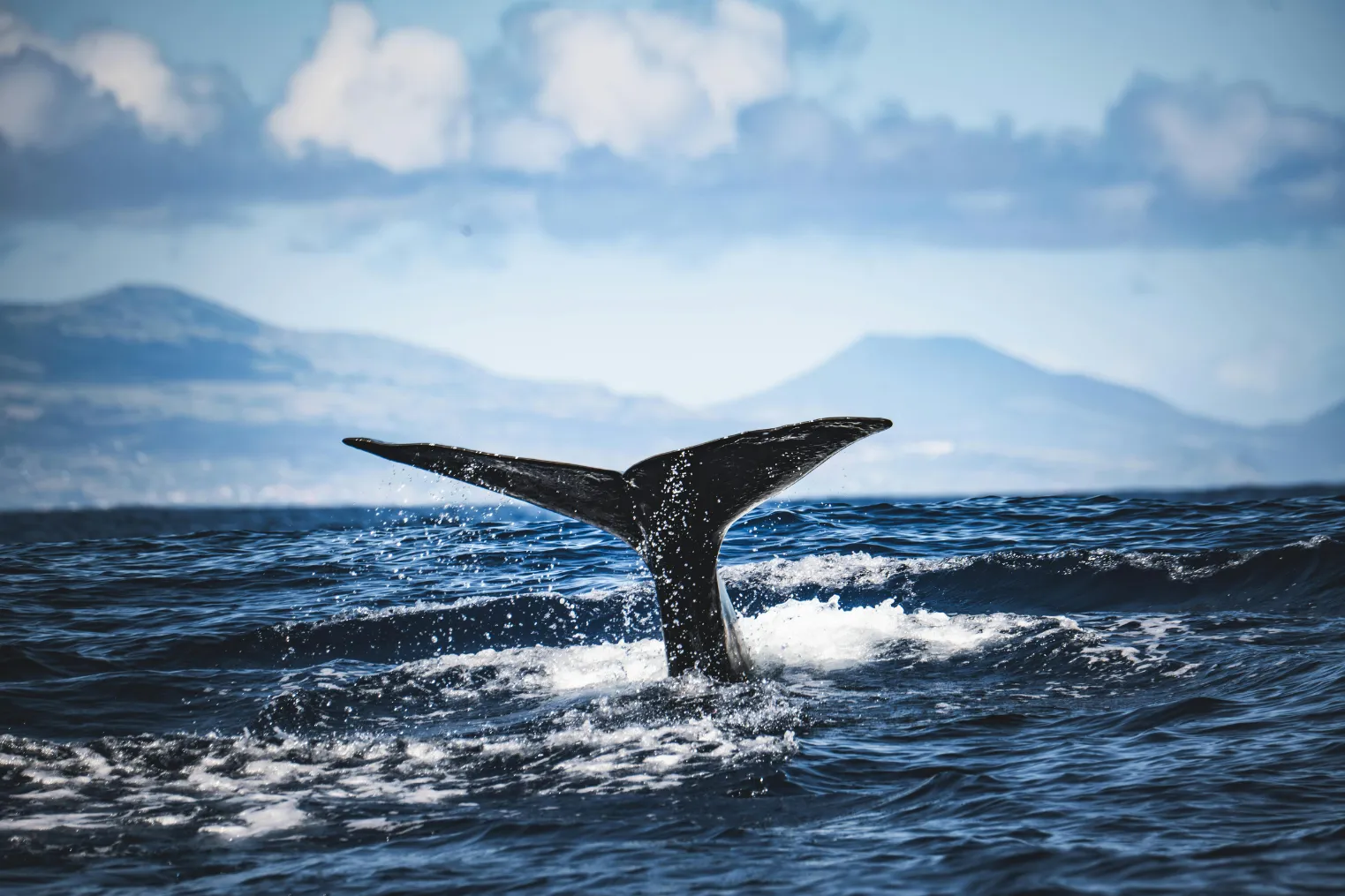
When you spot a humpback off Hawaii, you need to give it space, a full 100 yards, or about the length of a football field. That rule applies whether you’re on shore, in a boat, or paddling a kayak with salt spray on your arms and a camera in your hand. It sounds simple, but the real trick is judging that distance on open water, especially when a whale suddenly surfaces with a breath like a burst of fog.
Key Takeaways
- Stay at least 100 yards from humpback whales in Hawaiʻi; this federal minimum applies from boats, kayaks, and shore.
- If a whale comes within 100 yards on its own, stop the vessel, shift to neutral, and let it pass.
- Never chase, cut across, circle, or position your boat head-on or in front of a whale.
- Slow well before reaching whales, hold no-wake speed near 100 yards, and follow the sanctuary’s 15-knot transit recommendation.
- Drones near whales are generally prohibited without permits, and aircraft should usually remain at least 1,000 feet above humpbacks.
How Far From Whales in Hawaii?
If you’re hoping for a close whale moment in Hawaiʻi, the key number to remember is 100 yards. That’s the federal viewing distance for a humpback whether you’re watching from shore or from a boat, and it’s about a football field away. This rule is guided by the Marine Mammal Protection Act, which helps protect whales during tours and wildlife viewing. You’ll still hear the blow, see the dark back rise, and maybe catch the slick shine of water sliding off a tail. If a whale glides toward your vessel on its own, don’t inch closer for a better photo. Put the engine in neutral, stay put, and let the animal choose the exit. NOAA Fisheries also urges you to watch for stress signals like tail slaps or sudden dives. If you see trouble, report it quickly to the Hawaiian hotline or enforcement.
Which Whales Need 100 Yards?
Hawaiʻi’s headline whale, the humpback, is the one that needs the full 100-yard buffer in local waters. In Hawaiʻi, humpback whales are federally protected, so you must stay at least 100 yards away whether you’re on a boat or watching from shore. That rule mainly covers the North Pacific whales that come here to breed, calve, and nurse. Give resting moms and calves extra calm, because close passes can interrupt those quiet moments.
You should also treat every move on the water as part of marine protection. Keep your speed slow or no wake and never angle in from the front. During whale season, the sanctuary also recommends a top transit speed of 15 knots to help reduce collision risk. If a whale glides up to your boat anyway, cut engines and wait it out. If someone crowds humpbacks, report it to NOAA.
What Does 100 Yards Look Like?
Think of 100 yards as about one full football field, or roughly 300 feet, stretched out between you and the whale. On the water, that gap is bigger than many people expect. It puts you well beyond a whale’s 10 to 20 foot blow, yet still close enough to watch breaches, tail slaps, and rolling backs with sharp detail.
For humpback whales, 100 yards is about the length of three adult males lined nose to tail. That’s enough room for surfacing, turning, and travel. This is also about how close whale watching boats get when following legal viewing distance rules in Hawaii. From shore, though, the distance can feel tricky and a little deceptive. Waves flatten depth, and everything looks closer than it is. Binoculars help. So does seeing whales from a boat, where the buffer becomes easier to picture and respect.
What If a Whale Swims Closer?
When a whale decides to close the gap, the right move is simple: pull your engine into neutral, stop the boat, and let the animal set the pace.
Keep your hands inboard. Don’t reach out or try to interact. Stay quiet, skip sudden movements, and keep drones or low aircraft far away. Even when whales approach, you should still stay at least the legal distance when possible. If one slips inside that 100 yard buffer, hold position and never follow. Once it moves off, depart slowly and safely. Make a note of the time, place, and what you saw. Then report any signs of injury, entanglement, or harassment to NOAA. Following whale watching tour rules helps protect both the animals and everyone on the water. The best encounter feels calm and hushed, like the ocean is holding its breath.
How Long Can You Watch Whales?
Watching whales can feel timeless, but your visit with any one whale or group should stay at 30 minutes or less. That helps limit viewing pressure, especially in Maui’s busy winter season, and lets whales rest at a safe distance. Good whale watching etiquette also means keeping your presence calm and respectful throughout the encounter.
| Keep in mind | Why it matters |
|---|---|
| 30 minutes max | Less disturbance |
| Multiple boats | Share shorter turns |
| Whales approach you | Let them leave first |
| Permit holders | Follow permit rules |
If other boats are nearby, shorten your own watch so the group doesn’t face a parade. If curious whales glide over while engines are off, enjoy the splash and breath, then let the moment end naturally. You’re there to witness, not overstay. During peak January to March sightings, short sessions save energy for migration, nursing, and naps.
How Should Boats Watch Whales?
Settle in and give humpbacks room. From your boat, watch whales with patience and a wide buffer. Federal law says you must stay at least 100 yards, about a football field, from humpbacks in Hawaiʻi waters. Hold a steady course at slow/no-wake speed and skip sudden turns. If a whale surfaces near you, shift to neutral and stop.
Don’t chase, circle, trap, or cut across a whale’s path. Slide slightly parallel or from the rear instead. Also limit viewing time to about 30 minutes per whale or group, especially if other boats are nearby. If you spot tail slaps, hard turns, long dives, or a mother shielding her calf, back off and leave calmly. Quiet water, salty air, one clean view beat a crowd. Use camera zoom for closer looks instead of trying to edge your boat nearer.
How Fast Should Boats Go Near Whales?
Because whales can surface fast and without warning, your best speed near them is slow, steady, and no-wake. Ease down well before 100 yards so you can stop safely. In Hawaii, federal law requires boats to stay at least 100 yards from humpback whales. If a whale swims toward you, put the engine in neutral and wait. Don’t gun the throttle or zigzag. Watch for tail slaps, quick turns, or long dives. Those are your cue to shift to slow no-wake speed or stop.
| Situation | What you do |
|---|---|
| Near 100 yards | Hold no-wake speed |
| Whale approaches | Put the engine in neutral |
| Sudden behavior changes | Slow more or stop |
| Local rules differ | Reduce speed early |
A calm boat makes less noise, leaves less churn, and gives you a better chance to enjoy the blow, splash, and silence.
Where Should Your Boat Be Positioned?
You’ll want to keep your boat at least 100 yards away and line up with the whale at a slight parallel angle, not straight at its path. The safest view usually comes from the rear or side, where you can watch the smooth rise of a back and the quiet puff of a blow without crowding the animal. If a whale swings closer on its own, shift to neutral and hold steady, because the best move sometimes is no move at all. From that respectful position, you may be able to spot whale behaviors like a blow or the arch of a back as the animal surfaces.
Parallel Approach Angle
From the side, whales read your boat more easily, so the safest position is slightly parallel to them or a bit off their rear quarter, never straight ahead.
For a parallel approach, you keep the bow out of their line and stay at the 100-yard distance. You avoid crossing their path and never leapfrog ahead. Use no-wake speed, and if a whale glides near, shift to neutral and let it choose the moment. Keep any drone use well clear and compliant with Hawaii whale-watching rules so aircraft never add pressure from above.
| Action | Why | Rule |
|---|---|---|
| Hold angle | Less pressure | 100 yards |
| Stay single vessel | Less crowding | 30 minutes |
| Neutral if approached | Whale leads | No wake |
You’ll hear the engine hush, feel the swell lift, and watch the whale decide. That’s the point. Calm angles make viewing safer for you, your crew, and the animals.
Rear And Side Positioning
When you settle into the right position, your boat should sit slightly parallel to the whale or a little off its rear quarter, never out in front like a floating roadblock. From there, you can position your boat slightly parallel or to the rear and watch without forcing a detour. Always maintain the federally required minimum 100-yard (football-field) buffer, especially around mothers and calves. If the whale surfaces closer than expected, shift to neutral and let it choose the moment. You should stay at a slow,no-wake speed, keep your turns gentle, and avoid leapfrogging ahead. With other boats nearby, coordinate so everyone hangs back and limits viewing time. If you spot tail slaps, long dives, or a mother shielding her calf, back off. That’s your cue. And if your respectful positioning means you have empty tour moments with no whale sighting, that’s still better than crowding or pressuring the animal.
How Close Can Kayaks Get to Whales?
Even from a kayak, the rule in Hawaiʻi stays simple: keep at least 100 yards away from humpback whales, about the length of a football field. That legal buffer applies to kayaks just like every other watercraft, so your best view should still feel wonderfully far, with blows hanging in the air and tail flukes flashing above the chop. For first-time adventurers, following simple step-by-step whale watching tips can make the experience safer and more enjoyable.
If whales approach your kayak, stop paddling and sit quietly. Let the animal choose its path and pass on its own. Don’t paddle closer for a better photo or try to steer away in a panic. Stay calm, watch the water around you, and give the moment room. If a close encounter turns dangerous or you spot an injured whale, call NOAA right away today.
How Can You Avoid Harassing Whales?
Start by giving whales plenty of room, because the easiest way to avoid harassing them is to let them set the scene. In Hawaii, you should stay at least 100 yards away, whether you’re watching from shore or aboard a boat. Since whale watching in Oahu can be a worthwhile adventure, following these rules helps keep the experience safe and respectful for both people and whales. If a whale surfaces near you, slow to no-wake speed and shift into neutral, then wait. Let the animal choose its path. Don’t chase, circle, leapfrog, or box whales in with other vessels. Approach only slightly parallel or from behind, never head on. Keep each viewing session to 30 minutes or less so the ocean stays calm, not crowded. If you see someone cornering whales or an injured animal, report harassment to NOAA at 1-800-853-1964. You’ll hear more blows than engines, which matters.
Can You Fly Drones Near Whales?
Curious about getting that perfect overhead whale shot? In Hawaiʻi, you usually can’t fly drones near humpback whales. Unless you’re a researcher with NOAA permits plus any needed FAA or NPS approvals, keep your UAS away. The buzz, shadow, and close pass of a drone can harass whales and change their behavior fast. That’s not just bad manners on the water. Unauthorized flights that disturb protected species may break the ESA and MMPA. NOAA is still shaping national drone guidance for marine mammals, so play it safe now. During winter, whale song is one of the many signs humpbacks are active in Hawaiian waters, making extra caution around them even more important. Don’t launch from the beach beside a spout, don’t hover above a resting pod, and don’t chase a tail slap for video. Check local, state, and federal rules before every flight. Your camera can wait today.
How High Can Aircraft Fly Over Whales?
If you’re trading a drone for a sightseeing plane or helicopter, the airspace still comes with firm rules. In Hawaiʻi, your aircraft usually needs a minimum altitude of 1,000 feet over humpback whales, and you shouldn’t hover, buzz, or dip lower for a better look.
| Rule | What you do |
|---|---|
| Humpbacks in Hawaiʻi | Stay 1,000 feet up |
| Right whales in U.S. waters | Stay 1,500 feet up |
| Drones | Fly only with permits |
| Local parks or refuges | Check stricter limits |
That buffer helps you avoid harassment under the marine mammal protection act. You may also face tighter state, refuge, or park rules, so check NOAA, FAA, and local guidance before wheels up. If your whale-watching plan also includes time near shore, choose lifeguarded beaches whenever possible for added safety. Quiet passes let everyone enjoy the breach, the slap, and the ocean’s low silver shimmer.
What Hawaii Whale Rules Matter Most?
While whale season can feel magical, the rules in Hawaiʻi are simple and strict. You must stay at least 100 yards from humpback whales, whether you’re watching from shore or from a boat. Think football field, not selfie distance. If a whale or calf swims toward your vessel, shift the engine to neutral and wait. Let the animal choose the moment. Don’t chase, cut across its path, or re-position to get closer. Those moves can harass whales, even if you mean well. If you’re heading out on a tour, seasickness relief tips can help you stay comfortable and focused on responsible whale watching. Aircraft and drones also have limits and can’t drop low over the action. In some areas, local protections create even bigger buffers. If you see someone breaking the rules, speak up. And always report injured or entangled whales right away to trained responders nearby.
Who Should You Call for Whale Emergencies?
If you spot an injured, entangled, stranded, or distressed whale in Hawaiʻi, call NOAA Fisheries’ 24-hour Marine Mammal Hotline at 1-888-256-9840 and keep your distance. If you see people harassing whales or a boat slipping inside the 100-yard rule, report it to NOAA’s National Enforcement Hotline at 1-800-853-1964. You shouldn’t try to play ocean hero here, because the right call gets trained responders moving fast while you stay safely out of the splash zone. For a calmer outing overall, confirm your check-in time and plan to arrive early for whale watching.
NOAA Enforcement Hotline
For whale emergencies in Hawaiʻi, the right call can make a real difference. If you see people crowding humpbacks, chasing them, or slipping inside 100 yards, call NOAA’s National Enforcement Hotline at 1-800-853-1964. You’re helping protect whales and boaters, which is a pretty solid vacation move. During whale watching Honolulu trips, having the hotline saved in your phone can help you respond quickly if you spot unsafe behavior on the water.
| You notice | You report |
|---|---|
| Harassment | Location and time |
| Vessel violation | Boat name or number |
If you can, add photos or video. Clear details help officers act fast. Keep your distance and let responders handle the scene. Don’t play ocean hero. From a rocking deck, note what you saw, where it happened, and which vessel was involved. That quick, careful call can turn a troubling sighting into useful protection for whales, crews, and everyone watching the water that day.
Injured Whale Reporting
Sometimes the problem isn’t a boat getting too close. You might spot a whale that looks injured, stranded, distressed, or entangled off Hawaiʻi. In that case, skip the hero move and start reporting it right away. Call NOAA Fisheries’ 24-hour Marine Mammal Hotline at 1-888-256-9840 immediately, then keep a safe distance and wait for trained responders.
When you call, share the exact location, GPS coordinates if you have them, what species you think you’re seeing, how many animals are there, and what looks wrong. Note unusual behavior, fresh wounds, trailing gear, or labored movement through the chop. Leave your contact information too. Those details help responders find the whale fast, sort out the situation, and get the right team moving as soon as possible. If you’re on a commercial tour when it happens, ask the operator afterward about their refund policy, since whale watching refund rules can vary in common emergency scenarios.
Disturbance Incident Contacts
While a true whale emergency goes to the NOAA Fisheries 24-hour Marine Mammal Hotline at 1-888-256-9840, disturbance reports follow a different path. If you need to report harassment, illegal approaches, or a boat slipping inside 100 yards, call NOAA Enforcement at 1-800-853-1964. If there’s immediate danger, jot down details fast.
- vessel description
- time you saw it
- exact location
- what the operator did
- any threat to people nearby
Use the hotline for injured, entangled, stranded, or distressed animals, including monk seals on shore. Endangered Hawaiian false killer whale sightings can also trigger that rapid response line. On the water, your notes matter. Engines fade, splashes vanish, and memory gets slippery, so capture the scene before it swims away with your phone if you safely can. Hawaii’s boating offices note that hours subject to change, so if you also plan to follow up with a local harbor or district office, confirm current availability before going.
Frequently Asked Questions
When Is Whale Watching Season in Hawaii?
You’ll catch whale watching season in Hawaii from December through May, with peak months from January through March. You’ll often get calmer weather patterns then, and you can explore prime viewing hotspots statewide, especially Maui areas.
Are There Fines for Getting Too Close to Whales?
Yes, you can face legal penalties, including boat citations and fines, if you make a negligent approach to whales. In Hawaii, federal rules protect them, and serious or repeated violations can also trigger criminal charges.
Can You Watch Whales From Shore Safely?
Yes, you can watch whales from shore safely, like scanning a horizon. Keep 100 yards away, follow shore viewing safety tips, use spotting gear, and if distance seems uncertain, move back and don’t enter the water.
What Should Photographers Know About Whale Watching Etiquette?
You should keep a respectful distance, use a silent approach, and follow gear precautions: shoot with telephoto lenses, skip flash and drones, don’t chase whales, and end sessions quickly if you notice stress behaviors nearby.
Are Tour Guides Required to Follow Whale Protection Rules?
Yes, tour guides must follow whale protection rules; licensed operators give mandatory briefings, keep legal distances, watch whale behavior, and comply with enforcement oversight, or you’ll see trips altered, permits restricted, and penalties imposed quickly.
Conclusion
In Hawaiʻi, you’ll enjoy whales more when you give them room. That 100-yard buffer is about the length of a football field, which sounds big until you hear a whale exhale like a sudden burst of steam across the water. Stay back, slow down, and let the moment come to you. If one surfaces closer, pause and watch. Good whale viewing feels calm, salty, and a little humbling. The whales keep their space, and you keep the wonder.