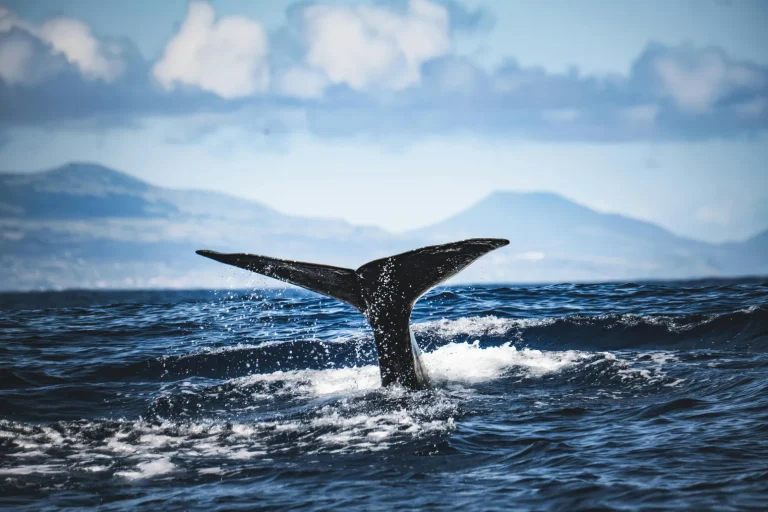
You’re out on open water, camera ready, when a whale surfaces with a wet exhale and a sound like a deep sigh. This is the moment to stay calm, keep your distance, and let the animal choose the encounter. Slow speeds, quiet decks, and a side approach matter more than the perfect photo. Good whale watching is simple, but the small choices can change everything.
Key Takeaways
- Stay at least 100 yards from whales, and give mothers with calves 300 meters or more.
- Slow to 5 knots or less, make no wake, and avoid sudden noise, flash, or hull banging.
- Never chase, surround, cut off, or approach whales head-on; always leave a clear escape path.
- Watch for stress signs like tail slapping, abrupt dives, or avoidance, and back away if they appear.
- Choose certified, respectful tours and report injured or entangled whales to trained responders immediately.
Start With the Core Whale Watching Rules
Before you even lift your binoculars, start with the rules that keep whale watching calm and safe for everyone.
Great WHALE WATCHING starts with restraint. You don’t touch, feed, chase, surround, or cut off a whale’s path. Let the animals choose the moment, and you’ll see more natural behavior, from a rolling back to a quiet exhale. Keep your camera flash off and your voices low. Skip hull banging and other sharp noises that can startle them. Follow local rules and trusted programs like WHale SENSE and guidance from NOAA Fisheries. Keep at least 100 yards from large whales, and follow any stricter species-specific legal distances in your area. If you spot an injured or entangled whale, alert trained responders right away. When you model good etiquette, other boaters often take the hint too. That makes the whole outing smoother and smarter.
Keep Your Distance and Slow Down
Good whale watching gets even better when you give whales real room and bring your speed way down. Stay at least 100 yards from any WHALE, and give a mother and calf 300 meters or more. In Hawaii, 100 yards is the minimum legal distance to stay from whales during viewing. When whales appear, reduce speed to 5 knots or less and make no wake. If you can, drift or hold a steady, slow throttle so engine noise and wash don’t crowd the moment. Skip sudden acceleration, sharp turns, and fussy gear changes. Those revs carry underwater. Keep your approach from the side, not head on, and never box whales in. Leave them a clear path and let them set the pace. Following local rules and operator guidance keeps every sighting safe and respectful, for you, crew, and whales.
Watch for Stress Signals and Back Off
Even when a whale seems calm, you need to read the water for signs that your boat is pushing too hard. Watch for tail slapping, peduncle lobbing, sudden avoidance swims, or long dives. Those are clear signals to widen the gap now. Many guidelines on boat distance stress that whale watching vessels should keep a respectful buffer rather than crowding the animals. With humpback whales, listen too. Faster breathing and abrupt dive changes mean cut speed, drift, and quiet the engine. If a mother and calf are nearby, stay at least 300 meters away and retreat farther when surface activity jumps. Resting whales should look settled, not twitchy and zigzagging. If they stop resting, change direction often, or a curious calf approaches then bolts back, end the interaction. Give them an open lane to leave. Smart tour operators do exactly that every time offshore.
Choose a Responsible Whale Watching Tour
Pick your boat as carefully as you pick your binoculars, because the operator shapes the whole encounter. Look for companies certified by Whale SENSE or the World Cetacean Alliance. Those programs require training, on-water checks, passenger education, and teams committed to responsible wildlife viewing.
Before you book, read the policy page. You want no frontal approaches, no chasing, and firm limits on time and group size near whales. Good captains keep at least 100 yards away, give mothers and calves 300 meters, and slow to 5 knots or simply drift when whales appear. The Marine Mammal Protection Act also helps shape whale tour rules by requiring operators to avoid disturbing marine mammals. Choose tours with naturalists who explain behavior, ask for quiet watching, and log sightings. Reviews should describe calm, respectful trips, not speedboat theater. Whale and Dolphin Conservation offers helpful guidance too.
Support Whale Conservation After Your Trip
Following up after the wake settles can matter almost as much as the trip itself. Upload your photos and sighting notes to Happywhale, and include the date, time, GPS spot, species, and behavior you saw. Those tail flukes and splash patterns help researchers follow migrations. Support certified operators by tipping well and posting reviews. Whale Watchers can make sure good crews keep funding training, reporting, and stewardship. If you spot an entangled or distressed whale later, call NOAA or regional responders right away. In Hawaiʻi, keep at least 100 yards from humpback whales and report entanglements to the NOAA Fisheries Hotline at 888-256-9840. If you’re trained, stay nearby at a respectful distance until help arrives. Join beach cleanups, plastic reduction drives, or citizen science sessions. You can also donate or volunteer with trusted groups that power whale conservation through research, rescue, and public education.
Frequently Asked Questions
What Should I Wear on a Whale Watching Trip?
Wear layered clothing so you can adjust to wind and spray, add waterproof outerwear for sudden weather, and choose nonslip shoes for deck safety. You’ll stay warm, dry, comfortable, and ready to enjoy whale sightings.
How Can I Prevent Seasickness During Whale Watching Tours?
Sure, trust your stomach to stage a mutiny; instead, you’ll prevent seasickness by using motion sickness prevention meds, trying natural remedies like ginger, choosing seating strategies midship, and keeping your eyes fixed on the horizon.
Are Whale Watching Tours Suitable for Young Children?
Yes, you can take young children on whale watching tours if you choose child friendly activities, set age appropriate expectations, and follow supervision recommendations. You’ll enjoy shorter trips, calm seas, snacks, and layered clothing too.
Should I Tip the Whale Watching Crew or Guide?
Yes, over 70% of tour guests tip, so you should too if service feels strong. Follow gratuity etiquette: bring cash tips when possible, and treat tipping as simple crew appreciation for safety, sightings, and hospitality aboard.
What Time of Day Is Best for Whale Watching?
Choose early morning or late afternoon for whale watching, because you’ll often get calmer seas, better light, and more activity. If you can, go around slack tide too, since whales sometimes surface and feed predictably.
Conclusion
When you give whales room, the ocean opens up. On one calm trip, a guide cut the engine at 100 yards, and the loudest thing left was a gull and the soft hiss of a blow. That pause worked like leaving space in a conversation. The whale chose to stay. You saw the dark curve of its back, the slick shine of water, and the quiet power of doing less. That’s good etiquette, and good travel, too.