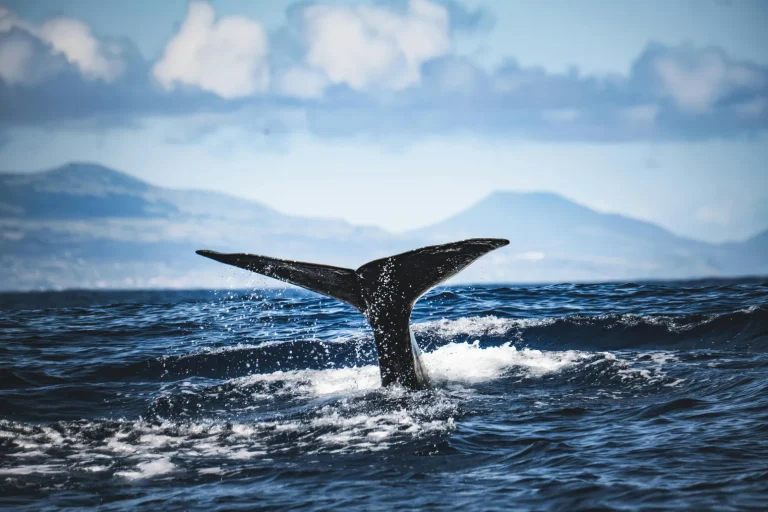
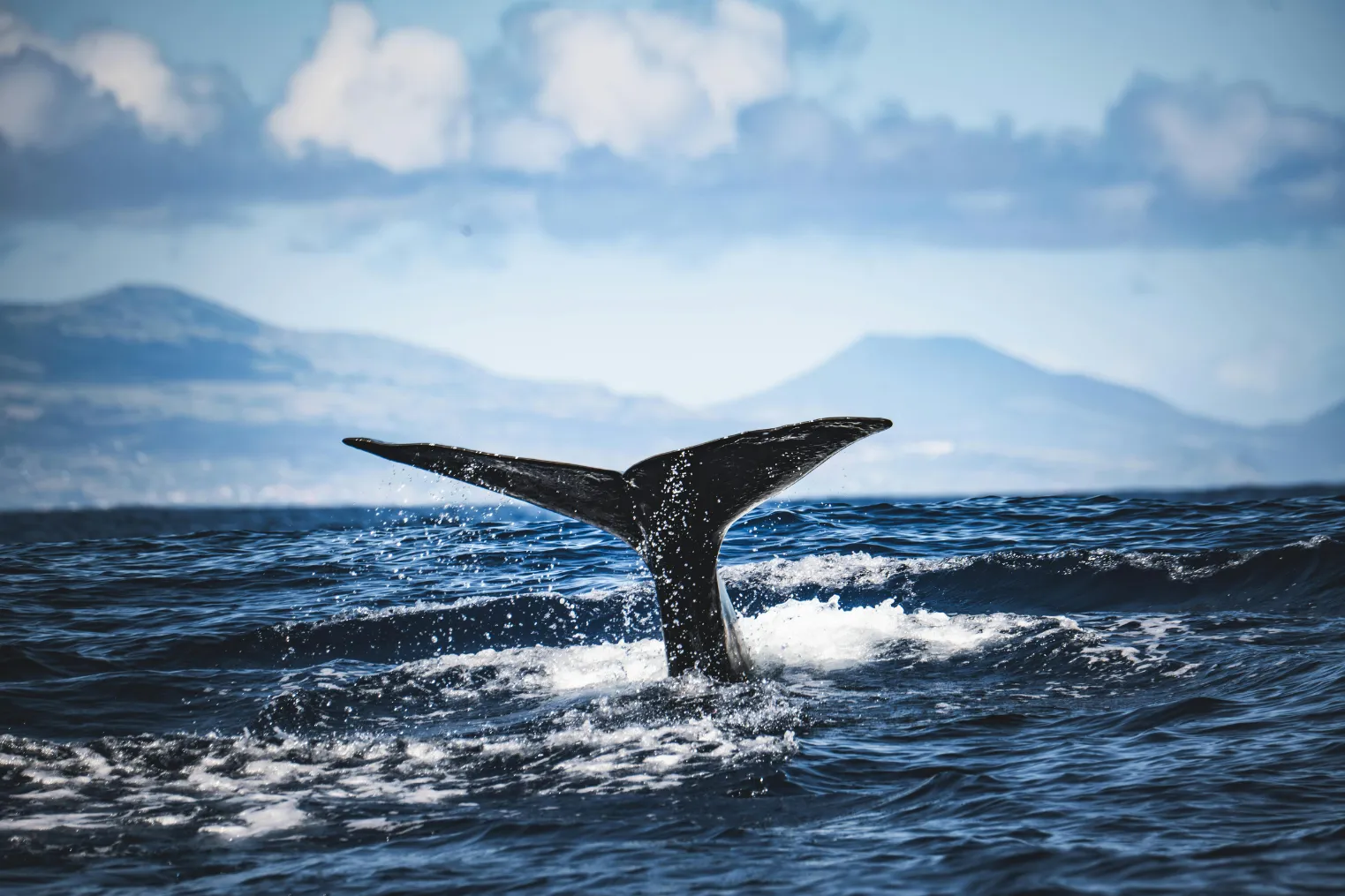
Like a Pacific version of a hidden concert hall, Hawaii lets you hear humpback whales turn winter water into sound. If you visit from November to April, you might catch long, looping songs rising through the blue near Maui or Oʻahu, especially at dawn or dusk. Some notes throb low enough to feel more than hear. Bring a hydrophone, a little patience, and you’ll start to wonder what those songs are really saying.
Key Takeaways
- Yes, humpback whales sing in Hawaiʻi during breeding season, especially from November through April.
- Male humpbacks produce repeating songs of moans, cries, chirps, and deep notes that can loop for hours.
- The strongest chorus is usually heard January through March, with better nearshore listening around dawn and sunset.
- Maui Nui, especially leeward Maui near Lahaina and Māʻalaea, is the best place to hear whale song.
- Hydrophone-equipped whale tours and seafloor recorders let people hear songs that travel miles underwater.
Do Whales Sing in Hawaii?
Yes, whales do sing in Hawaii, and if you visit in winter, you’re arriving for the main concert season.
Here, male humpbacks perform long looping songs during the breeding season, and you can imagine the ocean as a blue cathedral. When humpback whales sing, their moans, cries, and chirps repeat for 10 to 20 minutes and carry for miles underwater. In Maui’s waters, those sounds overlap into a loose chorus, especially as whales gather offshore. Scientists track that activity with seafloor recorders across the islands, and the pattern matches whale arrivals and departures. During the day, many singers shift offshore, then drift back near shore around sunset. Hydrophones let you hear the brighter notes, while the deepest tones stay below your ears’ range naturally. The Hawaiian Islands Humpback Whale National Marine Sanctuary helps protect breeding habitat where these winter songs are most often heard.
When Can You Hear Humpback Whales in Hawaii?
If you want to hear humpback whales in Hawaii, plan your trip during whale season from November through April, when their songs return to the islands with them. You’ll catch the strongest underwater chorus from January to March, especially around Maui, when male singers can carry their eerie notes for miles. For the best shot, listen near shore in winter around sunset, because that’s when many singers move back in and the water starts to feel like nature’s own concert hall. Hearing them in person is one reason whale watching in Oahu can feel like a worthwhile adventure during the winter season.
Hawaii Whale Season
Usually, you can hear humpback whales in Hawaiʻi from November through April, when the islands turn into one of their busiest breeding grounds. If you slip into the water with a snorkel, join a boat trip, or listen through a hydrophone, you may catch the rolling Humpback whale song carrying for miles beneath the surface.
As the season builds, male singers shape the underwater soundtrack around Maui and nearby channels. Recorders track when whales arrive, spread out, and leave, so you can see how the chorus shifts from place to place each year. You might notice a daily rhythm too. Singers often move farther offshore in daylight, then drift closer to shore by evening. That means your timing matters almost as much as your luck. Listen around dusk. It’s nature’s soundcheck.
This whale watching season also marks the best time to go whale watching in Hawaii.
Peak Singing Months
Because Hawaiʻi’s humpbacks gather here to breed, the strongest singing season runs from November through April, with the biggest underwater chorus building from January to March. If you visit during those winter months, you’re most likely to hear humpback whale song rolling through Hawaiʻi’s channels, especially around Maui Nui. Humpback whales in Hawaii are most active during the winter breeding season, making those months the best time for whale watching tours as well as hearing their songs.
- November starts the season as early singers arrive.
- December to April brings male songs that can dominate the water for miles.
- January through March is the peak, when breeding activity fuels the loudest chorusing.
- Recorders across the islands track that rise, peak, and fade each year.
That means you can plan a trip with confidence, not just luck. Think of it as Hawaiʻi’s ocean concert, only the headliners weigh forty tons.
Still comparing Do Whales Sing In Hawaii?
Ask for tour ideas, hotel suggestions, or a simple trip plan that combines both.
Trip Helper
Best Time Of Day
Winter gives you the season, but the clock fine-tunes your odds. You can hear song all day, yet a male humpback often gives you better nearshore listening before sunrise and around sunset. As singers drift offshore, then return in the evening, hydrophones and patient ears often catch a richer buildup. In mid-winter, especially January through March, peak singing and dense choruses can turn the water into a rolling soundtrack. On Oahu, February whale watching often overlaps with some of the strongest mid-winter humpback activity, making nearshore listening especially rewarding.
| Time | What you notice | Best move |
|---|---|---|
| Before sunrise | Clear individual songs nearshore | Listen from shore or harbor |
| Midday | Songs still carry for miles | Try a boat with a hydrophone |
| Sunset | More singers return nearshore and the chorus thickens fast | Watch the water, then listen from shore or a quiet boat at dusk for clues nearby |
Where Can You Hear Whale Song in Hawaii?
You’ll find some of Hawaii’s best whale-song listening spots around Maui Nui, especially the waters off Maui, Moloka‘i, Lāna‘i, and Kaho‘olawe, where male humpbacks fill the breeding grounds from November to April and hit their loudest stretch from January to March. If you time it right, you can catch stronger nearshore singing in the evening, while calm daytime shore views may let you hear only a few higher notes if the ocean stays quiet. For the full eerie soundtrack, you’ll want a whale-watch tour with a hydrophone, because those onboard mics pick up songs that can carry for miles. On Oahu, December marks the start of whale watching season, so sightings and occasional whale song become more likely as humpbacks begin arriving in Hawaiian waters.
Best Hawaiian Listening Spots
The easiest place to hear whale song in Hawaii is off Maui’s leeward coast, especially near Lahaina and Māʻalaea, where humpbacks crowd the calm water from December through April and peak in January to March.
If you want to Hear Humpback Whales clearly, start with Maui tours that drop hydrophones over the side. From there, try:
- Small boats off Lahaina for rich, ringing songs.
- Māʻalaea trips where calm channels carry sound well.
- West Maui lookouts on glassy evenings for faint notes from shore.
- Oʻahu whale watches using hydrophones for easy live listening.
While you’re out listening, keep an eye out for whale behaviors like breaches, tail slaps, and spouts that often add to the overall Oahu whale watching experience.
Guides who follow NOAA rules help you listen longer without bugging the whales. Researchers also use moored recorders around Maui Nui, but you’ll enjoy the music best from the water there.
Peak Season And Timing
Because humpbacks don’t keep a strict schedule, timing your listen matters almost as much as picking the right island. In Hawai‘i, whale season runs roughly November through April, but you’ll hear the richest Whale songs from January to March. Around Maui, male singers often dominate the underwater soundscape from December into April, and their calls can travel for miles. Oahu also has a whale watching season that lines up well with these winter months, making it another solid option for spotting humpbacks. If you’re near shore, sunset is often a smart bet. Singers tend to move offshore during the day, then slip back closer in by evening, so the chorus can sound fuller as light fades. Shallow, warm waters around Maui Nui give you your best odds in peak months. Think calm seas, soft trade winds, and a haunting soundtrack under the surface. Nature doesn’t wear a watch, but it’s pretty reliable.
Tours And Hydrophones
On many winter whale watches across Hawai‘i, a hydrophone turns the ocean into a live concert. From November to April, especially on Maui, you can hear male humpbacks whale singing in real time while you scan blue water for flukes and spouts. Boat-based hydrophones capture roughly 30 to 8,000 Hz, so many notes land within your hearing. Some travelers find small group tours in Oʻahu especially worthwhile because they can offer a more personal whale-watching experience.
- Choose Maui or Oʻahu whale watching tours.
- Go in January through March for peak song.
- Expect naturalist commentary that explains behavior and conservation.
- Try calm shore spots, but boats sound clearer.
Some operators and research teams use the same tools for public listening and monitoring, so you don’t just hear the performance. You learn who’s singing and why. That part feels pretty magical.
What Do Humpback Whale Songs Sound Like?
If you could slip a hydrophone into Maui’s winter water, you’d hear humpback whale song as a layered mix of moans, cries, howls, grunts, and chirps stitched into repeating phrases. Humpback whale songs unfold in themes that run 10 to 20 minutes, then loop for hours like a remix. Some notes rumble so low you won’t catch them without gear, while brighter tones rise into the range where you can hear their songs. In Maui shallows, many males sing at once, so the water can sound crowded, almost like a karaoke bar for giants. Songs also shift slowly through the season, and whales match one another in dialects. Researchers at Oceanwide Science Institute use recordings to map when singers arrive, peak, then leave again. During the same winter season, you may also spot mother and calf humpbacks resting in calmer Hawaiian waters nearby.
Why Do Humpback Whales Sing in Hawaii?
While Hawaii’s winter seas look calm from shore, they turn into a busy soundstage for male humpback whales. If you visit during the breeding season, you’re watching warm, shallow water become a meeting place where humpback whales court, compete, and raise calves.
- Males use songs to attract females.
- They may also signal strength to rivals.
- Their 10 to 20 minute songs can repeat for hours.
- Singers shift nearshore at evening, then offshore by day, so songs carry farther through less crowded water.
You can picture the archipelago as an underwater highway. Low notes travel miles, helping whales communicate across islands. Researchers track that chorus with passive recorders, revealing when singers arrive, peak, and likely pursue mates each year in Hawai’i’s sheltered winter nursery grounds for courtship and calving. When listening from a boat, following respectful viewing basics helps keep these natural behaviors undisturbed.
Can You Hear Whale Songs on Hawaii Tours?
Often, yes, you can hear whale songs on Hawaii tours, and it’s one of the trip’s coolest surprises. Many operators use underwater listening devices, usually hydrophones, so you can listen in real time as whales sing below the boat. During December through April, especially in the waters around Maui, singing males are common and their songs can travel for miles.
You’ll hear long, repeating themes that can last 10 to 20 minutes, plus a nearshore chorus in peak months like January through March. Most whale watching tours in Honolulu typically last about 2 to 3 hours, giving you plenty of time to listen and watch for activity. For your best shot, book calm-weather trips with smaller boats or eco-rafts and confirm hydrophones are onboard. The sound feels haunting, rhythmic, and oddly close, like the ocean has turned into a giant speaker and invited you to eavesdrop for free.
How Do Scientists Track Humpbacks by Song?
Because whale song carries so far, scientists can track humpbacks in Hawaii by turning the seafloor into a listening post. You can picture acoustic recorders anchored 15 to 200 meters down, quietly catching the notes whales make all season in the blue Hawaiian winter.
Anchored recorders turn Hawaii’s seafloor into a quiet listening post for humpback songs drifting through winter water.
- They place recorders around Maui Nui and other islands.
- Software scans the audio and counts song abundance.
- You compare sites to spot hotspots and shifting chorus density.
- With tight arrays, researchers can even estimate singer locations and daily onshore-offshore moves.
Over years, these recordings show when males arrive, when singing peaks, and when they head out again. Partnerships among Hawaii researchers and NOAA keep the listening going, so you get a clearer map of where singers gather, no snorkel required. The Marine Mammal Protection Act also helps guide whale tours in Hawaii by setting protections that support safer viewing around marine mammals.
How Whale Song Helps Protect Hawaii’s Humpbacks
Listen in, and Hawaii’s humpback season starts to look less mysterious and more manageable. Through acoustic monitoring, you can measure whale song from December through April and see when whales arrive, crowd the breeding grounds, and head out again. Recorders anchored off Maui Nui and other islands listen from 15 to 200 meters deep, catching the layered chorus that rolls through blue water. Software then counts song hours and even spots individual singers. That lets you map where males gather and when noise matters most. If managers know the peak singing windows, they can target protections like quieter vessel zones and fewer disturbances. Shared data from Hawaiʻi partners and NOAA also helps sanctuary teams track recovery over time. In late-season March, acoustic monitoring can also show how singing activity shifts as Oahu’s whale watching season winds down. It’s a playlist with a purpose.
Frequently Asked Questions
Are Humpback Whales in Hawaii Endangered or Protected by Law?
Yes, you should know Hawaiʻi’s humpback whales have protected endangered status history and strong legal protections under federal and state laws, while ongoing conservation efforts monitor populations, prevent harassment, and reduce vessel strikes and entanglement.
Can Children Safely Listen to Whale Songs on Hawaii Boat Tours?
Yes, picture a child friendly tour: you can let kids hear whale songs safely if operators control sound levels, follow sanctuary rules, and explain age restrictions. You’ll want volume options if your child’s sensitive too.
Do Different Whale Species in Hawaii Sing Besides Humpbacks?
No, you’ll mainly hear humpbacks sing; beaked whales, false killerwhales, and pygmy spermwhales don’t sing patterned songs there. Instead, you’ll detect clicks, whistles, and pulsed calls they use for echolocation, navigation, and social communication mostly year-round.
Can You Record Whale Songs Legally in Hawaiian Waters?
Yes, you can record whale songs legally in Hawaiian waters if you follow distance rules, avoid harassment, and secure recording permits when required; you’ll also need to take into account privacy concerns, protected areas, and sound quality.
How Close Are Boats Allowed to Approach Singing Humpback Whales?
You must keep boat distance at least 100 yards from singing humpback whales in Hawaiian waters. Under viewing rules and approach limits, you can’t get within 50 yards, and you should back off immediately there.
Conclusion
In Hawaii, you don’t just watch humpbacks. You tune in. Their songs turn the winter ocean into a living lantern, glowing beneath the surface while dawn light hits Maui Nui or Oʻahu. Bring a hydrophone on a small boat, or wait at a quiet lookout near shore. Listen in January through March, especially at dawn or dusk. Those moans and chirps carry for miles, like a map in the dark, guiding you deeper into the islands’ wild heart.