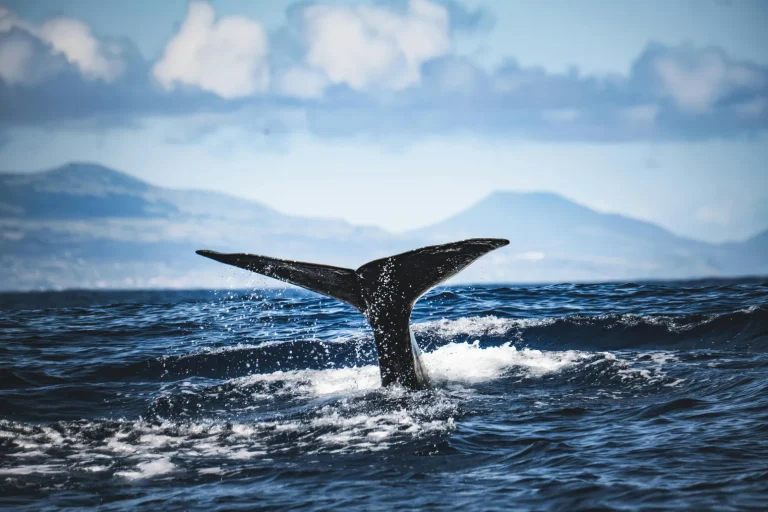
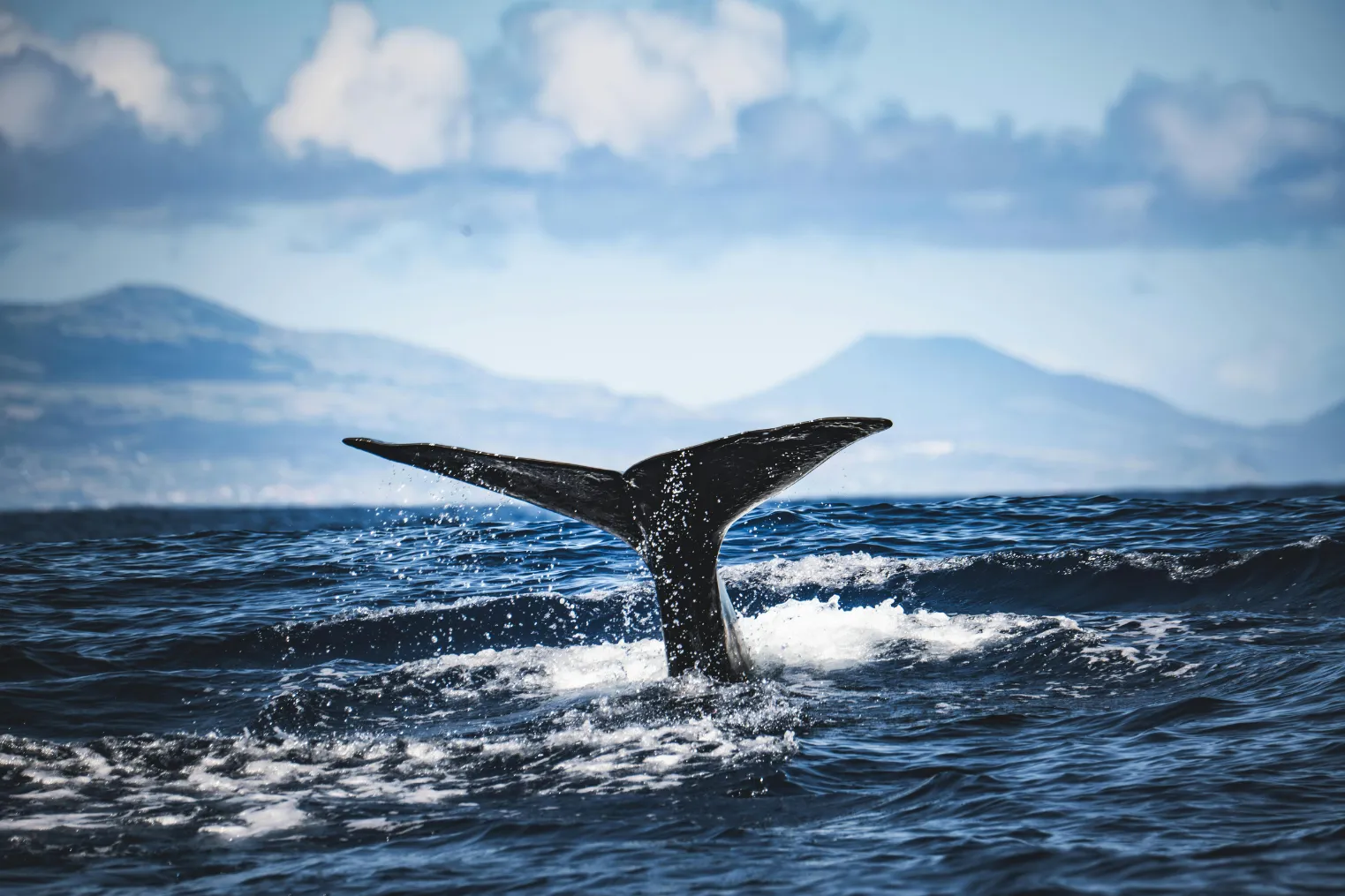
Off Maui, you might watch a humpback lift its tail and hear the boat go quiet as everyone leans in. That moment depends on the Marine Mammal Protection Act, which means your tour can’t crowd whales, cut across their path, or turn the ocean into a chase scene. You get a better trip when the animals keep acting like themselves, and the rules behind that are more interesting than they sound.
Key Takeaways
- The Marine Mammal Protection Act requires whale tours to avoid harassing marine mammals in U.S. waters and by U.S. operators on the high seas.
- Harassment includes injury risks and behavior disruption, such as interrupting feeding, resting, nursing, migrating, or socializing.
- NOAA generally expects vessels to stay at least 100 yards away, slow early, and avoid chasing, circling, or cutting across whales.
- Feeding, touching, baiting, or using drones or noisy maneuvers to provoke reactions is illegal and can increase strike or entanglement risks.
- Violations can bring fines or permit consequences, and unsafe encounters should be reported to NOAA Fisheries at 1-800-853-1964.
How Does the MMPA Affect Whale Watching?
Watching whales feels free and wild, but the Marine Mammal Protection Act sets clear guardrails for every tour. When you go whale watching, your captain can’t chase, crowd, or otherwise cause harassment. NOAA Fisheries expects boats to keep a 100-yard viewing distance from whales and use smart speed and turning rules. Some operators carry an incidental take authorization or follow mitigation measures like no-wake approaches, no feeding, and short visits near animals. In Hawaiʻi, sanctuary outreach also recommends a top transit speed of 15 knots during whale season under Go Slow, Whales Below. On board, naturalists explain the Marine Mammal Protection Act so you understand why engines idle and cameras zoom. If someone gets too close, feeds wildlife, or keeps pursuing whales, report violations to NOAA’s hotline. Fines and permit losses can follow fast after that. Those rules keep the ocean calmer for everyone onboard.
Which Whales and Marine Mammals Are Protected?
Out on the water, the short answer is simple: every whale on a U.S. whale tour is protected.
Under the Marine Mammal Protection Act, all cetaceans in U.S. waters are covered, so the whales you spot, plus dolphins and porpoises, all count.
When viewing whales from shore or a vessel in Hawaiʻi, keep the required 100 yards away from humpback whales.
| Group | Who protects them |
|---|---|
| Whales, dolphins, porpoises | NOAA Fisheries |
| Seals, sea lions | NOAA Fisheries |
| Sea otters, manatees | U.S. Fish and Wildlife Service |
| Walruses, polar bears | U.S. Fish and Wildlife Service |
The law also follows U.S. citizens on the high seas. It limits take, including harassment, unless authorized. Some species also fall under the Endangered Species Act, which can add stricter rules. So if you hear a sharp exhale or see a slick black back roll by, remember: protection travels with the tour.
What Counts as Harassment on Whale Tours?
On a whale tour, you can’t crowd the action, because the MMPA treats harassment as a prohibited take and NOAA generally requires your vessel to stay at least 100 yards from most whales. Boats that ignore 100-yard distance rules can end up far too close to whales during watching tours. You cross the line into Level B harassment when your boat, engine noise, or even a drone disrupts feeding, resting, nursing, migrating, or socializing, and Level A harassment is more serious because it can injure an animal through a strike or dangerously close approach. You also can’t feed, touch, chase, or circle whales, since even a thrilling close look can turn into a bad day on the water for them.
Distance And Vessel Conduct
Even when a whale surfaces close enough to make your whole boat go quiet, the law still expects your captain to keep a respectful distance. On whale watching tours, marine mammal protections matter most when excitement spikes. NOAA Fisheries sets a 100-yard vessel approach limit, so your approach distance shouldn’t shrink just because a fluke flashes like wet black marble.
If a boat circles, chases, speeds up, or throws wake that changes a whale’s path, that’s harassment. The same goes for feeding, touching, or trying to hold one in place. Those moves can count as Level B harassment and bring fines or permit trouble. Some NOAA permits allow narrow exceptions, but only with strict mitigation measures and close monitoring on the water each trip. Good whale watching etiquette also means keeping noise low and letting the animals choose their own direction without pressure.
Still comparing Marine Mammal Protection Act: What It Means For Whale Tours?
Ask for tour ideas, hotel suggestions, or a simple trip plan that combines both.
Trip Helper
Level A And B Harassment
Because the line between a great sighting and a legal problem can be thinner than it looks from the bow, whale tour crews have to know what harassment actually means.
- Level A harassment means your boat or gear could cause injury, including vessel strikes or entanglement.
- Level B harassment covers whale watching moves that disturb animals without injury.
- NOAA watches approach distances, speed, noise, and erratic turns that push whales away.
- Smart mitigation measures include slow speeds, no-approach zones, and steady handling, not cowboy driving.
Federal rules also require species-specific stand-off distances, including a 100-yard vessel distance for humpback whales in Hawaii and Alaska waters.
If you run trips, treat those rules like good seamanship. You get cleaner views, calmer water around the hull, and fewer ugly surprises when NOAA reviews what happened after a close pass on a bright busy summer afternoon there.
Feeding And Behavioral Disruption
Watch a whale pause its hunt or peel away from a bait-rich patch, and you’re no longer just looking at bad tour etiquette. You’re seeing harassment under the MMPA. If your boat crowds a feeding lane, tosses scraps, or keeps circling the same animal, you can trigger a Level B disturbance by disrupting feeding and prey-searching. NOAA treats deliberate handouts and repeated attraction as a feeding prohibition issue too, because habituation can follow fast. Once whales expect people, natural foraging slips, and risks climb from vessel strikes to entanglement. Good whale‑watch crews stick to approach distances, slow speeds, and no-snack rules. Whale watching tour rules also prohibit actions that disturb resting, socializing, or travel behavior, not just feeding. Those simple choices keep blows loud, flukes high, and the trip lawful. Think of it as leaving dinner service to the ocean tonight.
What Does the MMPA Ban on Tours?
When you head out on a whale tour, the MMPA says you can’t harass whales by crowding them, chasing them, or steering in ways that disrupt their path. You also can’t feed them, try to touch them, or bring your boat inside the 100-yard buffer, no matter how tempting that glossy black back looks in the sun. Even the low thrum of a vessel can become a problem if you cause disturbance, and that’s where tours can cross from thrilling to illegal fast. In Hawaii, following safe distances during whale watching helps tours avoid behavior that could be considered harassment under the law.
Prohibited Harassment On Tours
Even on the most exciting whale watch, the Marine Mammal Protection Act sets a firm line: you can’t harass marine mammals. On whale tours, NOAA Fisheries watches for acts that disrupt normal behavior and become Level B harassment.
- You can’t chase whales, box them in, or cut across a travel path.
- You need to respect the vessel approach distance of 100 yards in U.S. waters.
- If an operator has an incidental take authorization, strict monitoring and reporting/enforcement rules still apply.
- If you spot possible harassment, note the boat, place, and time, then call NOAA’s hotline at 800-853-1964.
These rules keep the sea calmer, the animals steadier, and your trip thrilling for the right reasons when spouts flash and flukes lift nearby. Before you go, review the cancellation policy so you know what to expect if weather or conditions affect your whale watching trip.
Feeding And Close Approaches
Although a surfacing whale can make you want to drift closer for a better look, the MMPA draws a clear line: you can’t feed wild marine mammals, and you can’t approach so closely that you disturb what they’re doing.
Under the Marine Mammal Protection Act, feeding any marine mammal on whale tours is illegal because it can trigger harassment, habits, and injury. NOAA Fisheries uses a 100 yard guideline for cetaceans, so close approaches that interrupt feeding, nursing, or migration can count as harassment even without contact. In Hawaii, drone rules for whale watching also matter, because disturbing humpback whales from the air can violate the same protective principles. Even an incidental take authorization doesn’t let you bait animals or crowd them for a selfie. If you spot feeding or close approaches, report it to NOAA Fisheries through the enforcement hotline. Respect gives you view anyway.
Disturbance By Vessels
Distance matters, but so does the way a boat moves around whales. Under the Marine Mammal Protection Act, your vessel-based whale tours can’t cause take through harassment.
- Keep the 100-yard approach distance that NOAA Fisheries expects in U.S. waters.
- Slow down early. Fast runs, sharp turns, and boxed-in whales can trigger behavioral disturbance.
- Leave room to maneuver. If animals surface close by, don’t chase, crowd, or cut across their path.
- Know the exception. NOAA Fisheries may allow limited incidental take with permits, observers, and reports.
For operators planning around Best Time to Book whale watching Oahu trips, peak demand is no excuse for cutting corners on marine mammal protections.
If you ignore these basics, you risk fines, permit trouble, and one very stressed whale. Good captains read the water, hear the blow, and let the show come to them at a respectful distance always.
How Do Whale Tour Operators Stay MMPA-Compliant?
On the water, good whale tour operators stay MMPA-compliant by treating the rules as part of the trip, not a fine-print afterthought.
You’ll notice whale watch operators follow NOAA distance rules by staying 100 yards from whales, easing to no-wake speeds, and never cutting across a surfacing animal’s path. Crews use trained naturalists and sharp lookouts to coach guests, spot blows early, and keep approaches slow, usually 3 to 7 knots. Boat choice matters too, because boat style can affect sightlines, ride comfort, and how operators manage respectful wildlife viewing in Oahu. If a trip or research plan could create limited disturbance, the company follows permit terms or an Incidental Take Authorization, plus monitoring and mitigation measures. Many also join observer programs, adopt best-practice codes, and help NOAA with reporting entanglements or unusual sightings. So you get better views while the boat leaves wildlife unbothered.
Why the MMPA Matters for Whales and Tours
Because whales need room to feed, rest, and raise calves, the Marine Mammal Protection Act matters every time a tour boat leaves the harbor.
- You protect whale watching when you respect NOAA/NMFS approach distance rules. That buffer helps prevent harassment, from a startled dive to possible injury above the engine’s low hum.
- You support population recovery, which keeps blows, flukes, and breaches in view for future trips and coastal jobs on crisp mornings near kelp beds and busy piers.
- You should know an incidental take authorization exists only for limited, regulated cases, with monitoring and mitigation built in so tours don’t turn wild moments into problems.
- You help enforcement when you report unsafe encounters to the enforcement hotline, 1-800-853-1964, if someone crowds a whale.
Like ocean users at lifeguarded beaches, whale tour operators and passengers should always stay aware of changing ocean conditions and obey posted warnings.
Frequently Asked Questions
How Are MMPA Violations Reported by Passengers or Other Boaters?
You report MMPA violations through reporting procedures, anonymous hotlines, witness statements, evidence collection with photo timestamps, incident logging, and operator accountability measures; you’ll support follow up investigations by submitting details promptly to federal officials afterward.
Do MMPA Rules Differ for Private Boats Versus Commercial Whale Tours?
If you’re on a private boat, MMPA speed and distance limits don’t apply, though operator permit and licensing rules still do. On whale tours, follow crew instructions about wildlife approach distances, and stay 100 yards from marine mammals.
Can Drones Be Used Legally During Whale-Watching Trips?
Yes, you can use drones legally during whale-watching trips if you follow drone regulations, safety protocols, operator licensing, flight altitudes, permit requirements, and avoid wildlife disturbance, privacy concerns, and enforcement challenges locally at all times.
Are International Tourists Subject to MMPA Rules on U.S. Tours?
Yes, like guardrails, you’re bound on U.S. tours: tourist liability applies regardless of citizenship exemptions; foreign vessel rules, permit requirements, guided compliance, language barriers, consumer warnings, and insurance coverage can still affect you directly there.
What Penalties Can Operators Face for Repeated MMPA Violations?
You can face civil penalties, criminal charges, permit revocation, injunctive relief, mitigation measures, mandatory training, damage assessments, and repeat offender statutes if you keep violating the MMPA; regulators won’t hesitate to escalate enforcement against you.
Conclusion
When you board a whale tour, you’re not just chasing a splashy sighting. You’re sharing blue water with animals that need room to feed, rest, and nurse. Keep your camera ready, but trust your captain to slow down, steer wide, and stay steady. That careful, quiet approach makes the blows, flukes, and fin slaps feel even better. The MMPA keeps the experience wild, respectful, and worth repeating. It’s smart travel with a salty breeze and a clear conscience.