You scan a calm morning sea, then a humpback blows like a burst of white steam and rockets skyward, all wet muscle and thunder on the way down. You might be watching a signal, a social move, a parasite shake-off, or the setup for a feeding push. Timing and place matter more than luck. Once you know the clues, that empty patch of water starts to look full of plans.
Key Takeaways
- Breaching is when a whale launches most or all of its body from the water, creating a loud splash; half-breaches are smaller, common versions.
- Whales breach to communicate over long distances, shed parasites, coordinate social or feeding behavior, and sometimes display excitement or breeding-related activity.
- Breaching often occurs near surface-packed prey, during bubble-net feeding, or alongside tail and pectoral slaps that help herd fish.
- You’re most likely to see breaches in calm coastal feeding hotspots during spring and summer, especially on quiet mornings around 9 to 10 AM.
- Good places to watch include Stellwagen Bank, the Gulf of Maine, San Juan waters, Monterey Bay, San Francisco’s coast, and Hawaii in winter.
Why Do Humpback Whales Breach?
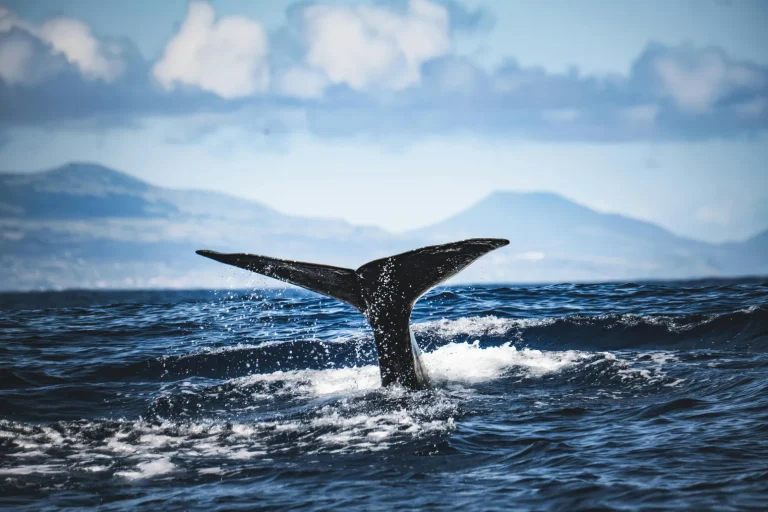
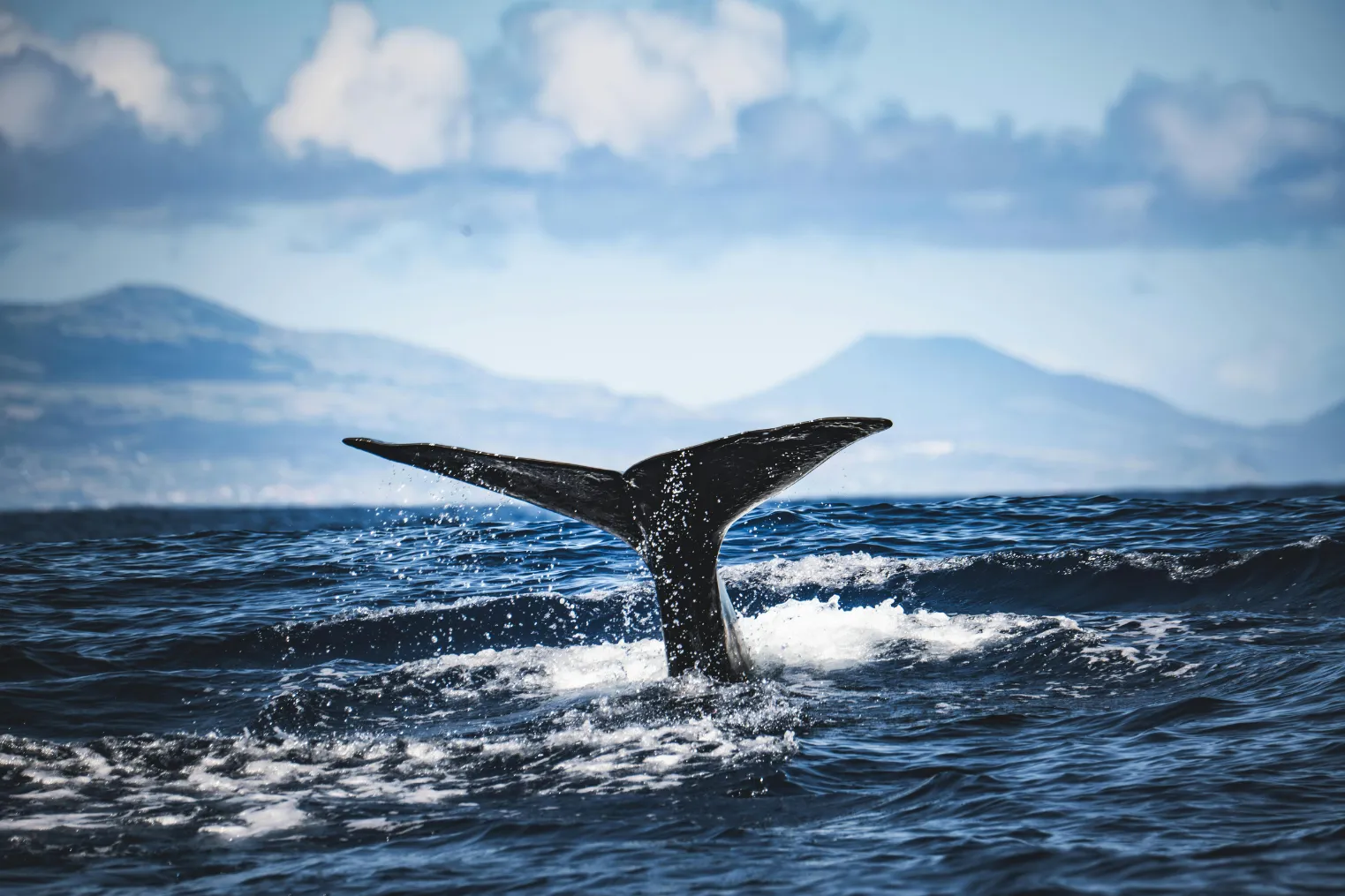
While a humpback’s leap can look like pure showmanship, it usually has a job to do. When you watch Humpback Whales explode from the water, you’re often seeing communication in action. The crash sends a heavy underwater thump for miles, which can help nearby whales find the group when wind or surface noise gets messy. A breach can also work like a giant back scratcher. That hard impact may knock loose barnacles and parasites, which makes the acrobatics seem practical. In social groups, a young Humpback may breach to grab attention or signal it’s ready to join the action. You might also spot breaching around feeding whales, where slaps and sudden leaps help coordinate prey corrals. Tail and pectoral slaps can serve a similar purpose, with whale tail slaps helping send signals through the water or across the surface. It’s not constant, but some days the ocean turns theatrical.
What Does Whale Breaching Mean?
When you hear whale watchers say a whale breached, they mean it launched more than half its body out of the water, whether you catch a full leap or a smaller half breach. You’ll notice the difference in the shape and splash, but both moves can send a booming slap through the water that travels for miles. That big crash may look like pure showmanship, yet you’re likely seeing a message too, a kind of long-range greeting that other whales can’t ignore. Another surface behavior you might hear about is spyhopping, when a whale rises upright to peek above the waves.
Defining A Breach
Picture a whale launching skyward, then crashing back in a blast of white spray. That spectacle is a breach. In plain terms, breaching happens when a whale drives most or all of its body out of the water and lands with a heavy splash. A full breach usually means more than half the body clears the surface. You might hear the smack from far away, and on a calm day you can spot it from a boat or even shore. Because a breach is brief and unpredictable, seeing one feels like catching a headline from the sea. Researchers also watch for visible tails and fluke patterns during some breaches, since those markings can help identify individual whales. Nature’s version of a surprise jump, really. On Oahu whale watches, breaching is one of the most exciting behaviors to spot because it can appear suddenly and vanish just as fast.
Full And Half Breaches
Because not every leap looks the same, whale breaching can mean anything from a partial rise to a full-body launch. When you watch a humpback whale, you’ll usually spot one of these forms:
- A full breach sends more than half the body clear of the sea, then ends with a thunderous splash.
- A half breach lifts only the head, chest, or front section, and it happens more often because it costs less energy.
- Variations include chin-slaps, tail breaches, and pectoral displays, each leaving its own spray pattern.
- In busy feeding areas, you might see repeated leaps, even among 20 to 22 whales, turning the water white with foam.
During December whale watching on Oahu, these dramatic surface behaviors are among the sights visitors hope to catch early in the winter season.
Those details help you read what your eyes just caught out there.
Breaching As Communication
Listen to a breach, and it starts to feel less like a random leap and more like a message. When you watch Whale Breaching in a pod, you often see one whale launch, then another answer. That crashing impact sends a loud underwater boom for miles, so nearby whales can track the group, sync movements, or pay attention. You may also spot breaching paired with tail slapping or flipper slaps, which work like shorter range signals about location, intent, or readiness. When wind chops the surface or boat noise muddies songs, whales seem to lean harder on these splashy displays. Community photo records even link repeated breachers with social moments, like bachelors joining pods. In other words, breaching can sound like whale group chat. In Hawaii, mother and calf humpbacks are especially worth watching, because calves often stay close while adults use visible surface behaviors that can help nearby whales stay aware of the pair.
How Does Breaching Differ From Feeding?
While both can look dramatic from the deck, breaching and feeding are doing very different jobs. When whales breach, you see an explosive leap, a hard splash, and no sign of prey capture. Feeding is purposeful. In feeding grounds, you watch for lunge feeding, bubble rings, open mouths, throat pleats, and water streaming through baleen.
- Breaching is a surface display, not a meal.
- Feeding follows prey, often in steady 4 to 6 minute dive cycles.
- Breaches pop up unpredictably between travel or rest.
- Feeding shows clues you can spot fast: circling, mouth gapes, and fishy chaos.
For anyone recording whale breaches, timing matters because the best moments often come without warning. If you remember one thing, look for food cues. If you don’t see them, you’re probably watching theater, not dinner from a respectful distance offshore.
What Do Tail Slaps and Flipper Slaps Mean?
Crack goes the surface when a whale throws its tail or flipper down hard, and that slap can mean more than one thing. When you hear tail slaps, you’re often hearing a long, low boom meant to carry for miles, like a contact call across the ocean. Flipper slaps usually read as closer-range signals. You might see a whale roll sideways and smack one pectoral fin flat against the water, almost like a hand clap. During feeding, both moves can help herd or stun fish, especially when timed with bubble nets or lunges. In social moments, they can grab attention, coordinate a group, or show status. Repeated slaps in one spot may also help scrape off parasites or barnacles. Even whales appreciate exfoliation. On whale tours, guides also follow the Marine Mammal Protection Act to help keep these natural behaviors undisturbed.
When Are You Most Likely to See Whale Breaching?
Those surface smacks often set the scene, but breaches are the big airborne surprise people wait for. If you want the best odds of whale breaching, time your trip around feeding seasons, especially morning tours. Sightings often spike around 9 to 10 AM, when humpbacks are actively foraging and the light helps you catch the splash. In Hawaii, the best time for whale watching generally falls during the winter humpback season.
For the best shot at a breach, catch humpbacks on calm morning feeding runs, especially around 9 to 10 AM.
- Choose calm seas, since low wind makes breaches easier to spot.
- Watch young whales and lively social groups. They often breach again and again.
- Stay alert during feeding, travel, or quick social bursts. Breaches don’t send invitations.
- Keep binoculars ready and note sightings. Logs and photo-ID help you track patterns.
You’ll still need luck, of course. Whales love a dramatic entrance on their own schedule out there anyway.
Where Does Whale Breaching Happen Most?
You’ll see the most breaching in coastal feeding hotspots, where whales pack into prey-rich places like bays, banks, and island channels to chase anchovy and other bait fish. You’ve also got better odds in calmer sheltered waters, where a sudden splash, a slap on the surface, and that sharp exhale can carry across the bay like nature’s own drumbeat. Along migration routes loaded with food, some spots can turn wild fast, and if you time it right, you might watch breach after breach before your coffee even cools. In Hawaii, winter brings humpback whales close to shore, making tour season one of the best times to spot dramatic breaches.
Coastal Feeding Hotspots
Along the edges of rich coastal feeding grounds, whale breaching happens most often where prey bunches near the surface and turns the water into a buffet. You’ll spot the most dramatic breach activity in coastal feeding hotspots where humpbacks chase sand lance and anchovy, then rocket up beside foamy lunges. In Hawaiʻi, the Hawaiian Islands Humpback Whale National Marine Sanctuary protects important breeding and calving habitat, where humpbacks are more often observed for seasonal behaviors than coastal feeding frenzies.
- Stellwagen Bank and the Gulf of Maine light up in spring and summer.
- San Juan and northwest San Juan Island reward patient scanning.
- Near San Francisco, anchovy schools have fueled more shows since 2016.
- Shelf edges, upwelling zones, and bubble net to capture fish often trigger tail slaps too.
When you watch these places, listen for explosive exhales, watch for whitewater, and keep binoculars ready. Dinner can get loud fast.
Bays And Sheltered Waters
In calm bays and sheltered waters, breaching can feel even more dramatic because humpbacks often feed close to shore where anchovy schools stack up near the surface. When you watch whale breaching in places like San Francisco Bay or Half Moon Bay, you get calmer water, views, and louder splashdowns that seem to crack across the bay. Researchers have tracked humpbacks using these bays since 2016, especially when prey (anchovy) is plentiful. You may spot surface displays between feeding dives, which is why shore surveys and photo-ID often catch familiar whales like Pogo. These nearshore scenes are thrilling, but they’re busy too. More boats mean more risk for surface-active whales, so tools like Whale Safe hydrophones help crews slow down and share the water. It’s nature with traffic, unfortunately. On Oahu, some of the best shore whale viewpoints let people watch for surface activity without adding more boats to already active waters.
Prey-Rich Migration Routes
Calm bays offer great close-up moments, but the busiest breaching action often shows up on prey-rich migration routes where whales find a serious meal.
- You’ll spot whale breaching near San Francisco Bay and Stellwagen Bank when anchovy and other schooling fish pack tight.
- In coastal upwelling zones like Monterey Bay and the Gulf of Maine, a dense school of fish can trigger surface lunges and sudden aerial displays.
- In bubble-net feeding areas off Alaska and Stellwagen, coordinated foraging often adds tail slaps, flipper smacks, and more breaches.
- Time your trip for spring and summer feeding peaks, or autumn stopovers, when prey-rich migration corridors light up and the water seems to boil right beside bait balls and wheeling seabirds that tell you dinner’s definitely served.
- If the action erupts farther offshore along these feeding routes, binoculars for whale watching can help you catch breaches and surface behavior more clearly.
How Can You Spot a Breach Before It Happens?
Often, you can spot a breach a few beats before it happens if you watch for a whale that suddenly gets busy at the surface. Look for quick repeated blows and short pauses between dives. That pattern often means the whale is building speed. You may also see it surge in a straight line, arch its back, and drive the peduncle hard like a spring loading up. Frequent tail slaps, flipper smacks, or rolling in one spot can hint that a launch is coming soon. Scan calm slicks called footprints too. In flatter water, you can track movement better, and one whale’s antics often cue the rest of the pod to join in within minutes. Maybe keep your camera ready, not your sandwich open. For first-time adventurers, watching these surface cues step by step can make breaching easier to anticipate.
How Can Your Whale Sightings Help Research?
Sharing your whale sighting can turn a lucky moment on the water into useful science. When you’re whale watching, send clear fluke shots, exact date, time, GPS, and breach notes to community portals. Those details help researchers use photo-ID to match whales, map movements, and study feeding hotspots tied to anchovy schools. While documenting sightings, maintain 100 yards away from humpback whales, since federal law prohibits approaching closer by boat, kayak, drone, swimming, or other means.
Share fluke shots, time, and GPS, your whale sighting could become a crucial clue in tracking feeding whales.
- Note behaviors like breach counts, tail slaps, bubble-net feeding, and group size.
- Record vessel distance and heading, especially if you spot scars, injuries, or entanglements.
- Share sea state, prey signs, and coordinates to show where whales forage.
- Give consent to use your images and credit the photographer, even under a NOAA permit.
Your careful notes can turn one splashy afternoon into a lasting clue for the whales scientists are still getting to know.
Frequently Asked Questions
Do All Whale Species Breach, or Mainly Humpbacks?
Mainly humpbacks, you’ll see breaching across several whales, but not all species do it often. You can expect big species variation: humpbacks lead breaching frequency, while blue and fin whales breach less because muscle mechanics differ.
Can Calves Learn Breaching by Copying Adult Whales?
Yes, within weeks, you can see humpback calves copying adults, sometimes breaching dozens of times daily. That calf mimicry shows social learning, while repeated practice accelerates motor development and strength they’ll need for feeding and escape.
Does Weather Affect How Often Whales Breach?
Yes, you’ll see weather affect breaching: sea state and wind speed can boost impacts when noise rises, while rough conditions hide displays; atmospheric pressure shifts may also change behavior and your chances of spotting breaches.
Is Whale Breaching Dangerous for Nearby Boats?
Yes, if you’re suddenly close when one erupts beside you, breaching can endanger your boat: impacts rock vessels, trigger boat collisions, increase propeller strike risk, and leave you facing legal liability if you approach carelessly.
Can Drones Safely Film Breaching Whales?
Yes, you can safely film breaching whales if you follow drone regulations, keep your distance, respect privacy concerns, and manage battery safety. You should fly stay high, avoid hovering overhead, and stop if whales react.
Conclusion
On the right morning, you might watch 40 tons of humpback rise almost fully clear of the sea, then crash down in a boom you feel in your ribs. That’s the thrill of breaching: part signal, part social clue, part mystery. Bring binoculars, dress for wind, and scan calm water near feeding grounds or migration stops. If you log what you see, your vacation sighting can help scientists too from the deck beside salty spray.