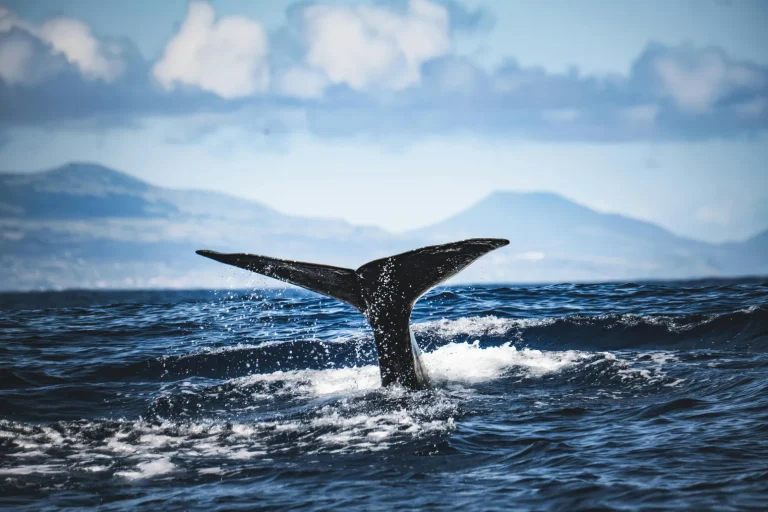
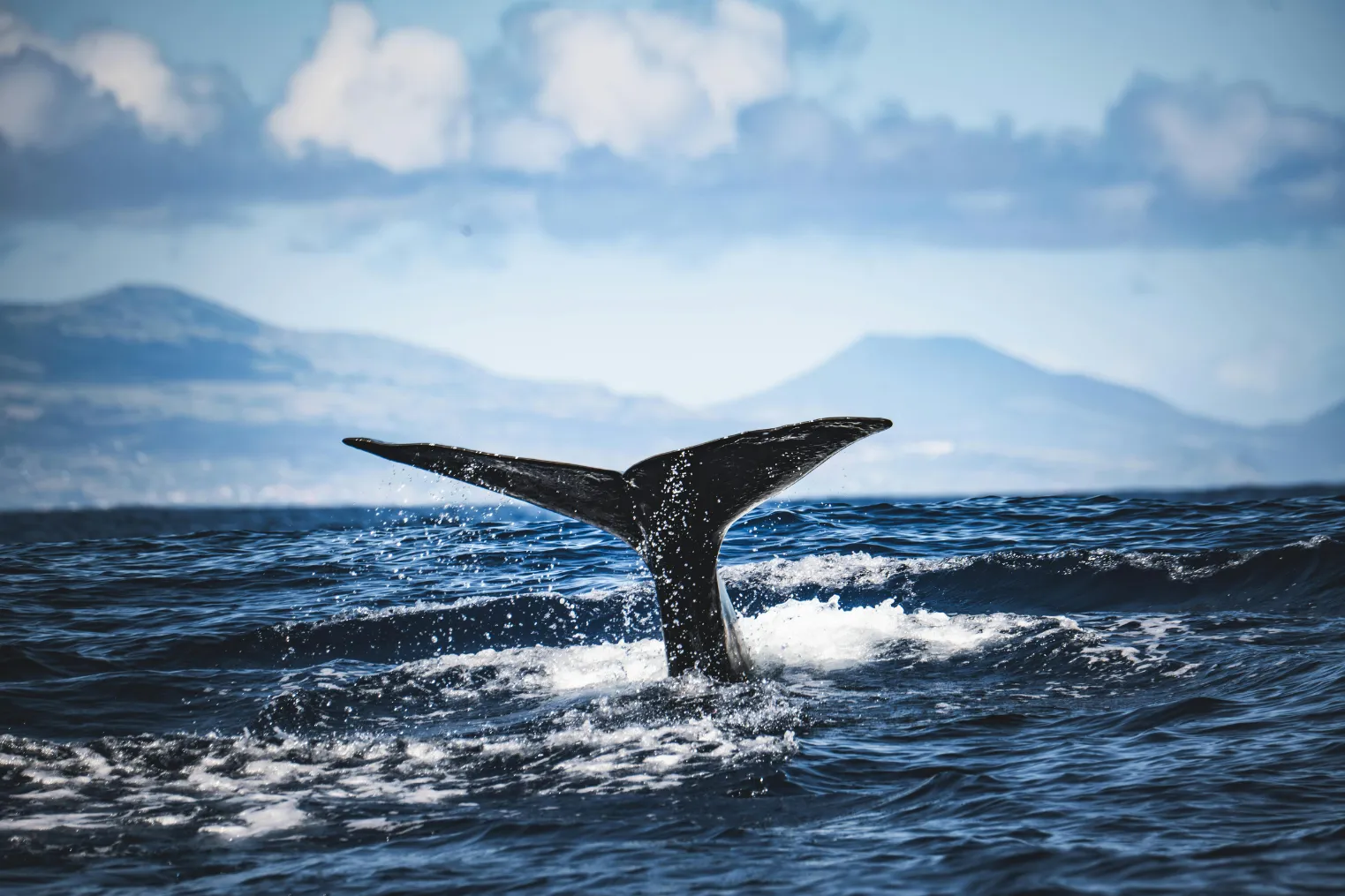
A slap can shout, and a splash can whisper. When you spot a whale lift its tail high and crack the water like a paddle on a dock, you’re likely seeing a tail slap. If the whale rolls sideways and smacks a long fin into the surface, you’re watching a pectoral slap instead. The sound, shape, and timing all matter, and once you know the clues, every tour gets more interesting.
Key Takeaways
- Tail slaps lift the flukes high and smack the surface, creating a loud crack and often repeating in quick sequences.
- Pectoral slaps happen when a whale rolls sideways and swings a long fin down, usually as one or two beats.
- Tail slaps often help with feeding by herding fish, but can also signal aggression, play, defense, or attention.
- Pectoral slaps are more commonly linked to courtship, social communication, and mother-calf learning or play.
- From a boat, match sound and posture: vertical body and flukes mean tail slaps; sideways roll and long fin mean pectoral slaps.
How Tail Slaps Differ From Pectoral Slaps
Watch closely and the difference jumps out fast. You spot Tail slapping when a Humpback Whale lifts its flukes high and smacks the surface, often again and again. The hit comes from heavy pedal fluke action, a vertical body angle, and a loud crack you can almost feel. With pectoral slaps, you see the whale roll near the top and swing its long pectoral fins like giant oars. Those fins can stretch to a third of the body, so the splash looks wider and more side-on. Tail slaps often repeat in tight sequences. Pectoral slaps may appear as single or double beats, especially around the breeding season near the surface waters too. You’ll hear sharper splashes, see cleaner rolls, and notice different body mechanics. Unlike full-body whale breaching, these surface strikes usually keep most of the whale in the water while still creating a strong visual and acoustic signal.
What Tail Slaps Can Mean
Once you can tell a tail slap from a pectoral slap, the next question is more interesting: what is the whale trying to say or do?
When you watch tail slapping, or lobtailing, you should read the scene. A humpback may be foraging, using those explosive fluke smacks to bunch fish into tighter bait balls before a lunge. The sound carries underwater for only a local distance, so communication is likely close-range and tied to context. Repeated strikes can also fit aggressive signaling when rivals crowd in, or they may help with defense, play, or attracting attention. You won’t decode every slap, but if you note calves, competition pods, or feeding birds, the meaning gets clearer than pectoral slapping alone from your boat today. In Hawaiʻi, the sanctuary reminds boaters to keep a 100 yards safe and legal distance from humpback whales while observing these behaviors.
What Pectoral Slaps Can Signal
Often, a pectoral slap feels less like a random splash and more like a message sent in plain sight. When you watch whales throw a huge Pectoral fin, sometimes a tonne of muscle and bone, onto the water, you’re seeing surface communication with real purpose.
In Humpback Whales, pectoral slaps can signal attraction during breeding season. A female may roll sideways and smack one fin or both, creating a sharp report that carries across the water. In a mother-calf pair, you may notice calves practicing again and again as mothers teach control. In social groups, force matters. Soft lifts can say keep space. Harder blows can show rising agitation. Some pectoral slaps also appear during play, teaching, or possible feeding. In Hawaii, spotting mother-calf pairs can help you notice how these repeated slaps may fit into teaching and close social behavior. Yes, whales do make a splashy point clearly.
How to Read Whale Slaps on Tour
From the deck of a tour boat, you can start reading whale slaps the same way you read weather or waves: by pairing sound with posture. On tour, Whale slapping gets easier when you match repeated sharp cracks with what the body is doing nearby.
- Vertical body and flukes high usually mean tail slaps, or lobtailing.
- Sideways roll and one long fin smacking down point to pectoral slaps or pec slapping.
- Near a bait ball, repeated hits often signal feeding, herding, or stunning prey.
- Fewer slaps can hint at social signaling, while both fins showing may suggest courtship.
Listen hard. Tail slaps may repeat dozens of times. Pectoral slaps usually come in shorter sets. Your ears help before your binoculars do on busy days. On whale watching Oahu tours, these sound-and-posture clues are some of the easiest behaviors to spot and enjoy from the boat.
Frequently Asked Questions
Do All Whale Species Perform Tail Slaps and Pectoral Slaps?
No, you’ll find baleen vs odontocete differences; juvenile vs adult patterns; sex based differences; population variation; habitat influence; energy expenditure; and communication function all shape whether whales use tail slaps and pectoral slaps rarely.
Can Whale Slapping Behavior Injure Nearby Boats or People?
Yes, you can face injury risk and boat damage if a whale slaps nearby; respect nearshore hazards, avoid propeller strikes, watch collision dynamics, protect swimmer safety, and know first aid, because boats and swimmers can suffer.
Are Tail Slaps and Pectoral Slaps Seasonal or Year-Round Behaviors?
Like a clock you can trust, you’ll see both year-round, but seasonal migration, breeding cycles, prey availability, water temperature, calving seasons, tourism peaks, and daylight hours change how often nearby whales tail-slap and pec-slap.
How Do Researchers Study and Record Whale Slapping Behavior?
You study whale slapping through acoustic monitoring, drone observation, and tag telemetry; you’ll combine behavioral sampling with video annotation, support ethogram development, and use statistical modeling to link slap rates, posture, context, and sound propagation.
Is It Legal to Approach Slapping Whales for Photography?
No, you can’t approach freely; it’s a legal minefield. You must follow legal guidelines, safety distances, permitting requirements, and drone regulations to avoid wildlife harassment, practice ethical photography, and risk enforcement penalties for violations at sea.
Conclusion
Next time you’re on a whale tour, you won’t just see a splash. You’ll read it. A tail slap cracks like a paddle on wood and often comes fast and repeated. A pectoral slap spreads wide, bright spray and usually lands once or twice. Watch the body angle. Listen for the sound. Note what the group is doing. In a few minutes, the sea turns from mystery to message, and you get front-row seats to the conversation.