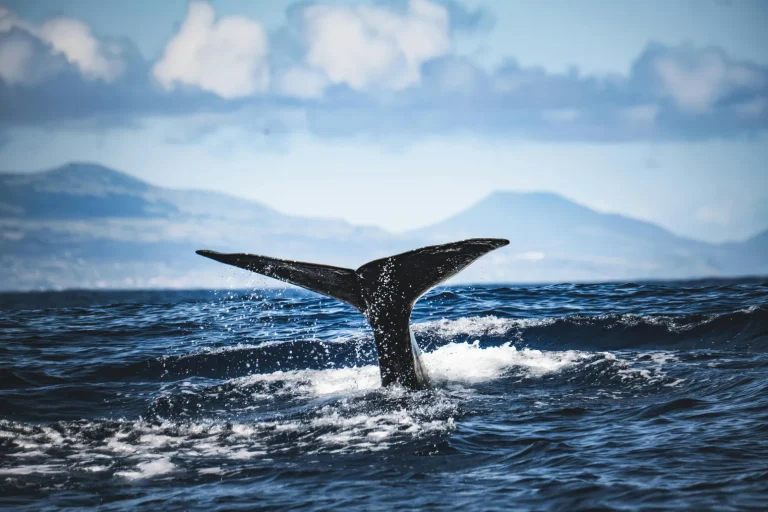
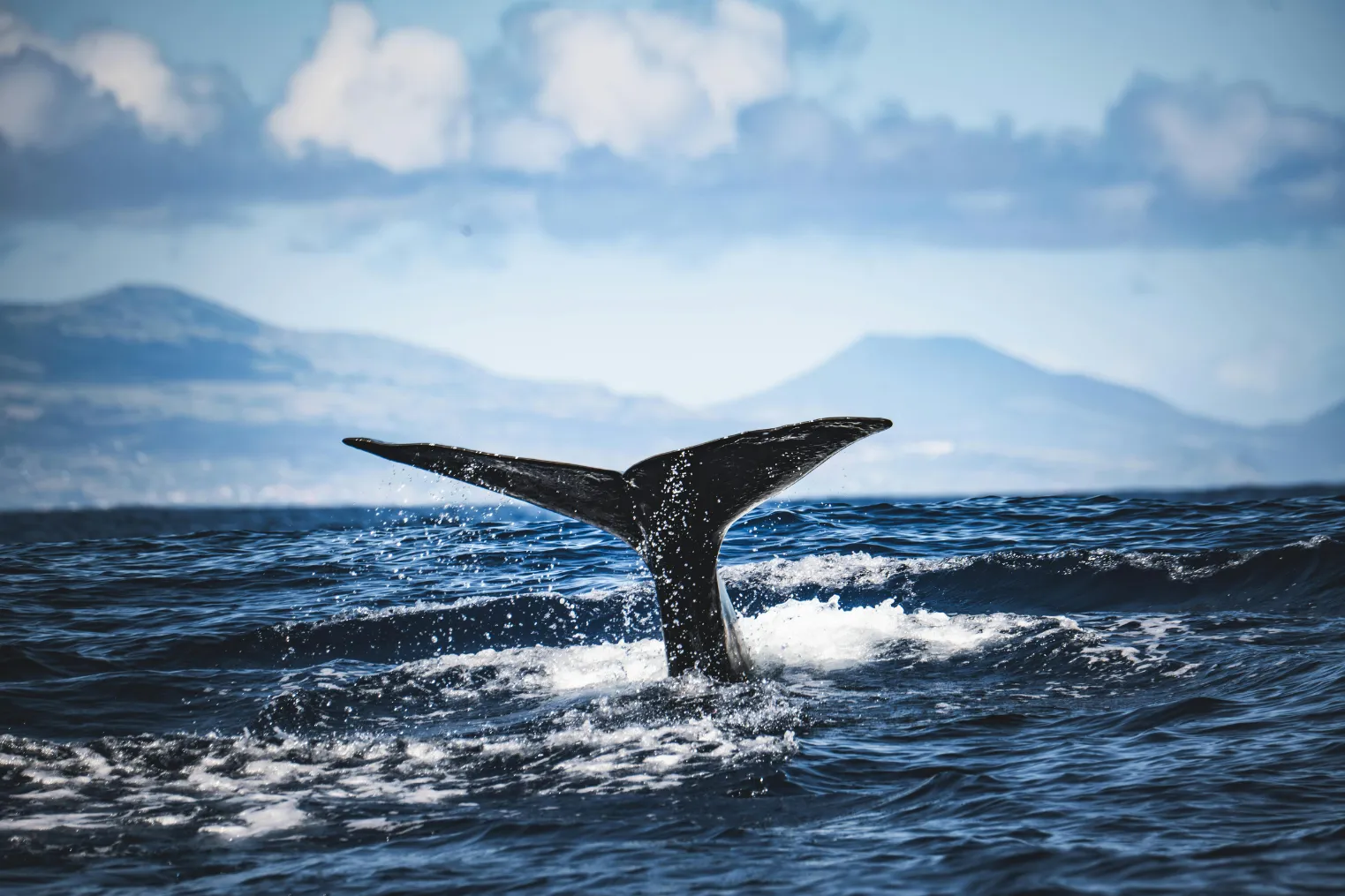
Like a winter stage show with no curtain, Hawai‘i’s humpback season runs from November to May, and on Kaua‘i your best odds come January through March. You’ll hear blows like sharp exhale bursts and maybe catch a breach that looks impossible for something so huge. Choose a morning tour, pack binoculars and reef-safe sunscreen, and keep the NOAA 100-yard rule in mind. The real question is where you should go first.
Key Takeaways
- Humpback season in Hawaii runs November to May, with peak sightings and calving from January to March; February often brings the most dramatic breaches.
- Early morning tours usually offer calmer water, smoother rides, and easier blow spotting than afternoon trips.
- On Kaua‘i, watch from Po‘ipū Beach Park, sheltered bays, or deeper channels; boat tours raise sighting odds and may include hydrophones.
- Bring polarized sunglasses, binoculars, reef-safe sunscreen, a hat, light jacket, water, camera, and motion-sickness remedies for a 2–3 hour tour.
- Stay at least 100 yards away, never chase or block whales, and choose NOAA-compliant operators who keep encounters brief and respectful.
When Is Humpback Whale Season in Hawaii?
Usually, humpback whale season in Hawaii runs from November through May, when these giants leave Alaska’s cold feeding grounds and head south to breed and calve in warm island waters.
You’ll see Humpback whales begin to migrate in late fall, but timing shifts every year. Some arrive in November, and a few linger into April or May. During breeding and calving season, you may spot mothers with newborn calves, about 10 to 15 feet long, cruising beside the boat. Males also fill the water with long, layered songs. On tours with hydrophones, you can sometimes hear those eerie notes below the surface, like underwater jazz. Sightings improve from January to March, though nature doesn’t punch a time clock, so every trip holds mystery. In general, the best time for whale watching in Hawaii falls within the peak winter months when humpback activity is highest.
What Are the Peak Whale Months on Kaua‘i?
If you want your best shot at whales on Kaua‘i, aim for January through March, when the waters hold the highest numbers and the action tends to be strongest. February is often considered best month for whale watching in Hawaiʻi, especially for dramatic breaches. You might hear males singing their long winter songs, then spot a spout, a tail slap, or a quick breach if luck’s on your side. You can still see humpbacks in the early and late season from November through May, but those shoulder months usually feel quieter and a bit less crowded with whales.
Peak Viewing Window
For the best odds on Kaua‘i, aim for January through March, when humpback whale activity peaks and sightings feel almost routine. This peak season sits inside the humpback whale season and brings the busiest breeding and calving action. January is part of peak season in Hawaii, making it an excellent time to plan a whale watching tour. Book an early morning tour for calmer water, cleaner light, and more spouts, tail slaps, and surprise breaches. During January–March, males often sing for hours, and hydrophones can let you hear those eerie, beautiful notes underwater. You’ll want sunscreen, a light layer, and patience, but Kaua‘i rewards you when the sea turns glassy and fins start flashing.
| What to expect | Why it matters |
|---|---|
| January–March | Highest sighting rates |
| Early morning | Calmer seas and clearer views |
| Breeding and calving | More active behavior |
| Hydrophones | You may hear whale song |
Early And Late Season
Kaua‘i’s whale season stretches well beyond the January to March sweet spot, with humpbacks often showing up in November and hanging around into May.
- From November through May, you can spot early arrivals testing Kaua‘i’s waters for breeding and singing.
- During January through March, the peak months, you’ll get your best odds for breaches, tail slaps, and hydrophone-equipped tours.
- In late winter, the ocean feels busier, and songs carry underwater like a distant cello warming up.
- By April and May, sightings thin out, but mother–calf pairs still cruise nearer shore before heading north.
- If you’re visiting other islands too, December whale watching on Oahu can offer an early look at the season and what to expect before peak months arrive.
If your schedule’s flexible, aim for the peak window. If not, shoulder season still rewards you with fewer crowds and surprises. You’ll trade certainty for atmosphere, which isn’t a bad bargain.
Still comparing Humpback Whales In Hawaii: Quick Guide Before Your Tour?
Ask for tour ideas, hotel suggestions, or a simple trip plan that combines both.
Trip Helper
Why Do Humpback Whales Come to Hawaii?
When you see humpbacks in Hawaii, you’re watching a long winter trip with one main goal: breeding and calving. They travel more than 3,000 miles from Alaska to reach warm, sheltered bays where newborn calves can rest, nurse, and grow fast in calmer water. You won’t find them here for big feeding runs, which makes the scene feel even wilder: all that distance for romance, babies, and a safe nursery. On Oahu, the whale watching season is generally best in the winter months, when these humpbacks are most likely to be seen offshore.
Breeding And Calving
Because Hawaii offers warm, sheltered water in winter, North Pacific humpback whales travel more than 3,000 miles from feeding areas like Alaska to breed, give birth, and nurse their young here.
- During the Humpback Whale breeding season (December through April), you may hear males sing for hours, repeating haunting phrases to attract mates.
- Calving peaks in winter, and mothers and calves stay close as newborns learn to surface and breathe.
- A calf starts around 10 to 15 feet long and can nurse high-fat milk while gaining about 100 pounds a day.
- You’ll often spot mothers and calves in protected bays, where young whales can grow strong before the long trip north from your boat each winter morning. It’s a real nursery at sea there.
- On Oahu whale tours, guides often point out whale behaviors like breaching, tail slapping, and close mother-calf swimming.
Warm Sheltered Waters
That nursery feel makes more sense once you look at the water itself. Hawaii gives each Humpback Whale what Alaska can’t: warm waters, shallow bottoms, and sheltered bays where newborn calves can stay close while nursing. You can picture why these giants migrate about 3,000 miles each winter. In cold feeding grounds, babies face tougher seas and more predators. Here, mothers save energy, and calves grow fast, packing on roughly 100 pounds a day. From January through March, you’ll find the busiest scene, with more whales surfacing, blowing, and slipping through calm blue channels. Boaters are also urged to follow Go Slow guidance and keep at least 100 yards from humpback whales during the season. Those long routes aren’t random either. They’re old whale highways, and protections helped keep them busy. So when you watch a tail lift over water, you’re seeing travel, not whim.
Where Are Humpbacks Seen Around Kaua‘i?
Along Kaua‘i’s coast, humpbacks show up in many of the same places you already came to admire the views. During January–March, your odds rise, but humpback whales move through Kaua‘i from November to May, so whale watching can surprise you almost anywhere offshore.
From winter’s peak into spring, humpbacks drift past Kaua‘i’s viewpoints, turning ordinary coastal overlooks into lucky whale-watching stops.
- Scan from Po‘ipū Beach Park for blows, breaches, and fluke-up dives.
- Watch deeper channels and sheltered bays where mothers, calves, and singers gather.
- Join boat tours along shore to hear songs on hydrophones and spot tail slaps.
- Keep every craft, drone, kayak, or swim plan at least 100 yards (91 meters) away.
You’ll often notice the action first as a spout, then a glossy back, then a tail lifting like a slow curtain offshore in morning haze or bright afternoon glare. Shore watchers can improve their odds by choosing elevated shore viewpoints with a wide view of the ocean.
What Are the Best Whale-Watching Spots on Kaua‘i?
Often, the best whale-watching spots on Kaua‘i are the ones that give you a wide sweep of ocean and a reason to linger. Start at Po‘ipū Beach Park, Kekaha Lookout, or Kīkīaola Small Boat Harbor, where binoculars help you catch spouts, flukes, and sudden breaches.
Plan your search for January–March, when Kaua‘i usually has its highest humpback traffic. Scan deeper channels and calm bays for tall blows, tail slaps, or pectoral slaps near nursing areas. If you book whale-watch tours, pick experienced operators that use hydrophones and respect NOAA’s 100‑yard distance rule. Some combined Nāpali Coast or Ni‘ihau outings add extra scenery, too. Keep your camera ready, then be patient. Whales have comic timing, and they love appearing after you glance at your water bottle. On neighboring islands, shore spots with elevated ocean views are also prized for watching humpbacks from land.
Should You Watch From Shore or by Boat?
It really comes down to what kind of whale moment you want.
- Pick shore watching in Hawaii if you want flexible, free Whale Watching. Bring binoculars to high lookouts, settle in, and scan for a Humpback Whale spout or fluke on calm days.
- Choose boat tours if you want better odds. Trips usually run 2–3 hours, can reposition fast, and sometimes use hydrophones so you can hear whale song live.
- Think about comfort. Shore works better for seasick travelers, very young kids, and tighter budgets.
- For active behavior, book the peak season (January–March). For responsible viewing, choose operators that follow NOAA rules, stay 100 yards back, and keep encounters brief. April and May bring fewer crowds, though sightings taper as the migration slows off.
If you decide to go on the water, comparing whale watching tours in Honolulu can help you find the best fit for your budget, comfort level, and viewing goals.
What Can You Expect on a Kaua‘i Whale Watch?
On a Kaua‘i whale watch, you’ll likely head out from a south shore harbor, scan the water from an open deck, and listen through hydrophones for the eerie, beautiful whale songs humming below. You can expect the classic highlights too: tall spouts, smooth fluke-up dives, tail or pectoral slaps, and if luck’s on your side, a full breach that makes everyone on board forget their coffee. Tours peak from January to March, and while your crew keeps a respectful NOAA-approved distance, you may still spot mother-calf pairs cruising through winter and spring. If you’re comparing tour times, morning whale tours often offer calmer ocean conditions and smoother viewing than afternoon trips.
Typical Onboard Experience
Usually, a Kaua‘i whale watch starts with an early harbor departure, a quick safety briefing, and a friendly rundown of whale rules and spotting tips before the boat heads into open water. On Humpback Whale Watching trips, you’ll watch the crew and naturalists scan for spouting while hydrophones let you hear distant songs. Many Honolulu whale watching tours also include similar basics like onboard guidance about what to expect before you head out.
- You’ll cruise 2 to 3 hours with wind, spray, and plenty of deck space.
- You should bring sunglasses, a jacket, and extra camera batteries.
- Operators stay at least 100 yards away and ease off if whales come closer.
- From January to March, you might spot mothers with calves, plus snacks or drinks onboard.
Binoculars help, and the salty air keeps you awake better than coffee, even on calm mornings out there.
Common Whale Behaviors
Scan the horizon and you’ll soon learn that a humpback often announces itself with a blow first, a tall burst of air and mist that hangs above the water for a second before fading.
From there, you might catch a fluke-up dive, when the tail lifts cleanly and the whale drops into a deeper, longer dive. Humpback whales also throw a tail slap or a pectoral slap across the surface, each one sharp enough to make you jump. A full breach is rarer, but January through March gives you your best shot. Breaching is easier to spot in calm seas, and January through March often brings some of the best viewing conditions in Hawaiʻi. You may spot a mother-calf pair cruising by, with a 10 to 15 foot youngster learning the ropes. If your boat uses hydrophones, you might hear whale song rolling up from below.
How Can You Spot Humpback Whales at Sea?
Often, the first clue is a tall, misty blow rising above the water, and you’ll spot it fastest on calm mornings when the sea stays smooth and the horizon looks clean.
Look first for a tall, misty blow, especially on calm mornings when the water lies flat and clear.
- Scan for a spout first, then a fluke-up dive.
- Use binoculars or a telephoto lens to look for dorsal lines and knobby heads.
- During January–March migration season, Humpback whales show up more often, so your odds climb.
- On a boat tour, maintain distance and listen on hydrophones for songs that reveal whales offshore.
You may also catch tail and pectoral slaps, or even a breach, from far away. Watch for the pale underside of long fins. A little patience helps. Whales rarely read your schedule, so keep scanning the same patch of blue water carefully. Around Oahu, calm mornings are often considered one of the best times of day for whale watching because smoother water makes blows and surface activity easier to spot.
What Whale Behaviors Might You See?
You’ll often spot the blow first, a tall puff of mist in the distance, then maybe catch a breach or a sharp tail slap that cracks across the water. You might also see a fluke lift high before the whale slips under for a longer stretch, a classic sign that it’s heading deep below the surface. If you’re lucky, you’ll watch a mother and calf roll close together near the top while a nearby male fills the water with long, repeating song, which is about as unforgettable as Hawaii gets. In Hawaii, mother and calf humpbacks are often recognized by how closely they stay near the surface together.
Blows, Breaches, And Slaps
As your boat drifts over Hawaii’s winter whale grounds, the first clue is usually a blow: a sharp exhale of warm vapor that shoots several feet into the air and hangs there for a beat.
- You’ll often spot blows first, then the dark back of Humpback whales rolling up beside the slick surface.
- During peak season, breaches steal the show. A 40 to 50 foot whale can go breaching clear of the water, then crash down like a dropped sofa.
- Listen for tail slaps. They crack across the bay and throw spray as whales signal or posture.
- Watch the long white pectoralfins sweep and smack the surface. Pectoral slaps look playful, while fluke-up dives usually mean the whale’s changing plans and you keep cameras ready.
These surface displays can serve as behavior signals, helping whales communicate or express agitation as they slap tails and pectoral fins against the water.
Flukes And Deep Dives
When a humpback is about to vanish for a real dive, it usually lifts its fluke high and shows you the whole tail before slipping under. That’s a classic fluke-up dive, and it often means a prolonged descent lasting 10–30+ minutes. Watch the dark tail pattern, the white and black patches, and the serrated edge. Those marks help researchers identify individuals. You might also catch tail slaps or blasts from pectoral fins before or after the descent. Lone adults tend to show repeated flukes more than mother–calf pairs, which usually stay shallower. While the whale is down, you can reposition the boat or listen on a hydrophone and wonder where it will pop up next. In Hawaii, boats should still respect safe distances from whales while waiting for the next surfacing. Spoiler: probably not where you’re already staring right now.
Calves And Whale Song
Keep an eye out for the season’s sweetest sight: a humpback calf pacing its mother just below the surface while male song drifts up from the deep. In Hawaii, Humpback whales with calves often cruise sheltered bays from January through March, so you’ll spot mother–calf pairs more often then.
- Newborn calves start around 10 to 15 feet and can gain 100 pounds a day.
- You might see rolling, surface nursing, or a mother shadowing her calf like a bodyguard.
- During breeding season, males loop haunting whale song for hours, and hydrophones let you hear it live. In Hawaiian waters, whale song is one of the most memorable signs that humpbacks are nearby.
- Nearby adults may tail-slap or pectoral-slap, but you should honor the 100‑yard rule and keep views brief for everyone’s comfort, including the whales nearby.
Can You Hear Whale Songs on Kaua‘i Tours?
Often, yes, you can hear whale songs on Kaua‘i tours, and it’s one of the coolest parts of going out in winter. Many Kaua‘i boat tours lower hydrophones so you can listen to humpback whales live during breeding season. Peak months run January through March, when whale density rises and male singing is strongest. Those whale songs can sound layered and eerie, and a pattern may last 10 to 20 minutes, then repeat for hours. On calm days and quieter vessels, the sound carries better. If whales pass close, you might even feel low vibrations through the hull, which is a bonus. Some tours also pick up calf and mother calls or social sounds, and guides often explain what you’re hearing over onboard speakers. If you want to remember the experience, bring a camera and follow a few whale watching photo tips so you’re ready if a humpback surfaces nearby.
What Should You Bring on a Whale Tour?
Hearing whale songs is unforgettable, but the right gear helps you catch the full show once you’re on deck.
- Pack polarized sunglasses and binoculars to pick out distant blows, flukes, and sudden breaches through glare.
- Bring reef-safe sunscreen, a hat, and a light jacket. Morning sun can burn, while wind and spray feel surprisingly cool.
- Keep a fully charged camera ready with extra batteries or memory. Tail slaps and breaches happen fast, then they’re gone.
- Tuck motion-sickness remedies, a reusable water bottle, snacks, and valuables into a small dry bag. Tours often run two to three hours, and food may be limited. For whale watching in Oahu, these must-have items make it easier to stay comfortable and focused on the experience. That simple kit lets you stay comfortable, keep your balance, and watch the horizon instead of fussing with forgotten stuff all morning long.
How Can You Watch Whales Safely and Legally?
While it’s tempting to edge closer when a humpback lifts a fluke or a calf pops up beside its mother, the safest and legal choice is to give the whales plenty of room. On the water, you should stay at least 100 yards away and honor distance rules at every moment. If a whale surfaces near you, put engine in neutral and let it pass on its own terms. For responsible whale watching, limit viewing time to about 30 minutes per group and follow your captain’s directions on speed and position. Use binoculars or telephoto gear for those glittering tail shots instead of moving closer. Skip swimming or paddling toward whales, even curious calves. Book operators who follow NOAA guidelines and use animal-first practices.
What Is the 100-Yard Rule for Hawaii Whales?
That respectful distance you heard about on tour has a name: Hawaii’s 100-yard rule. Under Federal law, you must stay 100 yards (91 meters) from humpback whales, whether you’re on a boat, kayak, in the water, or flying a drone. It helps avoid disturbance during breeding and calving, when mothers and calves need space.
- Don’t chase, circle, block, or approach head-on.
- If a whale pops up nearby, engines go neutral.
- Watch time near one group is usually capped at 30 minutes.
- Follow crew directions and NOAA guidelines.
These protections come from the Marine Mammal Protection Act and related rules. If you respect the 100-yard rule, you’ll see more natural behavior, from misty blows to tail slaps, without adding stress for these winter visitors there.
How Do You Choose a Responsible Whale Tour?
Start with the operator’s rules, because a responsible whale tour makes its standards easy to find. You want NOAA guidelines in plain view, including the 100‑yard distance, no chasing, and an animal first approach. Favor small‑group tours or a boat with a certified naturalist. You’ll usually get quieter sightings, clearer behavior notes, and fewer elbows at the rail.
| Look for | Why it matters |
|---|---|
| hydrophones | You hear songs without crowding whales |
| 30‑minute viewing limit, conservation engagement | The crew keeps visits brief, teaches well, and shows care |
Also check safety gear, shade, restrooms, and no sighting re ride terms, so your trip feels thoughtful, comfortable, and fair. A stabilized platform helps too, especially if you’re juggling binoculars, sunscreen, and that very dignified seasick face all morning.
How Does Whale Watching Support Hawaii Conservation?
Pick a responsible tour, and your ticket does more than buy a good view off the rail. Whale-watching tours can fund local conservation and community science while teaching you why these waters matter.
- Your fare helps programs like Sanctuary Ocean Count and shared sightings databases track humpbacks each season.
- Eco-minded operators follow NOAA distance rules, giving mothers and calves space and lowering stress during breeding season.
- Some boats drop hydrophones and bring trained naturalists, so you may hear whale song while researchers gain useful clues about migration and calf growth.
- Good guides connect the trip to the Marine Mammal Protection Act, reef-safe habits, and cleaner boating, so your vacation backs smarter policy, less pollution, and safer seas for turtles, reefs, and future whale seasons.
Frequently Asked Questions
Will I Get Seasick on a Whale-Watching Tour?
You might, but you’ll lower motion sickness risk with preventive measures: check boat stability, consider medication options, choose smart seat selection, watch ride duration, and use motion tracking so your body adjusts better aboard today.
Are Whale Tours Suitable for Young Children?
Yes, 80% of families report positive trips. You should check child safety, age limits, life jackets, children’s seating, educational activities, family discounts, and baby essentials before booking, so you’ll choose confidently for young children today.
What Happens if Bad Weather Cancels the Tour?
If bad weather cancels your tour, you’ll usually get a refund policy review, rescheduling options, or ticket transfers. Operators follow safety protocols, rely on weather monitoring and captain decisions, and may suggest alternate activities instead.
Can I Take Photos With My Phone or Camera?
Yes, you can, because whales obviously pose for selfies; follow camera etiquette, respect zoom limits, use lighting tips and stabilization gear, check drone restrictions and photo permits, and avoid privacy concerns when you shoot from boats.
Are Kaua‘I Whale-Watching Boats Wheelchair Accessible?
Yes, you’ll find some Kaua‘i tours offer wheelchair access, boat modifications, accessible boarding, restroom accessibility, seating accommodations, service animal policy details, and accessible parking, but you should call ahead to confirm your specific needs today.
Conclusion
You’ve got the timing, the rules, and the gear. Now all that’s left is stepping onto the boat, scanning Kaua‘i’s blue horizon, and listening for a breath that sounds like a soft burst from a giant bellows. Go early, pack the dry bag, and keep your distance. If luck lines up, a tail may rise like a dark sail, and your tour turns from sightseeing into something quieter, wilder, and hard to forget out there.