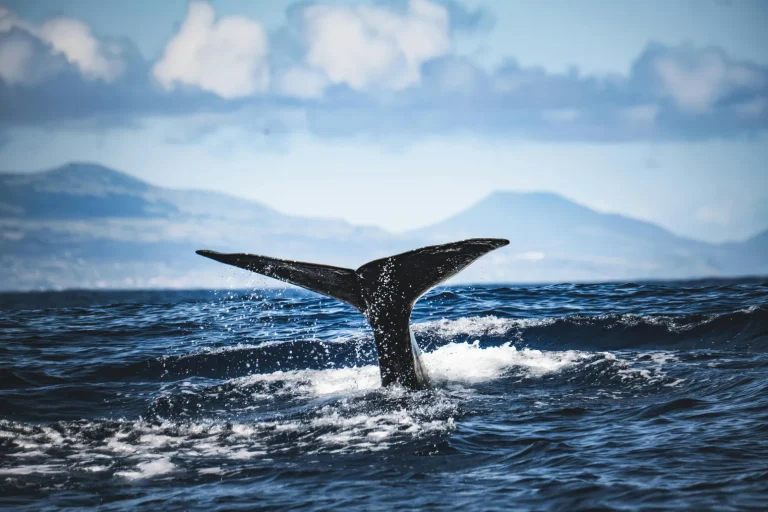
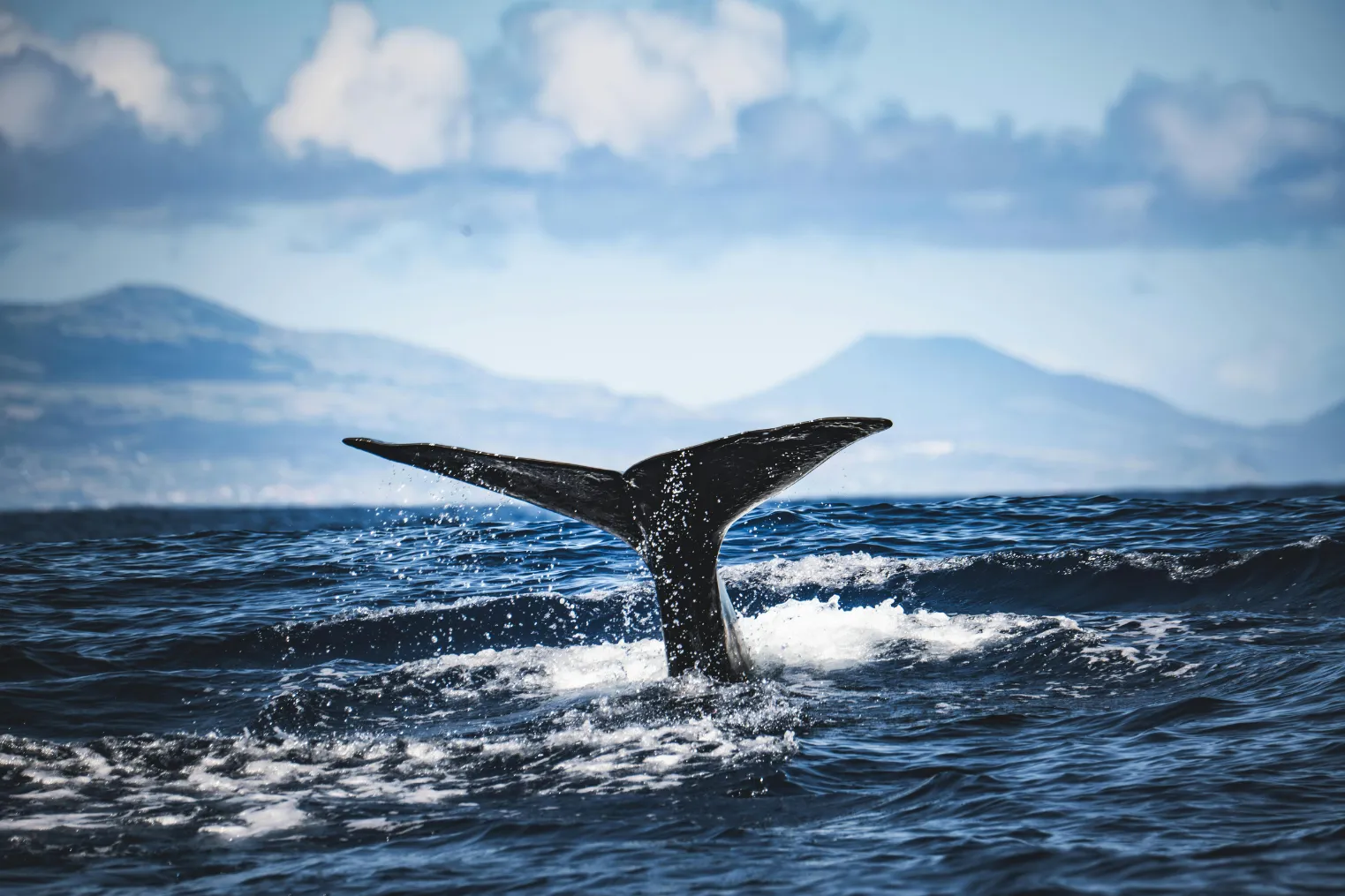
On an Oahu whale watch, you’ll scan for the first sharp blow, then catch the real show: a breach that sends spray flying, a tail slap that cracks across the water, or a curious spyhop that looks almost nosy. You might spot a mother and calf rolling close together while a guide listens for songs below deck. Even the quiet moments mean something, and once you know the signs, the whole ocean starts to feel like a conversation.
Key Takeaways
- Look for full breaches, where humpbacks launch clear of the water; these dramatic displays may signal competition, communication, or parasite removal.
- Listen for tail slaps and pectoral-fin slaps, which humpbacks use for attention, courtship, dominance, or mother-calf communication.
- Watch for spyhopping, when a whale rises vertically with its head above water to visually inspect boats, landmarks, or nearby activity.
- Mother-calf pairs often travel close together, surface in sync, and move slowly, with gentle rolling or side-tucked positions during nursing.
- Scan for tall double V-shaped blows, especially on calm mornings or in backlit light, since visible blows often reveal nearby whales first.
What Can You See on an Oahu Whale Watch?
On an Oahu whale watch, you can see a surprising range of humpback behavior, and some of it is flat-out spectacular. You might catch a full breach, when a whale rockets its massive body clear of the water and crashes back in spray. You may also spot tail slaps, which crack across the surface like a paddle on a pool. Watch for a pectoralf in slap too. Those long white fins flash, smack, and throw glittering water beside the boat. If you’re lucky, you’ll witness spyhopping, with a curious head rising straight up like a periscope. This behavior, called spyhopping, happens when whales lift their heads above the waves to take a better look at the world around them. Ask whether the crew drops a hydrophone. Then you can hear the eerie song of a male humpback, turning the ocean into a concert hall with no walls.
When Is Oahu Whale Watching Best?
If you want the best odds of a wow moment, plan your Oahu whale watch between January and March, when humpbacks crowd Hawaiian nursery waters to breed and nurse their calves.
That’s the best time to see action during Oahu Whale Watching, even though whale season stretches from December into April and May. February is often considered the best month for Oahu whale watching because breaches and other dramatic surface behaviors peak then. February often brings the highest concentration, so your tour may feel like nature timed the show for you. Book an early morning trip if you want calmer seas and better sighting odds. Choose late afternoon if light matters more for photos. As humpback whales migrate through waters, sightings still aren’t guaranteed, so check whether your operator offers a return trip. You can scan Makapuʻu or Halona from shore, but boats usually win often.
Why Humpbacks Come to Oahu Each Winter
Each winter, you’re watching humpbacks complete an epic 3,000-mile trip from Alaska to Oahu so they can breed, give birth, and raise calves in calmer seas. You’ll often spot males arriving first, then putting on a noisy show with breaches and slaps as they compete for mates. In these warm, shallow waters, mothers can nurse newborns safely while the adults fast, which makes Oahu an essential nursery instead of a feeding stop. One of the most special sights is a mother and calf pair staying close together as the newborn learns to surface, breathe, and travel beside its mom.
Breeding And Calving
Returning to Hawaii is the whole point of winter for North Pacific humpbacks. On an Oahu cruise, you’re watching humpback whales complete a 3,000 mile migration for breeding season, calving, and nursing. Males often arrive first, then throw breaches, tail slaps, and pectoral fin slaps like noisy auditions.
- You may spot a mother and calf traveling close together.
- You might see brief nursing pauses at the surface.
- February usually brings peak calving activity.
- January through March gives you the best odds.
December marks the beginning of whale watching season on Oahu, so early arrivals may already be displaying active surface behaviors. Mothers fast here, so every quiet minute matters. A newborn can drink about 100 gallons of rich milk a day to build blubber fast. Keep your distance, because respectful viewing protects these intimate moments. You’ll hear exhalations whoosh like steam when seas calm.
Still comparing What You’ll See Whale Watching Oahu: Behaviors To Look For?
Ask for tour ideas, hotel suggestions, or a simple trip plan that combines both.
Trip Helper
Warm Nursery Waters
That breeding drama plays out here for a reason. In Hawaiian waters, you’re watching humpbacks choose a warm nursery that gives newborn calves a real advantage. Oahu’s seas stay around 77°F, and those protected waters help little bodies hold heat while blubber builds fast. You’ll often see mothers moving slowly beside calves, surfacing in sync, resting, and nursing through the day. A calf can drink huge amounts of mother’s milk, which turns this calm season into a serious growth sprint. Adults mostly skip feeding here, so their energy goes into courtship, social scenes, and nursing instead. From January through March, you get front row views of maternal behavior, tiny flukes, and the occasional wobbly breath that says every whale starts somewhere on calm mornings. For many visitors, whale watching in Oahu feels especially worthwhile because these winter nursery behaviors are some of the most memorable sights you can witness from shore or sea.
Alaska To Oahu Migration
When winter closes in on Alaska, humpbacks head south on a 3,000-mile swim to Oahu, where warm, protected water gives them what cold feeding grounds can’t.
Here’s why that migration matters when you’re scanning Hawaiian waters:
- Mating season brings males first, and you may spot breaching or hear loud tail-slaps.
- Birth and nursing happen here, where mothers can rest and calves stay safe.
- Fast and fuel define winter, since adults leave the Alaska feeding grounds and eat little.
- Calf survival depends on rich milk. Newborn calves can drink about 100 gallons a day and pack on blubber.
From December through April, thousands of humpback whales turn Oahu into a busy nursery with a serious splash budget during peak months from January through March too. Whale watching season on Oahu is at its best during these winter months, when sightings are most common.
Whale Blows: The First Sign to Watch For
Often, the first clue that a humpback is nearby isn’t a splash but a blow, a tall burst of warm, misty air that can rise 10 to 15 feet above the water. You’ll scan the horizon for a whale blow, then watch for the humpback’s V-shaped double blow from its blowhole a few seconds later. Spotting blows gets easier in backlit spray at sunrise or late afternoon. During Hawaii tours, guides often point out that calm morning conditions can make these blows even easier to spot from farther away.
| What you notice | What it tells you |
|---|---|
| Single mist puff | Whale surfaced |
| Double blow | Humpback nearby |
| Backlit spray | Easier viewing |
| 3–10 minute breathing intervals | Resting or active |
When crews track repeated breathing intervals, you can gauge group size. Once a blow appears, captains slow, then go neutral for quieter, safer viewing and everybody stops playing detective.
Why Humpbacks Breach on Oahu Tours
Then out of nowhere, a humpback may rocket up and crash back down in a breach that sends white water flying and everyone on deck reaching for the rail.
On Oahu tours, breaching by humpback whales usually points to one of four things:
- long-distance signaling in busy nursery waters
- competitive behavior during breeding season
- scraping off parasites or barnacles
- a burst of social energy you can hear in the splash
Because these whales are fasting while breeding and nursing, breaches are rare, costly surface displays. That’s why one feels electric. You’re watching an animal spend precious energy for a reason. Peak season brings more action, especially from males, so keep your eyes out and stay beyond the 100-yard buffer with a naturalist aboard nearby. You may also spot tail slaps and pectoral slaps, which are other humpback surface behaviors used for communication and social signaling.
Why Whales Slap Their Tails and Fins
When you hear a humpback crack its tail across the surface, you’re watching a tail slap that can warn nearby whales or stake out space in the lineup. If you see those giant pectoral fins smack the water again and again, you’re likely catching a loud social signal used in courtship, competition, or simple whale-to-whale chatter. From a respectful 100 yards away, you can watch the splashes, listen for the sharp report, and start to read whether the mood feels territorial, curious, or quietly protective. You may also catch a dramatic whale breaching display, which is most often seen during humpback season when whales are actively socializing and communicating.
Tail Slap Meanings
If you hear a sharp crack roll across the water, a humpback may have just thrown its tail high and slammed it flat on the surface. That tail slap, also called lobtailing, isn’t random. You’re often watching communication in action, especially in Hawaii’s nursery waters.
- A few hard tail slaps can warn nearby whales or grab attention.
- During early season competition, males may use them to assert dominance.
- Near a mother and calf, repeated slaps can signal social tension, so you should keep a respectful distance.
- Guides scan for tail slaps, and even a flashing pectoral fin, because busy surface action often means more whales close by.
It’s loud, visible, and energy-heavy, so when you spot it, something’s usually happening right around you there. Whale watching crews also follow safe viewing distances so they can observe dramatic behavior like tail slaps without getting too close.
Pectoral Fin Signals
Watch for the long white wing of a humpback to rise, pause, and smack the surface with a crack that feels bigger than one fin should make.
Those pectoral fin slaps happen when the whale rolls and swings one of its humpback pectoral fins, sometimes 15 feet long, into the water. You’ll hear pectoral slapping as a sharp rhythmic report, less boom than a tail hit, but perfect for social signaling and close-range whale behavior. In peak winter, you might see males use them during courtship or arguments. A mother may switch to maternal pectoral touches to guide a calf. From 100 yards away, let your naturalist read the mood: playful, curious, annoyed, or saying, “Back off, buddy” near boats or other whales nearby. In Hawaii, boats should maintain a 100-yard distance from humpback whales while you watch these signals unfold.
What Spyhopping Means
Often, the most memorable whale moment in Oahu isn’t a huge breach but a quiet spyhop, where a humpback rises straight up and lifts its head above the surface like a living periscope.
You’re watching spyhopping, a look-around move powered by curiosity. In Oahu’s nursery waters, a mother or calf may do it too. From your seat, notice:
- the eyes clearing the water
- a still, almost silent pause
- attention toward boats or landmarks
- a slow sink below the chop
Spyhops can last seconds or more than a minute, which makes them feel personal instead of flashy. Because the whale is visually scanning, you’ll want quiet engines, soft voices, and respectful distance to support mindful whale watching. It’s less splashy than a breach, but somehow harder to forget in person.
Mothers and Calves on Oahu Whale Watches
From January to March, you’ll often find mothers and newborn calves in Oahu’s warm 77°F nursery waters, where the little ones stay in shallow protected areas and pack on blubber with milk-rich meals. As you watch, you’re more likely to notice gentle rolling, nursing, and slow steady swimming than big splashy breaches, because moms keep things calm to protect a calf with very little body fat. You’ll also need to give them space by staying at least 100 yards away, since even one close pass can split a pair up and send them burning energy they can’t spare. On many Oahu whale watching tours, guides help you spot these quieter mother-calf behaviors and explain why they’re so important to the whales’ survival.
Nursery Waters And Protection
Because Oahu’s winter waters stay warm and shallow at about 77°F, they serve as a nursery where newborn humpback calves can rest and grow before they’re ready for the long trip back to Alaska.
From your boat, you may notice:
- mother–calf pairs surfacing slowly together
- a calf tucked close in protected nursery shallows
- brief nursing pauses near the mother’s side
- naturalists explaining how regulations keep boats 100 yards away
These nursery waters feel calm for a reason. They shelter calves with little blubber and make January through March a prime time to watch gentle contact, easy breathing, and quiet rest. You’ll often hear a hush on deck when a tiny companion shadows Mom like a determined swimmer beside her in the blue morning light. Sanctuary guidance also reminds boaters to maintain the legal 100 yards from humpback whales to help protect mothers and calves in these nursery areas.
Calf Nursing And Growth
That calm nursery scene also hides a demanding routine: feeding a calf that seems to grow by the day. In Oahu’s protected areas, you may spot a calf tucked beside its mother for brief nursing. It drinks rich milk, sometimes up to 100 gallons a day, and turns that fuel into blubber for Alaska. Because the mother fasts here, your captain should keep a respectful 100 yards away. These viewing rules reflect the Marine Mammal Protection Act, which helps guide whale tours toward safer, less disruptive encounters.
| Sign | What you notice | Why it matters |
|---|---|---|
| Pair spacing | Calf stays close | Nursing access |
| Belly position | Side tuck | Milk transfer |
| Slow pace | Quiet travel | Energy saved |
| Fuller shape | Rounder calf | More blubber |
Week by week, you can often see the youngster look sturdier and stronger, a soft-bodied swimmer turning into a compact traveler with more confidence.
Mother Calf Surface Behaviors
Often, the next clue to a mother and calf’s bond happens right at the surface, where you can watch their quiet teamwork unfold.
- In Oahu’s warm nursery waters, calves stay tight beside mom, especially from December through April.
- You may spot nursing pauses at the surface, where a mother calf pair rests and refuels.
- Watch for gentle pectoral-fin slaps and slow rolling. These soft signals shape mother–calf interactions and settle lively calves.
- Notice how mothers move slowly, predictably, and sometimes place themselves between calves and boats, which is your reminder to respect the 100-yard rule.
On guided trips, crew narration and hydrophones add the soundtrack, revealing low calls and bonding you might otherwise miss. February often brings peak sightings as newborns build blubber fast. Remember that federal law prohibits approaching humpback whales within 100 yards by boat, kayak, drone, swimming, or other means.
Whale Songs You May Hear on Tour
Sometimes the biggest surprise on an Oahu whale watch isn’t what you see, but what you hear through the hydrophone. With hydrophones, you may catch humpback whale songs rising as low moans, pulses, and repeating phrases. These male songs can run 10 to 30 minutes, then loop for hours as mating communication and social signaling. In Hawaiian waters, whale song is one of the most fascinating mysteries because scientists are still learning why these complex patterns change over time. If you sail on a calm early morning, reception is often clearest, especially when whales linger near the surface. You might notice seasonal variation too. Sounds recorded from January through March can differ from those heard earlier or later. Mothers and calves use shorter calls instead. Those calf vocalizations are simpler and more responsive, while the big, structured concert usually belongs to a nearby male showing off a little.
Other Marine Life You Might See
Keep your eyes peeled between whale sightings, because Oahu’s waters rarely put on just one show. You might spot other Hawaiian marine life that steals a scene too:
Between whale sightings, Oahu’s waters keep the spotlight busy with marine life surprises in every direction.
- Spinner dolphins zip through bow waves, showing slender bodies and flashy spins near the surface.
- Bottlenose dolphins cruise in small pods and sometimes escort your boat for a few playful moments.
- Sea turtles called honu rise to breathe near reefs, while Hawaiian monk seals may surface unexpectedly like sleepy VIPs.
- Reef manta rays and other large rays can glide below snorkelers, their wide wings seeming to fly underwater.
Whale watching and dolphin cruises in Oahu can make these surprise sightings feel like part of the full experience. You’ll often notice smooth backs, quick splashes, and sudden shadows. That mix keeps every trip curious, lively, and full of Hawaiian surprises from first glance to horizon scan.
How to Watch Oahu Whales Responsibly
While a humpback breach can make you want to rush closer, the best whale watching on Oahu starts with giving these giants room. Stay at least 100 yards from humpback whales, because crowding can interrupt nursing, rest, or courtship and break the law. If one glides toward your boat, put the engines in neutral and wait. Don’t chase, circle, or herd it for a better shot. Book an eco-smart watching tour with trained naturalists who use hydrophones and explain behavior responsibly. Keep voices low, use binoculars or a telephoto lens, skip flash, and let the moment beat your camera-roll memory. From shore, try Makapuʻu, Halona, or Lānai Lookout at sunrise, with calmer seas and safer views for everyone involved, including calves, crews, and you. Responsible operators also follow whale watching tour rules that limit speed and avoid cutting across a whale’s path.
Frequently Asked Questions
How Long Do Oahu Whale-Watching Tours Usually Last?
You’ll usually spend 2–3 hours on Oahu whale-watching tours, though tour durations shift with seasonal variations, private charters, weather impacts, overnight trips, and arrival times, so you’ll want to confirm details before booking your outing.
Are Morning or Afternoon Whale Watches Better for Photography?
Choose mornings for reliability, even if you love sunset drama: you’ll get steadier seas, cleaner light direction, fewer wave reflections, easier background composition, better crowd positions, and less dependence on stability equipment than golden hour.
What Should I Bring on an Oahu Whale-Watching Tour?
You’ll want sunscreen essentials, a waterproof jacket, smart binocular selection, extra camera batteries, sea sickness remedies, and a light backpack. Bring water, snacks, a hat, and sunglasses, so you’ll stay comfortable, steady, and ready aboard.
Can Children and Seniors Comfortably Join Whale-Watching Tours?
Yes, you can bring children and seniors comfortably because tours support age accessibility, seating comfort, motion sickness needs, restroom access, a clear safety briefing, and program inclusivity, especially on calmer early departures with stable boats aboard.
What Happens if No Whales Are Seen During the Tour?
If you don’t see whales, you’ll usually get refund policies explained, reschedule options, or future vouchers. Crews keep searching for close by sightings, offer onboard activities, and may suggest boat alternatives for another day soon.
Conclusion
Out on Oahu’s winter water, you never know what the next swell will reveal. You’ll scan for a misty blow, then catch the dark curve of a back. Maybe a calf rolls beside its mother. Maybe a tail slaps once and the whole boat goes quiet. Then, just when you think the sea has settled, a humpback might rise straight into the sky. Keep your camera ready. The best moment usually comes one breath later.