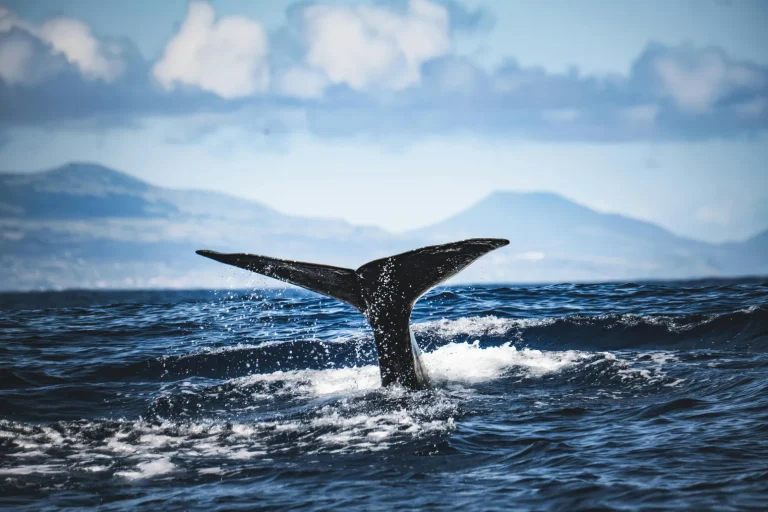
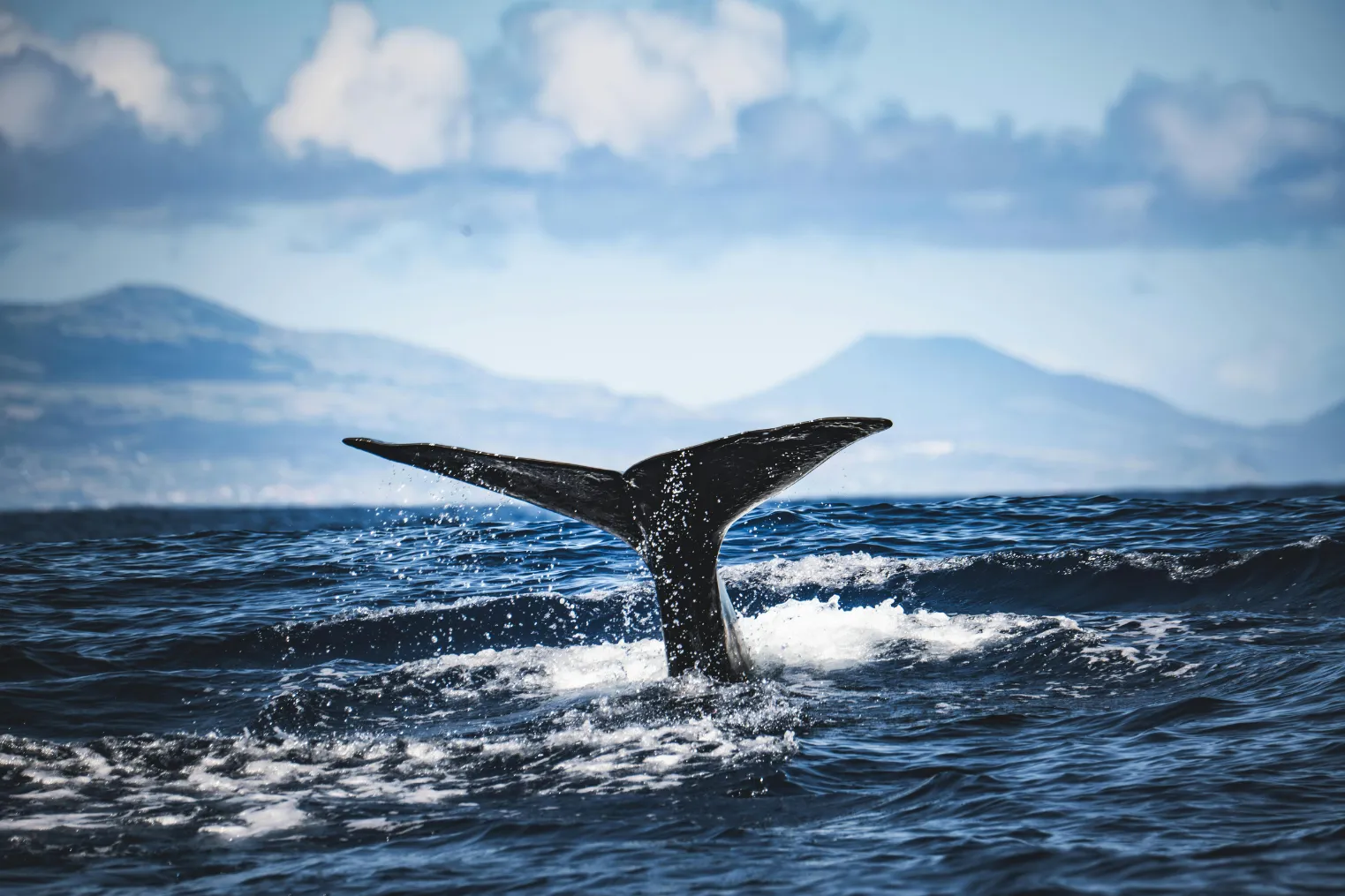
Salt spray taps your face as a dark back rolls through the chop, and you realize you won’t get as close as the movies make it seem. On most whale-watching trips, you can expect boats to stay about 100 yards away, which still feels thrilling when you hear the blow and see the tail lift. But that distance changes fast with species, location, and even drones overhead, and that’s where things get interesting.
Key Takeaways
- Most whale-watching boats stay at least 100 yards away from large whales, which is a common U.S. viewing guideline and legal rule in many areas.
- Some whales need more space: North Atlantic right whales require 500 yards, and killer whales in Washington inland waters require 200 yards.
- Boats should approach slowly from behind or slightly parallel, never cut across a whale’s path or position ahead within 400 yards.
- If whales surface nearby, operators should slow to no-wake speed, shift to neutral, and let the whales move away on their own.
- Trips are often limited to about 30 minutes per whale group, and boats must leave sooner if whales show stress or disturbance.
How Close Do Whale Watching Boats Get?
From the deck, whales can look surprisingly close even when the boat keeps a solid buffer. That illusion is part sea scale, part excitement, and part guiding. On responsible trips, commercial whale-watching vessels don’t rush straight in. You usually see the captain angle slightly parallel or ease in from behind at slow, no-wake speed. They won’t chase, box in, or leapfrog animals for a better photo. If a boat drifts into a protected zone by mistake, it should back off slowly right away. Crews also keep viewing time short, often around 30 minutes per whale or group. The Marine Mammal Protection Act helps shape these tour practices by requiring operators to avoid harassing or disturbing whales during viewing. Watch for disturbance signs like abrupt turns, long dives, tail slaps, or a mother shielding her calf. When those appear, the recommended distance grows, and engines soften.
The General 100-Yard Rule for Whales
You’ll usually hear about the 100-yard rule because that football-field gap helps you watch a whale without crowding its space or adding extra stress. In Hawaii, 100-yard rule guidance generally applies to whales, though some wildlife viewing laws set different minimum distances for other marine animals. From there, you need to keep your boat steady at no-wake speed, skip sharp turns, and give the animal room if it surfaces closer than expected. It sounds simple, but some species and places require even bigger buffers, so you’ll want to know when the basic rule changes.
Why 100 Yards Matters
Because whales can look surprisingly calm even when they’re stressed, the 100-yard rule matters more than many first-time passengers expect. That safe distance, about a football field, gives Marine Life room to feed, rest, nurse calves, and surface without extra pressure from engines and wakes. If you drift closer, you may see stress signals instead of a postcard moment: sudden turns, longer dives, tail slaps, or a mother shielding her calf. The rule also lowers the risk of vessel strikes, which is reason enough. For humpback whales in Hawaii and Alaska, 100 yards isn’t just smart etiquette. It’s the law. In Hawaiʻi, sanctuary outreach also recommends a 15-knot speed during whale season to further reduce collision risk while boats are transiting nearby waters. Many tours also limit viewing time to around 30 minutes, so whales don’t face a floating traffic jam. You get a encounter when the animals stay relaxed and natural.
Safe Boat Positioning
That 100-yard buffer only works if the boat sits in the right place. You should hold your vessel slightly parallel to a whale or quietly behind its line of travel, never across it. Don’t chase, encircle, leapfrog, or trap the animal. Let the ocean feel open. If a whale surfaces nearby, ease to no-wake speed, shift to neutral, and let the moment come to you instead of creeping closer. Keep each viewing session short, about 30 minutes or less, and watch for stress signals like sudden turns, long dives, tail slaps, or a mother shielding her calf. If you spot them, back off. The same calm positioning mindset helps around killer whales, spinner dolphins, and sea turtles too. It keeps everyone safer aboard, too. Remember that some species require larger legal buffers, including a 500-yard distance for North Atlantic right whales in all U.S. waters.
Still comparing How Close Do Whale Watching Boats Get?
Ask for tour ideas, hotel suggestions, or a simple trip plan that combines both.
Trip Helper
Exceptions And Legal Buffers
While the usual whale-watching rule sounds simple, the legal buffer isn’t one-size-fits-all. When you’re observing marine giants in their natural habitat, you still need species-specific space. Most large whales get 100 yards. North Atlantic right whales get 500 yards everywhere in U.S. waters. In Washington inland waters, killer whales get 200 yards. Hawaii and Alaska also lock in 100 yards for humpbacks, plus tighter aircraft limits. Good whale watching tour rules also stress avoiding sudden speed changes or loud maneuvers that can disturb whales even outside the minimum buffer.
| Buffer | Why it matters |
|---|---|
| 100 yards | You give giants room to breathe. |
| 200 yards | Orcas stay calmer near shore. |
| 500 yards | Right whales need every chance. |
| Back off slowly | If you’re too close, leave safely. |
Don’t chase, circle, leapfrog, or trap whales. Approach slightly parallel or from behind. Think respect, not pursuit. Your patience earns better sightings anyway.
When Boats Must Stay Farther Away
Even on a great sighting day, boats sometimes have to give whales much more room than the usual viewing distance. If you’re watching humpbacks in Hawaii or Alaska, you must stay 100 yards back under federal rules. In Washington inland waters, you need 200 yards from killer whales, and you can’t block their travel lane within 400 yards or play leapfrog with the pod. If a local or species rule creates a bigger buffer, you should ease away at a slow, safe speed the moment you find yourself inside it. That’s where legal enforcement, seasonal closures, and community outreach all matter. They help captains read the water, respect changing conditions, and keep the experience calm, safe, and still full of spray, fins, and suspense. In Hawaiʻi, boats should also avoid entering the space of dolphins and small whales and keep at least 50 yards away.
Right Whales Require 500 Yards
If the whale you spot is a North Atlantic right whale, the rules get much stricter fast. In U.S. waters, you must keep your boat at least 500 yards away, or 1,500 feet. That buffer covers every vessel, from kayaks to whale-watching boats. If you suddenly realize you’re inside it, move away immediately at a slow, safe speed. Planes, drones, and helicopters also need room, staying at least 1,500 feet above. In Hawaii, follow drone rules for whale watching as well, since aircraft restrictions help reduce disturbance to marine wildlife. Get closer and you risk legal consequences under federal laws protecting this critically endangered species. Strong public awareness helps crews report sightings and violations through NOAA’s hotline. Give these giants space, and you support habitat protection while keeping the ocean quiet, watchful, and drama-free for everyone on deck and for the whales too.
Humpback Rules in Hawaii and Alaska
Humpbacks in Hawaii and Alaska come with a different buffer, but you still need to give them real room. Federal law says you must stay at least 100 yards away, about a football field. In marine sanctuaries, that distance matters even more during seasonal migrations, when traffic and curiosity both spike.
Keep these basics in mind:
- Slow to no-wake speed if whales approach you, and shift to neutral when they’re close.
- Approach from behind or slightly parallel, never head-on, and don’t chase, trap, or leapfrog.
- Keep viewing short, often 30 minutes or less, so local enforcement doesn’t have to remind you.
Respectful viewing helps reduce stress on whales and supports safer encounters for both animals and people. If you’re above them, manned aircraft must stay 1,000 feet up in Hawaii. Drones usually need permits. Humpbacks notice sloppy boating fast.
Killer Whale Buffers in Washington
In Washington’s inland waters, you’ve got to give killer whales a wide berth and stay at least 200 yards away. You also can’t leapfrog ahead or place your boat within 400 yards of the whales’ forward path in places like Puget Sound, even if the water looks open and tempting. Follow those buffers, and you’ll watch the scene unfold with less engine noise, less stress on the pod, and a much better chance of seeing natural behavior. And if your outing ends without a sighting, remember that empty tours can happen even when conditions seem promising.
200-Yard Legal Buffer
For killer whales in Washington’s inland waters, the rule is simple and serious: you must stay at least 200 yards, or 600 feet, away.
Think of that space as part law, part good boat etiquette. If orcas surface nearby, don’t edge closer for a better photo. Ease to no-wake speed, or shift to neutral, and let the scene come to you. If whales approach, move offshore slowly and increase distance. Watch for buffer signage at marinas and ramps, because federal rules apply across these inland waters and stack onto local limits. For travelers planning a mobility-friendly boarding experience, accessibility tips can also make whale watching safer and less stressful from the dock onward.
- Keep 200 yards back.
- Slow down and stay calm.
- Never herd, chase, or corral whales.
Those basics sound clear, yet enforcement challenges remain when excitement outruns judgment out on sunny weekends.
400-Yard Path Restriction
While the 200-yard buffer gets most of the attention, Washington’s killer whale rules add another line you can’t cross: a 400-yard path in front of the whales’ direction of travel. Think of it as invisible path mapping on the water. If the whales are moving, you can’t sit ahead of their projected route or slide into it from the side. Good operators watch behavioral cues, read surfacing patterns, and make careful approach prediction instead of guessing. If you’re already inside that forward zone, slow down, shift to neutral when it’s safe, and ease out at a calm pace. The goal is simple: don’t make the whales change course for you. These rules apply to boats, kayaks, and paddleboards, and NOAA can enforce them too. Boaters should also remember that many harbor and district offices operate only Monday through Friday during 7:45am to 4:30pm, with closures and modified hours posted on agency calendars.
No Leapfrogging Whales
Because killer whales don’t need boats playing traffic cop, Washington’s rules ban leapfrogging. You must stay 200 yards away in inland waters, and you can’t zip ahead of orcas to get a front-row view. That kind of boat choreography can harass whales, trap them, and scramble crowd dynamics.
- Keep slightly parallel or approach from the rear.
- Don’t block the forward path or slip between a whale and where it’s headed within 400 yards.
- If you drift inside 200 yards, leave slowly and directly.
Good skipper etiquette also means not accelerating to close distance. When several boats gather, don’t encircle or cluster. Coordinate quietly so the whales hear waves, not your engine’s keen small-talk. You’ll watch better when everyone gives them room to travel. Hawaii’s Division of Boating and Ocean Recreation also provides Harbor User Handbooks with rules and procedures for harbor users across the islands.
Why Getting Too Close Harms Whales
Even when a whale looks calm at the surface, a boat that slips inside 100 yards can throw its whole routine off. You may see a slow roll and a spout, but the whale can show hidden stress indicators as it stops feeding, nursing, or resting. Close boats force extra dives and sharp turns, which drain energy budgets and can split mothers from calves. That scramble raises collision risk. Noise matters too. Engines and hull vibrations create acoustic masking, so calls, echoes, and prey cues fade into a mechanical blur. When this keeps happening, whales catch less food and lose condition. That’s why some species need bigger legal buffers, including 500 yards for North Atlantic right whales and 200 yards for Puget Sound killer whales. Surface displays such as tail slaps and pectoral slaps are behaviors that can signal agitation or communication, so boats should not treat them as invitations to move closer.
How to Approach Whales Safely
If you want a great whale sighting, the safest move is also the smartest one: give the animal room. Good approach etiquette starts with distance. Keep at least 100 yards from large whales, and more where laws require it, like 200 yards for killer whales in Washington inland waters or 500 for right whales. First-time visitors on Honolulu whale watching tours should also listen closely to the crew’s safety briefing before the boat approaches any whales.
The safest whale-watching move is simple: keep your distance, and give extra room where the law requires it.
- Make a slow, slightly parallel approach from behind the animal’s path.
- Use calm engine management. Hold a steady course, then shift to neutral and no-wake speed if whales come closer.
- Keep viewing to 30 minutes or less, and include a quick passenger briefing so everyone watches for tail slaps, long dives, or mothers shielding calves.
If you spot stress, back off smoothly. Quiet water usually rewards patience.
What Boats Must Never Do Near Whales
While a whale might look calm on the surface, your boat should never crowd the moment. You must keep 100 yards from humpbacks, 200 yards from killer whales in Washington inland waters, and 500 yards from North Atlantic right whales.
| Never do this | Why it matters |
|---|---|
| Chase, cut ahead, or block a whale | You risk feeding disruption and calf separation |
| Rush in fast or add motor noise | You turn wonder into stress |
Don’t encircle, trap, follow, or leapfrog a whale, either. Approach only slightly parallel or from the rear. If a right whale appears inside 500 yards, leave immediately at a slow, safe speed. Trip operators should also explain their cancellation policy before departure so guests know what to expect if conditions change. Think of distance as respect with a wake. Best sightings still feel thrilling when the ocean stays quiet and open.
Signs Your Boat Is Too Close
Often, the clearest sign you’re too close is that the whales stop acting like themselves. If they change course, dive fast, surface less, or avoid your path, you’ve crossed their behavioral thresholds. Loud chuffing, frequent blows, and odd breathing are stress indicators too.
- Repeated tail or pectoral slaps mean back off now.
- Fast swimming or females shielding calves show vessel pressure.
- Tight grouping, curious approach signals, then a sharp veer away means harassment.
If feeding stops when you arrive, that’s another red flag. Slow down, slip the engine into neutral, and ease away. A good rule is simple: if your boat changes what you see, hear, or feel in the whales’ rhythm, you’re too close. Even the ocean seems to tense around you, suddenly. On Oahu trips, watching for whale behaviors can help you tell the difference between natural activity and stress caused by your vessel.
How Long Boats Should Watch Whales
Watching well means knowing when to leave, and a good target is 30 minutes or less with any one whale or group. If other boats have already lingered, you should shorten your stay or skip the approach. Inside legal buffer zones, stick to that clock even more tightly. If whales veer, dive long, slap tails, or a mother shields her calf, leave at once. Smart operator scheduling, crew briefing, and tourist education help rotate groups so whales get quiet recovery time. For a calmer trip overall, plan your check-in time early enough to avoid rushed boarding and last-minute crowding. You’ll still catch silver spray, dark backs, and that hollow exhale without turning wonder into pressure.
| Scene | What you do | Why it matters |
|---|---|---|
| Misty blows | Keep time | Stress stays lower |
| Choppy turns | Depart early | Signals fade |
| Calf tucked close | Back off | Family rests |
Drone and Aircraft Rules Near Whales
If you spot whales from the air, you can’t skim low for a better look. You need to stay at least 1,000 feet up over most marine mammals, and North Atlantic right whales get an even wider buffer at 1,500 feet, while drones shouldn’t buzz nearby because the noise and close pass can stress the animals. In Hawaii, visitors may also hear whale song during the season, adding another reason to observe respectfully from a distance. Before you fly, check FAA, NOAA, and local rules, because breaking altitude or harassment limits can bring real penalties.
Minimum Flight Altitudes
Although a whale can look calm and easy to approach from the air, the rules keep aircraft much higher than most people expect. If you’re sightseeing by plane or helicopter, minimum altitudes create real safety buffers and limit risky aircraft approaches over feeding or resting whales.
- In general, stay at least 1,000 feet above marine mammals.
- Over humpback whales in Hawaii, keep 1,000 feet of clearance.
- Over North Atlantic right whales in U.S. waters, you need 1,500 feet.
Those numbers matter on the water and in the sky. Engines carry sound farther than you’d think. The FAA, National Park Service, and NOAA can add local limits, so you should always check current rules before takeoff and before changing routes near coastal wildlife hotspots too. Around Oahu, best time of day conditions can also affect how easily whales are spotted from the air, even when legal altitude limits stay the same.
Drone Restrictions Near Whales
Even a small drone can change the mood around a whale, so the rules treat low flights seriously. In U.S. waters, you must keep aircraft and drones at least 1,500 feet above North Atlantic right whales and 1,000 feet above humpbacks in Hawaii. For recording whale breaches, the best results also come from keeping a respectful distance and timing your shots rather than trying to get closer. NOAA and the FAA warn that drone noise and close passes can stress animals fast. If you harass, pursue, or disturb whales, you could violate the Marine Mammal Protection Act or the Endangered Species Act. Research flights need permit requirements and operator training, and photography permits for ESA listed marine mammals usually aren’t available. Local parks and states may set stricter limits, so check every jurisdiction. If whales enter a protected buffer, leave or climb to the altitude, slowly and safely.
When Filming Whales Requires a Permit
Here’s where the rules kick in: once whale filming turns into a commercial shoot or any project that might disturb the animals, you can’t just motor closer and start rolling. You may need an MMPA photography or filmmaking permit, and if the whale is endangered, ESA rules can block that path or require extra approval. Drone work adds another layer too.
Before you plan the shot, check:
- permit timelines so your season doesn’t slip away
- permit exemptions because some projects still won’t qualify
- operator training so everyone handles the boat and camera legally
Your permit can cap time on scene, control speed and approach angle, and require retreat if a whale changes behavior. Ignore those terms, and you risk fines, revoked permits, and an abruptly wrapped production.
Distances for Dolphins, Seals, and Turtles
How close is too close when the stars are dolphins, seals, and sea turtles? For smart boat distancing, you should give dolphins and porpoises at least 50 yards, and in some places 100. Don’t feed them. That’s illegal. Keep about 50 yards from seals and sea lions too, and give pups even more room for pup protection. If you spot a sea turtle, stay at least 50 yards away. Every U.S. sea turtle is protected, so you can’t harass, harm, or possess one. Good observer etiquette matters when animals approach you. Drop to no-wake speed, shift to neutral if it’s safe, and skip sudden turns, chasing, or boxing animals in. Cap your viewing at 30 minutes, and remember other boats add pressure too nearby.
Frequently Asked Questions
What Time of Year Is Best for Whale Watching?
You’ll get the best whale watching during each region’s peak season, when migration timing brings species close and weather patterns favor sightings; check local calendars, winter suits Hawaii, summer fits Alaska, and spring highlights gray whales.
How Long Do Whale Watching Tours Usually Last?
Whale watching tours usually last 1.5 to 4 hours, so you won’t feel trapped; you’ll enjoy scenic transit, simple boarding procedures, varied group sizes, and seasonal durations that can stretch mini trips or full-day adventures.
What Should I Bring on a Whale Watching Trip?
Bring warm layers, a waterproof jacket, binoculars strap, and sea sickness tablets. You’ll also want sunscreen, sunglasses, snacks, water, and a camera, because you’ll stay comfortable, steady, and ready when whales surface unexpectedly offshore nearby.
Are Whale Sightings Guaranteed on Most Whale Watching Tours?
No, you can’t count on whale sightings; they’re like chasing shadows on shifting seas. You should check sighting guarantees, operator policies, and refund procedures, since seasons, locations, trip length, and captains’ networks all shape your chances.
Can Children Safely Go on Whale Watching Boats?
Yes, your children can safely go whale watching if you follow child safety rules, check age limits, use life jackets, hold rails, and plan motion sickness prevention with layers, sunscreen, medicine, and crew instructions carefully.
Conclusion
You’ll usually see whale-watching boats hold about 100 yards back, then ease even farther away for right whales, some orcas, and special local rules. That space matters. It gives you the best view of a dark fin slicing gray water while the engine idles low and the deck stays calm. Think of distance as a velvet rope for the sea. Respect it, watch briefly, and you’ll leave with better photos and a cleaner conscience too.