If you’re planning a whale watch in Honolulu, your trip starts at the dock, not out on the blue water. You’ll want to know which boats offer wide ramps, steady gangways, elevator access, and crew who can help without making it awkward. At Kewalo Basin, the air smells like salt and sunscreen, lines clink against masts, and small details matter. The right questions can turn boarding from stressful to smooth, and a better seat can change the whole outing.
Key Takeaways
- Choose Kewalo Basin departures for calmer docks, wide ramps, and crew-guided boarding that is often easier than steep gangways elsewhere.
- Ask before booking about ramp or step boarding, elevator access, restroom location, ADA compliance, and mobility-aid storage capacity.
- Arrive 15 minutes early and notify the operator in advance so crew can prepare assistance and reserve suitable space.
- For a steadier ride, pick morning trips, sit on the lower deck near the boat’s center, and prioritize vessels with stabilizers.
- Look for boats with wide passageways, non-slip surfaces, shaded seating with backs, and crew help stowing wheelchairs, scooters, or walkers.
Best Accessible Honolulu Whale Watch Boats
Start with Paradise Cruises if easy boarding tops your list. At Kewalo Basin near Waikiki, Coral Kai and Lokahi give you wide doorways, sturdy ramps, crew-assisted boarding, and secure below-deck storage for mobility aids. That practical setup makes Wheelchair Access feel thoughtfully built in, not tacked on. You can also review How to Get to Kewalo Basin Harbor before arrival to make boarding day smoother.
Lokahi adds a SeaKeeper stabilization system that cuts motion by about 90 percent. You feel less roll underfoot, hear fewer uneasy groans, and get a steadier ride for whale spotting. If you want more deck options, Star of Honolulu brings elevator access to panoramic levels and ADA-compliant wide passageways on its Hawaiiana Deluxe Whale Watch Cruises. Across these boats, you’ll also find restrooms, shaded seating, and crews who know how to help without making it awkward aboard.
Questions to Ask Before You Book
Before you book, ask how boarding works, especially if the boat leaves from Kewalo Basin near Waikiki, uses a wide ramp, and has crew ready to help you on and stow mobility aids. You’ll also want clear answers about deck access, restroom accessibility, shaded seating, and whether you can flag your needs ahead of time so the crew can save space and smooth the way. Finally, check how the boat handles choppy water, whether it has stabilization tech like SeaKeeper, and if a smaller group size means you’ll get a steadier ride with more room to breathe. It also helps to confirm the check-in time so you can arrive early enough for stress-free boarding and any extra assistance you may need.
Boarding Assistance Details
While the whale watch itself gets the spotlight, the smartest questions often come up at the dock. Before you book your Whale Watching trip, ask exactly how boarding works. Will you roll straight from dock to vessel on a level ramp, or face steps or a tender transfer? At Kewalo Basin, Coral Kai and Lokahi use calm docks, wide doorways, sturdy ramps, and hands-on crew help.
Next, ask where your wheelchair, scooter, or walker will go once you’re aboard. You’ll want secure storage and clear help stowing and retrieving it, so you can move around without stress. Ask if the boat uses stabilization technology, like Lokahi’s SeaKeeper, and whether group sizes stay small. Kewalo Basin is known for calm docks, which can make boarding more manageable for guests using mobility devices. Then share your needs early, especially January through March, so the right assistance is ready.
Deck And Restroom Access
Two quick questions can shape your whole whale watch: which decks you can actually reach, and whether the restroom works for you once you’re out on the water. Before leaving Aloha Tower, ask:
- Does every passenger deck or viewing area have a ramp or elevator, like Star of Honolulu’s Super Nova Deck?
- Are ADA-compliant restrooms on the main deck, and which deck do Coral Kai or Lokahi serve?
- Will your chair fit through doorways and turn easily inside?
- Can crew store mobility aids below deck and help you transfer to seating or the restroom?
- Is there shaded, cushioned seating with backs on the accessible deck, and can you skip steep upper-deck steps?
Ask specifically about wheelchair accessibility so you know whether boarding, viewing, and onboard movement will work for your needs before departure.
Smart questions now spare surprises once the harbor fades behind you completely.
Seas And Vessel Stability
Even if the whales are the stars, the ride itself can make or break your morning. Ask if the boat uses a gyroscopic stabilizer like SeaKeeper and how much roll it cuts. Around 90% less motion can mean far less Motion sickness and steadier footing when majestic humpback whales breach. When you choose a tour, ask whether the operator can explain how vessel stability affects accessibility and comfort in Honolulu waters.
| Ask | Why it matters |
|---|---|
| Stabilizer and roll reduction | Smoother ride, less sway |
| Boat type, deck layout, elevator | Better views, safer storage |
| Tour length, departure time, sea conditions | Morning trips are often calmer |
| Passenger limits, shaded seats | More balance room and comfort |
Also confirm ramp width, doorway clearance, non-slip surfaces, and crew help for moving on deck. Small-group options and cushioned seats with backs can keep crowding down and let you settle in easier aboard.
What Boarding Is Like at Oahu Docks
At Oahu docks, you’ll often board from calm water access points like Kewalo Basin, where wide ramps, steady gangways, and crew at your side can make the first step feel far less dramatic than you’d expect. If you let the operator know ahead of time and show up 15 minutes early, you can get extra boarding help, clear guidance at the dock, and a smoother path for wheelchairs or mobility aids. On some larger boats, you may find elevators, wide doorways, and ADA-friendly boarding setups, while smaller vessels can mean a more hands-on step aboard with a little salt air and teamwork. At Kewalo Basin Harbor, recent improvements such as dock renovations and increased security are intended to make the waterfront more usable and safer for visitors.
Dock Access Features
Because Kewalo Basin’s docks sit in calm, protected water, boarding often feels more steady than people expect from a whale watch. As you head out for whales and coastal views, the dock setup can feel surprisingly straightforward.
- Wide, sturdy ramps replace steep gangways.
- Dock surfaces stay stable in the basin.
- Wide doorways make entry less awkward.
- Below deck, mobility aids store securely.
- Some larger boats add elevators upstairs.
If you use a wheelchair or walker, share exact mobility details when you book and arrive 15 minutes early. That gives dock staff time to line up nearby parking and the smoothest path to the boat. Honolulu Harbor departure planning often highlights essential departure tips that can make boarding smoother for guests needing extra time or assistance. You’ll hear lines tap softly and feel less dock sway than expected. That steadiness helps the first step feel more natural.
Boarding Support Process
Step onto the dock at Kewalo Basin and the whole boarding process usually feels calmer than people imagine. The water stays fairly gentle here, so you won’t face steep climbs or skinny gangways. Crew members meet you dockside, offer an arm, and guide each step onto the boat. If you use a wheelchair or walker, they’ll store it securely below deck while you settle in on the first floor. Wide doorways and sturdy ramps make movement simpler, and larger ships can use elevators to reach other decks. If balance is a concern, Lokahi’s SeaKeeper system helps steady the ride before you even spot whales. Some travelers find that a catamaran whale watching trip from Waikiki also feels more open and stable once everyone is settled onboard. Call ahead for extra help, especially in peak season, and arrive 15 minutes early. That head start makes everything smoother.
How to Choose the Most Stable Spot
For the steadiest ride, head to the lower main deck and claim a spot near the boat’s centerline, close to the midpoint between bow and stern.
- Stay near the fore-aft midpoint, where pitching feels softer.
- Pick lower decks first. They usually move less than upper levels.
- Ask crew for help. They know Everything You Need for comfort.
- Try morning trips from Kewalo Basin for calmer water and shorter runs.
- Choose limited-group tours, or Star of Honolulu, one of the best.
If your boat uses stabilizers, even better. Lokahi’s SeaKeeper can cut roll by about 90 percent. If you prefer an upper deck, grab a cushioned seat with a back and some shade. Tell the crew about mobility needs early, and they’ll guide you well. Many Honolulu whale watching tours also include onboard crew assistance, which can make boarding and finding a stable spot easier.
What You Might See on the Water
Once you’ve settled into the steadiest spot on the boat, the fun is keeping your eyes on the water and waiting for that first tall blow. From December through April, you’ve got a strong chance of seeing humpbacks, and Waikiki tours often report sightings on most trips.
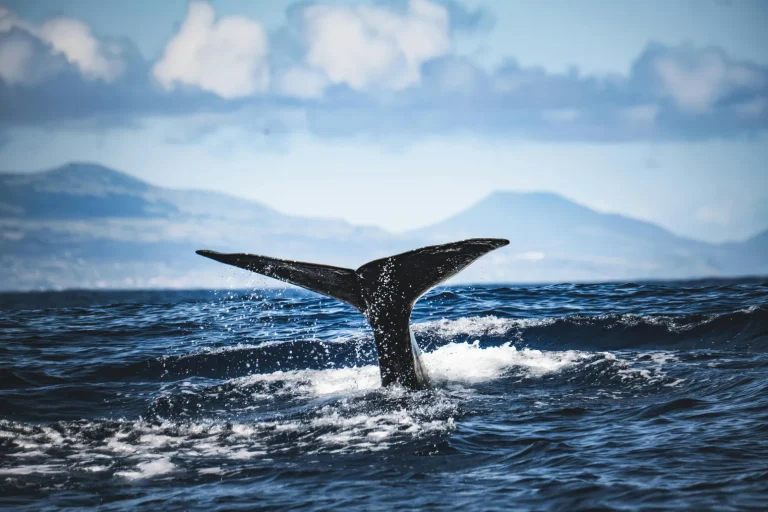
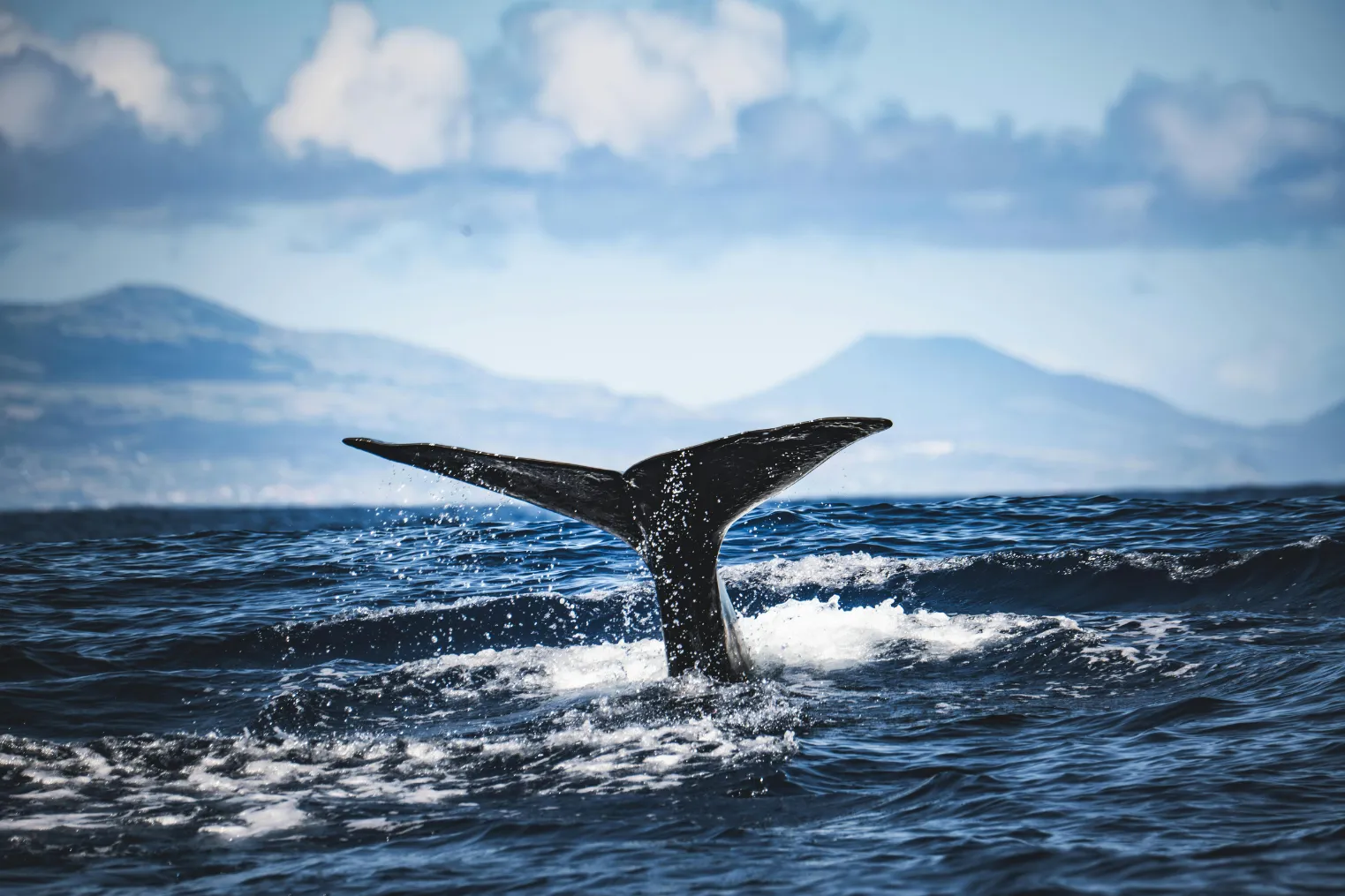
You might spot a mother beside her calf, a sudden breach, a spyhop, or Tail slaps that crack across the surface. When a whale dives, its fluke can rise clean and dark against the blue. Many sightings happen near Waikiki and Diamond Head, so upper decks often deliver clear views. The crew helps constantly, calling out whales off the port bow and explaining what you’re seeing. You may also notice pectoral fin slaps, where a humpback lifts a long fin and smacks it against the water. For Hawaii Travel, January through March often brings the busiest surface action and calmer morning water.
How to Plan an Easy Whale Watch Day
A smooth whale watch day starts before you ever see the harbor. In the Hawaiian Islands, a little planning makes boarding easier and the ocean kinder.
A little planning before the harbor makes whale watching in Hawaiʻi smoother, easier, and gentler from the start.
- Book a 1.5 to 2.5 hour cruise from Kewalo Basin or Waikiki.
- Tell the operator about your mobility needs a week, even hours advance, if plans change.
- Arrive 15 minutes early so the crew can guide you over wide ramps and sturdy gangways.
- Pick a morning trip on a stabilized boat. SeaKeeper can cut roll by about 90 percent.
- Pack layers, reef safe sunscreen, a hat, binoculars, and non slip shoes.
You’ll find shaded seating, restrooms, and ice water onboard. If whales stay shy, check for a whale check voucher and aim for January through March next time, when Honolulu whale watching is typically at its best.
Frequently Asked Questions
Are Service Animals Allowed on Honolulu Whale Watching Tours?
Yes, you can bring service animals on Honolulu whale watching tours if you notify the operator ahead. You should confirm documentation requirements, keep animals under trained handlers’ control, and arrive so crew can assist boarding.
Do Accessible Whale Watching Tours Offer Sign Language or Visual Assistance?
Yes, you can often get Sign language interpreters or Visual aids on accessible whale watching tours if you request them early. You’ll also receive announcements, printed materials, and staff guidance, though ASL support isn’t automatic.
What Should I Do if I Get Seasick During the Trip?
Even if you’re worried it’ll ruin everything, tell the crew, take medication, and sit forward near the centerline. You’ll feel steadier if you sip water, stay shaded, watch the horizon, and ask for help fast.
Are There Cancellation Refunds for Weather-Related Tour Changes?
Yes, you’ll usually get weather refunds when operators cancel for unsafe conditions, often as a full refund or free rebooking. Check operator policies for cutoff times, automatic processing, and whether you’ll receive original-payment refunds or vouchers.
Can a Caregiver or Companion Board at No Extra Cost?
Yes, under bright harbor light, you’ll often bring a caregiver aboard free when accessibility requires it. Check companion policies and request boarding accommodations early, because some operators charge if your companion needs a seat or meal.
Conclusion
With a little planning, you can trade dock worries for salt air and the clean slap of waves against the hull. Arrive early at Kewalo Basin. Ask about ramps, restrooms, storage, and the steadiest seats near the centerline. Then let Honolulu do its work. The water turns to blue glass, a blow appears, and a tail lifts like a curtain. You’re not just boarding a boat. You’re opening the day to wonder, one smooth step at a time.