If you’re joining a whale watch from Waikiki, pickup is usually simple, but it runs on the clock. You’ll either meet a shuttle at a central hotel or head to Kewalo Basin, where a yellow booth with a pink dolphin marks the spot. Show up early for check-in, waivers, and a quick safety talk. Salt air, boat engines, and that first scan of the horizon set the mood, but the real surprise often starts before the boat even leaves.
Key Takeaways
- Many Waikiki whale-watching tours offer optional roundtrip pickup from central hotels or spots like DFS Waikiki, with exact pickup details sent in confirmation.
- Drivers run on tight schedules, so be ready early; missing the van can mean losing your boarding spot.
- If meeting at the harbor, expect departures from Kewalo Basin, Pier E Slip F6, marked by a yellow booth with a pink dolphin logo.
- Arrive 15–30 minutes early for check-in, waivers, ID verification, parking, and boarding instructions.
- Before departure, crew gives a short safety briefing covering seating, bag storage, movement onboard, and whale-watching rules.
How Does Waikiki Whale Watching Pickup Work?
Here’s how pickup usually plays out for a Waikiki whale-watching tour. You might book a Waikiki whale watching tour with optional roundtrip pickup from central hotels or spots like DFS Waikiki. After booking, you’ll get confirmation with your pickup window, exact location, and contact numbers. Be ready early. Drivers run on tight schedules, and if you miss the van, you could lose your boarding spot. Some operators gather guests at a nearby stop first. There, you may sign waivers and hear quick boarding instructions before heading out. If you’re going on your own, build in extra time for traffic and parking. Reconfirm that morning if weather looks iffy or timing feels fuzzy. Planning ahead keeps the morning smooth, salty, and free of scramble mostly. Many tours outline pickup and departure options in advance so guests know whether they’ll meet at a central Waikiki location or arrange their own way to the harbor.
Where Is the Kewalo Basin Meeting Point?
The yellow booth is your landmark at Kewalo Basin Boat Harbor, where most Waikiki whale-watching tours meet at Pier E, Slip F6, 1025 Ala Moana Blvd, about a 5 to 10 minute drive from central Waikiki.
Once you pull into Kewalo Basin, scan the front row of harbor booths for that yellow stand, often marked with a pink dolphin logo. It’s the sixth booth from the left, which makes spotting it easier than deciphering dock jargon. Parking is onsite and paid by app only, so have your phone ready. Kewalo Basin is a commercial harbor, so follow crew directions and stay flexible. You may walk a short stretch to the boarding dock, passing fishing boats, salt air, and clinking rigging along the waterfront edge. Many tours depart from Kewalo Basin because it offers convenient access for whale-watching excursions near Waikiki.
When Should You Arrive Before Departure?
Once you’ve spotted that yellow booth at Kewalo Basin, give yourself more time than you think you’ll need. Arrive at least 15 minutes before departure for check-in, ticketing, and boarding. That small cushion keeps the process calm, especially when the harbor starts buzzing and the crew is moving guests into place.
If you’re picking up a mobile ticket, signing waivers, or using the included shuttle or trolley, add extra buffer. Honolulu Harbor departures can involve similar check-in flow and boarding timing, so planning ahead makes the whole experience smoother. Late-season March trips can feel especially lively, and early arrival helps you claim better seating while staying ready if the crew reshuffles spots for balance. You’ll hear lines slap the dock, see sunlight flash on the water, and step aboard without that breathless last-minute scramble. It’s a much better start to the morning ahead.
How Easy Is Parking at Kewalo Basin?
Usually, parking at Kewalo Basin is simple in theory and a little slippery in practice. At Kewalo Basin Harbor, you can park onsite, but spaces shrink fast during weekends, holiday mornings, and popular tour windows. The lot costs $2/hour and you pay by app only, so have that ready before you roll in. If you need help planning your arrival, review How to Get to Kewalo Basin Harbor before heading out.
Give yourself at least 15–30 minutes before check-in, and even more if your operator asks for 30–45. Hunting for a spot, then walking to Pier E, can quietly eat up your cushion. Nearby street parking is scarce, too. If you’re late, you could miss boarding, especially if your operator also collects a separate $7 harbor fee at check-in time. Go early, inhale salt air, and treat any open space like a small victory.
Still comparing Whale Watching Pickup In Waikiki: What To Expect?
Ask for tour ideas, hotel suggestions, or a simple trip plan that combines both.
Trip Helper
Should You Use Rideshare From Waikiki?
Rideshare can feel like the cleanest escape hatch if harbor parking already sounds like a small sport. From Waikiki, you can usually reach Kewalo Basin Boat Harbor in about 5 to 10 minutes, which makes Rideshare a smart move when you want a simple start and don’t want to circle for a space.
Still, timing matters. Morning departures and weekends can trigger surge pricing, so that quick hop may cost more than you’d expect. Drivers also may need to wait on nearby public streets instead of inside the harbor. To avoid awkward texting by the curb, confirm a clear meeting point on Ala Moana Blvd or near the harbor entrance. If you’re staying in central Waikiki, Rideshare helps you arrive right on schedule. With big groups or bulky gear, compare fares with a taxi or shuttle first. If you’re weighing options, Honolulu parking is often easier to skip entirely by using rideshare from Waikiki.
What Do You Need to Bring to Check-In?
What should you have in hand before you step onto the dock? Bring your booking confirmation, photo ID, and any required waivers or health notes. Arrive checked in 15 to 30 minutes early, because parking or shuttle timing can crawl. For a stress-free check-in, arriving on the earlier side can make whale watching pickup feel much smoother.
| Bring | Why |
|---|---|
| Booking confirmation | Confirms your reservation fast |
| Photo ID | Operators may verify eligibility |
| Waivers or health notes | Covers pregnancy or medical conditions |
| Phone, sunscreen, hat, water | Keeps essentials ready and light |
If seas can rattle you, take motion sickness medicine at least an hour before check-in. Wear layers too. A light jacket beats surprise spray. Pack small. Large beach bags and glass bottles usually stay ashore. Dry onboard storage is limited, so travel neatly.
What Happens During Whale Watching Check-In?
You’ll want to arrive 15 to 30 minutes early at the Kewalo Basin or Pier E kiosk, since parking can eat up time on busy weekends and the app doesn’t always feel speedy. At check-in, the staff will confirm your reservation, handle any waiver you need to sign, and go over add-ons before they announce when boarding starts. Then you’ll get a quick safety briefing on seats, storage, restrooms, phone rules, and how to move on deck so you’re ready when the first whale search begins. If you’re wondering about how much walking, most Honolulu whale watching check-ins involve a short walk from parking or the rideshare drop-off to the kiosk and then onto the boat.
Arrival And Parking
Before the boat even leaves the harbor, the day starts at Kewalo Basin Boat Harbor, Pier E, Slip F6, where a visible check-in booth keeps the process simple. Plan to arrive 15 to 30 minutes early, since Kewalo parking can move slowly and weekend spaces disappear fast. Kewalo Basin sits directly makai of Ward Village, and recent dock renovations have helped make the harbor safer and easier to use.
| You notice | What it means |
|---|---|
| Harbor signs and bobbing masts | You’re close |
| Pay station and open stalls | Grab parking quickly |
| Crew voices and camera straps | Boarding feels near |
If you’d rather skip the hunt, use Uber or transit. Once checked in, staff point out restrooms, dry storage, seating zones, and simple safety tips. Bring cameras, not drones, and mention seasickness early so the crew can suggest steadier seats. It’s smooth, organized, and pleasantly salt-air busy today too.
Waiver And Verification
At the check-in booth, the easy harbor buzz shifts into paperwork and a quick headcount. You’ll want to arrive 15 to 30 minutes before departure, since some Waikiki operators ask for a half hour and parking at Kewalo Basin can eat minutes fast. On weekends, the lot and payment apps sometimes move at island time.
Here, you’ll usually sign a liability or medical waiver, often by scanning a QR code on your phone. Tell the staff about any medical conditions, pregnancy, or mobility limits so they can plan around your needs. They’ll verify your reservation and, if required, your ID. Then they’ll confirm the passenger count and point you toward your assigned seat or best viewing area. It’s quick, orderly, and pleasantly no-nonsense before the ocean takes over. It’s also smart to review the cancellation policy before check-in so you know what to expect if weather or operator decisions change your tour plans.
Safety Briefing Steps
Once everyone’s checked in, the crew gathers the group for a brisk safety briefing that feels more like a smart primer than a lecture. You’ll get a orientation on seating, dry spots for bags, restroom locations and how to move on deck without doing an hula slide. Before your whale watching cruise leaves staff reviews etiquette, whale spotting basics and how they’ll call directions so both sides of the boat get a look. You’ll hear the rules too: no drones, stay back from the rails when told and remain seated during transit. Crew members ask about motion sickness, suggest meds or aids and mention the comfort of a catamaran or SeaKeeper system. First-time guests also get a simple overview of whale spotting basics so they know what to watch for once the boat is underway. Then comes the countdown and your first clues: blows, backs, tail lifts.
What Does the Safety Briefing Cover?
Because the best whale watch starts with a smooth boarding, the safety briefing usually begins right after you check in and arrive the requested 15 to 30 minutes early. During whale watching season, you’ll hear the basics fast and clearly. The crew shows you how to move safely on deck, where to sit, where bags go, and how to reach the restroom without tripping over fins, feet, or excitement.
They’ll also explain where to secure phones and cameras, why straps help, and how they call out whale directions and distances so everyone can spread out. You’ll learn when to stay seated, where to stand for the safest views, and how life jackets work. Expect rules too: no drones, no glass, no crowding railings, and no disturbing whales, especially mothers and calves. These rules also reflect the Marine Mammal Protection Act, which helps guide responsible whale tours and safe wildlife viewing.
How Does Boarding the Boat Work?
Show up 15 to 30 minutes early at Kewalo Basin Boat Harbor, and boarding feels far more relaxed than rushed. Your operator may use a different pier or booth, so you’ll check in first, handle any QR-code waiver, and leave extra time for parking. Then the crew welcomes you aboard a Coast Guard-inspected catamaran or double-decker built for open-air Whale Watching.
As you step on deck, you’ll hear a quick orientation on moving safely, finding the restroom, stowing small items, and keeping phone straps secure. Crew members also enforce simple rules: no drones, no glass, and kids stay close. If you’re worried about motion sickness, ask early. You’ll also get tips on where to stand for views without blocking aisles or tripping over excitement. On a catamaran whale watching trip out of Waikiki, that open-air setup helps make the experience feel more immersive from the moment you board.
How Seating Works After Boarding
Once you’re on board, you’ll usually find that seat choice is first come or crew assigned, and a quick orientation tells you where to sit and where to stash small bags in the dry storage. You can pick between shaded seats and open-air decks, but crew may guide you to spread out so one side doesn’t get packed when everyone spots a spout. If you want the steadiest ride or the clearest view, you’ll need a little seating etiquette, a phone strap, and the good sense to shift when crew calls out directions. Different boat styles can also shape how seating feels, from roomier open decks to more enclosed layouts with varied viewing angles.
First-Come Seat Choice
Seats on a Waikiki whale watch work a bit like beach chairs at sunrise: the early birds get the best pick. That first-come seat choice starts before you step aboard, since check-in usually happens 15 to 30 minutes early and boarding follows that same order. If you arrive ahead of the crowd, you’ll have a better shot at the side you want and the clearest sightlines.
Once you’re on, the crew gives a quick orientation and points you to your section. On many Honolulu whale watching tours, that welcome also includes a quick rundown of what’s included before everyone settles in. Inside that zone, seats are usually unreserved, so you can claim a spot fast. On double-decker boats, the upper level fills quickly. If you care more about comfort than bragging rights, choose a central lower seat near the stabilizer area. It’s steadier when the ocean gets bouncy.
Shaded Vs Open Deck
Getting on board early helps, but where you settle matters just as much after the crew starts guiding people to their spots. Most boats have open upper decks for panoramic views and shaded lower or mid decks with protective overhangs. If you want cooler air and less glare, choose shaded seating. Those seats often include bench space, dry storage for small items, and easier restroom access. They work well for families, seniors, and anyone who gets queasy in sun.
Open decks give you photo angles and salty spray on your face, but you’ll feel wind and sun. Bring sunscreen, a hat, and phone strap. Since crews may assign sides to balance weight and views, check in 15 to 30 minutes early and follow directions. For the best whale watching views, open upper decks are usually the top choice if you do not mind extra sun and wind.
Viewing Space Etiquette
| Spot | Best for | Your move |
|---|---|---|
| Open deck | Wide views | Rotate after sightings |
| Shaded seats | Families, shade | Follow crew directions |
When whales surface, you may be asked to yield a prime spot so everyone gets a turn. Calves especially call for calm, quiet viewing nearby. Practicing respectful viewing helps keep the experience safe and enjoyable for both guests and whales.
What the Crew Covers Before Departure
Before the lines are cast off, the crew makes sure you know exactly how the trip will work. You’ll check in 15 to 30 minutes early, so parking and ticketing at Kewalo Basin don’t turn into a scramble. Then crew members walk you through safety and comfort details, from seats and dry storage to restrooms, deck movement, and phone straps.
- You hear the rules clearly: no drones, bags tucked away, hands free on deck.
- You picture the scan ahead as guides call direction and distance so everyone shifts smoothly, not in one wobbly clump.
- You get the conservation piece too: steady boat handling, respectful distance, extra care around calves, plus reminders about sunscreen, jackets, motion-sickness meds, and sometimes a hydrophone for underwater songs.
They also explain responsible whale watching practices so guests understand why the boat keeps a respectful distance and avoids disrupting natural behavior.
When Do You Usually See the First Whale?
Often, your first hint of a whale comes 20 to 30 minutes after leaving the harbor, right when the boat reaches the nearby whale zone and everyone settles into the scan.
On most Waikiki trips, you’ll spend about 15 to 30 minutes cruising and searching before the first whale appears. Sometimes you’ll get lucky and spot one near shore. Other days, you may wait a bit longer once you’re in the main area. The crew usually calls out the direction and distance so you can turn fast and get your bearings. Patience helps, because whales can vanish and pop up somewhere new a few minutes later. December can still bring early sightings on Oahu, but they are usually less consistent than the peak winter months. January through March gives you the best odds for an early first whale, though nature makes the rules.
What Whale Signs and Behaviors Might You Spot?
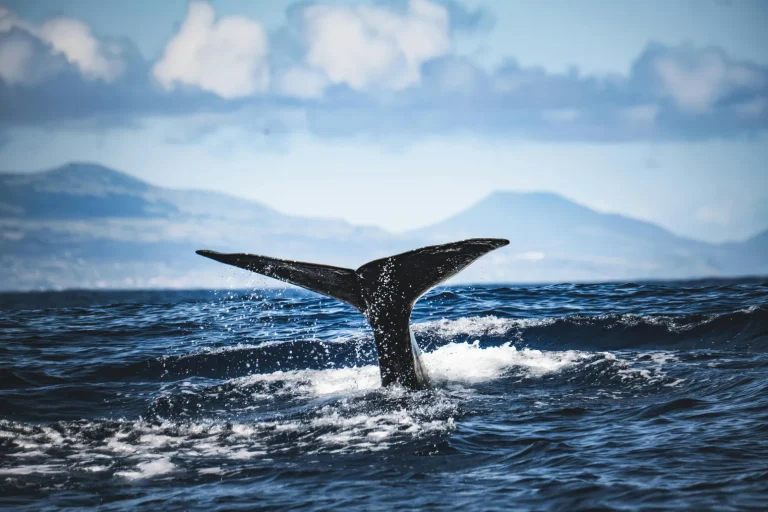
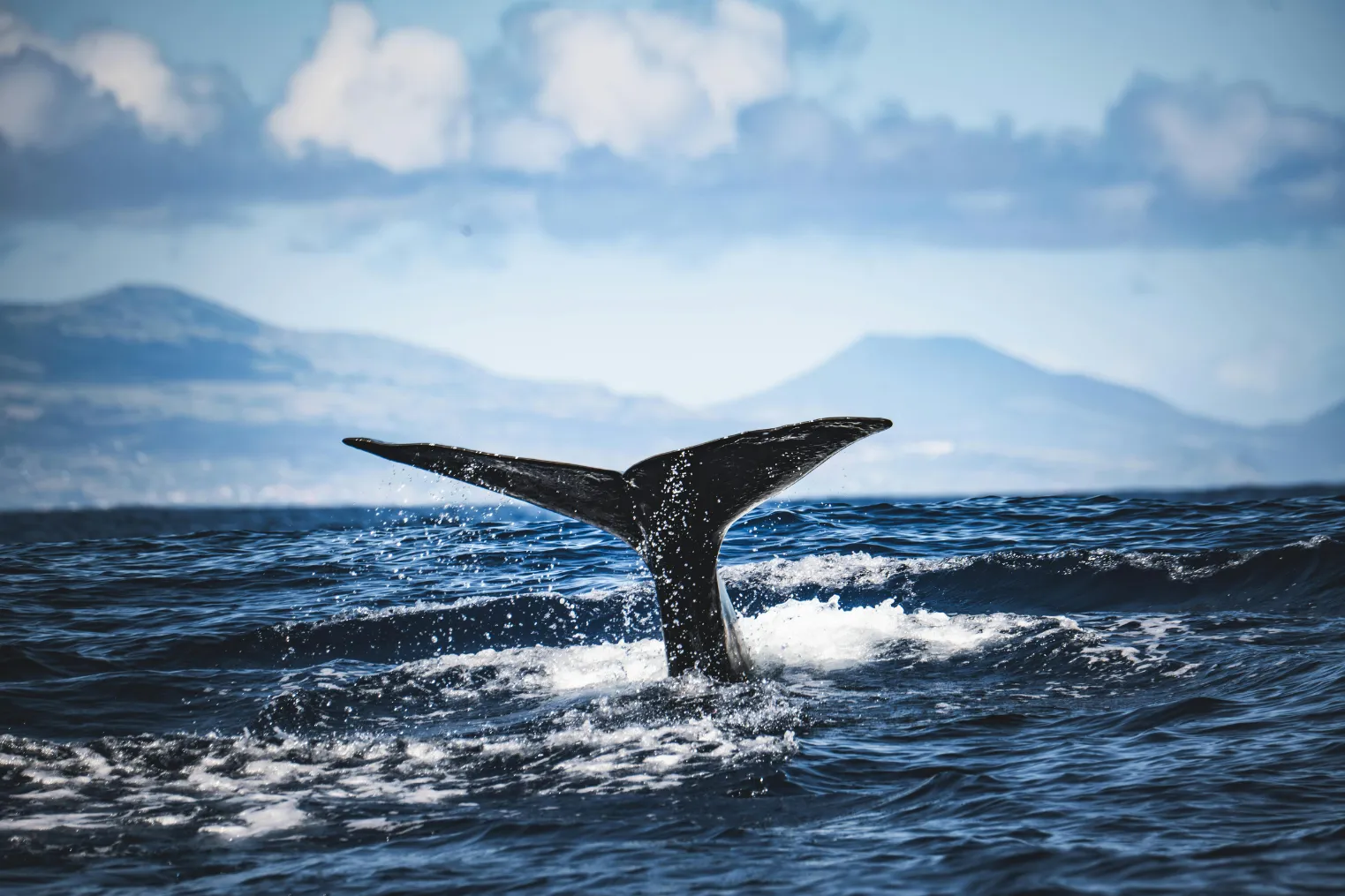
You’ll usually spot a whale first by its tall misty blow, then a smooth black back or a rounded roll that tells you it’s near the surface. If you’re lucky, you’ll catch a tail lift or full flukes, then maybe a pectoral fin slap, a sharp tail smack, or even a breach that gets everyone on board talking at once. When calves are around, you may see gentler moves like fin waves or spy-hopping, and you’ll also notice the crew giving them extra room because the no-chase rules matter. These classic whale behaviors are often the most exciting part of whale watching off Oahu because they can reveal both where the whales are and how they’re interacting at the surface.
Blows, Backs, And Tails
Scan the water long enough, and the first clue is usually a humpback’s blow, a tall misty puff that can hang in the air from several hundred yards away. Keep watching and you’ll often spot more blows before you see the whale itself.
- A smooth black back rolls up like wet stone, showing a calm breathing whale near the surface.
- If that back arches deeper, you may get the prize: a fluke lifting cleanly before a dive.
- When the tail drops again, you might even hear a distant smack across the water.
Stay patient. Humpbacks can surface close, then vanish farther off, so steady scanning beats lucky guessing every time. You won’t control the timing, but you can train your eyes to catch shifts. On Hawaii tours, these signs often mean you’re watching humpback whales moving through their seasonal waters.
Surface Behaviors To Watch
Usually, the next stage is pure surface theater, and it starts with signs you can learn to read. You’ll often spot a tall, misty blow first, hanging above the water like a quick weather report. Then a smooth dark back may roll into view. That usually means a whale is breathing or resting near the surface.
Watch for bigger moves too. A high arched back followed by a lifted fluke often means a submergence is coming. Tail lifts and tail slaps can crack across the water, so sometimes you’ll hear the action before you frame it. Pectoral fin waves are another crowd pleaser, with long white sided fins flashing and smacking the surface. And if a full breach happens, expect gasps, cameras up, and pure ocean chaos.
Calves And Caution
Patience pays off when a calf enters the picture, because the signs get smaller, softer, and more telling. From January to March, you might spot calves beside a larger adult, showing a rounded back, quick surfacings, and short dives near the surface.
- A small back rises like a smooth stone, then slips under beside mom.
- Quiet, repeated breaths and close passes hint that the pair may be resting or nursing.
- If you hear loud blows, see tail slaps, or watch the adult block the calf, the crew backs off fast.
When calves appear, your boat slows, stays to the side, and keeps extra distance. You’ll likely be asked to stay quiet, spread out, and resist the urge to play paparazzi with your camera lens.
How Do Tours Protect Waikiki Whales?
Because the best whale watch is one that leaves the whales unbothered, responsible Waikiki tours put protection first from the moment the boat leaves the harbor.
You’ll notice captains keep legal distance, often 100 to 300 yards, and steer with slow, predictable turns instead of chasing whales. Crews watch for blows, tail lifts, pectoral slaps, and signs of avoidance. If calves appear or the animals seem uneasy, they back off fast. Stabilizers help soften noise and wake, so you get a smoother ride and the whales don’t have to move. Onboard, guides ask for quiet viewing, ban drones, and spread passengers around the deck to avoid crowding one rail. Trained naturalists enforce the rules and talk with nearby boats, which keeps too many vessels from stacking up around the same pod. You get better viewing by being a better guest.
When Should You Book for Late-Season Trips?
If you’re eyeing a March whale-watch in Waikiki, book as early as you can and aim for at least 7 to 14 days ahead, because late-season seats vanish fast. You’ll also want to schedule your tour early in your stay, so if wind or rough water scraps the trip, you can rebook instead of watching the last day slip away. March can feel like humpback last call, so a little planning gives you a better shot at that sudden blow on the horizon and the slap of a tail beyond the surf.
Book Early In Stay
Lock in your late-season whale watch early in your Hawaii stay, ideally in the first two or three days, so you’ve got room to shift plans if March weather turns choppy. For late-season whale watching, March feels like last call, so reserving 7 to 14 days before arrival helps. If you want a morning cruise or a cushier stabilized double-decker, book sooner. Then check the rebooking policy, since many operators let you change dates with 24 to 48 hours’ notice. That simple timing keeps your trip flexible and your final Waikiki days wide open.
- Picture a calm blue morning and a clean horizon.
- Hear the captain pause as everyone scans for a breach.
- Feel relief knowing buffer days remain if seas get moody.
March Availability Tips
As March rolls in, Waikiki whale watching starts to feel a little like snagging the last good beach chair, so book your trip online as soon as your dates are set. March is late season, and popular morning sailings disappear fast. Aim for the first two days of your stay so you’ve got room to rebook if weather gets moody.
| Best move | Why it helps | Your cue |
|---|---|---|
| Book 8:30 AM | Shorter lines, easier parking | Arrive 15–30 minutes early |
| Choose flexible operator | Cancellations happen | Rebook or refund |
Pick a stabilized, Coast Guard-inspected boat with an experienced crew. For choppier water, tuck a light jacket and motion-sickness meds into your bag. You’ll feel ready, not rushed. That leaves more time to listen for spouts and cheers.
Frequently Asked Questions
Is the Whale Watching Tour Wheelchair Accessible?
Yes, you can often book a wheelchair-accessible whale watching tour, but you’ll need to call ahead. Accessibility options vary by vessel, so confirm boarding assistance, restroom dimensions, check-in timing, parking, and ramp or transfer needs.
What Happens if Bad Weather Cancels the Tour?
If storms dim the horizon, you’ll get a full refund or free reschedule under the Cancellation policy. Book early, since cancellations can come late, and keep receipts because parking or shuttle costs might not return.
Are Restrooms Available on the Catamaran?
Yes, you’ll usually find onboard restrooms on the catamaran. Restroom availability is common, though facilities are small and basic. Use shore toilets first if you can, and ask ahead if you need easier access there.
Can Young Children Join the Whale Watching Trip?
Yes, many tours let kids join, and about 70% require children to be at least 2 or 3. You’ll find Family friendly boats with shade, restrooms, and safety briefings, though infants under 2 aren’t always allowed.
Should You Take Seasickness Medicine Before Departure?
Yes, you should take seasickness medicine before departure, especially if you’re prone to Motion sickness? Take Dramamine or meclizine 30–60 minutes early, or use scopolamine, then sit midship, face the horizon, hydrate, and avoid heavy meals.
Conclusion
From Waikiki, you can keep pickup simple and still feel the adventure building. Arrive early, find the yellow booth with the pink dolphin, and listen for the dock lines tapping like a telegraph. If you drive, give yourself parking time. If you rideshare, confirm the pier and slip. Then look out at the channel. The first spout can appear fast, and suddenly your practical morning turns into something bright, salty, and unforgettable.