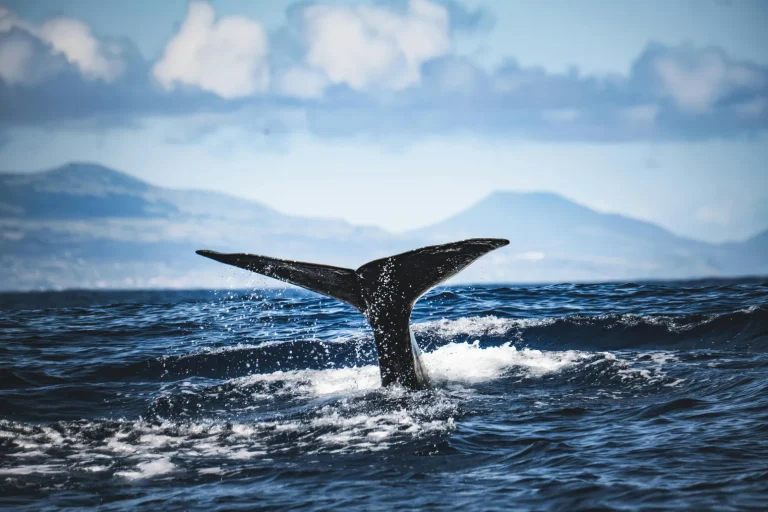
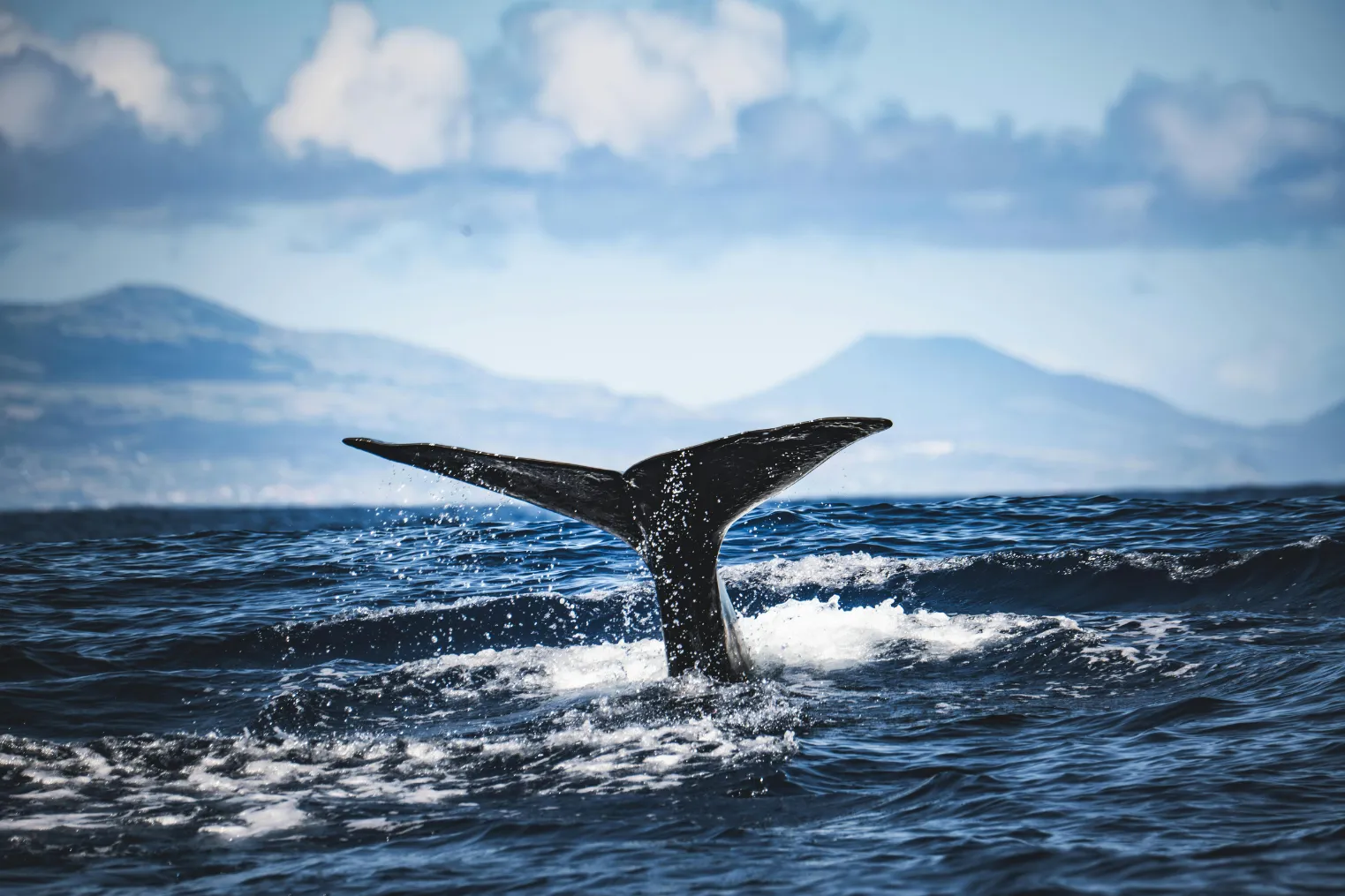
Picture yourself at Makapuʻu at 8 a.m., wind in your hat, when a dark back rolls beyond the reef and a tail lifts once before the horizon goes flat again. You don’t need a boat on Oʻahu to catch moments like that. You need the right lookout, a little patience, and a habit of scanning water like a detective with sunscreen on. Some shore spots work far better than others, and that’s where it gets interesting.
Key Takeaways
- Go December through May for shore whale watching on Oʻahu, with January through March offering the highest odds of humpback sightings.
- Makapuʻu Point is the top land-based viewpoint, especially near the lighthouse trail whale sign about two-thirds up.
- Diamond Head Lookout and Halona Blowhole Lookout work well for easy roadside scans with wide ocean views.
- Kaʻena Point rewards patient watchers with expansive vistas, but requires a hot, exposed hike of over two miles each way.
- Scan each stop for at least 15 minutes, watching for tall spouts, dark backs, flukes, and repeated blows in one patch.
Best Time for Whale Watching on Oahu
From December through May, Oahu gives you the best shot at spotting humpback whales from shore, with January, February, and March bringing the most action.
That stretch is the peak whale-watching season, and it lines up with local Sanctuary Ocean Count dates on the last Saturday of January, February, and March. Oahu’s whale watching season is widely considered best in January through March, when sightings are usually most consistent. You might hear operators ramp up by mid-December, though a few whales can show up by late October. If you’re planning around the Best Time of Day, mornings and late afternoons often look the prettiest offshore, while midday can help if you’re scanning bright water near Hanauma Bay. After mid-March, sightings slowly thin as whales head north. You can still get lucky through May, but winter gives you the stronger odds, cooler breezes, and that satisfying maybe-today feeling by the sea.
How to Spot Whales From Shore
From shore, you’ll spot more whales if you pick a high lookout like Makapuʻu or the Diamond Head roadside viewpoint, wait for a calm low-surf day, and scan the horizon in focused 15-minute sweeps. Watch for the big misty spout first, then keep your eyes on that patch of water for flukes or fins because whales often surface again in the same area. Bring binoculars and polarized sunglasses, and don’t be surprised if the ocean makes you work for it a little before it gives up a tail. Among the best places on Oahu to whale watch from shore, elevated coastal viewpoints usually give you the widest field of view.
Best Shore Cues
Patience is your best whale-watching tool on Oahu’s shore, and the cue you want most is a tall, straight spout rising above the water when a whale exhales. Once you catch that tall, vertical spout, keep your eyes locked there. Whales often resurface nearby, sometimes with a tail lift or a pectoral fin flashing like a pale oar. Watch for tail lift and pectoral fin flashes as classic whale behaviors that can confirm you’re tracking the right spot.
From a steady vantage point, scan longer than feels natural and let the ocean reveal details:
- A repeated blow in the same patch of water
- Flukes lifting dark and clean above the chop
- Fins slicing the surface between swells
Calm surf helps. Rough water hides blows. Good light helps too, and polarized sunglasses cut glare so the sea looks less like wrinkled tin foil and more like a stage.
Viewing Timing Tips
If you want the best odds of spotting humpbacks from shore, go during peak season from December through May, with January to April usually bringing the steadiest action. December on Oʻahu often marks the start of humpback season, so early sightings can happen even before peak winter activity builds. Scan each stop for 15 minutes, then linger longer if you catch a spout.
| Time | Why it works |
|---|---|
| Dawn or sunset | Calmer seas help you spot blows and fins. |
| Midday | midday is best thanks to stronger contrast for photos with polarized lenses. |
Pick high, open viewpoints like Makapuʻu Lighthouse sign lookout, Diamond Head lookout, Kaʻena Point, and north shore beaches. On calm surf days, wave glare drops. If you see one spout, lock your binoculars there and wait for the next fin or fluke. Circle back too. Whales love surprise cameos during December–May on Oahu often.
Still comparing Hanauma Bay?
Ask for tour ideas, hotel suggestions, or a simple trip plan that combines both.
Trip Helper
Makapuʻu Point Whale Watching
Often, Makapuʻu Point gives you one of Oʻahu’s best chances to watch whales without ever stepping on a boat. On the Makapuʻu Lighthouse Trail, pause at the whale sign about two-thirds up for prime shore-based whale‑watching, then scan again on your walk back. During peak season (December–April), give the lookout 15 patient minutes. Calm surf and the high perch help you catch blows and surface action.
- A tall white spout lifting beyond the blue horizon
- A dark fin slicing clean water
- A fluke flashing, then vanishing
Bring binoculars and polarized sunglasses to cut glare and stretch your range. Mornings often offer the best time of day for whale watching around Oʻahu, thanks to calmer water and less glare. The paved trail makes lingering easy, though whales still keep their own schedule. If nothing appears, keep scanning. Patience often beats luck here.
Diamond Head Lookout for Whales
While the crater summit gets the fame, Diamond Head Lookout gives you a simpler whale-watching perch right by the road, with a wide view of the water between the cliffs and the open Pacific. From this Diamond Head lookout, you can do solid shore-based spotting without a hike. Give the ocean at least 15 minutes during peak whale season, from December through May. Your best odds come in January through March. If you want to lock in a guided outing later, best time to book whale watching tours on Oahu is during that same peak winter window. Scan for a tall spout first, then watch the same patch of water for fins or a fluke. Midday light often helps here, especially if you wear polarized sunglasses or use a camera to cut glare. Calm surf makes whales easier to separate from wave action. Bring patience. The show starts late.
Kaʻena Point Whale Watching
At Kaʻena Point, you trade an easy pull-off for a real outing, since the best shore views usually come after a 2-plus-mile hike from Keawaʻula or the Waiʻanae side. You’ll want sturdy shoes, water, and sun protection because parking is limited, the trail is exposed, and the western tip doesn’t hand out shade. Once you reach the high rocky viewpoints, you can scan the calm blue water for spouts, fins, and flukes, and on quiet sea days you’ll have a much better shot at spotting humpbacks. During whale watching season, patient scanning from shore can be especially rewarding when humpbacks are active off Oahu.
Hike And Access
For a shore-based whale watch with a little adventure built in, Kaʻena Point asks you to earn the view. This is shore-based whale watching with real hike and access demands. From the nearest parking area, you’ll walk more than two miles each way to reach the westernmost tip of Oʻahu. The trail rolls over coastal lava and sandy stretches, so your feet will notice.
- Black rock under bright sun
- Wind pushing salt across the path
- White surf flashing beside the trail
Bring sturdy shoes, plenty of water, and sun protection. If you’re sensitive to motion even before a boat trip elsewhere, review a few seasickness tips ahead of time for smoother whale watching adventures. Give yourself a few hours for the round trip, and don’t rush it. Kaʻena Point feels remote in the best way. Fewer buildings, bigger sky, and a satisfying sense that you’ve arrived.
Spotting Conditions
Usually, Kaʻena Point gives you its best whale-watching odds in peak season from December through April, with January to March often delivering the most action, and calm days make a real difference. February is often considered the best month on Oahu for whale watching, especially if you’re hoping to see dramatic breaches during peak humpback activity. In peak season (December–April), lower surf helps you catch spouts before waves hide them. Start by scanning for one tall blow, then keep your eyes there for flukes, breaches, or a lifted pectoral fin. Use binoculars and try focused 15-minute scans instead of random glances. The exposed shoreline can feel bright, windy, and a little wild, so protect your skin and eyes. Because the hike back is long and the terrain is uneven, give yourself extra return time and stay on marked paths, well back from cliffs and rough surf at all.
North Shore Whale Watching Spots
Often, the North Shore rewards patient eyes with humpback sightings in peak season, even if it doesn’t have one famous roadside lookout you can count on every time. On the North Shore of Oʻahu, you’ll do better by scanning long elevated beaches on calm mornings, when smaller waves stop playing hide-and-seek with whale blows.
- Haleʻiwa offers broad sand, easy parking, and room to sweep the horizon.
- Sunset Beach gives you height, wind, and deep blue travel lanes offshore.
- Pūpūkea near Sharks Cove lets you watch spouts, dorsal fins, or a lucky fluke between surf breaks and deeper water.
Use binoculars. Scan for 15 minutes, then reset where you saw a spout. Try a Sanctuary Ocean Count day for practice and tips. For first-time visitors, peak season whale watching in Honolulu generally offers the best chance of seeing humpbacks from shore or sea.
Halona Blowhole and Lanai Lookout
Head east and the whale-watching mood changes from long beach scans to lava cliff lookouts with big open water in front of you. At Halona Blowhole Lookout, near Hanauma Bay, you get panoramic views from rough black rock and a handy shore-based place to watch the December to May migration. You can scan for spouts, breaches, and flukes, though surf noise and sea spray sometimes fake you out. In Hawaii, remember to keep a safe distance from whales and avoid approaching them too closely from shore or on the water.
Lanai Lookout gives you another easy roadside perch along Kalanianaole Highway. On clear winter days, you may catch multi-island views while you spot these gentle giants offshore, especially in peak months. Bring polarized sunglasses or binoculars, and check parking if you’re pairing Halona with Hanauma Bay, where reservations can shape timing and access on busier days.
How Long to Scan for Whales
You’ll usually get the best results when you give a lookout a focused 15 minutes, and on calm low-surf days you can stretch that to 20 or 30 while you watch for a crisp spout or a quick flash of fin. If nothing shows, move on after a solid scan, but keep pausing every few minutes on the trail for a fast 30 to 60 second sweep because whales love bad timing. If you spot a blow, lock your eyes on that patch of water for several more minutes, and plan a few rechecks through the morning or mid-day since the ocean keeps changing the show. During whale watching tours on Oahu, guides also spend long stretches scanning the horizon, which is a good reminder that patience is part of what to expect even from shore.
Ideal Scan Duration
Scanning well matters more than scanning forever. On shore, your best odds usually come from focused 15-minute scans at one lookout point located above clean water views. At the Makapuʻu Lighthouse trail, or from Diamond Head, pause for two rounds, once going out and once returning. If you catch a spout, lock in for several more minutes. Whales often surface again in the same patch, like a slow magic trick.
- A silver blow against blue water
- A dark back rolling through glare
- A tail lifting above white chop
In calm seas, stretch a scan a bit longer when visibility stays sharp. Ocean Count volunteers use structured periods too, which tells you this timing works for consistent shore sightings during winter peak months. Even during peak season, shore visibility limits and whale movement patterns mean you will not spot whales every time you scan.
When To Move On
If the water looks good, give each lookout a focused 15 minutes before you decide to move on. That window gives you a real shot at catching a spout, a dark back, or a sudden splash near Makapuʻu or Diamond Head. If you see action, stay with that patch of sea for a few more minutes. Whales rarely do just one interesting thing.
On longer coastal walks, keep hiking and use quick 15-minute scans at spots where the lookout provides gorgeous, wide views. When whitecaps pound and glare skates across the surface, move on sooner because rough water hides blows and flukes. When the sea turns glassy and quiet, linger a bit longer. This also lines up with how morning tours are often favored for calmer water and easier spotting conditions on Oahu. If you’re joining Sanctuary Ocean Count, follow its set timing there.
Patience And Rechecks
Often, the difference between a blank horizon and a thrilling sighting is simply staying put for a full 15 minutes. You should scan each lookout that long before deciding the ocean’s empty. On calm-surf days and during early-morning visits, the water looks cleaner, the glare softens, and a far spout stands out. This kind of step-by-step scanning is especially helpful for first-time whale watchers who are still learning what to look for.
- A puff of mist above blue water
- A dark back rolling once
- A fluke lifting, then gone
At Makapuʻu, pause at the whale sign about two-thirds up the trail, then check again on your way down. If you switch viewpoints, repeat 15-minute scans every 20 to 30 minutes. Spot one blow? Keep watching that patch for several minutes. Whales love a sequel, and patience usually gets the better scene than rushing off does.
What to Bring for Whale Watching
A good whale-watch kit starts with your eyes. Bring binoculars with 7x to 10x magnification, and add a small spotting scope if you can. You’ll pick out spouts, flukes, and quick surface moves far offshore. Pack polarized sunglasses and a hat, especially for bright midday scans when glare tries to win.
You’ll stay longer with a windproof layered jacket and a small towel or blanket at exposed lookouts like Makapuʻu or Diamond Head. Lightweight, breathable layers are ideal for Hawaii weather, since conditions can shift between warm sun, ocean breeze, and passing showers. Bring a notebook or your smartphone and log time, location, blows, and behavior in 15-minute scan intervals. A camera with a 200mm-plus telephoto lens helps, or use a phone with a telephoto attachment. Toss in extra batteries or a power bank, because whales don’t check your charge level at sunset either.
Where to Hear Whale Songs Without a Boat
Sometimes, the best whale concert on Oahu happens with your face in the water instead of your feet on a boat. Sound moves about four times faster underwater, so if you wade or snorkel past the surf break on a calm day, you might hear whale song even when no spout appears. In Hawaiian waters, whale song can often be heard even when the whales themselves stay out of sight. Go with a companion, pick sheltered water near Makapuʻu or a quiet North Shore cove, and settle over sand in blue.
On calm Oahu mornings, slip past the break and let the sea carry whale song straight to your ears.
- Clear your ears gently.
- Hold a rock or rest on the bottom.
- Listen for moans, chirps, and long notes.
Less surface chop means shore-based listening. If you’d rather stay dry, a hydrophone used from shore can bring those underwater vocals to your ears. It’s like nature’s own radio.
Volunteer for Sanctuary Ocean Count
If you want a shore-based whale watch with a purpose, sign up for Sanctuary Ocean Count. You’ll scan Oʻahu viewpoints, log shore-based sightings, and note splashy surface behaviors for sanctuary researchers. Counts happen on the last Saturday of January, February, and March, when humpbacks are most likely to pass by. In 2025, 4,782 humpback whales were counted statewide over three survey days, though some sightings may have been duplicates. It’s citizen science with sea breeze and binoculars.
| What you do | Why it matters |
|---|---|
| Count whales | Tracks seasonal presence |
| Note behaviors | Supports education |
| Record locations | Builds standardized data |
Check the Hawaiian Islands Humpback Whale National Marine Sanctuary website for site details and volunteer registration. You’ll leave with sharper eyes, better timing, and maybe salty hair. Bring patience, water, and sunscreen, because the trade winds feel until the sun decides you’re part of the landscape.
Frequently Asked Questions
Are These Viewpoints Stroller-Friendly or Suitable for Wheelchairs?
Yes, you’ll find wheelchair access and stroller pathways at Makapuʻu’s sign area, Diamond Head Road Lookout, and Lanai Lookout. You should avoid the full Makapuʻu trail and check North Shore spots individually, since accessible viewpoints vary.
Where Can I Park Near the Best Shoreline Whale Watching Spots?
You’ll find public parking at Makapuʻu, Diamond Head Road, Kaʻena Point, Lanai Lookout, Halona Blowhole, and beach parks. You won’t find much shuttle access or private garages, so arrive there early for limited roadside spots.
Are Restrooms Available at Oahu’s Main Whale Watching Lookouts?
Yes, but you’ll find uneven restroom proximity at Oahu’s main whale lookouts: Makapuʻu trailhead and Diamond Head facilities help, while Lanai and Halona usually don’t. You should verify accessible hours and expect variable facility cleanliness.
Is Whale Watching From Shore Safe for Young Children?
Yes, safe shorewatching can work for young children if you prioritize child safety, choose calm, railed lookouts, keep supervised viewing constant, and always use life jackets near rocks or surf. You’ll want short, shaded sessions.
Do Any Oahu Viewpoints Allow Dogs on Whale Watching Walks?
Yes, you can bring dogs to some Oahu viewpoints, especially roadside lookouts and Makapuʻu’s paved trail, if you follow dog policies, leash requirements, and pet accommodations; you should verify rules, seasonal restrictions, and safety conditions.
Conclusion
On Oʻahu, you don’t need a boat to find the show. You just need a good perch, a patient 20 word scan, and a little luck. From Makapuʻu to Kaʻena Point, the ocean opens like blue silk below your shoes. A spout lifts. A tail slips under. Trade engine noise for wind and surf, pack water and sunscreen, and let the island teach do you look. It’s whale watching with sand on your calves and wonder in your pocket.