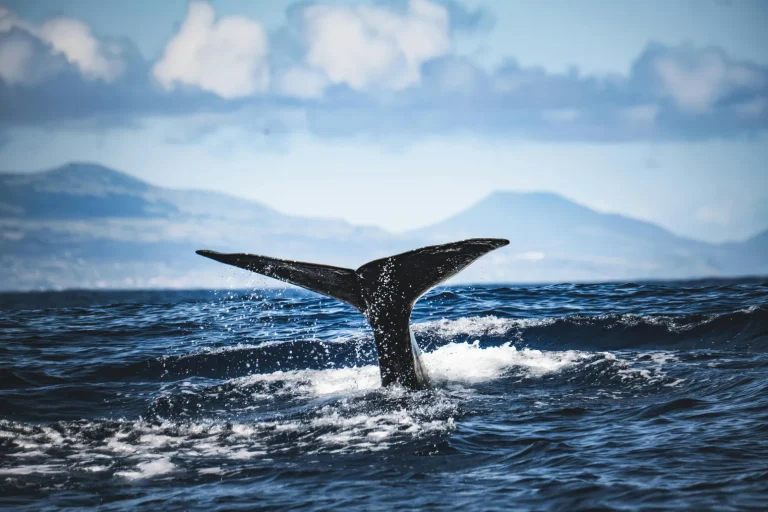
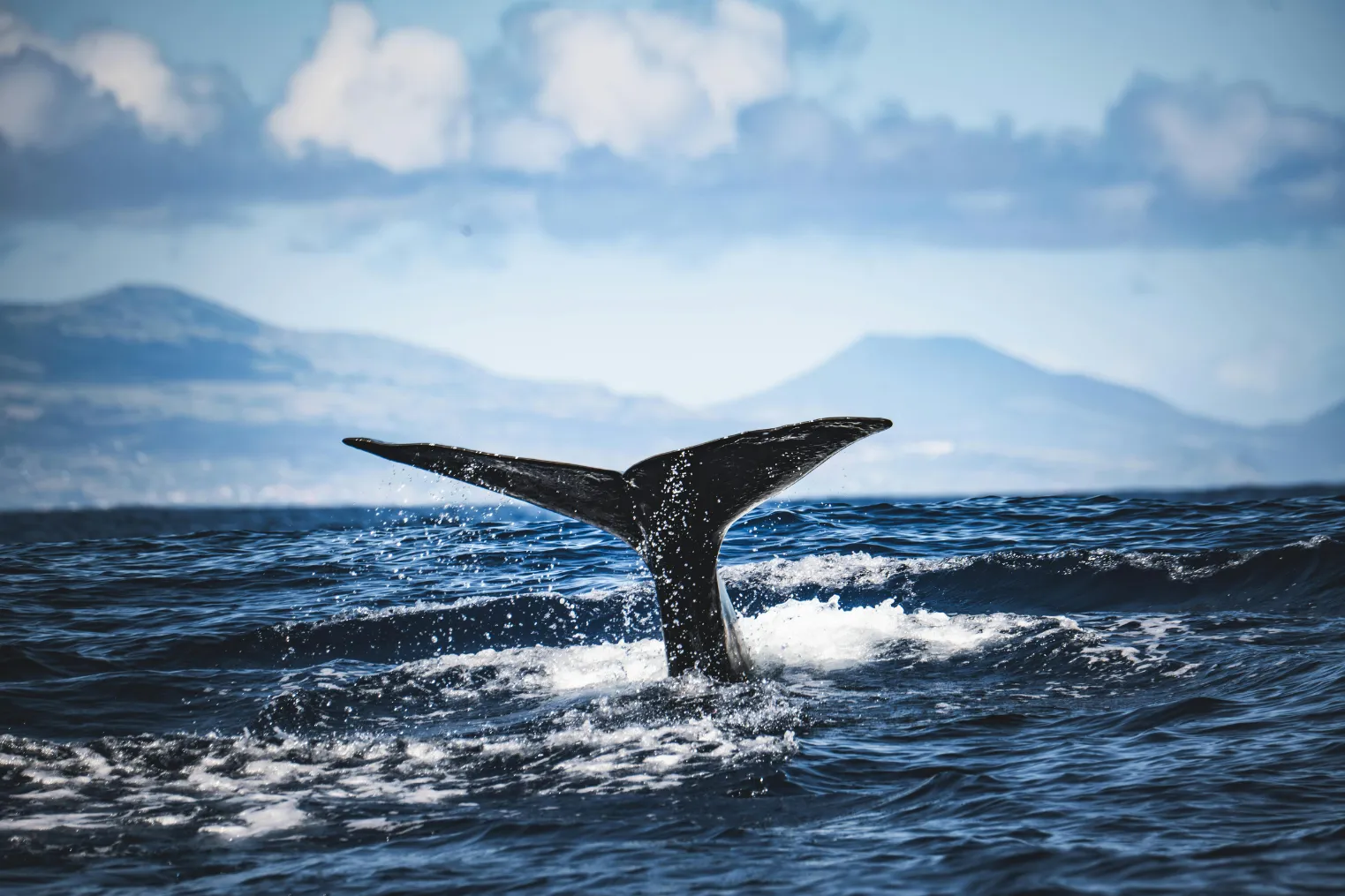
Most visitors don’t know Maui’s shallow Auau Channel pulls humpbacks surprisingly close to shore, while Oahu often trades that proximity for easier departures and roomier boats. If you’re choosing between the two, the best island depends on what you want to hear, see, and tolerate before breakfast. Do you want the slap of a tail nearby, or a smooth cruise out of Waikiki with coffee in hand? The answer gets more interesting from here.
Key Takeaways
- Maui is generally better for whale watching, with higher sighting odds and more close-range humpback activity in the Auau Channel.
- Oahu is better for convenience, offering easy departures near Waikiki and more flexible tour options with comfortable larger boats.
- The best season on both islands is December through April, with January and February usually delivering the most sightings.
- Maui tours often reach whale habitat faster, giving you more time watching breaches, tail slaps, and spy-hops.
- Oahu suits travelers prioritizing simple logistics, onboard amenities, and guaranteed-sighting policies with possible rebooking.
Which Island Is Better for Whale Watching?
Usually, Maui wins this matchup for one simple reason: humpbacks gather in the shallow Auau Channel, so you’re more likely to see them close to the surface, rolling, spouting, and sometimes launching into those full-body breaches that make a boat go quiet for a second. If you want the strongest overall whale watching odds, you should choose Maui. The best time on either island runs from December through April, with January and February usually delivering the busiest humpback whales action. On Oahu, December trips can still offer early-season sightings, especially if you know what to expect during whale watching in December. Oahu still makes sense if you want easy departures and flexible tours near town. A Waikiki Whale Watch lets you head out without much planning, which is handy after a lazy breakfast. Still, if your goal is better overall, Maui comes out ahead here.
Why Maui Has Better Whale Sightings
That edge comes down to geography. On Maui, the shallow Auau Channel pulls humpbacks close to shore, so you’re Likely to See breaches, tail slaps, and spy-hops without waiting long. In January and February, warm protected water turns this channel into a nursery, which boosts sightings during the best whale watching season. Boats from Lahaina and Maalaea reach prime habitat fast, so watching cruises spend more minutes with whales and fewer just getting there. Many operators, from Pacific Whale Foundation to Maui Nautical, use hydrophones, so you may hear eerie songs before a fin even breaks the surface. Calmer seas and lighter ship traffic help too. For photos, that means steadier views, closer action, and less guessing where blow will appear. Even on Oahu, February stands out as best month for whale watching because breaches are especially common then.
Why Choose Oahu for Whale Watching
If convenience matters as much as the whales themselves, Oahu makes a strong case. You can Book a Whale Watching trip close to Waikiki, Makapuu Lighthouse, or Hanauma Bay, then step aboard everything from roomy catamarans to polished dinner cruises. OAHU WHALE adventures shine when you want comfort and easy planning, not just raw proximity. Many tours also spell out what’s included, so it’s easy to compare onboard amenities and overall value before you book.
- Large boats with cabins, bars, and more elbow room
- Naturalists and hydrophones that let you hear whales sing
- Guaranteed-sighting policies on many whale watching tours
You may cruise farther offshore than on Maui, but that extra run can feel like part of the show. Sea spray, open horizons, and a sudden spout keep you scanning the water. If you like smooth logistics, Oahu delivers with remarkably little extra hassle.
When to Go Whale Watching in Hawaii
Because Hawaii’s humpback season runs from December through April, timing your trip can shape the whole experience. You’ll usually See Whales most often in January and February, when mothers and calves show up in bigger numbers and the whale songs feel almost close enough to touch. If you want to go whale watching, book early in the season or early in your vacation, since guaranteed-sighting cruises may let you rebook for free. Morning tours are often Best for Whale spotting because calmer seas help you catch breaches and tail slaps in the waters around Maui and Oahu. Maui’s shallow Auau Channel can be especially lively, while Oahu can feel more hit or miss. On Oahu, the best months for whale watching also typically fall in January and February. Bring layers, reef-safe sunscreen, and seasickness help. Trade flip-flop confidence for sensible planning today.
Frequently Asked Questions
Are Whale Watching Tours Safe for Young Children and Seniors?
Yes, you can safely take young children and seniors on licensed whale watching tours when you confirm child friendly seating, life jacket sizing, sun safety measures, motion sickness prevention, and accessible boarding before you book.
How Long Do Whale Watching Tours Usually Last?
Like sunrise opening the sea, you’ll find tour durations usually run 2–3 hours; private charters may stretch 4. You’ll benefit from peak sighting times, seasonal variations, and eco friendly operators that often schedule morning departures.
What Should I Bring on a Whale Watching Tour?
Bring warm layers, motion meds, a waterproof bag, polarized sunglasses, and your phone or camera. You’ll also want reef-safe sunscreen, water, tickets, and a binoculars guide so you can spot spouts and breaches easily today.
Can I See Whales Without Booking a Boat Tour?
Yes, you can, and just when you skip the boat, shore spotting from beachfront blinds, coastal hikes, viewing platforms, and public piers can reward you. You’ll see most whales December–April, especially early mornings with binoculars.
Are Morning or Afternoon Whale Watching Tours Better?
Morning tours are better: you’ll get the best times for calmer sea conditions, better lighting conditions, and often stronger animal activity. You’ll also beat tour crowding, though afternoons can still produce sightings despite rougher water.
Conclusion
If you want close, splashy sightings, you’ll likely love Maui. The Auau Channel brings humpbacks near shore, so you spend less time cruising and more time watching fins flash and hearing songs through a hydrophone. If you want simple planning and cushy boats, Oahu fits. You can step aboard near Waikiki, settle into shaded seats, and scan the blue sea with ease. Pick Maui for drama. Pick Oahu for comfort. Either way, whale season feels wonderfully wild.