You board near Waikiki at Kewalo Basin, settle into cushioned seats on a stable catamaran, and trade street noise for wind, salt, and the slap of blue water on the hull. A guide points out spouts and tail slaps while you sip something cold under the shade, with restrooms and snacks close by. It feels easy, polished, and just adventurous enough. Then the first dark shape rises, and the whole trip changes.
Key Takeaways
- Expect a 90-minute to two-hour narrated cruise on a stable, Coast Guard-inspected catamaran with shaded seating, restrooms, drinks, and light snacks.
- Most luxury whale watches depart from Kewalo Basin near Waikiki; check in 15–20 minutes early to maximize time on the water.
- Humpback whales are most common from December through April, with the best viewing and availability usually during January through March mornings.
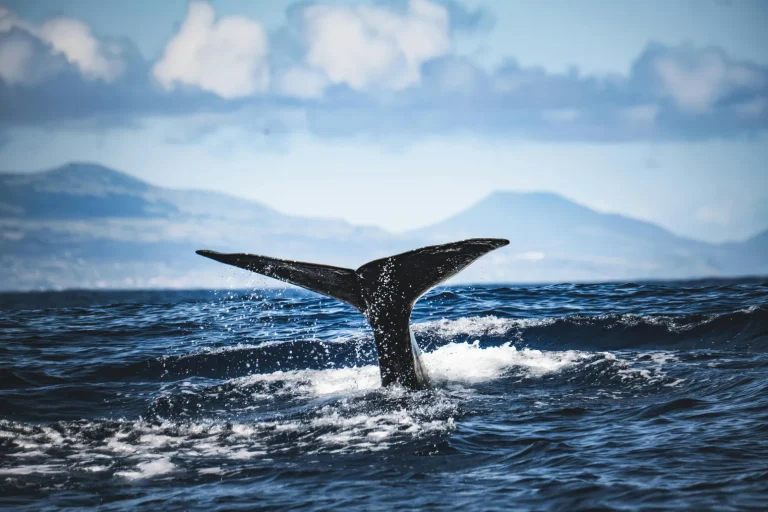
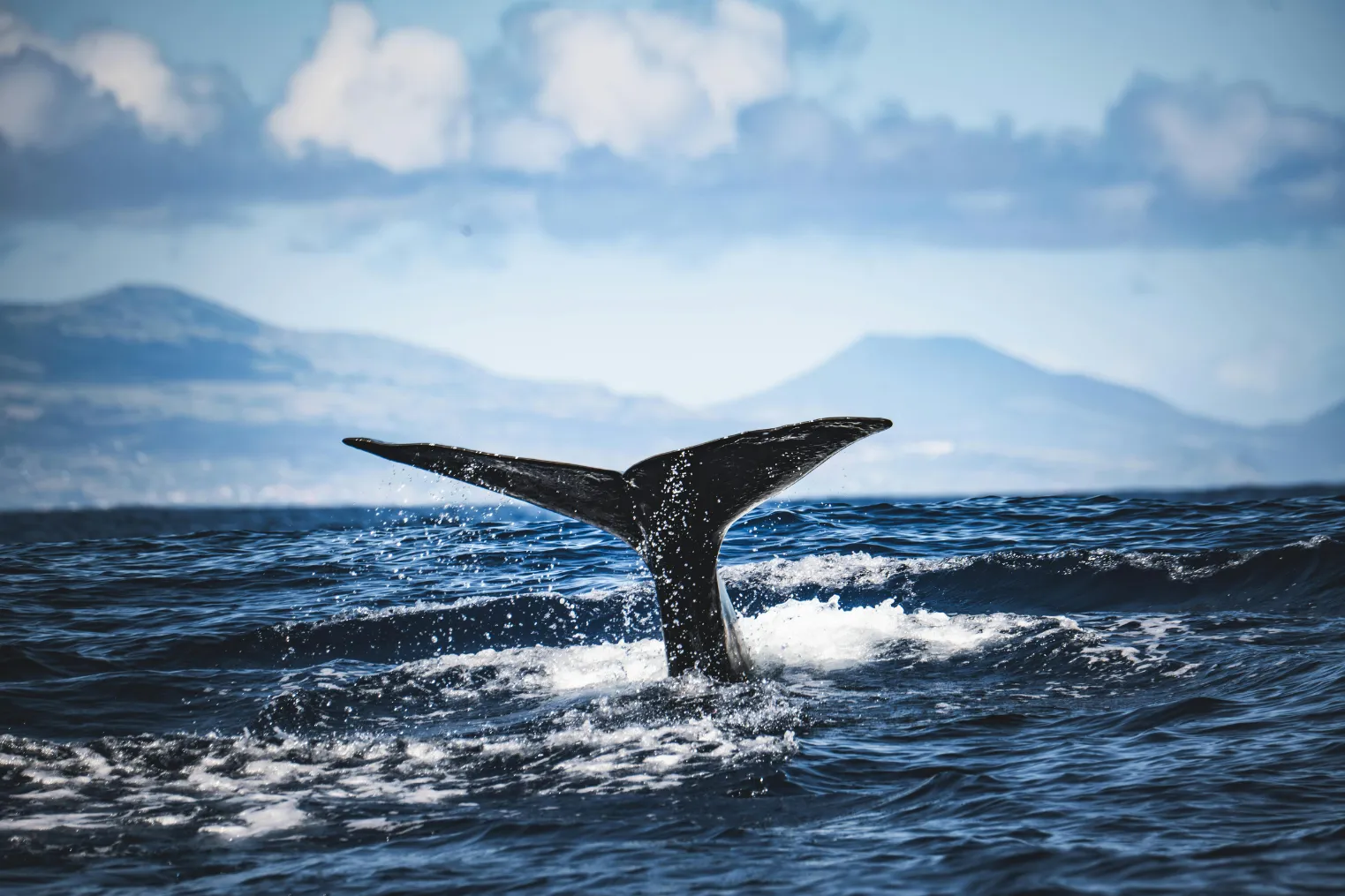
- Look for blows, rolling backs, flukes, breaches, and fin slaps, while crew explain behaviors and maintain respectful wildlife viewing distances.
- Bring reef-safe sunscreen, sunglasses, a light layer, and motion-sickness medication if needed; stabilizers improve comfort but do not eliminate boat movement.
Why Choose a Luxury Honolulu Whale Watch
Step aboard a luxury Honolulu whale watch, and the difference shows up fast. You settle into cushioned seating on a stabilized, Coast Guard inspected vessel with shaded decks, restrooms, dry storage, and a bar pouring complimentary drinks. That means you stay comfortable throughout, even if the ocean decides to add a little bounce.
You also get more than a boat ride. Experienced local crew members give safety tips, share spotting cues, and explain how majestic humpback whales surface, dive, and care for calves. Their narration turns each spout and tail slap into a story. Operators follow eco first rules too, so you watch without chasing or crowding the animals. Many Honolulu tours also outline what’s included before departure, so you know exactly which onboard amenities and extras come with the cruise. And if whales play hard to get, many cruises offer a re ride policy today.
Why Kewalo Basin Works Best From Waikiki
From Waikiki, you can reach Kewalo Basin in just minutes, so your morning starts with salt air and harbor views instead of a long transfer. You’ll find easier logistics too, with boarding near your hotel, paid parking, and a simple check-in that helps you beat weekend harbor traffic. That quick start means more time on the water watching for humpbacks off Oahu, with Diamond Head and the Honolulu skyline shining in the background. The harbor also sits directly makai of Ward Village, helping connect the waterfront to the surrounding community through walkable streets and public spaces.
Minutes From Waikiki
Just a few minutes beyond Waikiki, Kewalo Basin makes whale watching feel easy before you even leave the dock. You don’t lose half your morning crossing town. Instead, you reach Kewalo Basin quickly and trade commute time for ocean time. That matters when your sail lasts 1.5 to 2 hours and still fits neatly into a beach day.
Because you’re so close to Waikiki, even small last minute needs feel manageable. Arrive about 20 minutes early, settle in, and breathe in the salt air while Honolulu wakes up around you. For simple getting to Kewalo Basin, the harbor’s convenient location helps keep the entire experience smooth from the start. Then the boat slips away past the skyline and Diamond Head, with blue water opening fast ahead. It feels polished and relaxed, especially in those final minutes before departure for your luxurious ocean outing.
Easier Harbor Logistics
That easy start keeps paying off once you reach Kewalo Basin Boat Harbor at 125 Ala Moana Blvd. From Waikiki, you’re only minutes away, so early whale watching departures feel simple instead of rushed. Most luxury operators board here, often from slips like F-28, which keeps transfers tidy and predictable.
You can book a shuttle from major Waikiki hotels or grab a quick taxi or rideshare and skip dragging gear across the island. At Kewalo Basin, clear signs and staffed slips point you toward the right Boat Harbor check-in area. Honolulu Harbor departures can involve more complex navigation and timing, which is one reason many Waikiki visitors prefer the simpler Kewalo Basin setup. Paid parking helps if you’re driving, but spaces disappear fast on weekends. Arrive 15 to 20 minutes early, and you’ll beat boarding lines. Then you can hear dock lines creak, spot catamarans gleaming, and step aboard organized.
Still comparing Diamond Head?
Ask for tour ideas, hotel suggestions, or a simple trip plan that combines both.
Trip Helper
What It’s Like Onboard the Whale Watch Cruise
Often, the mood shifts the moment you step onto the Honu Lani at Kewalo Basin Harbor, where check-in starts about 15 to 20 minutes before departure at Slip F-28 and the crew helps stow bags before the 65-foot catamaran pulls out. You choose shaded seating or an open-air perch for Whale Watching with Diamond Head ahead.
Underway, the crew shares safety rules, scenery notes, and humpback facts. They space guests along the rail so views stay open and photos come easier. The ride feels steadier thanks to added stability, which can mean less stomach drama. The catamaran experience adds to the relaxed feel of sailing off Waikiki while watching for whales. You’ve got restrooms, family-friendly touches, light snacks, and drinks from soda to cocktails. Cruises last about 90 minutes to two hours, and if you don’t spot whales, you reride.
What Whales You May See Near Honolulu
Near Honolulu, you’ll most likely spot humpback whales, especially from December through April when they return to Hawaiian waters to breed and calve. Keep your eyes out for the crowd-pleasers too: breaching bodies, tail slaps, pectoral fin smacks, and tall blows that can shoot up like misty towers. You might also catch a rarer glimpse of pilot whales, false killer whales, or other toothed whales, but humpbacks are the stars of the show. Before heading out, review a few whale watching essentials so you know the best season, what behaviors to watch for, and which species are most commonly seen on Hawaii tours.
Humpbacks Near Honolulu
Most winter whale-watch trips from Honolulu focus on humpback whales, the stars of Hawaii’s whale season from about December through March, with the busiest months usually falling between January and March. You’ll likely spot humpbacks near Honolulu in offshore Oahu waters, where they arrive from Alaska to mate, calve, and socialize, not feed. That’s a big reason many travelers find whale watching in Oahu well worth it during the winter season. Some visitors stretch the season to December through April, but winter is your best bet. Watch for tall misty blows, glossy black backs rolling at the surface, and flukes lifting before a dive. If luck clicks, you may see a pectoral fin wave, a sharp tail slap, or even a breach. Mothers and calves are common, so your crew will slow down and keep a respectful distance. Nobody wants a stressed-out whale.
Other Possible Species
While humpbacks steal the spotlight off Honolulu in winter, they aren’t the only whales you might spot once your boat pushes into deeper blue water. Year-round, sperm whales also cruise around Oahu, and you may recognize one by its blocky square head and long, quiet dives offshore. Your captain might also mention occasional Whale sightings of short-finned pilot whales, false killer whales, or melon-headed whales traveling in small social groups. Blue whales remain a long-shot treat in Pacific waters, usually farther offshore and outside peak humpback season. Keep your eyes open for spinner dolphins too. They’re not whales, of course, but they can add a lively bonus to your cruise. On rare days, you could also glimpse a monk seal or a sea turtle. December also marks the start of whale watching season around Oahu, when winter sightings become more common.
Surface Behaviors To Spot
Often, the first clue isn’t the whale itself but a tall misty blow rising 10 to 12 feet above the water, followed by a smooth black back rolling at the surface. In winter, you’ll usually track humpbacks, the majestic creatures that steal Honolulu’s panoramic views from December through April. Watch for an arching fluke before a deep plunge, bright pectoral fin slaps, loud tail smacks, and the occasional full breach. These surface behaviors can help you tell whether whales are socializing, diving, or simply traveling through nearby waters.
| Cue | What you’ll see | Why it matters |
|---|---|---|
| Blow | Mist and back roll | Whale surfacing nearby |
| Fluke | Tail lift and slap | Active, healthy movement |
If calves appear, your crew keeps distance, so viewing stays respectful, calm, and quietly thrilling. You may also spot dolphins or even sperm whales during peak January to March crossings offshore.
What to Bring for a Comfortable Waikiki Cruise
Because Waikiki’s open water can feel bright, breezy, and a little splashy all at once, it helps to pack with comfort in mind. Bring reef‑safe sunscreen, sunglasses, and a wide‑brim hat so the reflected glare doesn’t wear you down. Wear light layers too. A jacket or long sleeve feels good when morning wind skims across the deck. If your stomach gets uncertain at sea, take motion‑sickness meds before boarding. The SeaKeeper helps, but it isn’t magic. For a smoother start, follow the operator’s check-in time guidance and plan to arrive early enough to board without stress. Pack a secure phone strap and a camera or GoPro with zoom for sudden spouts and tail lifts. A small onboard dry space protects valuables. Leave drones, glass containers, and bulky beach bags behind, and bring a reusable water bottle plus compact essentials so you can move easily.
When to Book Honolulu Whale Watching Trips
In peak whale season, book your Honolulu cruise as early as you can, especially from January through March when Waikīkī departures and deluxe catamaran trips can fill weeks ahead. If you’re visiting in March, don’t save your Whale watch for the last day. Season ends March 31, and wind or rough water can force a reschedule. For the best comfort and viewing, choose a morning sailing on a stable boat, like a Seakeeper-equipped double decker or the catamaran Honu Lani. Different boat styles can shape the overall whale watching experience, from stability and comfort to how close you feel to the water. Book early enough to grab your preferred time, then plan to check in 15 to 20 minutes before boarding at Kewalo Basin, often Slip F-28. Trip Protection is worth a look. It lets you cancel an hour before departure.
Frequently Asked Questions
Are Luxury Whale Watching Cruises Suitable for Pregnant Guests?
Yes, you can enjoy many luxury whale-watching cruises while pregnant if your doctor approves. For prenatal safety and motion comfort, choose a larger stabilized boat, confirm seating and restroom access, and check cancellation policies beforehand.
Can Private Charters Be Arranged for Special Occasions?
Yes, you can arrange private charters for special occasions, and you’ll get Private celebrations with Custom itineraries, tailored amenities, dedicated crew service, and vessel options. You should book early during whale season or holiday weekends.
Is Hotel Transportation Included With the Cruise Booking?
No, you shouldn’t assume hotel transportation comes with your cruise booking. Some operators offer complimentary transfers, but many sell shuttle service separately during checkout. You’ll want to confirm pickup details, timing, and fees before reserving.
What Is the Cancellation Policy for Poor Weather Conditions?
Like a captain reading storm clouds, you’re covered: if poor weather cancels your cruise, you’ll get refunds issued or rebooking. If weather causes itinerary changes, operators alert you quickly and explain options at check-in there.
Are Children Allowed on Luxury Whale Watching Cruises?
Yes, you’ll find children welcome on most luxury whale-watching cruises, and infants often ride free. You can expect family amenities like restrooms, shade, steady seating, safety briefings, and kid-friendly narration, but you should confirm policies.
Conclusion
Step aboard, and you’ll feel like Honolulu saved its best theater seat for you. You’ll leave Kewalo Basin with a breeze on your face, a cool drink in hand, and the city shrinking behind you. Then a humpback may explode from the water like the Pacific is showing off. Between the cushioned seats, shaded deck, and easy check-in, the logistics stay simple. You just watch, listen, and try not to grin like a fool.