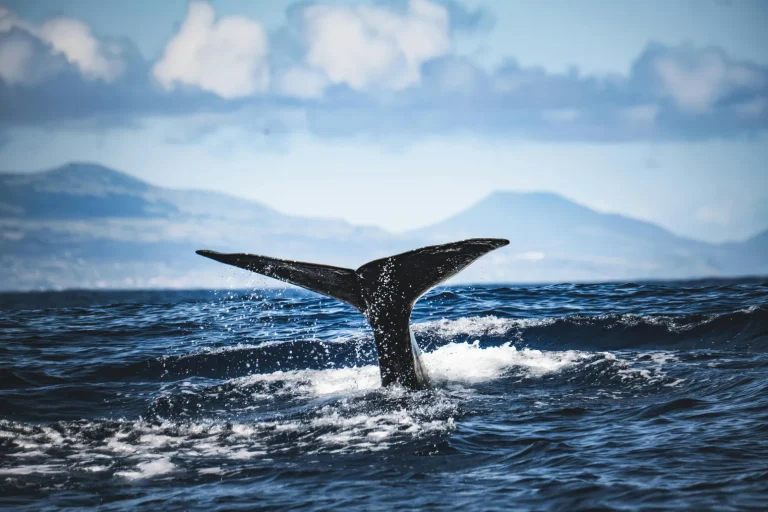
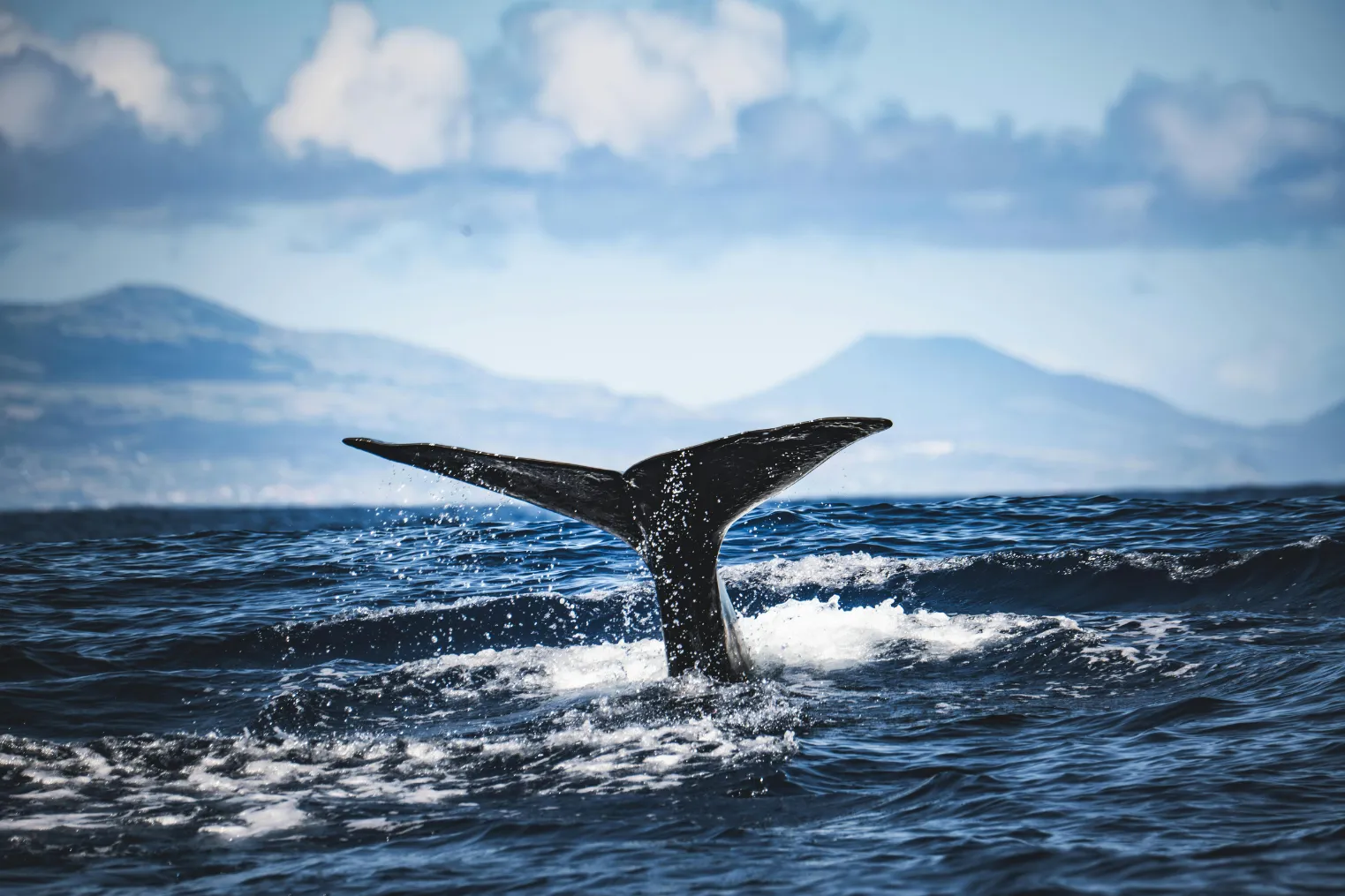
Salt spray hits your face as dark blue water rolls under the boat and a humpback lifts its back like a moving island. If you visit Oahu in winter, you’ve got a real shot at seeing whales, and the trip can feel less like a checklist and more like a true ocean day. Still, timing, launch spot, and boat style change everything, so before you book that seat, it helps to know what actually makes it worth it.
Key Takeaways
- Whale watching in Oahu is worth it if you enjoy ocean scenery, suspense, and possible humpback sightings during winter, especially from December through March.
- Boat tours offer much better odds than shore lookouts, with North Shore departures often improving sightings by reducing travel time to whale areas.
- Morning tours around 7–8 AM are usually best for calmer seas, easier spotting, better photos, and less seasickness.
- Expectations should stay realistic: sightings are never guaranteed, and boats must remain 100 yards away from whales.
- Choose tours by priority: small boats and Zodiacs cover water faster, while catamarans and yachts offer more comfort, stability, and amenities.
Is Oahu Whale Watching Worth It?
Often, Oahu whale watching is worth it if you go in winter and book with the right expectations. You’ll usually get your best odds on a boat, especially from the North Shore, where some of the best whale watching tours leave the harbor and scan deeper water. A shore lookout can be beautiful, but it’s less reliable. On the water, you might hear excited shouts, feel salt on your skin, and spot a humpback whale roll, spout, or slap the surface. Still, crews must keep 100 yards away, so don’t expect a movie close-up. Prices vary from shorter shared trips around $60 to private charters that climb fast. Since sightings aren’t guaranteed, Oahu whale watching feels worth it if you value scenery and suspense. For many travelers, small group tours can feel better because they often offer a more personal and less crowded whale watching experience in Oahu.
When Is Oahu Whale Watching Season?
If you want your best shot at seeing humpbacks on Oahu, plan your trip for December through March, when sightings are most reliable and the island’s winter waters feel busy with tail slaps and spouts. Peak whale months can shift a bit each year, so you could hit a hot stretch in January or find the action building into March. Oahu’s whale watching season generally centers on the winter months, with December through March offering the most dependable opportunities. For the smoothest ride and the clearest views, book a morning tour around 7 or 8 AM before the trade winds ruffle the water and your stomach starts negotiating.
Peak Whale Months
The sweet spot for Oahu whale watching falls in Hawaii’s winter, when humpback whales usually start showing up around December and stick around through March. That gives you a reliable whale season, with the core window landing in December–March and a few surprise sightings sometimes stretching into May.
Still, peak-month timing shifts from year to year. One winter might surge in January, while another builds toward March, so you’ll want to check the official Sanctuary Whale Watching Count before booking. During the peak season, you can spot whales on many trips, and morning tours remain popular because cooler air, calmer water, and softer sun often make the ride feel easier. February is often considered the best month for Oahu whale watching because breach activity can be especially strong then. If you’re lucky, you may even catch an early scout in September some years.
Best Time Of Day
While Oahu’s humpback season runs mainly from December through March, the best time of day to go whale watching is usually early morning. If you’re choosing a whale-watching tour, book a morning tour that leaves around 7–8 AM. You’ll often get cooler air, less glare, and lighter trade winds, which can mean smoother seas and easier spotting. That matters if you’re prone to seasickness, since calmer water usually feels kinder on your stomach. Whales can appear any time during peak season, so mid-day and afternoon trips still work. But operators often prefer early departures before the wind roughens the channel. Choosing the right boat style can also shape your experience, since different whale watching tours in Oahu offer different comfort levels and viewing advantages. Among the best times to visit, mornings usually give you the clearest views and the least sunscreen drama before breakfast gets a sequel.
Still comparing Diamond Head?
Ask for tour ideas, hotel suggestions, or a simple trip plan that combines both.
Trip Helper
What’s the Best Time of Day?
In Oahu, morning usually gives you the best whale-watching conditions. If you’re wondering about the best time, aim for tours that leave around 7 or 8 AM. You’ll often get cooler air, softer light, and calmer seas before the trade winds wake up. That means smoother rides, easier photos, and a lower chance of seasickness.
Morning tours are often the better pick because calmer seas and lighter winds can make spotting and photographing whales easier. Still, whales can show up any time during peak season, so you’ll find whale watching opportunities at midday and in the afternoon too. If you visit Oahu with a packed schedule, later departures can still work, though the ocean often gets choppier by then. Choose morning if comfort matters most. Pick a later trip if you want more flexibility or sunset color, and don’t mind a bumpier, splashier ride.
Where Are the Best Oahu Whale Watching Spots?
If you want the strongest odds, you’ll usually start with Oahu’s best boat routes from Kewalo, Waianae, or up on the North Shore near Haleiwa, where winter seas can suddenly fill with a dark back, a blow, and the slap of a tail. If you’d rather stay on land, you can scan from Makapu’u Lighthouse, Halona Blowhole, Lana’i Lookout, La’ie Point, or Shark’s Cove and wait for that quick silver flash offshore. The fun part is choosing your style, because the North Shore often gives you an edge, shore lookouts keep things easy, and boat tours can get you closer even with the 100-yard rule keeping everyone politely out of the whales’ personal space. Many visitors book departures from Kewalo Basin because it’s one of Oahu’s best-known whale watching launch points.
Best Boat Routes
Because Oahu’s humpbacks move along a few reliable offshore lanes, the best boat routes usually start where crews can reach those corridors fast and wait safely once a pod appears. If you want the strongest odds, choose North Shore departures from Haleiwa Harbor. These boat tours often run near Turtle Bay and off Kaʻena Point, where whale sightings tend to stack up. Along the Oahu coastline, Waikiki and Kewalo Harbor trips usually angle past Diamond Head and sweep the southern corridor, which works well for short outings. Fast Zodiacs can search more water quickly. Slower catamarans and yachts give you steadier decks, cleaner photo chances, and even hydrophone listening. Raft whale watching keeps you closer to the water and usually delivers a faster ride for covering active areas. Once whales surface, crews keep legal distance, cut noise, and let the action unfold while you watch, camera ready, and grinning.
Top Shore Lookouts
Boat decks give you range, but Oahu’s best land lookouts can still reward a patient scan of the horizon. If you want the best place to start, head for elevated viewpoints with long ocean views. The Makapuʻu Lighthouse hike lets you watch for distant blows, tail slaps, and the bright flash of a breach.
For easier stops around Oahu, try Halona Blowhole, Spitting Caves, and Lanaʻi Lookout. These are solid places to see humpbacks without booking a tour, though you’ll need binoculars and some patience. Whales can stay miles offshore, so shore watching always asks for luck. Visit during peak whales season, roughly December through March, when winter swells, salty air, and a long blue horizon make every scan feel full of possibility. Together, these shore spots rank among the best places to see whales on Oahu from land.
North Shore Advantages
While Oahu has whale watching options all around the island, the North Shore often gives you the strongest odds. From Haleiwa Harbor, you’re closer to known whale concentrations, so you spend less time cruising and more time scanning blue water for blows, tails, and the sudden slap of a fin. During December through March, that matters. If you stay on the north shore, it’s easy to charter a boat for a morning run with small-group operators like Deep Blue Eco Tours or Bob Marlin Charters. Fewer people means better views and photo angles. Shore lookouts like Turtle Bay, La’ie Point, and Shark’s Cove are worth a peek, but boat trips are the best spots because captains can track pods while following the 100-yard rule. If you prefer to stay on land, shore viewpoints around Oahu can still deliver whale sightings during the winter migration season.
Which Oahu Whale Tour Should You Choose?
Narrow it down by thinking about what kind of morning you want on the water. If your goal is the best for whale sightings, head to the North Shore with Deep Blue Eco Tours or Bob Marlin Charters. Small-group or private boats get you close enough for better photos, even though rules keep every captain 100 yards from whales.
Think about time of day, too. Morning departures often mean smoother seas, cooler air, and an easier ride. If you want to cover more ocean fast, book The Adventure Boat’s Zodiac. If comfort matters most, choose Honolulu Sailing Company or Hawaii Ocean Charters for shade, bathrooms, and room to stretch. Need an affordable option? Honolulu Snorkel Company’s 1.5-hour catamaran works when your schedule is tight. If you’re also comparing islands, Oahu vs Maui often comes down to whether convenience or consistently stronger whale activity matters more.
How Much Does Oahu Whale Watching Cost?
So, what should you expect to pay for whale watching on Oahu? If you go whale watching on a shared tour, you’ll usually spend $100 to $150 per person. Shorter trips can dip to about $60. Private charters start near $400 and can reach $2,500 if you’re planning the perfect splashy outing. Honolulu operators often publish a typical cost breakdown so you can compare tour lengths, boat types, and inclusions before booking.
| Tour type | Typical price | What affects it |
|---|---|---|
| Shared tour | $60 to $150 pp | Length, boat, harbor |
| Private charter | $400 to $2,500 | Group size, luxury level |
Rates around Hawaii shift with vessel style and departure point. North Shore boats may cost similar prices but improve your odds when you’re looking for whales. Oahu has fewer whales than Maui, so value matters. Some companies offer promo codes or return vouchers if whales ghost you.
Frequently Asked Questions
Are Whale Watching Tours Suitable for Young Children?
Yes, you can take children on whale watching tours if you choose operators with child friendly activities, age appropriate safety, stroller accessibility, and quiet viewing; book morning trips, and bring snacks and seasickness remedies, too.
What Should I Bring on an Oahu Whale Watching Tour?
Bring Sunscreen essentials, Layered clothing, a Reusable waterbottle, motion-sickness remedies, and your meds. Follow Binoculars recommendations, plus pack a camera, snacks, polarized sunglasses, and a light rain shell so you’ll stay comfortable and ready offshore.
Will I Get Seasick During a Whale Watching Cruise?
Like Odysseus, you might get seasick, but you’ll lower the odds with sea sickness prevention, motion sensitivity testing, stability assist devices, anti nausea remedies, early morning departures, larger boats, hydration, and lighter meals aboard today.
Are Whale Watching Boats Wheelchair Accessible in Oahu?
Yes, some Oahu whale watching boats are wheelchair accessible, but you’ll need to confirm wheelchair ramps, accessible restrooms, boarding assistance, and ADA policies before booking, since smaller rafts often can’t accommodate wheelchairs or limited mobility.
What Happens if No Whales Are Seen on the Tour?
Like a telegraph, you’ll usually get no refund; some operators give return vouchers instead. You can still enjoy alternative activities, eco education, and photography tips onboard, but you should always check refund policies before booking.
Conclusion
Yes, Oahu whale watching can be worth it if you go in winter and choose the right trip. Imagine this: you board a North Shore boat at 8 a.m., the water stays glassy, and a humpback lifts its tail while everyone goes quiet except for the camera clicks. You won’t get aquarium-close, but the trade-off is big ocean views, salt air, and a solid chance at a memorable morning. That feels like money well spent to many travelers.