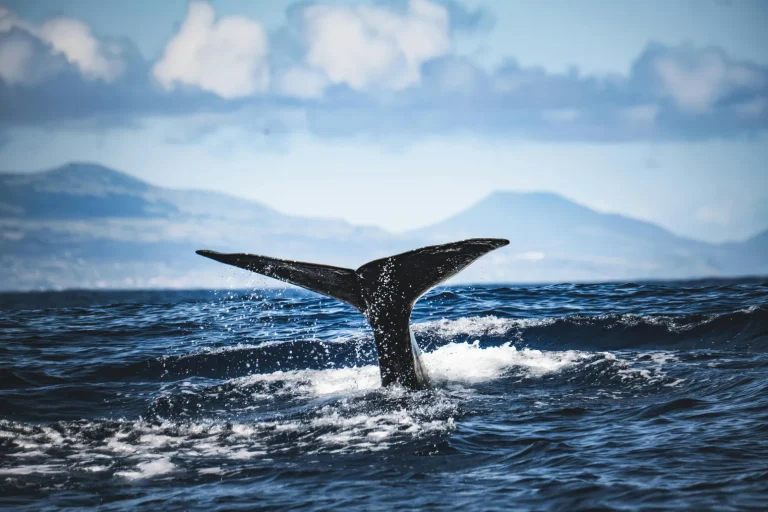
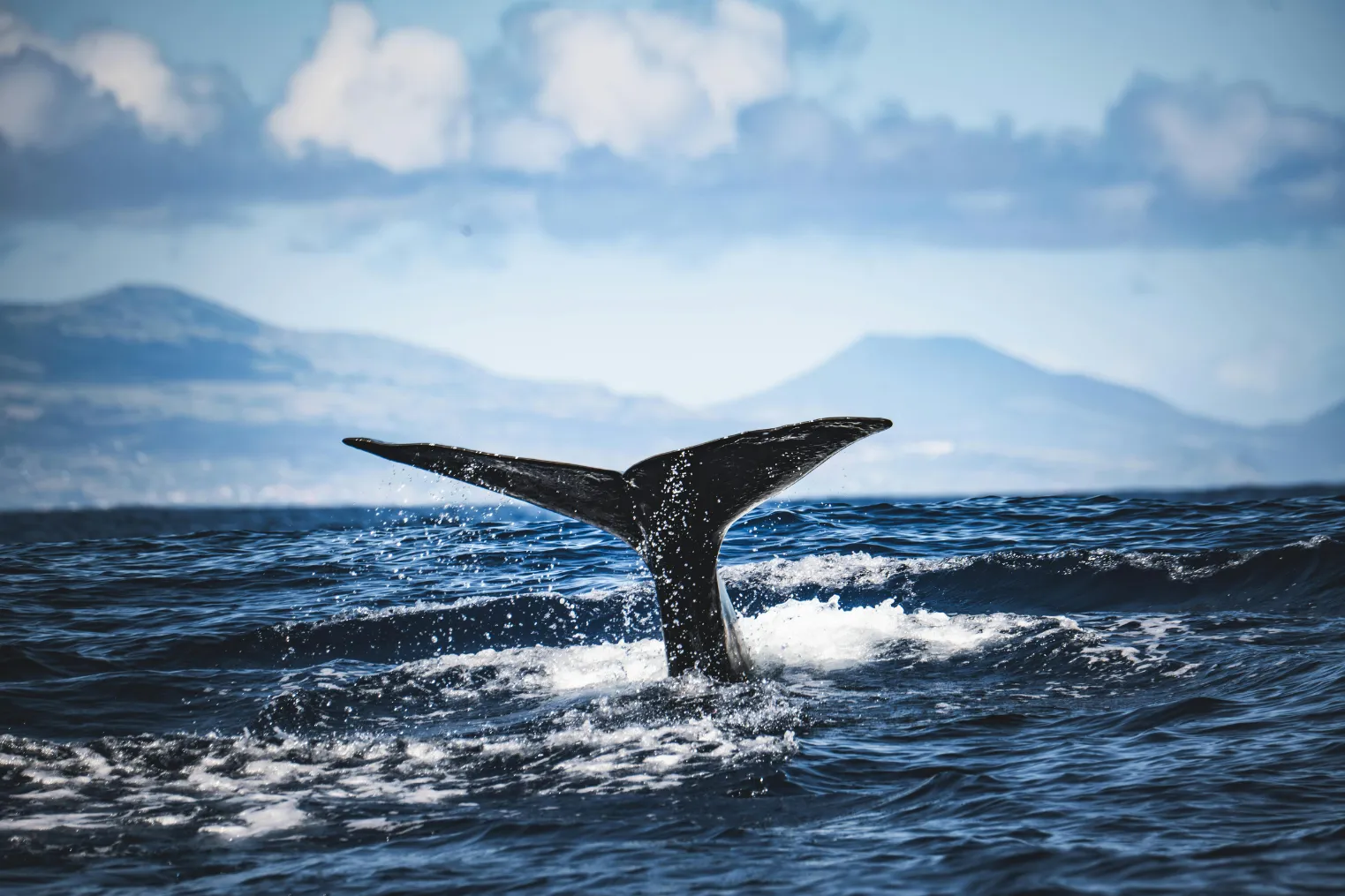
If you’re choosing between a morning and afternoon whale-watching tour on Oahu, the difference shows up fast once the boat leaves the harbor. Morning trips often bring smoother water, cooler air, and crisp views of humpbacks rolling or slapping the surface. Afternoon sails can trade that calm for golden light, glowing spray, and a more dramatic horizon. Your best pick depends on what you want most out there, and the answer isn’t as obvious as it seems.
Key Takeaways
- Morning tours usually offer calmer seas, smoother rides, and lower seasickness risk around Oahu.
- Dawn and morning often bring stronger humpback surface activity, including breaching, singing, courtship, and nursing behavior.
- Afternoon tours trade rougher water for warmer weather, livelier onboard energy, and golden-hour photo opportunities.
- Oahu whale watching is best from December to May, with the highest sighting and breaching odds from January to March.
- Choose morning for comfort and steadier shots, or afternoon for dramatic light, sunset views, and silhouettes.
Morning vs Afternoon Oahu Whale Watching
Often, the best time for an Oahu whale watching tour depends on the kind of trip you want. Morning departures usually bring calmer water and a smoother ride, so they’re ideal if seasickness likes to tag along. Afternoon trips trade that for warmer tones, photography friendly light, and the bonus of sunset views. For Oahu Whale Watching, either option works best during peak season, from December through May, especially January to March. You might hear spray hiss, spot a dark back rolling at the surface, and feel the boat rise and settle beneath you. Best time of day can also depend on whether you want gentler ocean conditions or more dramatic afternoon lighting for photos. Either way, book ahead because sightings aren’t guaranteed, but timing can shape the whole mood of your day at sea and make the trip feel either brisk or cinematic today.
When Are Whales Most Active in Oahu?
If you want your best shot at active humpbacks in Oahu, aim for January through March when mating and calving bring more breaches, tail slaps, and other splashy surface shows. You’ll often spot more action in the early morning, when calmer seas make pec slaps and sudden bursts from the water easier to catch. Late afternoon can be just as rewarding, because whales often stay lively then and the softer light makes those big ocean moments look even better on camera. January is part of peak season for whale watching in Oahu, making it one of the best times to plan your tour.
Peak Seasonal Activity
Generally, Oahu’s whale action hits its stride from December to May, with the real sweet spot landing between January and March. If you want the Best Time of Day and the best season together, aim for those winter and early spring weeks. That’s when you’re more likely to spot breaching, tail slaps, and other splashy behavior. February is often considered the best month for Oahu whale watching, especially if breaching is high on your wish list. October and November can bring early arrivals. June sometimes hosts a few late travelers. Still, sightings thin out on the edges, and nothing’s guaranteed.
| Months | What you may notice | Odds |
|---|---|---|
| Oct-Nov | Early arrivals, fewer boats buzzing | Lower |
| Dec | Season builds, more sightings | Rising |
| Jan-Mar | Peak numbers, active displays | Highest |
| Apr-May | Strong season, still rewarding | Good |
You’ll hear captain chatter, scan glittering water, and hope for that sudden silver-white splash.
Morning Movement Patterns
When dawn spreads across the water, Oahu’s humpbacks tend to put on their liveliest show. During the first hours after sunrise, you’re more likely to spot breaching, tail slaps, and other splashy surface moves in calmer seas. Those cooler conditions often keep whales near the top, so your boat can catch clearer views of fins, flukes, and rolling backs. Morning tours also give you a better shot at hearing long humpback songs underwater and seeing courtship or nursing in protected shallows. Nothing’s guaranteed, of course, but whale season from January through March gives you the strongest odds of active behavior before midmorning. That’s one reason many travelers find whale watching in Oahu a worthwhile adventure during peak season. Bring a light layer, steady sea legs, and your camera. Breakfast can wait. The whales usually don’t care if you’ve had coffee.
Still comparing Morning Vs Afternoon Whale Watching Tours Oahu?
Ask for tour ideas, hotel suggestions, or a simple trip plan that combines both.
Trip Helper
Afternoon Behavior Windows
As the sun starts to dip, Oahu’s humpbacks often wake up for another lively round at the surface. If you book a late afternoon tour, you may catch the 3 to 6 PM window when breaching, tail slaps, and pec slaps often pick up again. Whale breaching can happen for communication, play, or to shake off parasites, which helps explain why surface activity may seem especially dramatic in the afternoon. Cooler air, softer light, and calmer seas can make blows linger longer, which helps you spot action fast. January through March usually gives you the best odds, though whales still keep their own schedule. Local captains often plan around this stretch because photo light improves and breaching rates have a habit of climbing.
- Breaches often rise in late-day light
- Tail and pec slaps can come in bursts
- Social groups may surface more
- Photo conditions usually look richer and clearer
Best Months for Oahu Whale Watching
Usually, the best months for Oahu whale watching run from January through March, when Hawaiian waters fill with North Pacific humpbacks and your odds of a sighting jump fast. This is the heart of the season, when thousands arrive to mate, give birth, and nurse. If you want the strongest chance to spot breaching, tail slaps, and big misty blows, book a trip in winter or early spring. The official season stretches from December to May, so you still have solid options on both sides of the peak. Oahu’s whale watching season is generally recognized as running from December through May, with peak viewing in the winter months. You might even catch an early morning surprise in October or November, when the first whales sometimes appear. A few late stragglers can linger into June too. Nature keeps its calendar, and that’s fun for you.
Why Morning Whale Watching Is Popular
Often, the best whale watching trips on Oahu leave soon after sunrise, and it’s easy to see why. You’ll usually find calmer water then, so the boat rocks less and your eyes can track blows, breaches, and tail slaps more easily. Early hours also bring lively humpback whales, especially from January through March.
Soon after sunrise is often best on Oahu, with calmer seas and more active humpbacks making sightings easier.
- Calmer seas help you stay comfortable and spot distant spouts.
- Morning activity boosts your chances of seeing breaching, pec slapping, and tail slapping.
- Softer light and lower glare can reveal calves and movement near the surface.
- Captains can read subtle signs faster and follow the 100-yard rule safely.
If you visit between December and May, an early departure simply stacks the odds in your favor during peak season along Oahu’s coast. Even in March, late-season expectations still include active sightings on Oahu, so early tours remain a smart choice.
Is Afternoon Whale Watching Better for Photos?
When does the light turn a whale spout into something almost cinematic? Often in late afternoon, when golden hour softens glare and gives spray and flukes a glowing edge. If you want silhouettes or backlit splashes, afternoon is one of the best times. But it isn’t the only answer. For recording breaches, timing your tour around the light can make dramatic surfacing moments much easier to capture well.
| Time | Best for | Tradeoff |
|---|---|---|
| Morning | Sharp detail, steadier shots | Cooler light |
| Afternoon | Golden glow, dramatic spray | More chop |
You’ll often get calmer seas early, which helps you hold a fast 200–400mm lens steady. For crisp breaches or tail slaps, use 1/1000s or faster and watch peak January to March. Late afternoon and early morning both can deliver action. Mid-morning also works when you want richer color in the water and skin detail on the whale.
Waikiki or Ko Olina for Whale Watching?
Light matters, but your launch point shapes the whole whale watch just as much. If you’re in Waikiki, you can reach a busy harbor fast and book morning or late afternoon Whale Watching sailings around snorkeling or dinner. If you want a quieter start, Ko Olina feels calmer from the dock.
- Waikiki keeps you near hotels and often offers smooth early water before crowds.
- Ko Olina offers relaxed marina boarding plus all inclusive snorkel lunch or sunset cruises.
- Ko Olina sunset light looks gorgeous, though sightings still depend on whale movement.
- Both follow the 100 yard rule with trained captains, so choose convenience and mood.
Waikiki also stands out for flexible pickup options and departure times that make it easy to fit a whale watch into a busy vacation day.
Either way, you’ll scan for blows, hear excited whispers, and maybe catch a tail slap that steals the ride.
Which Oahu Whale Watching Tour Fits You?
You’ll get the best fit by matching your tour style to your day on Oahu, whether that means a morning snorkel combo for more daylight with the kids or a later cruise with a camera in hand. If you want calmer seas, less wind, and a better shot at breaching and tail slaps during peak season, you’ll usually want an early departure. If golden light on the water matters more, choose late afternoon or sunset, and trust that skilled captains can still help you chase that telltale blow on the horizon. For the best time to book, reserve your Oahu whale watching tour well ahead of peak season to get your preferred departure.
Tour Style Match
If your ideal whale watch includes smooth water, a quick ride out, and a strong shot at surface action, start with an early morning tour. Across Oahu, different times of day shape the whole on board, and what you see first.
- Pick morning for calmer seas and more active humpbacks.
- Choose afternoon for warm light and bold silhouette photos.
- Travel January through March for the best breaching odds.
- Go early if crowds bug you or motion sickness does.
You don’t need one perfect style. You just need the match that fits your trip. If you love glassier water, quick sightings, and less deck chatter, morning wins. If you want glowing horizons, tail slaps against the sun, and a livelier cruise feel, late afternoon feels right best. Many Oahu whale watching tours also explain what to expect on board, so choosing by time of day can help match both sea conditions and overall tour vibe.
Best Departure Choice
Because departure time shapes the whole trip, the best Oahu whale watching tour really comes down to what kind of day you want on the water. Choose morning if you want calmer seas, easier footing, and a slightly better shot at breaching. Dawn often brings more whale activity, and your stomach may thank you too.
Pick late afternoon if you care most about glowing light, dramatic photos, and the chance of surface action near sunset. If Whale Watching success is your top priority, book between January and March, when sightings peak, then lean morning for a small edge. The overall best time for whale watching in Hawaii lines up with the winter season, when humpbacks are most commonly seen around the islands. Waikiki works well if you want easy access and more departure times. Ko Olina feels slower and more indulgent, with lunch or charcuterie included. One is practical. One is leisurely. Both can be unforgettable.
What Other Whales Can You See?
Beyond the humpback headline acts, Oahu’s waters also turn up a few year-round regulars that make every scan of the horizon feel worth it. On a Whale Watching trip, you might spot sleek dorsal fins slicing blue water even outside peak humpback season. Calmer morning seas can boost your odds, especially near active feeding zones offshore. Dolphin cruises in Oahu can also offer chances to spot some of these year-round species while you’re out on the water.
- False killer whales: You may see these large dolphins in loose pods from a handful to 100-plus.
- Short-finned pilot whales: You’ll often find them in close social groups of 20 to 100.
- Melon-headed whales: These small, quick swimmers can rush by in huge groups numbering in the hundreds.
- Year-round potential: Unlike humpbacks, these residents can appear in any season, which keeps every horizon check interesting and rewarding for you.
Oahu Whale Watching Rules to Know
Spotting more than humpbacks is part of the fun, but the best tours also follow the rules that keep every encounter calm and respectful. On Oahu, Whale Watching means staying at least 100 yards from whales, whether you’re on a boat, kayak, paddleboard, or in the water. These protections are guided by the Marine Mammal Protection Act, which helps set the standard for respectful wildlife viewing. If a whale glides toward your vessel, your captain puts the engines in neutral and lets the animal choose the moment. No chasing, no sneaky repositioning. During whale season, December through May, you should expect slow speeds and eyes scanning for blows. Good captains read behavior, then adjust course to protect the animals while still giving you a view. And if false killer whales, pilot whales, or melon-headed whales appear, distance rules apply. Ocean manners matter.
Frequently Asked Questions
How Early Should I Arrive Before an Oahu Whale Watching Tour?
Arrive 30–45 minutes early for your Oahu whale watching tour; you’ll handle check-in, restrooms, and boarding without stress. Your Arrival Time should increase to 45–60 minutes if you’ve got kids, gear, accessibility needs, or parking.
What Should I Wear on a Whale Watching Tour in Oahu?
Wear Layered clothing: a breathable shirt, light windbreaker, and zip-up sweater. Choose non-slip closed-toe shoes, a wide-brim hat, and polarized sunglasses. Apply reef-safe sunscreen, and don’t forget moisture-wicking fabrics for comfort on Oahu waters today.
Are Whale Watching Tours in Oahu Suitable for Young Children?
Yes, you can take young children on Oahu whale watching tours, they’re often Child friendly? if you choose calm-season trips, confirm age policies, life jackets, and restrooms, and expect trained crews to prioritize safety and viewing.
Do Oahu Whale Watching Tours Provide Seasickness Remedies or Advice?
Yes, you’ll get seasickness remedies or advice on Oahu whale watching tours. Operators often email Seasickness prevention tips, suggest meds beforehand, offer ginger or wristbands onboard, and crew can seat you where motion feels lighter.
How Far in Advance Should I Book an Oahu Whale Watching Tour?
Book 2–3 months ahead in peak season; you’re planting seeds before harvest. For Best timing, reserve 3–4 weeks ahead in shoulder months, 6–8 weeks for specialty tours, and sooner for weekends, holidays, or extras too.
Conclusion
You’ll get a great trip either way on Oahu. Choose morning for glassier water, steadier footing, and the deep, rolling songs that drift through the hull. Choose afternoon for honeyed light, glowing spray, and dark fins cutting across a gold horizon. Choose Waikiki for easy access, Ko Olina for a calmer start. Pack a light layer, bring binoculars, and keep your camera ready. The next splash, spout, or tail slap could be yours out there.