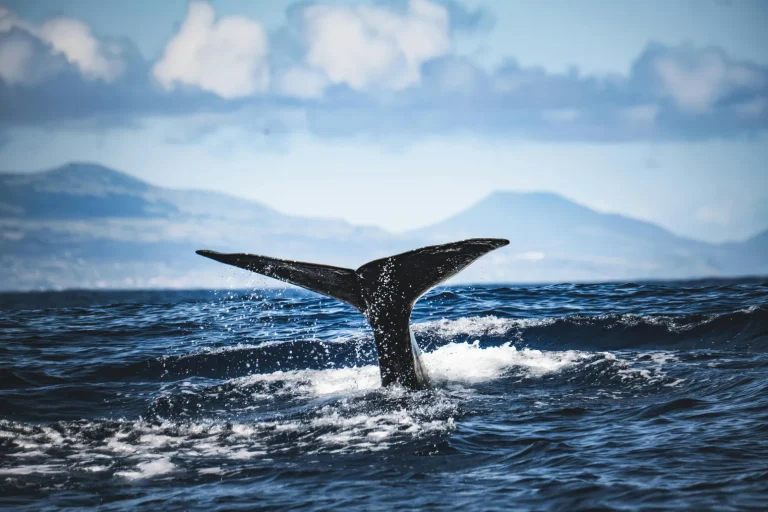
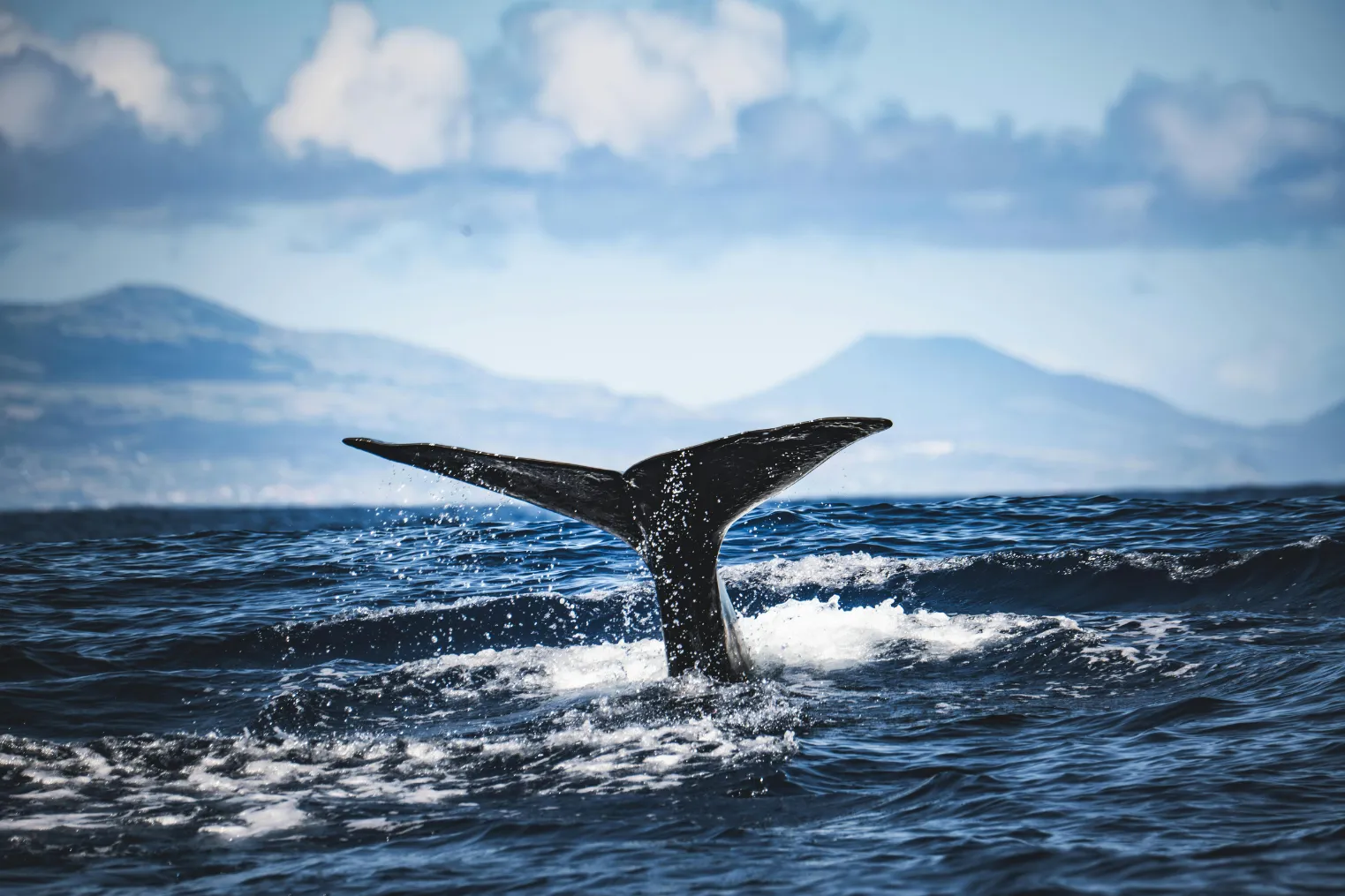
Picture yourself on a 7:30 a.m. boat off Waikiki, coffee in hand, when a humpback’s blow lifts through the cool air before the trade winds wake up. That early window usually gives you calmer water, less glare, and a better shot at spotting a breach without squinting through chop. You’ll also dodge some of the later boat traffic. The trick is knowing exactly how early to go, and when shore views can beat a tour.
Key Takeaways
- Morning is the best time for whale watching in Oahu, especially sunrise to midmorning, around 7:00–9:00 AM departures.
- Morning seas are usually calmer, with lighter winds and less chop, making whales easier to spot and rides more comfortable.
- Early light reduces glare and improves visibility for blows, breaches, tail slaps, and photography.
- Hydrophones often capture whale songs more clearly in quiet morning conditions than during windier afternoon tours.
- For the most active whale behavior, mating, book morning tours in peak season, usually January through March.
What Is the Best Time of Day?
When should you go? On Oahu, your best Time of Day usually falls before midday, especially from January through March, when whale activity peaks and tours often run two to three hours. February is often considered best month for Oahu whale watching, especially if you’re hoping to see dramatic breaches. If you’re booking a boat, pick an early departure, or even dawn, for smoother water and a quieter ride. Hydrophones can sound especially crisp then, so you might hear songs as clearly as the horizon looks. If you’d rather stay on land, try late morning at lookouts like Makapuʻu Lighthouse. The light often helps you catch blows, tails, and the flash of a breach without squinting into glare. By afternoon, the ocean can look choppier, and spotting gets trickier. Think of it this way: the whales may still be out there, but the viewing window narrows today.
Why Morning Is Best for Oahu Whale Watching
Usually, morning gives you the cleanest shot at seeing whales around Oahu. You’ll often find lighter winds and smoother seas, which makes blows, breaches, and tail slaps easier to pick out from a boat or a lookout. The water looks less chopped up, so your eyes can track movement faster.
That edge matters even more in peak season from January through March, when morning tours often bring the strongest odds of sightings. Early departures also cut down glare, so flukes stand out better against the water. If your trip carries a hydrophone, you may hear humpback songs more clearly because the surface is quieter then. Since most trips run two to three hours, booking early lets you catch active behavior before afternoon conditions start acting fussy. For a more relaxed start, aim to arrive by the posted check-in time so boarding feels smooth and stress-free.
How Oahu Waters Change by Time of Day
Time of day changes the whole feel of Oahu’s water, and that shift can shape what you see. At sunrise, the sea often looks smoother and clearer, so you can scan farther for blows, fins, and sudden breaches without fighting whitecaps. If you watch from Makapuʻu Lighthouse, morning light usually cuts through haze better too.
By late morning, trade winds often roughen the surface. Boats bounce more, glare builds, and small splashes disappear in the chop. Midday heat can even create a shimmery mirage near shore, which plays tricks on your eyes.
Late afternoon sometimes brings flatter water on especially calm days, but the low sun throws bright glare across the ocean. For best whale watching, those changing textures matter more than you’d think. If you’re expecting, calmer morning conditions can also support safe whale watching by reducing motion and making the trip feel more comfortable.
What Time Works Best in Peak Season?
If you want your best shot during peak season, book a morning trip between sunrise and late morning when the water looks smoother, the air feels clearer, and whales are easier to spot. In January and February, you’re more likely to catch the real show early, with breaches, tail-slaps, and playful splashes before the afternoon chop starts acting up. That’s why so many tours run 2 to 3 hour morning cruises, and if your boat has a hydrophone, you’ll hear whale song with better clarity too. This makes morning whale tours a popular choice on Oahu for travelers deciding between earlier and later departures.
Still comparing Hanauma Bay?
Ask for tour ideas, hotel suggestions, or a simple trip plan that combines both.
Trip Helper
Calm Morning Conditions
Often, the best whale-watching hours on Oahu arrive just after sunrise, with peak season mornings from about 6:30 to 9:00 a.m. bringing the calmest water and clearest views. You’ll notice less wind, less chop, and that lovely glassy surface guides love. In these calm and shallow waters, blows stand out faster, tail slaps catch the light, and the horizon looks sharper. That’s why many tours leave around 7:00 or 8:00 a.m. You get steadier viewing and a smoother ride before trade winds wake up. If you choose a 2 to 3 hour morning trip from January through March, you’ll also have a better shot at hearing whale songs on hydrophone tours. Quiet seas can turn the ocean into nature’s stereo for your front row. This timing also aligns with the best time to book whale watching tours on Oahu, especially during the busiest part of peak season.
Mid-Winter Peak Activity
Chasing peak-season action on Oahu gets easier in mid-winter, when January through March bring the strongest mix of whale activity and good morning conditions. If you’re wondering about the Best Time, aim for early morning, when lighter winds, calmer seas, and cleaner views make breaches easier to spot. Mid-winter also brings more mating and calving behavior, so you may catch tail slaps, big splashes, and tender mother-calf moments. Hawaii’s whale watching season aligns especially well with these mid-winter months, making early trips even more rewarding.
- Smoother water helps you scan faster.
- Morning light sharpens distant blows.
- Hydrophones often pick up clearer whale song.
- Patience still matters all day.
You won’t control the whales, of course. Still, choosing a morning outing in peak season gives you your strongest shot at the day’s most dramatic surface action out there.
Best Tour Hours
Peak-season timing gets even sharper when you focus on the clock, not just the month. In Oahu, your best tour hours usually fall in the morning during January through March, especially in January and February. Book a 2 to 3 hour trip that leaves between 7:00 and 9:00 AM. A 7:30 to 10:30 window often gives you calm water, cleaner views, and enough time for whales to start showing off.
You’ll also get a comfortable ride before trade winds roughen the surface later in the day. Afternoon tours can still deliver sightings, but chop and glare may work against you. If you want magic, choose a morning boat with hydrophones. In calmer seas, whale songs carry clearly, and that soundtrack is tough to beat. That’s one reason many visitors decide whale watching in Oahu is a worthwhile adventure during peak season.
Best Months for Oahu Whale Watching
Usually, the best time for Oahu whale watching falls between January and March, when humpbacks breach more often and the ocean feels full of motion and surprise. That’s the Best Time if you want the strongest odds, busy tour calendars, and those splashy postcard moments.
- January starts the sweet spot, with reliable sightings.
- February often keeps the action steady across Oahu.
- March still delivers excellent chances before numbers taper.
- December through April remains the wider season, so you can still go earlier or later.
Since peak months fill fast, you’ll want to book ahead. Recent seasons have brought more sightings since 2022, which adds optimism. Still, nature keeps its own schedule, and that’s part of the fun. Bring binoculars for your best shoreline view too. Many travelers plan around whale watching season because those best months on Oahu usually bring the most consistent viewing opportunities.
When Humpback Whales Are Most Active in Oahu
If you want to catch humpback whales at their liveliest in Oahu, aim for mid-winter from January through March, when breaching, tail slaps, and calf-mother activity ramp up. You’ll usually get your best view on clear morning tours, when calmer water and brighter light make those surface bursts easier to spot than they are in choppier afternoons. Book a 2 to 3 hour trip and you might see a full-body breach, then hear haunting whale songs through a hydrophone, which feels a bit like the ocean put on its own soundtrack. Hawaii’s humpback whales are seasonal visitors, so planning your tour during peak winter months gives you the strongest chance of seeing active behavior.
Peak Winter Activity
When winter settles over Oahu, humpback whale watching hits its sweet spot from January through March. That’s when you tap into peak winter activity, with more sightings, more breaches, and more tail slaps across the island’s blue horizon. The broader season runs from December through April, but mid-winter brings the liveliest displays. March still offers rewarding sightings as part of the late season, even as overall activity begins to taper toward the end of the migration window.
- You spot whales more often.
- Surface action gets bolder.
- Mating and calving behavior increases.
- Whale songs often carry clearly.
Book a 2 to 3 hour tour during these months, and you give yourself a stronger chance of catching playful rolls, towering spouts, and a sudden fin flash that makes everyone on deck go quiet for once. Oahu feels electric then. You won’t need much luck, just patience and binoculars.
Morning Viewing Advantage
Peak winter gives you more whales, but early morning often gives you the best look at them. That’s because mornings are generally calmer on Oahu. Lighter winds and smoother seas make blows and tail slaps easier to spot before wave chop builds. You also get less boat traffic, so the horizon looks cleaner and your guide can track movement faster.
If you want the sweet spot, book a sunrise to midmorning tour. Most trips run two to three hours, which lines up well with the calmest water. Local guides often recommend this window for better sighting success from December through April, especially January through March. This timing works especially well during peak season in January, when humpback whale activity around Oahu is at its highest. Photographers like it too. Soft light helps you catch sharper details, and you’ll spend less time squinting into glare before breakfast on deck.
Breaching And Whale Songs
Watch the water on a calm January or February morning, and Oahu’s humpbacks can turn the ocean into a live show. On mid-winter mornings (January–March), you’ve got the best shot at seeing breaches, tail-slaps, and pectoral slaps while hearing the season’s strongest whale songs.
- Calm seas sharpen surface views.
- Early hours carry song farther underwater.
- Peak mating season sparks more displays.
- A 2–3 hour tour boosts your odds.
You can spot a whale launch clear of the water, then hear a splash that feels bigger than the boat. If your tour uses a hydrophone, early morning often brings the clearest, loudest songs. Afternoons can still deliver, but choppier water usually softens both the visuals and the soundtrack for you out there. Many whale watching tours around Oahu schedule morning departures because calmer conditions often make whale activity easier to spot and enjoy.
How Long Oahu Morning Whale Tours Last
Set your alarm a little early, because most Oahu morning whale tours run about 2 to 3 hours and usually leave between 7:00 and 9:00 AM.
During peak season, tours typically stick to that window, giving you enough time to spot blows, breaches, and tail slaps without eating your whole day. Operators head out early for smoother water and cleaner views, and some boats lower hydrophones so you can hear whale songs instead of imagining them. If you’re comparing options, boat style can shape the overall whale watching experience just as much as the schedule.
| Tour type | Usual length | Departure |
|---|---|---|
| Public boat | 2–3 hours | 7–9 AM |
| Private trip | Varies slightly | Confirm ahead |
You’ll find catamarans and larger vessels, but outings still stay within the same rhythm. If you book a specialty cruise, double-check the duration before you show up with coffee in hand.
Which Oahu Whale Tours Are Best in the Morning?
If you’re picking the best Oahu whale tour for the morning, go for an early 7:00 to 9:00 AM departure on a catamaran or small boat, especially from January through March.
You’ll usually get calmer water, clearer views, and a quieter ocean before traffic builds. That makes the Best Time feel obvious once you see a breach flash against the sunrise.
Small group tours can be better for morning whale watching in Oahu because they often feel less crowded and give you a more personal view of the action.
- Book routes from Makapu’u, Diamond Head, or the North Shore.
- Choose a 2 to 3 hour cruise with hydrophones.
- Look for eco-friendly operators that keep quiet and give whales space.
- Reserve early, since peak mid-winter mornings fill fast.
You won’t just spot humpbacks. You may hear their songs underwater too, which gives the whole trip a goosebump soundtrack on calm blue water.
Catamaran or Glass-Bottom: Which Morning Tour Wins?
Choose a morning catamaran and you’ll usually get the stronger whale show, especially from January through March when calmer 7:00 to 9:00 AM water makes breaches easier to spot. If you want splashy surface action, longer looks, and better photos, a catamaran is your best bet. You can often track tail-slaps, spy a calf tucked beside its mother, and hear exhalations carry across the deck. That catamaran whale watching feel adds an extra sense of excitement as you scan the water off Waikiki. Morning glass-bottom trips feel different. They’re fun for families because brighter angles can reveal fish and reef life below, and some boats add hydrophones for an eerie whale soundtrack. Still, sea clarity rules the experience, so underwater views can fade fast. If your goal is whales first, book the catamaran for drama; glass-bottom suits broader marine sightseeing with kids.
Where to Go for Land-Based Whale Watching on Oahu
If you want to spot humpbacks from shore, you can start at Makapu’u Lighthouse Trail, where wide ocean views make January through March feel like front-row season. You can also pull over at Diamond Head Lookout for an easy vantage point, then head to the North Shore when you want fewer people, clearer water, and a better shot at seeing a tail slap or breach. Oahu has several shore spots that make land-based whale watching especially rewarding during peak season. Pack your binoculars, listen for the wind off the cliffs, and keep your eyes on the horizon because Oahu’s best whale show doesn’t always need a boat.
Makapu’u Lighthouse Trail
Sunrise feels like a secret weapon at Makapu’u Lighthouse Trail, where wide-open views over the blue Pacific make whale watching from land surprisingly thrilling. You get panoramic views and clear sightlines, so humpbacks are easier to spot when winter seas stay calm.
- Go in the morning for smoother water and better visibility.
- Visit January through March for peak humpback action.
- Bring binoculars because blows and breaches can happen far offshore.
- Plan 2 to 3 hours so your family can enjoy the paved climb.
From the bluff, you might catch a tail slap, a rolling back, or a sudden breach that turns everyone quiet for one beat. Then the cameras come out. Trade wind helps too when you’re scanning the horizon for another distant plume. Makapu’u is one of Oahu’s strongest shore viewpoints for whale watching without a boat thanks to its elevated, open coastal vantage.
Diamond Head Lookout
Perched above the coast, Diamond Head Lookout gives you a wide sweep of ocean that makes land-based whale watching feel surprisingly productive. In winter, you can scan the horizon for humpback blows and breaches without ever boarding a boat. January through March is especially rewarding, and February often brings the most action. Go in the morning when the water is calmer and visibility is cleaner. Bring binoculars to Diamond Head Lookout, because they help you pick out tail slaps, distant spouts, and even mothers with calves offshore. Access is free, which makes quick visits easy from December to April. Arrive early in peak months so you can claim parking and a prime rail before everyone else has the same bright idea at sunrise there. While mornings are usually best from shore, sunset whale watching can still be worth considering on Oahu if you want a different experience later in the day.
North Shore Vistas
North Shore vistas trade the city backdrop for open cliffs, quieter pullouts, and long winter views that feel made for patient scanning. Around Haleiwa and Pupukea, you’ll find calmer mornings, cleaner horizons, and fewer distractions. In winter, especially January through March, north shore vistas can reward you with breaching humpbacks, tail slaps, and the occasional distant mother-calf pair.
- Go early for steadier light and calmer seas.
- Bring binoculars for headland panoramas and traveling pods.
- Aim for low tide to cut glare and sharpen blows.
- Pack reef-safe sunscreen and a little patience.
December through April works, but mid-winter is best. Some days the ocean stays quiet. Then one silver splash breaks the surface, and suddenly your “short stop” gets longer than planned while the surf keeps hissing below. If you’re also comparing boat options, Kewalo Basin departures can offer a useful contrast to these quieter land-based North Shore viewpoints.
Best Sunrise Whale Spots: Makapu’u and Diamond Head
If you want the day’s first light to come with a real chance of seeing humpbacks, head to Makapu’u or Diamond Head before breakfast. At Makapu’u Lighthouse Trail, you’ll face the southeast and scan past Hanauma Bay in crisp dawn light. Sunrise, usually around 6:00 to 7:00 AM, often brings calmer seas, which makes distant spouts and breaching easier to pick out. December on Oahu can already offer sightings of humpback whales, especially from elevated coastal lookouts like these.
Diamond Head Lookout rewards the same early start. Arrive 30 to 60 minutes before sunrise, face south-southwest, and let the brightening water do the work. December through April is solid, but January through March gives you the best odds at both spots. Bring binoculars, wear a light layer, and enjoy the hush before Honolulu fully wakes up around you.
What You Can See on an Oahu Morning Whale Tour
Often, an Oahu morning whale tour gives you the kind of clear, calm water that makes every spout and splash easier to catch. In peak season, you’ll head out for two to three hours and scan shallow coastal waters where humpbacks gather to mate and calve. With panoramic views and quieter seas, you may even hear haunting whale song through a hydrophone.
- Breaching adults launch clear of the surface.
- Mother-calf pairs roll and travel close together.
- Pectoral fin slaps crack across the water.
- Spy-hopping whales pop up like curious neighbors.
You won’t control the show, but patience pays. One calm morning can reveal tail-slaps, bright sprays, and that unforgettable moment when a massive back rises beside the boat just after sunrise off Oahu’s coast.
What to Bring for Oahu Whale Watching
For Oahu whale watching, you’ll want smart basics that keep you comfortable on a bright, breezy morning at sea. Pack sun and water protection first, then bring viewing gear like binoculars and a camera so you don’t miss a distant blow or a sudden breach. It also helps to carry a few comfort and booking items, because a calm 2-hour cruise feels even better when you’re prepared for spray, wind, and the occasional fumble for your confirmation.
Sun And Water Protection
Even on a calm morning, the sun out on Oahu’s whale-watching water feels stronger than you’d expect, with bright glare bouncing off the surface and finding every missed spot on your skin. To stay comfortable and ready for whale sightings, pack a few smart basics:
- Reef-safe SPF 30+ sunscreen. Reapply every two hours.
- A wide-brimmed hat and polarized UV sunglasses to cut glare.
- A lightweight UV shirt or thin windbreaker for cool early spray.
- A refillable water bottle, fast-drying towel, waterproof bag, and non-slip shoes.
These small items make a big difference on a typical 2 to 3 hour tour. Add electrolyte tablets if you run hot, and your feet, skin, and eyes will thank you while the boat hums over gentle blue swells.
Viewing Gear Essentials
Pack your boat bag like you’re heading out on a small ocean safari, because the right gear helps you catch the moment when a distant spout turns into a full breach. Even with giant humpbacks, sightings can start far off, so bring binoculars with 7x to 10x magnification. Pack a waterproof camera and a 200mm or longer lens, or use a fast-zoom point-and-shoot for tail slaps and sudden breaches. Choose a lightweight waterproof daypack, plus polarized sunglasses, a wide-brim hat, and reef-safe sunscreen to cut glare on calm morning water. Tuck in a small towel and a ziplock for electronics if spray kicks up. On eco tours, ask about hydrophones or carry a portable recorder so you can catch the eerie, beautiful whale songs offshore.
Booking And Comfort Items
Great gear helps once you’re on the water, but a smooth whale-watching day in Oahu starts with booking the right trip and bringing a few comfort items that you’ll actually use.
- Reserve early for the Best Time, especially January through March. Peak morning cruises fill 2 to 4 weeks ahead.
- Pack binoculars, reef-safe sunscreen, a wide-brim hat, and layers. Cool mornings turn sunny fast on 2 to 3 hour trips.
- If swells make your stomach mutiny, bring ginger tablets or a patch. Even calm water can bounce more than you’d guess.
- Toss a small waterproof bag, water bottle, and zoom-ready camera inside. You’ll stay dry and catch breaches, tail slaps, and quick silver flashes offshore. Booking smart leaves room for whale blows, not hassles.
When to Book Oahu Whale Watching Tours
Usually, the best time to book an Oahu whale watching tour is as early as you can, especially if you want a morning trip when the water is calmer and the views are clearer. Book morning tours. Reserve in December or during January through March for your ideal date, private slots, and forward or window seating. Pick a two to three hour trip so you have more time to catch breaching, tail slaps, and spouts. If whale song matters to you, confirm hydrophones and eco-practices before you pay. Bring binoculars too. That extra planning saves you from sold-out boats and gives you the best shot at a smooth, memorable morning.
| When | Why | Ask For |
|---|---|---|
| Morning | Calmer seas | Forward seat |
| Peak season | More choices | Hydrophone |
Frequently Asked Questions
Are Whale Watching Tours Suitable for Young Children on Oahu?
Yes, you can take young children on Oahu whale-watching tours if you choose wisely. Many operators are Kid friendly? and family-focused, but you’ll want calm morning trips, age-policy checks, lifejackets, snacks, and seasickness remedies too.
What Happens if No Whales Are Spotted During the Tour?
If no whales appear, you’ll usually get a rebooking, partial refund, or extended search time. Like casting twice after one missed fish, you can try Alternative Activities, another day, or listen to whale songs instead.
Can Pregnant Travelers Safely Join Oahu Whale Watching Cruises?
Yes, you can usually join Oahu whale-watching cruises while pregnant, but you’ll need Medical clearance first. Choose calmer morning, shorter trips, tell the crew, use doctor-approved motion-sickness remedies, and avoid strenuous boarding or rough seas.
Do Oahu Whale Watching Tours Accommodate Wheelchairs or Mobility Needs?
Yes, you’ll find some Oahu whale watching tours accommodate wheelchairs and mobility needs with Accessible boarding, but you should confirm vessel features, restroom access, lift limits, and crew assistance when booking, or choose accessible viewpoints.
Are Whale Watching Tours Canceled During Rain or Rough Ocean Conditions?
Absolutely, storms can shut tours down in a heartbeat, while rain usually won’t. You should expect cancellations when rough seas, strong winds, or poor visibility threaten safety, so check each operator’s Cancellation Policy before booking.
Conclusion
On Oahu, the morning is your open window. You step onto calmer water, hear whale song more clearly, and catch the first silver blows in soft light. From Makapu’u to Diamond Head, sunrise feels like a quiet signal that the giants are near. Plan for January through March, book the early tour, and bring a light layer. When the ocean wakes gently, it often hands you the best show, no extra drama needed from the whales.