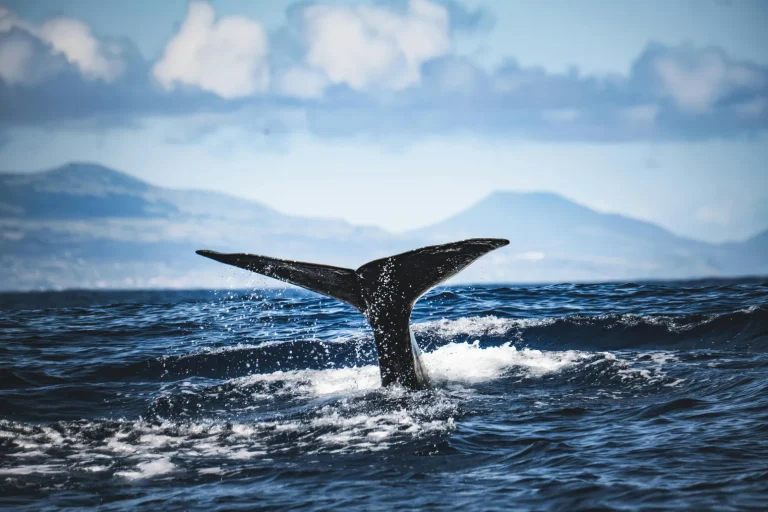
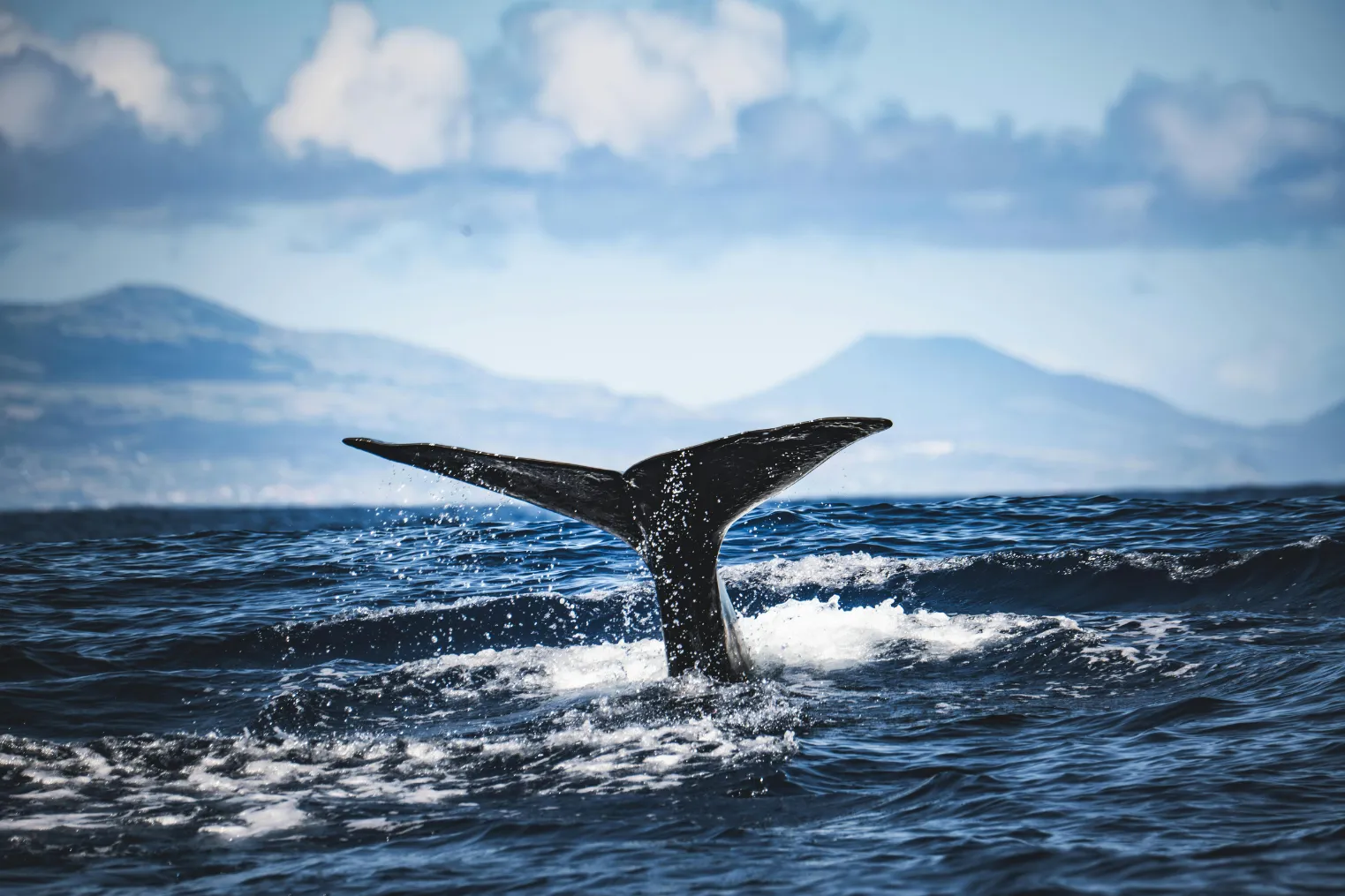
Winter looks quiet on Oahu, but the ocean turns loud with humpback blows, tail slaps, and the sudden crack of a breach. You’ll get your best odds from mid-December to mid-April, with January through March bringing the steadiest action. Early boats often find calmer water and cleaner views, while shore lookouts can surprise you with a distant spout. Time it right, and the island starts to feel very different.
Key Takeaways
- Oʻahu’s humpback whale season runs mainly from mid-December through mid-April, with the most reliable sightings in winter.
- January through March are the best months to go, with January often offering the most consistent whale activity.
- October and November may have early arrivals, but sightings are unpredictable and far less dependable.
- Sightings decline after mid-April, though a few humpbacks can occasionally linger into June or even later.
- Early-morning tours during peak months usually give calmer seas, clearer views, and better chances of spotting active whales.
When Is Whale Watching Season on Oahu?
If you’re planning your trip around humpbacks, Oahu’s whale watching season runs from about mid-December through mid-April, when daily sightings become common offshore.
For whale watching in Oahu, think of this as the core whale season. You can catch first seasonal sightings as early as October, but tours usually ramp up by mid-December through mid-April. After that, humpback whale sightings drop fast, though sporadic sightings sometimes pop up into June. One 2024 report even logged a whale near Ko Olina in July, because nature likes surprises. You’ll also hear about peak months, January February March, but those belong to a closer look later. For now, know humpbacks are the winter regulars, while toothed whales cruise Hawaiian waters year-round, often off south and leeward shores. For the best odds on active surface behavior, many crews recommend early morning departures when ocean conditions are often calmer.
Best Months to See Humpbacks on Oahu
Usually, January through March give you the best shot at seeing humpbacks on Oahu, with the highest odds of both frequent sightings and the splashy stuff people hope for, like breaches, tail slaps, and spouts hanging in the morning light.
For Oahu whale watching, the main humpback season runs mid-December through mid-April, when humpback whales migrate through Hawaii’s warm waters. That’s one reason many travelers find whale watching in Oahu a worthwhile adventure during peak season. You can book tours or try shore-based spotting from December on, but January–March is your sweet spot.
- Early October sightings happen, but they’re hit or miss.
- After mid-March, numbers taper, though some whales linger into spring.
- If you want the best time of day, early-morning outings often help.
That’s when the island feels most tuned to whale season, not guesswork.
Best Time of Day for Whale Watching
Often, the best whale-watching hours on Oʻahu come early in the morning, when the ocean is calmer and you can spot a blow or dark back before the waves hide it. In early morning, calm seas make spotting whales easier, whether you’re scanning from land or on the water.
For first-time adventurers, early morning outings are often the easiest way to enjoy calmer seas and clearer whale sightings. The edge-of-day periods can also surprise you. As light shifts, humpbacks may switch from resting to more active behavior, so fins and flukes show more often. Midday can feel sleepy, with fewer surfaces and a whale siesta. Still, West Oʻahu sometimes bends the rule. More juvenile whales there may stay active later, giving you better odds around midday. For shore-based spotting, try a quiet 15-minute scan in calm conditions. Patience helps, and coffee doesn’t hurt.
Best Oahu Shore and Boat Viewing Spots
Around Oʻahu, the best whale-watching spots split neatly between scenic shore lookouts and easy boat departures.
- Walk the Makapuʻu Lighthouse Trail and pause by the whale sign for a focused scan. Near Hanauma Bay, you get big blue views and steady winter action.
- Try Kaʻena Point if you don’t mind the hike. This wild western tip feels remote, salty, and worth the dusty shoes. For North Shore scans, keep it simple and stop often during peak season (Jan–Mar).
- Choose Waikīkī boat departures for the easiest access. Most cruises run 1.5 to 2 hours, while small-group eco-tours and longer offshore trips feel more personal. Early morning departures usually bring calmer seas, cleaner horizons, and better odds of spotting blows, fins, and the occasional curious dolphin.
If you want whale watching without a boat, shore viewpoints like Makapuʻu and Kaʻena Point are some of Oʻahu’s most reliable winter options.
Still comparing Hanauma Bay?
Ask for tour ideas, hotel suggestions, or a simple trip plan that combines both.
Trip Helper
How to See More Whales on Oahu
Start with timing, because that’s what stacks the odds in your favor. Visit Oahu from mid-December through mid-April, when humpback whales show up daily and January through March brings the busiest action, including playful new calves. Oahu whale watching reaches peak season in January, when sightings are especially consistent and conditions are ideal for planning a tour. To really go whale watching well, book early-morning tours with calm water and clearer views. Choose Whale Watching Tours that last three hours or more, or pick a small eco-boat for extra face time with guides. If you stay on land, scan from Makapuʻu Lighthouse Trail, Diamond Head, Kaena Point, or North Shore beaches for 15 minutes at a stretch. Watch for spouts, fins, and flukes. Bring binoculars, sunscreen, and water. Book ahead, and look for boats with hydrophones so you can hear the haunting songs below today.
Frequently Asked Questions
Are Whale-Watching Tours Suitable for Young Children?
Yes, you’ll find many tours suitable for young children if you prioritize carefully child friendly schedules, age appropriate safety, stroller accessibility, quiet viewing spots, educational activities, life jacket fit, restroom availability, and child fare policies.
What Should I Bring on an Oahu Whale-Watching Tour?
Pack like you’re chasing ocean ghosts: bring binoculars recommendation, layered clothing, waterproof jacket, reef safe sunscreen, motion sickness remedies, camera protection, reusable water bottle, and snack suggestions; you’ll stay comfortable, steady, hydrated, and ready aboard.
Can I Get Seasick During a Whale-Watching Cruise?
Yes, you can get motion sickness during a whale-watching cruise; manage vestibular triggers with preventive medication, natural remedies, smart cabin placement, favorable sea conditions, realistic duration tolerance, and acclimation tips so you’ll stay comfortable offshore.
Are Drones Allowed for Whale Watching on Oahu?
No, you can’t; like Icarus, you’ll crash into drone regulations, FAA rules, wildlife disturbance, landing restrictions, permit requirements, privacy concerns, drone insurance gaps, and enforcement penalties if you try whale watching on Oahu with a drone.
How Much Do Oahu Whale-Watching Tours Typically Cost?
You’ll pay about $99 for standard tours per person, but ticket prices vary with seasonal discounts, group rates, family packages, cancellation fees, add on excursions, gratuity expectations, and charter options, which can cost much more.
Conclusion
Plan your Oahu whale watching between January and March, and you’ll feel like the ocean turned into the world’s biggest stage. Head out early for smoother water, sharp blue views, and that sudden white burst of a breach. Try Makapuʻu or Kaʻena Point from shore, or book a longer small-group boat with a hydrophone if you want the full soundtrack. Bring patience, sunscreen, and your camera. One spout on the horizon, and your whole day changes.