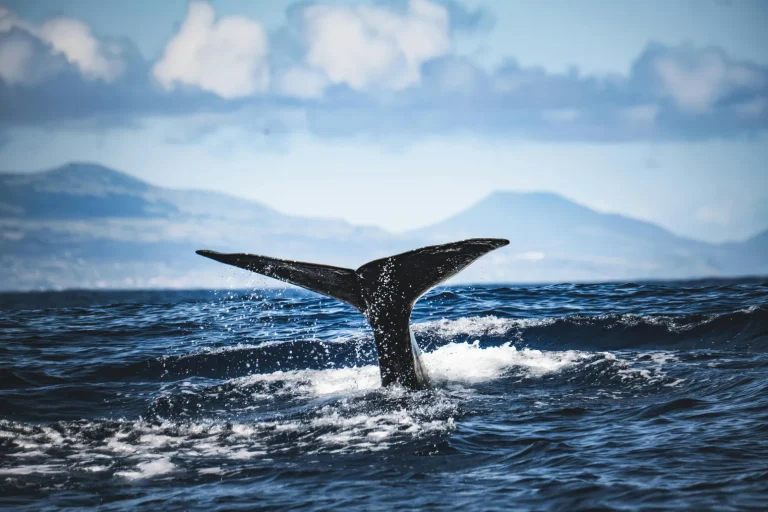
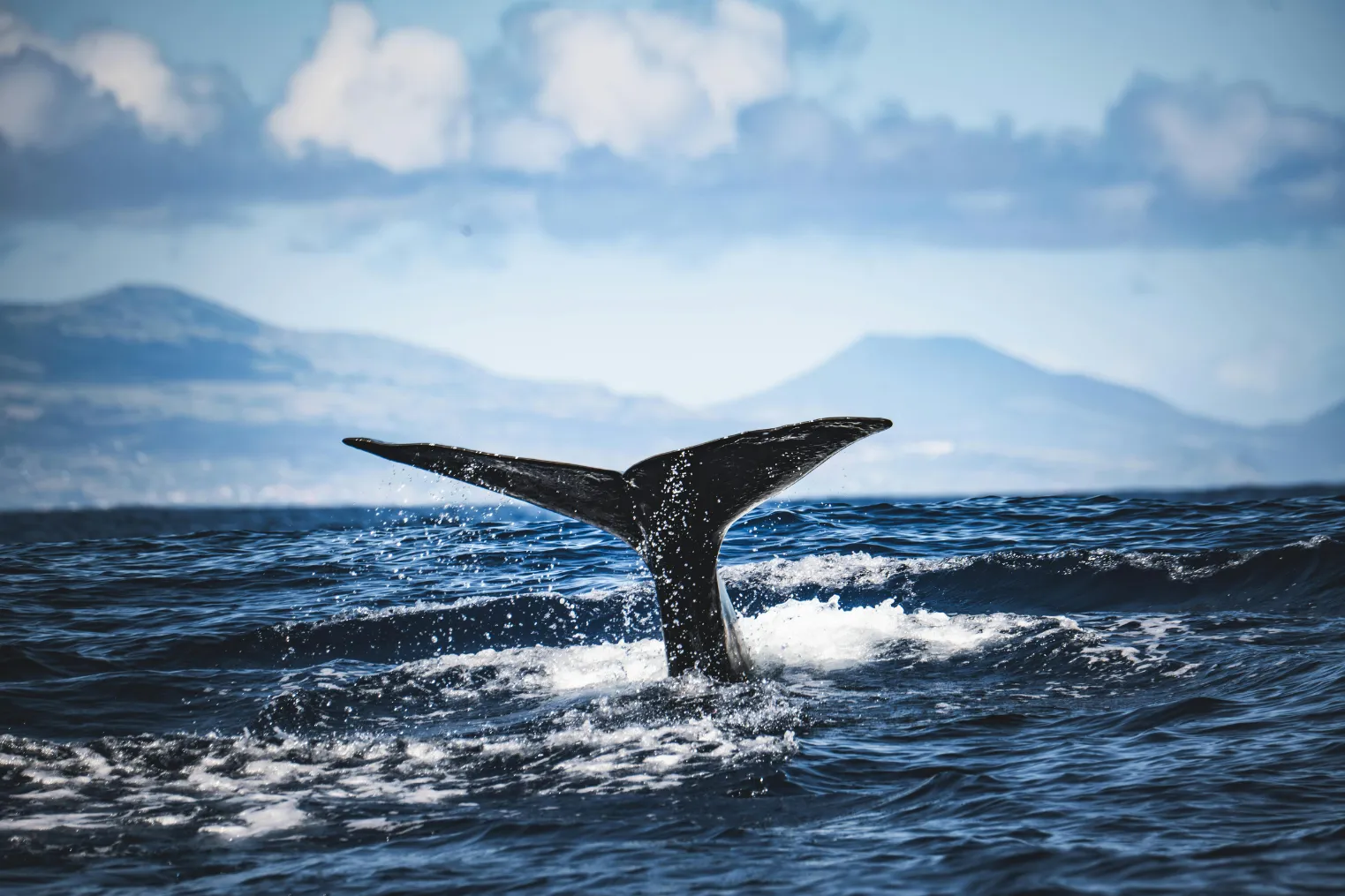
Like a door cracking open on winter’s blue stage, Honolulu Harbor sends you toward the first sign of a humpback’s world. You step aboard near Waikiki, hear lines slap the dock, and feel the morning air stay cool before the sun sharpens the water. Early departures usually bring calmer seas and cleaner views, but the right boat changes everything. Large and steady or smaller and closer to the spray, which one actually fits your morning?
Key Takeaways
- Most whale-watching tours depart from Honolulu Harbor, especially Kewalo Basin and Ala Wai Boat Harbor near Waikiki hotels like Prince Waikiki.
- Peak season runs December through May, with January to March offering the strongest humpback sightings from Honolulu departures.
- Book several weeks ahead during winter, especially for weekends and popular morning departures that usually have calmer seas and better light.
- Choose your vessel carefully: large boats offer shade and restrooms, while smaller rafts feel closer to the water but rougher.
- Bring reef-safe sunscreen, polarized sunglasses, layers, non-slip shoes, and binoculars, and check boarding time, meeting point, and cancellation policy before paying.
When Is Honolulu Harbor Whale Watching Best?
From December through May, Honolulu Harbor turns into one of Oahu’s best jumping-off points for humpback watching, with the sweet spot usually landing between January and March. That’s the peak season, when humpback whales migrate through Hawaiian waters and sightings rise fast. If you can, book an early morning departure. You’ll usually get calmer seas, softer light, and less glare on the water, which helps with photos and quick scans for blows and tail slaps. Winter trips fill up quickly, so reserve several weeks ahead if you want your preferred day. If you’d rather stay on land, try Diamond Head or the Waikiki shoreline at dawn or dusk. You might spot a distant breach and save your sea legs for shave ice later.
Why Choose Honolulu Harbor for Whale Watching?
Convenience is Honolulu Harbor’s real superpower. You can walk there from Prince Waikiki and many central Honolulu hotels, then board after breakfast and still return by early afternoon. That easy rhythm makes whale watching fit your day, not swallow it. If you need help getting there, it’s worth checking directions to Kewalo Basin Harbor before your departure.
| Perk | What you notice | Why it helps |
|---|---|---|
| Location | Short Waikiki walk | Easier morning |
| Timing | 2–3 hour trips | Half-day freedom |
| Vessels | Star of Honolulu decks | More comfort |
| Season | peak whale season crowds | Book early |
From Honolulu Harbor, you also get roomy decks, restrooms, and naturalist commentary on bigger boats. When spray hits the rail and someone spots a spout, you’ll be glad the logistics feel simple. It’s polished without feeling stiff, and the harbor’s steady departures let you spend less time planning and more time scanning.
Which Honolulu Harbor Tour Is Right for You?
You’ll want to start with vessel size, because a big boat gives you roomy decks, restrooms, and a smoother ride, while a smaller boat feels closer to the salt spray and the guide’s play-by-play. You should also match the tour style to your mood, whether that means a relaxed cruise with easy amenities or a small-group trip that feels more personal and expert-led. Oahu operators often organize the boat style options around comfort, group size, and viewing feel, which makes it easier to compare tours before booking. If you’re staying near Waikiki, the short walk to the harbor makes either option easy, so you can focus on what suits you best when the whales show up.
Vessel Size Comparison
Pick your boat carefully, because vessel size shapes the whole whale watching mood. Large multi-deck vessels give you the steadiest ride, high viewing decks, restrooms, shade, and room to roam. If you’re sailing with kids or want easy comfort, that extra space matters.
Catamarans and mid-size boats sit in the sweet spot. You still get bathrooms, some shade, and a stable feel, but with a more open, breezy deck and a smaller crowd. They’re often a solid middle choice.
Small-group rafts trade comfort for energy. You’ll move faster, feel more spray, and sit closer to the action, making raft whale watching a good fit if you want a faster ride and a closer-to-the-water view. But shade is scarce and boarding can be tougher. Private charters add flexibility, from six-passenger boats to yachts, though you’ll pay more for that freedom and privacy.
Still comparing Hanauma Bay?
Ask for tour ideas, hotel suggestions, or a simple trip plan that combines both.
Trip Helper
Tour Style Match
Start by matching the boat to the kind of morning or afternoon you actually want on the water. For an easy whale watching trip, choose larger vessels from Honolulu. You’ll get shade, bathrooms, naturalists, and room for kids to roam without turning feral. Many whale watching tours from Honolulu also include basic onboard amenities that make longer trips easier for families and first-time visitors.
| You want | You feel |
|---|---|
| Calm seats, views, snacks | Relaxed and ready to linger |
| Spray, speed, close action | Alert, salty, thrilled |
If you love convenience, Ala Wai departures keep the walk short. If sightings matter most, book early morning or west Oʻahu options for quieter water. Small rafts feel personal and lively, but comfort drops fast when seas bump up. Most tours run two to three hours, so book early in humpback season and ask about free rebooks if whales ghost you.
What to Expect on a Whale Watching Tour
Before you leave Honolulu Harbor, you’ll get a quick safety briefing so you know where to sit, how to move around the boat, and what to have ready for the ride. For a stress-free check-in, plan to arrive early enough to board without feeling rushed. Once you’re out on the water, you can watch for humpbacks breaching or slapping the surface while guides point out behavior and, on many tours, let you hear whale sounds through a hydrophone. You’ll also notice that boats keep a respectful distance, so the experience feels exciting and calm at the same time.
Safety Briefing Overview
Once you’re aboard at Honolulu Harbor, the crew usually gives a quick 5 to 10 minute safety briefing that sets the tone for the trip and makes the rest of the ride feel easy.
You’ll learn where lifejackets are, how to put them on, and where to head if the crew calls for an emergency muster. They also cover onboard rules for moving around safely, using restrooms, and following signals or audio gear. On a whale-watching tour, you’ll hear the basics of marine etiquette and why distance rules matter. The crew may also explain that responsible whale watching means staying calm, avoiding sudden noise, and never trying to attract the animals closer. The crew may suggest the smoothest seats, layered clothing, sunscreen, and non-slip shoes so you stay comfortable. Seasickness tips and bags are available, which feels reassuring before the harbor slips behind you at first light.
Wildlife Viewing Experience
Often, the real thrill begins a few minutes after Honolulu Harbor fades behind you and the boat settles into open water. On most 2 to 3 hour trips, you’ll scan for whales, especially humpback visitors that arrive from December through May. Early mornings and sunset runs often give you calmer seas, softer light, and cleaner views of a breach or tail slap. Many travelers find whale watching in Oahu worthwhile because the mix of open-ocean scenery and seasonal humpback sightings creates a memorable adventure.
- You’ll hear naturalists explain blows, pectoral slaps, and calf behavior.
- You may listen through a hydrophone and catch eerie whale songs.
- You’ll watch crews keep legal distance, so viewing stays respectful.
Bring binoculars, a zoom camera, reef-safe sunscreen, and motion-sickness help just in case. The Best Whale Watching Tours mix education with patience, so every splash feels earned and every sighting feels bigger.
Best Times for Honolulu Harbor Whale Watching
From December through May, Honolulu Harbor turns into a front-row seat for humpback season, with the best odds of sightings landing between January and March. If you’re chasing the best time, aim for those winter months, when peak humpback activity fills local waters with spouts, tail slaps, and the occasional dramatic breach.
You’ll usually get the smoothest ride on early-morning departures, roughly 6:30 to 8:30 a.m. Calmer seas and cleaner light can make fins and flukes easier to spot. This lines up with the best time of day, since morning conditions around Oahu often offer the clearest viewing. Late-afternoon cruises can also work well, especially near sunset, when glare softens and the harbor feels almost cinematic. Midday trips still see whales, but afternoon wind and chop may blur the view a bit. Since tours often sell out from December through April, reserve your spot several weeks ahead.
What to Bring on a Whale Watching Tour
Packing well can make the difference between a dreamy morning on the water and two hours of squinting, slipping, and wishing you’d planned better. Honolulu sun hits hard, so pack reef-safe sunscreen, polarized sunglasses, and a wide-brim hat. Wear layers and Non-slip shoes since early departures can feel cool and decks get slick.
- Bring binoculars for spotting whales, ideally 7x to 10x.
- Tuck in ginger chews, water, and snacks in case your tour skips refreshments.
- Pack a zoom camera or phone in a dry bag, plus a battery charger and secure straps.
For whale watching Oahu, these basics help you stay comfortable and ready for changing conditions on the water. You’ll thank yourself when a humpback breaches far off, salt sprays your sleeves, and your gear stays in your hands. That small prep keeps your focus on the ocean, not avoidable discomforts today.
Where to See Whales Near Waikiki
Usually, the easiest place to start your whale search near Waikiki is right on the water. Many whale watching boats leave Ala Wai Boat Harbor, a short walk from Prince Waikiki, and they reach southern Oʻahu waters fast. From December through May, you have a solid chance of spotting humpbacks. Many operators also provide pickup options from Waikiki, making it easier to reach the harbor without arranging your own transportation.
If you’d rather stay on shore, head to Diamond Head Road or Diamond Head State Monument for elevated views and cleaner sightlines on calm days. Makapuʻu Point also delivers wide Pacific views, especially early morning or near sunset. Along Kalanianaole Highway, the Lanai and Halona Blowhole lookouts make easy roadside stops near Hanauma Bay. Bring binoculars, watch for dark backs and sudden white spray, and let the ocean do the rest for you there.
How to Book a Honolulu Harbor Tour
For the best shot at a Honolulu Harbor whale tour, book your seats as soon as your travel dates are set. Peak season runs December through April, and January to March usually brings the strongest sightings. Reservations are easy online or by phone, but morning departures from Ala Wai Boat Harbor disappear fast. According to morning whale tours guidance for Oahu, earlier departures often bring calmer seas and better viewing conditions.
- Book early for weekends and popular operators, especially if you want calm water and softer morning light.
- Compare vessel types. Big ships give you roomy decks and onboard commentary. Smaller boats feel closer to the action and often come with more personal guidance.
- Check tour length, included extras, boarding time, meeting point, and cancellation terms before you pay. A little planning beats a rushed harbor scramble on a windy trade-wind day.
Whale Watching Rules to Know Before You Go
Before the boat even leaves Honolulu Harbor, it helps to know that whale watching comes with real rules, not just good manners. You need to keep a safe distance of at least 100 yards from humpbacks, whether you’re on a tour, on shore, or in a private boat. Certified operators follow NOAA and Hawaii protocols. They won’t charge straight at whales, chase them, or box them in. These protections are guided in part by the Marine Mammal Protection Act, which helps shape how whale tours operate around marine wildlife. Onboard, you’ll likely hear a quick briefing: stay seated when asked, keep noise low, and don’t lean over the rails. Many tours also carry naturalists who watch for stress signals and tell captains to slow, stop, or back off. These rules protect you, support conservation efforts, and give mothers with calves some breathing room to rest nearby.
Frequently Asked Questions
Is Parking Available Near Honolulu Harbor Departure Points?
Yes, you’ll find paid parking and street parking near Honolulu harbor departure points, but spaces fill fast. Arrive early, check marina lot rules, or use a park and ride, rideshare, or nearby garage instead there.
Are Honolulu Harbor Whale Watching Tours Wheelchair Accessible?
Yes, while some boats welcome you smoothly, others don’t. You should book larger vessels with wheelchair ramps, accessible restrooms, and boarding assistance, then confirm weight limits, transfer policies, and dock access at least 48 hours ahead.
What Happens if Rough Weather Cancels My Tour?
If rough weather cancels your tour, you’ll usually get weather refunds or rescheduling options. Operators contact you by phone or email, follow strict safety protocols, and may offer vouchers if conditions worsen unexpectedly after departure.
Can Children or Infants Join Whale Watching Cruises?
Absolutely, you can bring kids and infants aboard, and it’ll feel like the ocean rolls out a carpet for families. You should check child safety rules, age limits, lap-infant policies, vessel comfort, and ticket discounts first.
How Can I Prevent Seasickness on a Whale Watching Tour?
Prevent seasickness by taking antihistamines or scopolamine before boarding, choosing morning tours, sitting midship, watching the horizon, trying motion sickness remedies like ginger preparations or a pressure point band, and sipping water, not eating heavily.
Conclusion
Choose your Honolulu Harbor whale watch with the season, seas, and style you want. If you book early, catch a calm dawn departure, and pack layers, binoculars, reef-safe sunscreen, and a seasick backup, you’ll set yourself up well. From Waikiki, the harbor is an easy stroll, and the payoff can be huge: a silver sunrise, salty spray, and the sudden splash of a humpback tail. That’s a pretty good morning, even before coffee, for sure.