Salt hangs in the air, rigging taps in the breeze, and the harbor wakes up as you head for a Kewalo Basin whale watching cruise. You’ll want the right season, the right time of day, and a plan for parking or Waikiki pickup before you step aboard. A jacket helps too, because the trade winds don’t care about your vacation photos. Get those basics right, and the trip can feel a lot more rewarding.
Key Takeaways
- Check in at Kewalo Basin Harbor, Slip F18 on Holomoana Street, and arrive at least 30 minutes early for boarding and parking.
- Whale watching is best from January through April, especially February, with calmer and clearer viewing often on morning or sunset cruises.
- Expect adult fares around $72.25 and child fares around $30.37, plus possible parking, gratuity, and rebooking fees.
- Boats are typically stable catamarans with covered seating, upper-deck views, restrooms, snacks, drinks, and naturalist narration.
- Bring your booking confirmation, allow extra time for Waikiki traffic, and choose operators that follow 100-yard whale distance guidelines.
Is Kewalo Basin Whale Watching Worth It?
Why do so many Oahu whale-watching trips leave from Kewalo Basin? Because you get a convenient harbor, expert guides, and boats built for comfort and clear views. If you’re wondering whether Kewalo Basin Whale Watching Tours are worth it, the answer is often yes. You board stable vessels with covered seating, then listen to naturalists explain splashes, spouts, and surprise behaviors as you scan the water. That added context turns a nice cruise into a richer wildlife experience. Some operators even offer a rebooking if you don’t spot whales, which softens the gamble. Knowing how to get there ahead of time can also make your Kewalo Basin Harbor departure feel much more relaxed. For free viewing, Makapu’u Point still works. But if you want a guided trip with smoother logistics, better sightlines, and a chance at golden-hour ocean drama, Kewalo Basin delivers the goods.
When Is Kewalo Basin Whale Watching Season?
Timing shapes the whole Kewalo Basin whale-watching experience, and the sweet spot runs from January through April when humpback whales arrive from Alaska to mate and give birth in Hawaiian waters.
January through April is Kewalo Basin’s sweet spot, when humpbacks fill Hawaiian waters to mate, calve, and surprise you.
You can spot humpback whales as early as November, but December through April gives you the strongest odds. December on Oahu can still offer memorable sightings, especially during whale watching season as the first humpbacks begin appearing offshore. Winter on Oahu also makes the trip feel easier and a little smarter, with fewer crowds and often lower vacation rental prices.
- You might hear a sudden cheer ripple across the boat.
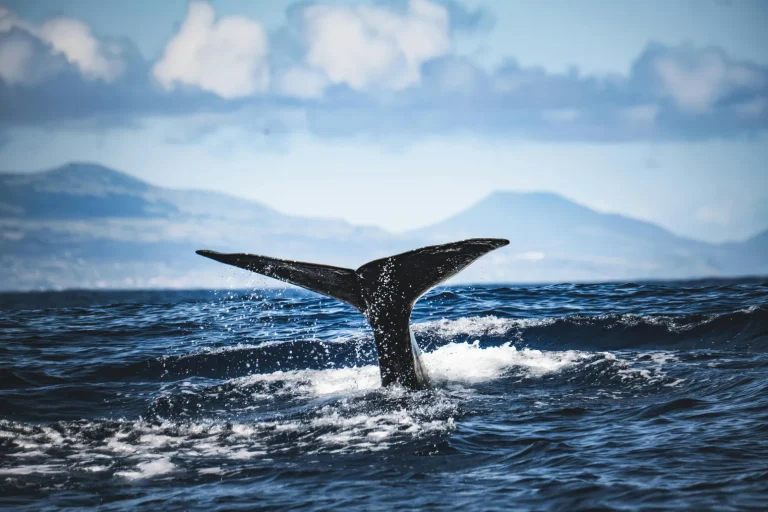
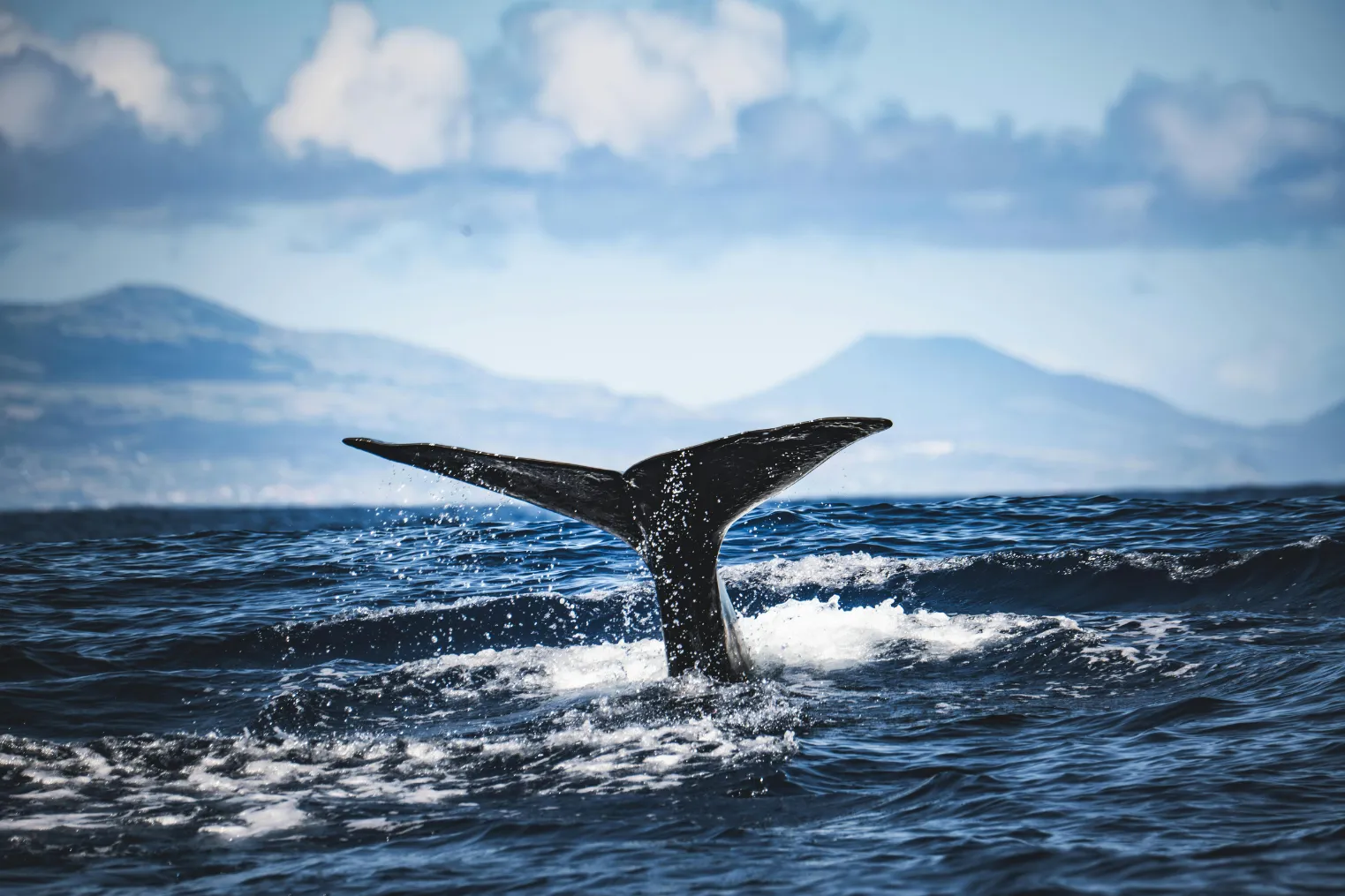
- You could watch a tail slap flash against blue water.
- You may leave with salt on your skin and a story worth retelling.
If you want the season’s best balance of sightings, value, and breathing room, plan your Kewalo Basin trip in winter.
What Time Should You Book the Cruise?
Usually, your best bet is to book an early morning cruise around 8:00 to 10:00 AM or a sunset trip that leaves near 5:00 PM. You’ll usually get calmer seas, steadier footing, and clearer visibility around Oahu, which makes spotting spouts and tail slaps a lot more comfortable. Midday trips can bring brighter light for photos, but the water often feels bumpier.
If you want an easy start, arrive at Kewalo Basin Harbor, Slip F18, at least 30 minutes before boarding. If you’re using pickup service, be ready 5 to 10 minutes earlier. Evening cruises have a useful backup too. If no whales appear, you may qualify for a morning rebooking within seven days, before April 15, 2026, with $7 fuel surcharge at check-in. These departure tips can help you plan a smoother whale watching trip from Honolulu Harbor.
Which Kewalo Basin Cruise Should You Book?
You’ll want to compare tour style first, because a two-hour sunset sail on the double-deck Ocean Intrigue feels different from a calmer 8AM or 10AM cruise when the water’s often smoother and whale sightings can come early. You should also weigh the price and extras, since the popular sunset trip runs about $72.25 for adults and adds nice touches like BYOB for non-glass drinks, water, juice, granola bars, covered seating, and easy upper-deck views. Before you book, check the small policy stuff too: arrive 30 minutes early, expect $2-an-hour harbor parking, and see whether your reservation includes pickup from a Waikiki hotel so your morning doesn’t start with a parking-lot scavenger hunt. If you want a more upscale outing, a luxury whale watching cruise in Honolulu may include more polished service and a higher-end onboard atmosphere.
Still comparing Hanauma Bay?
Ask for tour ideas, hotel suggestions, or a simple trip plan that combines both.
Trip Helper
Tour Style Comparison
If you’re deciding between Kewalo Basin whale cruises, start with the kind of ride you want as much as the price tag. From Waikiki Beach, many travelers choose a two-hour catamaran like the Ocean Intrigue for covered seating, wheelchair access, and breezy upper-deck views. For the smoothest water and best odds of seeing blows, book early morning or just before sunset. A catamaran whale watching tour from Waikiki can feel especially memorable when the ride itself is part of the experience.
- You’ll feel the hush when everyone spots a tail.
- You’ll appreciate space when boats cap numbers near 80.
- You’ll learn more with naturalists narrating each splash.
Look for operators that keep the 100-yard buffer and offer a rebooking option if whales don’t appear. Arrive about 30 minutes early, and you’ll board without the last-minute dock scramble and predeparture stress at all.
Pricing And Inclusions
Because the ticket price only tells part of the story, the best Kewalo Basin whale cruise comes down to what’s included once you step on board.
Most sunset sailings last about two hours and usually cost around $72.25 for adults and $30.37 for kids, though some trips run from roughly $53 to $140. On a good Whale Watching Tour, you’ll get snacks, cold water or juice, and a crew member who can point out blows, tails, and calf behavior. Covered and open decks matter, too, since you’ll want shade between scans of the horizon. Many boats let you bring your own drinks if they’re not in glass. Just remember extra costs can pop up, including fuel surcharges and paid basin parking by the hour. Choosing the cheapest whale watching option in Oahu often means fewer inclusions and a more basic overall experience.
Pickup And Policies
Before the boat even leaves the harbor, pickup plans and fine-print rules can shape which Kewalo Basin cruise feels easiest. You’ll check in at Kewalo Basin Harbor Slip F18 on Holomoana Street, and you should arrive 30 minutes early since Waikiki traffic and parking can crawl. For a more stress-free arrival, plan to give yourself that full 30-minute buffer before check-in. Some cruises include Waikiki hotel pickup, while others use spots like Ross Dress for Less, Romer Waikiki, or the Waikiki Beach Marriott bus depot.
- You’ll breathe easier if your ride is sorted before sunrise.
- You’ll dodge panic by knowing parking runs about $2 per hour.
- You’ll avoid sticker shock when gratuity isn’t in the fare.
Policies matter too. Miss whales on an evening trip and you may get a morning rebooking link, with a $7 per person fee. Late cancellations usually lose everything. BYOB works, just skip glass.
What Does Kewalo Basin Whale Watching Cost?
You’ll usually see adult tickets from Kewalo Basin start around $72.25, while kids ages 3 to 11 can ride for about $30.37, and it’s smart to compare Oahu tours since prices can swing from roughly $53.31 to $140.03. You should also budget for the little extras, like paid parking at about $2 an hour and possible transportation costs if your cruise doesn’t include hotel pickup, though many boats do hand out snacks and drinks. If the whales don’t show, some operators let you rebook a morning trip later in the season, but you’ll still pay a $7 per person fuel and handling fee for that second shot. Since Kewalo Basin Harbor sits directly makai of Ward Village, its ongoing harbor improvements are also aimed at making the waterfront more usable and welcoming for visitors.
Ticket Prices By Age
Two price tiers cover the standard Kewalo Basin sunset whale-watching cruise, so it’s easy to size up the cost before you book. If you’re 12 or older, expect to pay about $72.25. If you’re bringing kids ages 3 to 11, their fare usually runs about $30.37. That makes this tour in Oahu feel pretty approachable for families.
- You can hear the harbor buzz, then settle in as the sky turns peach.
- You might spot a tail slap and suddenly forget every screen back home.
- You can compare other Oahu cruises too, where prices often jump to $85, $108, or even $140.
This lines up with typical tour prices in Honolulu, where whale-watching costs can vary quite a bit by operator and cruise style. If you’re flexible, some morning or promo sailings start around $53.31, which can leave room in your budget for shave ice after the sail.
Extra Fees To Expect
That base fare looks pretty friendly, but a few small extras can nudge your total higher once you’re actually heading for the harbor. Parking at Kewalo Basin usually runs about $2 per hour, so your meter starts ticking before the boat does. For many visitors, whale watching parking in Honolulu is one of the easiest extra costs to plan for ahead of time. Some operators include Waikiki hotel pickup, while others charge for transportation add-ons, and those rates are subject to change. You’ll also want to budget gratuity since it isn’t built into the ticket price. Snacks, water, and juice are often included onboard, which helps, but alcoholic drinks and full meals usually aren’t, so BYOB if you’d like a sunset sip in a non-glass container. Also watch cancellation rules. Late changes can trigger a 100% charge, which is a pricey way to miss the whales on Oahu’s sparkling water and leave your wallet feeling salty.
Rebooking Cost Details
One silver lining softens the sting of a no-whale trip: if your first cruise comes up empty, you can claim one complimentary morning rebooking at 8 a.m. or 10 a.m.
That second chance isn’t fully free, though. You’ll pay a $7 per person fuel surcharge and handling fee at check-in. You also need to book within 7 days through the email or text link, and finish the rebooking by April 15, 2026. Think of it as a hopeful do-over, not a blank check.
This no-whale policy gives you another shot if your original tour ends without a single whale sighting.
- You get one day to reset your mood and try again.
- You still hear harbor lines clink and feel salt on the rail.
- You won’t repay the full fare, which feels like a small win.
What Is the Ocean Intrigue Like?
What makes the Ocean Intrigue stand out for whale watching is how easy it feels to settle in and simply watch the sea. You board a 65-foot double-deck power catamaran built for steadier cruising, so the ride feels smoother even when whales migrate through winter waters. The upper deck stays open for views, while covered seating gives you shade when you want a break.
You also get practical comforts: wheelchair access, two restrooms, and a guest count usually capped around 80, not 130. That means more elbow room and fewer awkward shuffle steps. Lifeguard-certified crew members and onboard naturalists keep things safe and interesting. You can sip water, lemonade, or iced tea, snack on granola bars, and bring your own drink too. These kinds of amenities are part of what many travelers look for on Honolulu whale watching tours.
What Will You See on the Cruise?
You’ll scan for North Pacific humpbacks as they breach, slap their tails, and pop up in spy-hops, with peak sightings usually running from January through April. February is often considered best month for Oahu whale watching, especially if you’re hoping to catch dramatic breaches. Between whale sightings, you’ll catch Oahu’s coastline in crisp light, and early morning or just-before-sunset cruises often bring calmer water and a sky worth keeping your camera ready for. You’ll also hear naturalists point out tail flukes, white pectoral markings, barnacle patterns, and pod behavior, so you won’t just watch the action, you’ll know what you’re seeing.
Whale Behaviors To Spot
Often, the first clue is a sudden burst of white spray, followed by a humpback launching clear out of the water in a breach that makes the whole boat go quiet for a beat. From Kewalo Basin to Hanauma Bay waters, you might spot tail slaps, pectoral fin smacks, or a curious spyhop as naturalists explain what you’re seeing. Guides often point out whale behaviors like breaching, tail slapping, and fin smacking so you can recognize each display as it happens.
- Your chest jumps when a whale breaches again.
- You lean in when bubbles hint at rare cooperative feeding.
- You soften when a mother and calf surface together, while your captain keeps a respectful 100-yard distance.
Winter and spring cruises bring these moments most often, especially on calm mornings. Bring your camera, but don’t forget to look up. Sometimes the best part is the shared gasp onboard.
Coastline And Sunset Views
As the boat leaves Kewalo Basin around 5:00 PM, the show starts before the first whale appears. You head past Diamond Head as Honolulu’s shoreline turns gold, and the ocean views feel wide open from the double-deck Ocean Intrigue. From the upper deck, you can frame Waikiki, Kakaako, and even the Leeward coast in one sweep of camera-ready light. If you prefer shade, covered seating still gives you easy sightlines as the catamaran’s steady ride skims toward whale waters. For the widest panoramas and easiest spotting, upper deck seats are often the best choice on a whale watching boat. By golden hour, Diamond Head and other landmarks sharpen into silhouettes while the harbor return waits around 7:00 PM. Bring your phone or camera. The colors change fast, and even the breeze seems to pause for the sunset and those final glowing shoreline shots tonight.
Naturalist Commentary Highlights
Then the microphones click on, and the cruise gets even better. You don’t just watch humpbacks. You learn how to spot adults, mothers, and calves by size, spacing, and behavior. Naturalists explain breaching, spy-hopping, tail slaps, and, if you’re lucky, rare bubble-net feeding. They also connect the season to the whales’ Alaska-to-Hawaii journey, with winter bringing mating and calving.
- You hear a calf’s small splash and suddenly feel protective.
- You watch a mother surface and understand the calm power beside you.
- You notice the crew keeping about 100 yards away, and the respect feels Polynesian Cultural in spirit.
You’ll also get local ecosystem context, from prey patterns to ocean conditions that shape sightings. Naturalists may also mention the sanctuary’s 15-knot speed guidance during whale season, which helps reduce the risk of vessel collisions. It’s smart, vivid, and never stuffy for first-time whale watchers aboard.
Where Do You Check In at Kewalo Basin?
Head straight to Kewalo Basin Harbor Slip F18 for check-in, right at Pier E near the main harbor entrance on Holomoana Street.
At Kewalo Basin, this is the spot where you’ll handle pre-boarding details before your whale-watching trip. Plan to arrive at least 30 minutes early so you’re not rushing past bobbing boats and clinking rigging. If you have a question or a last-minute issue, look for the Waikiki Marine Sports or E Sea Diver desk at Slip F18. Keep your booking confirmation ready, whether it’s on your phone or printed out. The harbor can feel busy and breezy, with gulls overhead and engines humming, so having the exact check-in point makes the start of your morning much smoother and more exciting for sure. This helps set clear expectations for your whale watching pickup experience in Waikiki.
How Do Parking and Waikiki Pickup Work?
Once you know Slip F18 is your check-in spot, the next question is how you’ll get there without a last-minute scramble. If you drive, arrive at least 30 minutes early. Waikiki traffic can crawl, and harbor parking costs about $2 per hour, so you’ll want payment ready.
- You’ll feel calmer when you spot a space and hear the harbor clink awake.
- You can skip driving stress with round-trip pickup from select Waikiki hotels.
- You’ll save yourself confusion by confirming pickup details when you book.
Some reservations include complimentary pickup, while others let you add it for a fee. Common Waikiki meeting spots include Ross Dress for Less on Seaside Avenue, the Waikiki Beach Marriott bus depot, and Romer Waikiki at The Ambassador, often around 4:30 to 4:40 p.m. for evening cruises. Warm waters await. For many Waikiki pickup options, departure details vary by tour, so it’s smart to double-check both your meeting location and departure time before the day of your cruise.
What Should You Bring on the Cruise?
Pack for shifting ocean conditions, and you’ll enjoy the cruise a lot more. Bring a light jacket or sweater and a hat, because breezes can feel cool on the two-hour trip, especially as the sun sets. For daytime sailings, pack reef-safe sunscreen, polarized sunglasses, and a camera or smartphone so glare doesn’t steal the view. If you’re prone to seasickness, take medication about an hour before boarding and aim for center seats. Want drinks? Bring non-glass BYOB beverages in a small soft cooler and follow the operator’s rules. Don’t forget whale watching essentials like sunscreen, sunglasses, and a camera to make the most of your Oahu cruise. Keep your booking confirmation handy, printed or digital, and give yourself extra time for paid harbor parking and check-in at least 30 minutes before departure. Easy prep makes everything smoother once you’re on the water.
What If You Don’t See Any Whales?
Even with good planning and a camera ready, whales don’t always stick to the script, and that’s part of being on the ocean. If your evening Kewalo Basin cruise comes up whale-free, you can usually rebook a complimentary morning trip at 8AM or 10AM. Watch for the link sent by email or text, then choose a new date within seven days. Be sure to review the cancellation policy before rebooking so you understand any limits, fees, or deadlines that may apply.
- You get another shot at that tail slap, bright and early.
- You’ll pay a $7 fuel and handling fee at check-in.
- You’ll need your own ride back, so plan like you would for Kualoa Ranch.
You must follow the operator’s rebooking process, and the offer ends by April 15, 2026. If you skip rebooking, check the cancellation rules carefully before making other plans.
How Ethical Are Kewalo Basin Whale Tours?
How can you tell if a Kewalo Basin whale tour is truly ethical? You look for captains who keep the 100-yard distance, move slowly, and track whales from the side instead of charging in head-on. The best boats also carry naturalists and lifeguard-certified crew, so you learn about humpback behavior without turning the trip into a chase scene.
Before you book, read the fine print. Ethical operators ban touching, baiting, and any stunt that stresses wildlife. They post eco-policies, explain conservation support, and state their viewing rules clearly. Some even offer a rebooking if whales don’t appear, which beats pushing too close for a photo. Check passenger limits too. Less crowding means calmer decks, better views, and a smarter choice than Ko Olina alternatives.
Frequently Asked Questions
Is the Ocean Intrigue Wheelchair Accessible?
Yes, you can board the Ocean Intrigue with wheelchair access available. You’ll find accessible seating areas and onboard restrooms, but you should arrive 30 minutes early and contact the operator to confirm your mobility needs.
Are There Restrooms Available Onboard?
Yes, you’ve got two restrooms onboard, and just when you’re thinking ahead, the Onboard facilities make things easy. You can use them during the two-hour cruise, though arriving early lets you use restrooms first too.
Is the Cruise Suitable for Young Children?
Yes, you’ll find the cruise suitable for young children because it’s wheelchair accessible, welcomes all ages, and offers restrooms, covered seating, and crew. For child friendly tips, bring non-slip shoes, sunscreen, jackets, and motion-sickness meds.
What Happens if the Cruise Is Canceled for Bad Weather?
If rough seas hit, you’ll get notified and the operator may cancel or reschedule. For example, if winds spike overnight, check your email. Cancellation policies let you rebook or request a refund, but act quickly.
Should You Take Seasickness Medication Before Boarding?
Yes, you should take seasickness medication before boarding if you’re prone to nausea. For Motion mitigation, take meclizine or dimenhydrinate an hour ahead, or apply scopolamine four hours before, avoid alcohol, and sit midship for comfort.
Conclusion
At Kewalo Basin, a whale watch can feel like tuning a radio and suddenly catching the clearest song on the dial. You check in at Slip F18, pay about $2 an hour to park, zip up a light jacket, and head out early when the water is calmer. From December through April, especially in February, you’ve got the best odds. Bring your camera, stay flexible, and let the harbor noise fade behind that first spout.