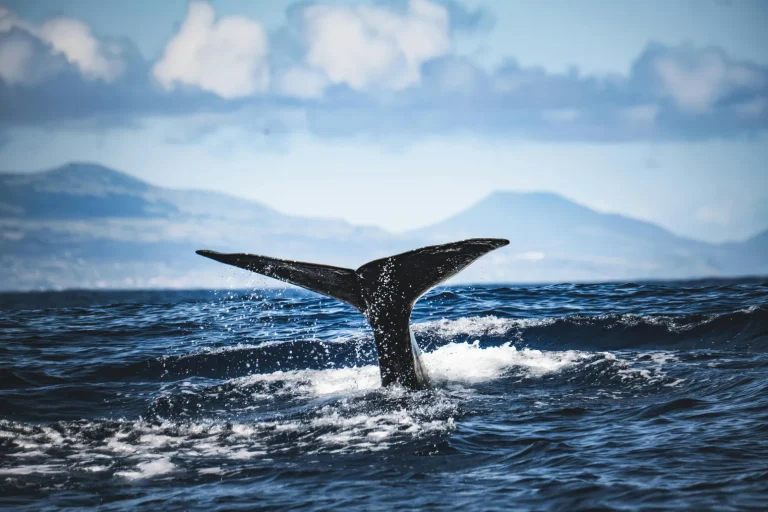
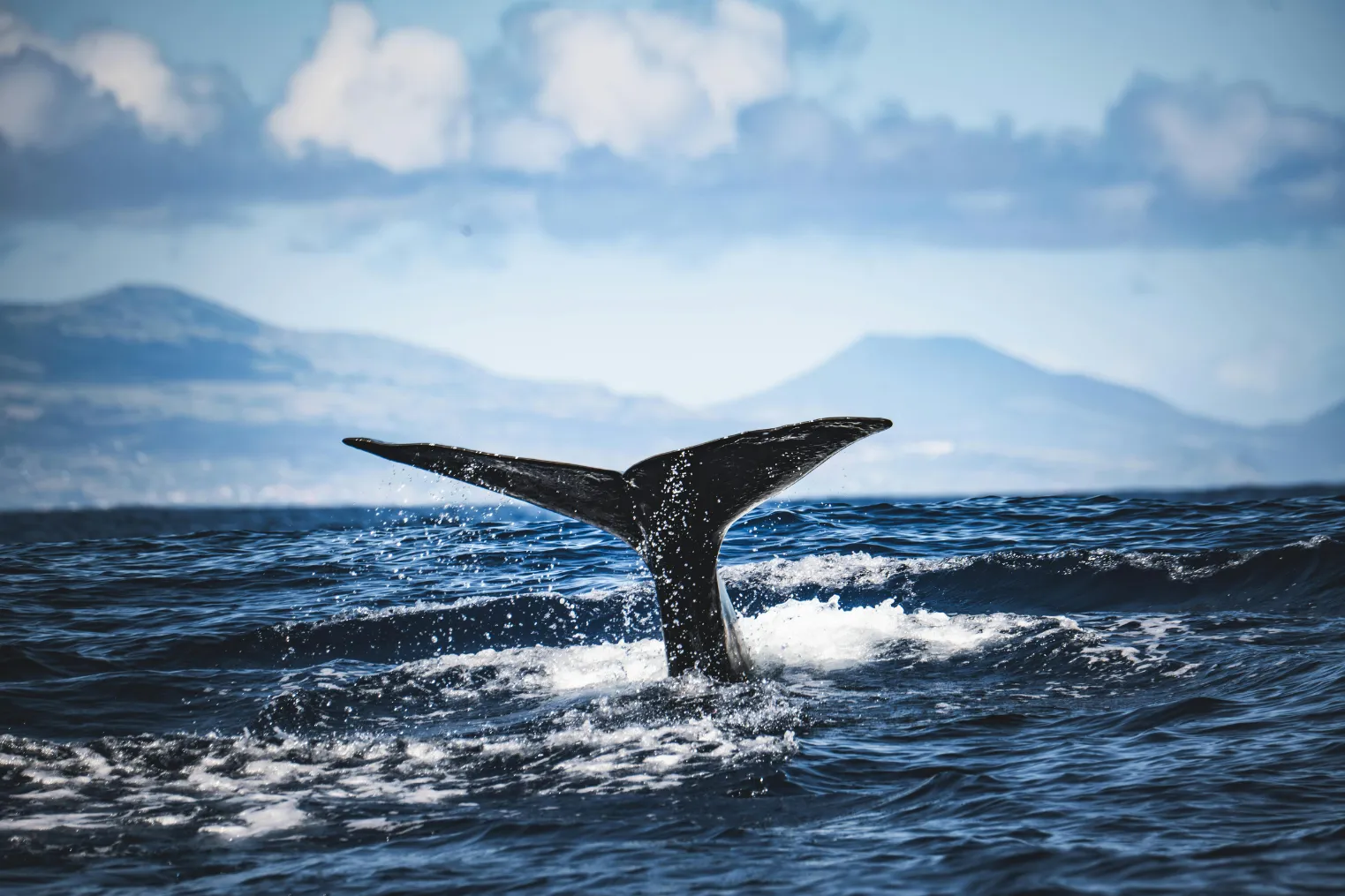
On Oahu, the cheapest whale-watch tickets can cost less than half the price of a longer charter, sometimes around $40 to $60 a seat. That sounds like a steal when you spot a humpback’s silver splash off Waikiki. But low fares usually buy you less time on the water, tighter seating, and fewer chances when whales surface far offshore. Before you book the bargain boat, it helps to know exactly what that discount trims away.
Key Takeaways
- Cheapest Oahu whale watches start around $60 for 1.5-hour shared catamaran sails, but shorter trips mean less time actively searching for whales.
- Budget tours often stay near Waikiki or Kewalo, sacrificing offshore range and sometimes lowering sighting odds compared with longer North Shore departures.
- Cheaper boats are usually more crowded and basic, with more spray, less shade, harder seating, and often limited bathroom access.
- Low-cost shared tours typically cut extras like naturalist narration, hydrophones, snacks, photography help, and flexible time spent with sightings.
- Private charters cost more upfront, but splitting roughly $400 among four to six people can rival shared-tour pricing with better comfort and flexibility.
How Much Cheap Oahu Whale Watching Costs
Start with the budget end, and Oahu whale watching can be more doable than you might think. Cheapest shared cruises often mean a 1.5-hour catamaran whale-watching sail for about $60 per person. If you want a fuller outing, typical shared-tour fares usually land between $100 and $150 per person. You can sometimes trim that price per person with early-bird discounts, which may cut select departures from Kewalo or the North Shore by 10% to 15%. At the other end, private charters start near $400 for small groups and climb toward $2,500 for luxury boats. So if you’re price-shopping, shared cruises set the baseline, especially when a shorter duration helps you fit whales, salt spray, and harbor logistics into one easy morning or afternoon outing. Some lower-cost tours also simplify what’s included, so the cheapest fare may cover the boat ride but offer fewer extras than a more expensive Honolulu whale watching tour.
What You Give Up on Cheap Tours
With a cheap whale watch, you usually trade a longer search for a quick 1.5 to 2 hours on the water, so you’ve got less time to find active pods. You may also end up on a bigger, busier boat that feels more practical than cozy, with tighter viewing space and more engine noise in your ears. The savings are real, but so is the chance that you’ll miss the extra comfort and unhurried pace that make sightings feel a little more magical. Knowing how to choose a whale watching tour in Honolulu can help you weigh low prices against time, comfort, and overall experience.
Shorter Trips
Often, the bargain on a short whale watch comes with a trade you’ll feel once the boat leaves the harbor. With shorter trips, you get limited search time, so your odds drop versus a 2 to 3 hour run or a 5-hour catamaran sail.
| Option | What you gain | What you miss |
|---|---|---|
| short trips on catamarans and power rafts | less time transiting | fewer naturalist talks |
| fixed afternoon departures | easy planning | whales farther offshore |
Small boats can also offer a more personal feel, but small group whale watching in Oahu usually costs more because you are paying for fewer passengers and more individualized attention. Cheap cruises usually stay nearer shore and don’t wait long with engines idle. You may spot a blow, hear spray, then move on before the scene unfolds. That brisk pace can feel efficient, but it leaves less room for surprise some days.
Less Comfortable Boats
Step down in price and you’ll usually climb aboard a boat that asks more from your body. On cheaper shared tours, you’re often riding high-speed rubber rafts or crowded catamarans instead of a private yacht. That means more spray, more bounce, and less elbow room when everyone shifts for a whale breach. You may find cramped seating, no shaded deck lounges, and limited onboard amenities. Think no cabin, fewer bathrooms, and maybe a basic drink cooler. Some budget boats also pair simpler layouts with shorter-duration trips, so you get less time to settle in or wait out choppy water. According to Raft Whale Watching, those high-speed raft tours on Oahu also ride faster and closer to the water. You can still spot humpbacks and feel the thrill of the channel. You’ll do it with sun on your shoulders and salt in your hair.
Best Cheap Oahu Whale Watching Tours
Surprisingly, you can book an Oahu whale-watching tour for about $60 per person, especially on shorter shared sails like the 1.5-hour catamaran trip from Kewalo Boat Harbor.
These cheap tours usually leave from Waikiki Kewalo Boat Harbor, making budget whale watching easy to fit into a beach day. On a shared catamaran, you’ll hear the wind, feel the salt spray, and scan blue water fast, but shorter durations mean lower sighting odds than North Shore runs. Boats often carry more people, so rail space and photo angles can get tight. Still, private charters vs shared isn’t only about luxury. Even economy trips follow the 100-yard rule, drift quietly at sightings, and give you a legal, conservation-minded look at humpbacks without wrecking your wallet today. Before booking, review Kewalo Basin tips so you know what to expect from departure, conditions, and tour pacing.
Cheap Tours vs Shore Whale Viewing
Sometimes the cheapest whale watch on Oahu is no tour at all. With shore whale viewing from Makapu’u Lighthouse, Shark’s Cove, or La’ie Point, you pay nothing, hear the wind, and scan blue water for distant spouts. These shore spots are often listed among the best places to see whales on Oahu from land. It’s classic Oahu whale watching, but sightings feel less reliable and often stay in binocular territory.
Cheap tours narrow that gap. Shared boat tours can start around $60, yet you trade elbow room, shade, seating, and photo angles for the fare. Many shared boat tours run only 1.5 to 2 hours, and morning vs afternoon matters because rougher later seas can raise your odds of seasickness. Cheap tours also can’t match private charters, which cost more but give you quieter decks and better positioning to find whales.
Best Time for Oahu Whale Watching
Usually, the best time for Oahu whale watching lands between December and March, when humpback whales return to Hawaii and spouts start rising beyond the island’s blue horizon.
During the Oahu whale season, you’ll find the best whale watching opportunities in midwinter, though whale sightings timing shifts each year. Some years the whale watching peak month is January. Other years peak whale season builds into March. You can still spot whales outside that crest, and a lucky April or May view isn’t impossible. Morning tours fit many schedules, but departures all day can work when trade winds and sea conditions cooperate. If you want a booking window, aim for January through March, stay flexible, and watch for black backs, misty blows, and tail slaps. For the best time to book, reserve your tour well ahead of the busiest January through March stretch, especially if you want more choices in departure times.
Why Morning Whale Tours Are Better
Once you’ve picked the right months, the next smart choice is the time of day, and morning tours often win. You usually leave around 7 AM, before trade winds roughen the channel, so you get calmer seas and a smoother ride. That matters if you’re prone to motion-sickness, but it also helps you actually spot blows and breaches instead of squinting through chop. Cooler air and softer sun make the deck more comfortable, and your photo opportunities improve fast. You’ll often find less boat traffic too, which keeps views cleaner and the mood quieter. Some operators even drop a hydrophone on morning tours, so you can hear whale songs with less surface noise. If you’re staying in town, asking about Waikiki pickup can also make an early departure much easier to manage. Same whales, better conditions, fewer regrets for your first coffee-fueled crossing.
Why Short Whale Tours Lower Odds
Often, the shortest whale tours sound like an easy win, but they quietly cut your odds. On short tours, you get less time searching, not more serendipity. A short cruise might last 1.5 hours, not 5 hours, so you cover fewer patrol zones and miss distant pods. For last-minute tours, that time squeeze can be even more limiting when realistic options are already narrower.
| Factor | What happens | Your result |
|---|---|---|
| Short tours | Less time searching | Fewer encounters |
| Transit time | Minutes disappear en route | Less viewing |
| Fixed schedules | No waiting or repositioning | More empty returns |
If departure starts farther out, transit time eats prime water fast. With fixed schedules, the captain can’t linger when spouts appear late. Add crowded vessels, slower turns, and elbows near the rail, and even nearby whales feel strangely far away when the ocean looks full of promise anyway.
What Cheap Whale Tours Usually Lack
When you book a cheap whale tour, you often get a shorter trip on a bigger, busier boat, so your view can feel more elbow-to-elbow than front-row. You may also trade cushioned comfort for hard benches, more spray, and less room to move when a whale suddenly surfaces. And while the low price looks good at checkout, you usually give up the extras that make the ride richer, like snacks, a naturalist’s commentary, or the thrill of hearing whale sounds through a hydrophone. That’s why choosing the right boat style in Oahu can make a big difference in the overall whale watching experience.
Shorter Trip Length
Saving money can mean giving up the one thing whale watching needs most, and that’s time on the water.
Cheap tours often use short 1.5-hour cruises, so you spend less active searching time looking for blows, tails, and breaching shadows. Transit and safety briefings can eat a big slice of the clock. With a limited geographic range, your captain may stick to nearshore sightings instead of running farther offshore where whales travel and feed. That shorter window can lead to fewer whale encounters, especially when longer tours can sweep more ocean. You also get reduced scheduling flexibility, since budget departures may run only once or twice a day. If timing misses peak activity, you’re left watching waves sparkle and hoping the whales didn’t clock out. Choosing between morning and afternoon departures can matter too, since tour timing affects your odds of seeing active whales on Oahu.
Less Comfortable Boats
Although the ticket price looks friendly, the boat itself may feel pretty bare-bones the minute you step aboard. On cheap shared tours, you’ll often board crowded catamarans or basic powerboats with limited shaded seating, so you trade elbow room for savings and bake a bit more in the sun. For best whale watching views, cheaper tours may also leave you with fewer ideal seating options, making it harder to spot whales clearly without shifting around.
| Boat type | What you notice | Why it matters |
|---|---|---|
| Catamarans | crowded decks | less personal space |
| Powerboats | harder benches | rougher ride |
| Budget setups | no onboard bathrooms | less comfort |
You also won’t find the roomy lounges or steadier enclosed spots that help if swells hit. On shorter cruises, that simpler setup can feel long fast. If you’re prone to motion sickness, you may miss having a corner to regroup while engines hum and salt spray taps the rails.
Fewer Included Extras
The stripped-down boat usually comes with a stripped-down experience too. With budget whale-watching tours, you pay less, but you also notice fewer included extras right away.
- shorter durations, often just 1.5 hours on the water
- cheaper shared boats with no onboard naturalists
- no hydrophone use, so you won’t hear whale songs live
- boats that lack comforts like shade, roomy seats, or bathrooms
- no breakfast, photos, snorkel gear, turtle swims, or private timing
Arriving a bit early for whale watching check-in can also make a budget tour feel less hectic, even if the onboard experience is more basic. You still might spot a spout, a tail slap, and that thrilling dark shape rolling through blue water. But you’ll do it with more sun on your shoulders, less context in your ears, and fewer bundled perks. Sometimes the bargain is simple. Sometimes it’s simply bare for your first budget-minded ocean outing.
Why Crowded Boats Hurt the Experience
Pack too many people onto a whale watch, and the magic starts to thin out fast. On crowded shared tours, you deal with limited space on decks, packed shaded lounges, and elbows in your photo frame when a humpback surfaces. Crews often rotate viewing positions, so you spend less time at the rail than you would on small-group private charters. Inside, engine hum, chatter, and squeaky seats can drown out the naturalist and even the hydrophone whale songs. With more passengers aboard, crew attention divided means less help spotting spouts or framing shots. Full boats also bring longer restroom lines, more bumps and jostling, and a higher chance that seasickness and discomfort ripple through the cabin. You came for wonder, not a floating queue. Responsible operators also enforce whale watching rules, which can mean stricter viewing distances and less flexibility when a crowded boat makes respectful wildlife encounters harder to manage.
Why Whale Watching Rules Limit Close-Ups
When you head out for whale watching on Oahu, you can’t expect a movie-style close-up because boats must stay at least 100 yards from humpback whales. You’ll often watch from a respectful distance as the captain cuts the engines and waits for a surfacing, which protects the whales and keeps the trip legal. This 100-yard rule is the main reason even the cheapest whale watching tours on Oahu won’t get dramatically closer. That buffer may test your zoom lens, but it puts conservation first and lets you enjoy the blow, splash, and even whale song without crowding the animals.
100-Yard Legal Buffer
Out on Oahu’s winter water, every great whale sighting comes with one firm rule: boats must stay at least 100 yards, or 300 feet, from humpback whales in Hawaiian waters. That legal buffer shapes what you see and how your captain handles the moment. The Marine Mammal Protection Act helps guide these tour rules by setting protections meant to keep marine mammals from being disturbed or harassed.
- You usually slow or turn off engines.
- You watch from 100 yards under boat distance regulations.
- You get a side viewing angle, not a straight-on rush.
- You need a long lens for blow and skin detail.
- You may hear songs by hydrophone while the boat holds position.
Those moves help avoid disrupted breathing and mother-calf mix-ups. So yes, close-ups shrink, but your view stays lawful, calm, and surprisingly dramatic when a breach erupts beyond that invisible line for you aboard.
Conservation Over Close Encounters
Because the goal is to protect whales, not stage a selfie, Oahu’s watching rules put conservation ahead of close-ups. You’ll notice the 100 yards buffer in action fast. In Hawaii, the 100 yards buffer is the standard safe distance for whale watching to reduce disturbance and protect humpback whales. Boats idle at a respectful distance during humpback whale migration, and captains follow distancing protocols instead of chasing a better angle.
That means restricted close encounters are part of the deal, especially on cheaper trips built around tour operator compliance and group viewing. You might hear engines go quiet, feel the boat rock gently, and watch a dark back roll through bright water. If a pod changes course, conservation-driven rules can shorten the sighting. That restraint also helps the Sanctuary Whale Watching Count stay useful, since researchers need natural behavior, not whale reactions to enthusiastic humans with cameras and very optimistic zoom lenses.
Best Oahu Areas for Whale Watching
If you want the best odds of spotting humpbacks around Oahu, start with the North Shore, where places like Haleiwa, Shark’s Cove, Turtle Bay, and La’ie Point usually see more action than the south shore.
You can also try free lookouts on the east side, but distant blows often look like tiny puffs of smoke during winter mornings if the sea cooperates early.
These shore viewpoints can be a practical way to watch whales on Oahu without paying for a boat tour.
- North Shore boat tours from Haleiwa or Waianae get you closer to whales.
- Waikiki trips save transit time, but sightings can be thinner off Honolulu.
- Makapuʻu Lighthouse gives classic shore-based viewing, especially in peak whale season.
- Halona, Lanaʻi Lookout, and Spitting Caves offer free scans with salty wind.
- Bring binoculars, clear weather, and patience, unless a tail decides to show off.
When a Private Charter Is Worth It
A private charter starts to make sense when you split the cost with your group, since a small boat may start around $400 and feel far more reasonable once everyone chips in. You also get comfort and freedom that shared tours can’t match, with shaded seats, a bathroom onboard, and start times that fit your day instead of the boat bossing you around. Best of all, you can head straight toward strong whale areas and set up cleaner viewing and photo angles, even though the whales still keep the final say. Still, a private charter usually costs more upfront than a shared whale watch, so the value depends on your group size and priorities.
Group Cost Advantage
For many groups, the math gets surprisingly friendly once you price out a private charter. Split a $400 boat four ways and your per-person cost can rival shared tours charging $100 to $150 each. As your group size grows, private yacht charters start looking less fancy and more practical. A luxury whale watching cruise in Honolulu often adds amenities and a more polished onboard experience, which helps explain why private pricing can make sense for groups.
- Four friends can match budget fares surprisingly fast.
- Six guests can beat many standard shared tours.
- A high-speed Zodiac may justify more money through broader search range.
- Customizable start times can help you chase calmer morning water.
- Cheapest shared tours still trade away comfort and privacy.
You hear the dock lines slap, smell salt on the breeze, and realize the real question isn’t private versus cheap. It’s whether your headcount changes the deal for you.
Comfort And Flexibility
On the water, comfort often turns out to be the real upgrade. With shared tours, you usually save money, but you give up flexible scheduling and the easy pace that can make a long ride feel pleasant. Private charters can start around $400 for a small group, and you can choose morning departures or later times that suit your stomach, your kids, or your coffee habits.
You also notice the difference in space and comfort. Budget boats may have tight benches and limited shaded seating. Private charters often give you roomy lounges, softer seats, and a quieter place to settle in. If you want to bring snacks, drinks, or add a snorkel stop, that’s easier too. Even zodiac/high-speed options let you shape the trip around your group, not the crowd that day.
Better Viewing Access
At the rail, the biggest private-charter perk is often simple: you get a cleaner view of the whales. With private charters, you choose timing and routes instead of accepting shared tours schedules, which matters when North Shore whale density looks best.
- Fewer elbows at the rail improve viewing access.
- Small private vessels pivot fast for better photo angles.
- High-speed Zodiacs scout wider water and find active pods.
- You stay on scene longer while captains follow legal approach rules.
- Less crowd noise means more blows, splashes, and tail slaps.
You won’t get closer than the law allows, but you can often hold the best side of the boat, track a surfacing pair, and skip the polite shoulder shuffle that comes with packed budget cruises at sea.
North Shore Whale Watching Is Worth the Drive
Often, the best whale watching on Oahu starts with a drive to Haleiwa Harbor, where North Shore boats generally have a better shot at finding humpbacks than routes out of Waikiki.
For North Shore whale watching, the extra drive from Waikiki pays off because whale sightings higher off Haleiwa Harbor draw operators like Bob Marlin Charters and Deep Blue Eco Tours. You can pick departures, then wander Haleiwa town or Shark’s Cove after the spray dries. If you’re with friends, private charters can stretch your budget farther than you’d think. Bob Marlin Charters keeps small groups nimble, and the harbor feels less hectic than town. You trade highway time for salt air, fewer crowds, and a better chance of hearing someone call out a blow.
How to Book Cheap Whale Tours Smart
Saving money on whale watching in Oahu usually comes down to timing, boat style, and a little restraint when the glossy private charters start calling your name.
- Choose shared tours on shorter catamarans, like a 1.5-hour Kewalo sail, for cheap whale watching.
- Search Oahu whale tours early and lock in early-bird fares or codes like EARLYBIRD and WHALES10.
- Pick morning departures or midweek slots, when seas feel calmer and rates often dip.
- Try North Shore Deep Blue Eco if you want smaller shared tours without private charter prices.
- Accept trade-off sightings, shorter trips, bigger crowds, and less hand-holding if savings matter most.
You’ll hear engines hum, salt spray tap the rails, and maybe spot a breach, but you won’t buy extra flexibility that day.
Frequently Asked Questions
Are Cheap Whale Tours Suitable for Young Children and Seniors?
Yes, you can choose cheap whale tours if they’ve got child friendly seating, age appropriate safety, quiet viewing tips, motion sickness prevention, emergency medical prep, and senior friendly pacing for shorter attention spans onboard today.
Should I Tip the Crew on a Budget Whale-Watching Tour?
Yes, you shouldn’t crown yourself king of thrift; follow cash etiquette, meet service expectations, show crew appreciation, ask about group tipping, respect local customs, budget tour gratuity, and use tip alternatives if you can’t tip politely.
What Should I Wear on an Inexpensive Whale-Watching Trip?
Wear light layers, a waterproof jacket, and non slip shoes. You’ll want sun protection, motion medication if needed, plus a binoculars strap and small backpack, so you stay comfortable, steady, and ready on a whale-watch.
Are Cheap Oahu Whale Tours Wheelchair Accessible?
Usually, you won’t find reliable wheelchair access on cheap Oahu whale tours; you’ll need to confirm boat boarding, assistive seating, restroom availability, transfer services, crowd management, and accessible viewing directly with operators before you book.
What Happens if Bad Weather Cancels My Whale Tour?
About 30% of winter sailings face weather delays; you’ll get weather refunds or rescheduling options per the cancellation policy, plus company notifications, refund timelines, trip insurance guidance, and shore based alternatives if seas stay unsafe.
Conclusion
Cheap whale watching on Oahu can absolutely work if you know the trade-offs. You’ll save cash, step aboard faster, and still scan blue water for a tail slap or spout off Waikiki or Kewalo. But bargain trips are a postcard, not the whole film. Less time, tighter space, and fewer extras shape what you see. If you book with clear eyes and good timing, you can catch that winter magic without blowing your beach-snack budget.