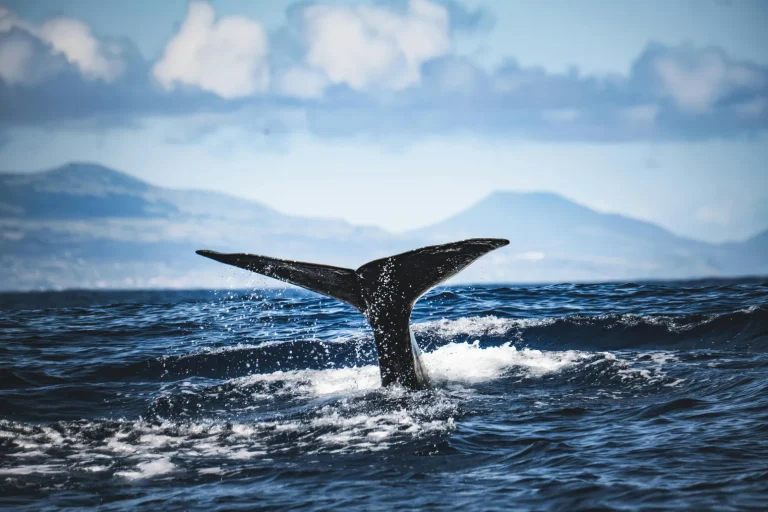
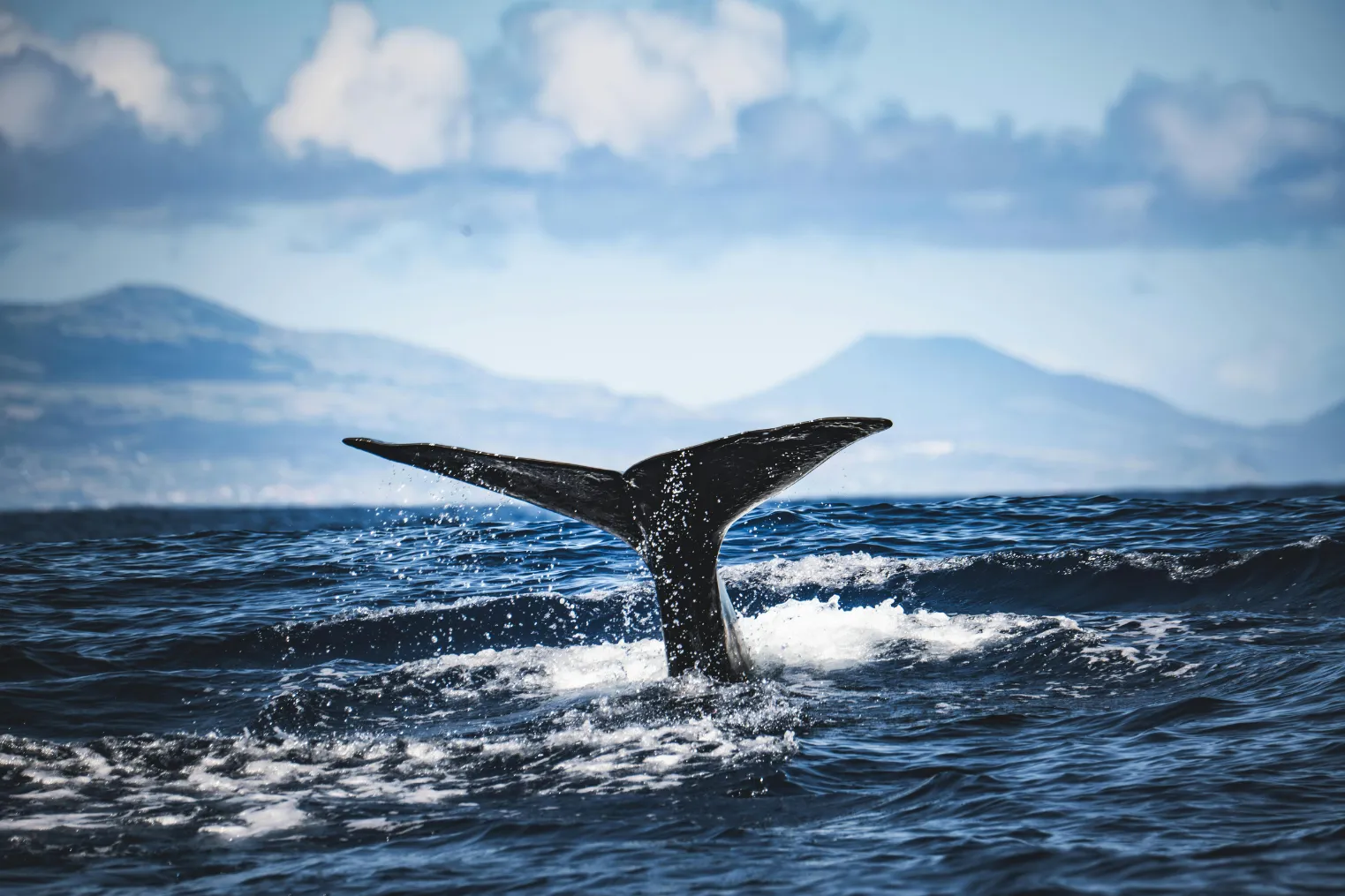
If you’re on Oahu in December, you’ve picked a promising moment to look for humpbacks as the season starts to build. You might catch a tall spout offshore, a dark back rolling through blue water, or a long white fin flashing in the sun. Early mornings help, and so do binoculars. Shore lookout or boat tour? That choice changes what you’ll notice first, and what you might hear too.
Key Takeaways
- December marks the start of humpback season on Oʻahu, with regular sightings, though peak whale activity usually arrives from January through March.
- You’ll most often spot tall spouts, dark backs, flukes, fins, and occasional surface rolls, while breaches are less common than in February.
- Makapuʻu Lighthouse Trail, Diamond Head lookout, Kaʻena Point, and some North Shore overlooks are top shore spots for patient early-morning scans.
- Calm mornings, clear air, polarized sunglasses, binoculars, and 15-minute focused scans greatly improve your chances of spotting repeated surfacings.
- Mid-December boat tours usually run 1.5 to 2 hours, often with hydrophones and guides who help you spot behavior and hear whale song.
Is December a Good Time for Oahu Whale Watching?
Absolutely, December is a good time for Oahu whale watching if you’re happy to catch the season as it begins. You won’t hit the busiest part of humpback season yet, but by mid-December many whale watching tours are running and regular sightings happen. If you want the best odds, book an early morning cruise when the sea often looks smoother and the horizon feels easier to read. You can also try land based viewing from Makapuʻu Lighthouse Trail or Diamond Head lookout. Give yourself fifteen quiet minutes and scan the water during calm surf. If you like a DIY angle, you might even hear whales while snorkeling safely. December won’t guarantee you’ll see whales every time, but it gives you a strong, exciting start. Since December marks the start of whale watching season on Oahu, it’s a smart choice for travelers who want to see early arrivals before peak winter crowds.
What Whale Sightings Are Common on Oahu in December?
Often, your first December whale sighting off Oʻahu is a tall spout rising above the water, followed by the dark curve of a humpback’s back as it surfaces to breathe.
By mid-December, thousands of humpback whales have reached Hawaiian waters, so you’ll usually spot spouts first, then a rolling back, and sometimes a fluke or long fin. While December offers excellent sightings, February whale watching is often considered the best time for breaches on Oʻahu. Breaches happen, but not as often here, so every airborne splash feels like a bonus.
When you go whale watching, keep your eyes on one blow and wait. In calm seas, the same whale often surfaces again nearby. If you’re lucky, you won’t just see movement. You may hear whale songs through a hydrophone, a haunting soundtrack that turns a simple scan of blue water into something
Should You Watch From Shore or Book a Tour?
While December kicks off humpback season on Oʻahu, you don’t have to book a boat to see whales. If you like flexibility, shore spotting can work well early in the month, especially on calm sea days when you give the water a focused 15-minute scan. Bring binoculars, settle in, and look for a spout, fin, or sudden dark back.
If you want better odds and richer context, book a whale-watching tour. Most trips last 1.5 to 2 hours, and many use hydrophones so you might hear Whale song under the hull, which is pretty unforgettable. Guides also explain behavior as you watch. Choose your boat for comfort. Large boats feel steadier, catamarans balance speed and ease, and small boats feel close but can test your stomach. If you’re comparing options, boat style can make a big difference in comfort, stability, and how close you feel to the action.
Best Oahu Whale Watching Spots From Shore
You’ve got several strong shore options in December, and each one rewards a different kind of watcher. At Makapuʻu Lighthouse Trail, you can pause by the whale sign and scan for spouts and flukes, while Diamond Head lookout gives you a high calm-morning view of blows and surface splashes. If you want a wilder outing, Kaʻena Point can pay off too, but you’ll earn those sightings with a long hike and a bit of parking strategy. These are some of the best shore spots on Oahu for whale watching when you prefer to stay on land.
Still comparing Hanauma Bay?
Ask for tour ideas, hotel suggestions, or a simple trip plan that combines both.
Trip Helper
Makapuʻu Lighthouse Trail
Climb the Makapuʻu Lighthouse Trail and you’ll reach one of Oʻahu’s best places to watch for whales from shore.
Head about two thirds up to the whale sign. Stop there first, then scan again on your walk back. In December, you might see any whales by spotting big spouts, fins, or flukes. Early morning usually brings calmer seas, which makes best whale watching easier. It’s one of the most reliable shore viewpoints for whale watching without a boat on Oʻahu.
| What to do | Why it helps | What to watch |
|---|---|---|
| Bring binoculars | You’ll spot details farther out | Spouts and fins |
| Scan 15 minutes | Patience improves odds | Repeat surfacing |
| Return scan | Light and angles change | More whales |
Breaking waves can hide blows, so stay patient. This quick stop is accessible, scenic, and rewarding, even when sightings aren’t guaranteed.
Diamond Head Lookout
Just beyond the curve of Waikīkī, Diamond Head Lookout gives you a wide, elevated view of the ocean without the hike to the crater summit. In December, this Diamond Head lookout lets you scan the blue corridor where humpbacks may pass. Give each sweep at least 15 minutes. When you catch a spout, keep watching that patch of water for flukes or another roll. Calm surf and clear air are the best time for spotting details, since whitewater can hide them. Early outings can align with the best time of day for whale watching around Oahu, especially when winds and glare stay low. It isn’t as certain as watching cruises, but the panorama is excellent.
- Scan steadily for 15 minutes
- Focus near any visible spout
- Walk nearby shoreline if it’s quiet
Come back in peak winter months, and your odds improve. Mornings often feel especially promising.
Kaʻena Point Hike
If Diamond Head gives you an easy scan, Kaʻena Point asks a bit more from your legs and pays you back with one of Oʻahu’s best shore-based whale-watching views. On Oʻahu’s western tip, you’ll hike over two miles each way from the trailhead, so treat it as a round trip. From the rocky headlands, you can often spot whales from the shore by watching for humpback spouts, flukes, and the occasional breach. You may also notice tail slaps or pectoral fin waves if whales are active near the surface. December starts the season, while January and February usually bring more action. Bring binoculars and scan for steam-like blows or surface movement for at least 15 minutes. Early mornings and calm seas help. Waves can hide a blow. Sightings aren’t guaranteed at Kaʻena Point, so stay patient, scan again on your walk back, and watch your footing.
Best Oahu Lookouts for December Sightings
Because December sightings often come down to vantage and patience, Oʻahu’s best lookouts reward you with wide blue horizons and a real shot at seeing a distant spout break the surface. Start at the Makapuʻu Lighthouse trail and pause by the whale sign two thirds up. Give the water 15 focused minutes. For a handy Waikiki Whale Watch from land, use the ocean-facing Diamond Head lookout on calm mornings.
- Scan long, calm views for repeated spouts.
- At Kaʻena Point, expect whales but plan a 2-plus-mile hike.
- On North Shore beaches, keep checking during low surf.
You’ll hear wind, see whitecaps, and maybe catch a fluke flash. Patience beats luck here. If conditions stay glassy, your odds climb, and the sea suddenly feels very alive. If you decide to head out on the water instead, Kewalo Basin is a common departure point to know before you go.
What Are December Whale Tours Like on Oahu?
Watching from a lookout gives you the wide-angle version, but a December whale tour on Oʻahu puts you out where the horizon feels bigger and every spout gets your full attention.
Most trips start by mid-December and run about 1.5–2 hours, with guides narrating what you’re seeing and sometimes dropping a hydrophone so you can hear whale song under the chop. Choose early-morning departures for calmer water and cleaner views of spouts, flukes, and sudden surface rolls. Large boats feel steadier and come with more amenities. Smaller boats and catamarans can get you closer but bounce more. If you Book a Whale Watching trip in December, expect rising numbers with peak sightings occurring in January–March. Many operators also offer rebooking guarantees or private charters. On many whale watching tours, the crew also helps point out behaviors and marine life you might otherwise miss from shore.
How to Spot Whales From Shore on Oahu
Land lookouts turn whale watching into a quieter kind of hunt, and on Oʻahu the best place to start is the Makapuʻu Lighthouse Trail. On the Makapuʻu Lighthouse trail, pause at the whale sign two-thirds up, scan for 15 minutes, then check again on your way down.
For a quieter whale watch on Oʻahu, start at Makapuʻu and give the whale sign a patient 15-minute scan.
- Try the Diamond Head lookout early, when calm surf and clear light make spouts easier to catch.
- If you want a bigger mission, hike Kaʻena Point and expect a longer return.
- On the North Shore, choose any elevated beach perch and watch patiently for fins, flukes, and big blows.
You won’t get guarantees from shore, but patience, a long view, and a little luck can beat boat crowds. Focus near visible spouts once one flashes into view. December marks the start of humpback whale season in Hawaii, so early shoreline scans on Oʻahu can still reward patient watchers.
What to Bring for Oahu Whale Watching
A good whale-watching kit makes those long, hopeful scans a lot more comfortable, whether you’re posted at Makapuʻu or heading out on a morning boat. Dress in layers. Start with a sun shirt, then add a light jacket for cool December wind. Pack reef-safe sunscreen, a wide-brim hat, binoculars, and a zoom camera for spouts, fins, and maybe new calves offshore from Hanauma Bay. On any whale watching tour, bring water, snacks, and seasickness bands or medication if you need them. Don’t forget polarized sunglasses to cut glare off the water and make distant whale activity easier to spot.
| Item | Why | Tip |
|---|---|---|
| Layers | Wind shifts | Peel off later |
| Sun gear | UV stays fierce | Reapply often |
| Optics | Whales surface far out | Scan 15 minutes |
If you snorkel to listen underwater, go with a buddy, clear your ears, and always skip strong currents nearby.
Frequently Asked Questions
Are There Laws About How Close Boats Can Get to Whales?
Yes, you must follow distance regulations that keep boats at least 100 yards from whales. If one approaches you, don’t pursue it; neutral your engine. enforcement procedures bring fines, and international guidelines also shape safe viewing.
Can Kids and Pregnant Travelers Safely Join Whale Watching Tours?
Yes, you can bring kids and travel while pregnant on whale watching tours if you follow children safety rules, prenatal precautions, and check age restrictions. Choose larger boats, morning departures, and ask your doctor first.
Do I Need to Book December Whale Tours in Advance?
Yes, you should book early; December slots vanish like footprints at high tide. You’ll get better book timing, preferred group size, and more cancellation flexibility, especially for mornings, holidays, or specific boats that fill first.
Are Wheelchair-Accessible Whale Watching Tours Available on Oahu?
Yes, you’ll find wheelchair-accessible whale watching tours on Oʻahu, especially on larger accessible vessels. Ask operators about boarding assistance, restroom access, and sensory accommodations, and contact them early so they can confirm seating and departures.
What Should I Do if I Get Seasick During a Tour?
Seasick? Don’t panic, act fast: move mid-ship, get fresh air, and fix your eyes on the horizon. Use motion remedies, acupressure bands, and guided breathing; sip water, lie back, and tell the crew immediately right away.
Conclusion
December gives you a strong opening act for Oahu whale watching. You’ll scan blue water for misty spouts, slick dark backs, and the flash of a long fin, then wait for the next clue like a detective with sunscreen. Start early. Bring binoculars, water, and a light layer for windy lookouts. From Makapuʻu or on a short boat tour, you’ve got a real shot at seeing mothers and calves, and maybe hearing the ocean hum back.