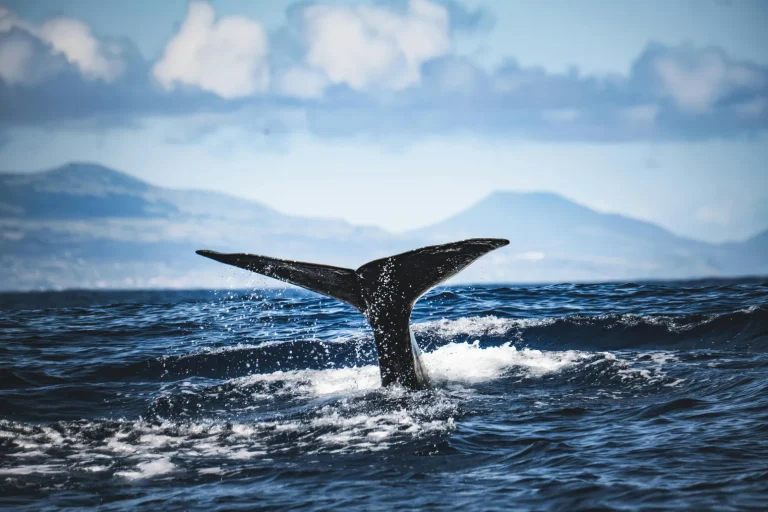
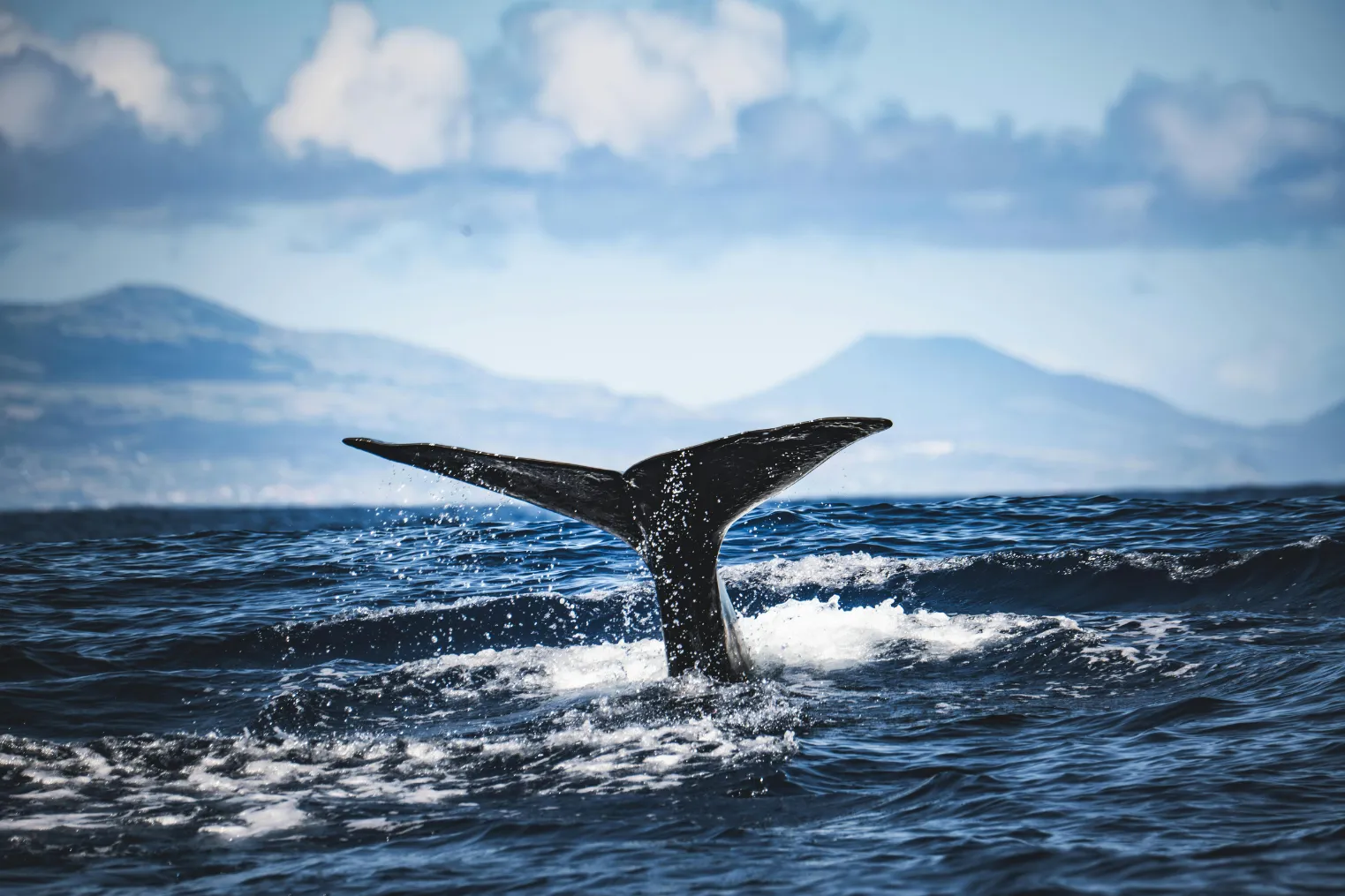
A humpback breach can make your whole Oahu trip feel tiny in the best way. If you’re bringing kids, age matters more than luck. School-age children usually love the hunt for a blow or tail slap, while toddlers often prefer shore views and quick exits to snacks and shade. Boat size, tour length, and morning seas can change everything, and a few smart choices can turn waiting into part of the fun.
Key Takeaways
- Ages 5–12 are ideal for Oahu whale tours; under 5 usually do better with short shore spotting outings.
- Choose 1.5–2 hour morning tours on large boats or catamarans for calmer seas, shade, restrooms, and better comfort.
- Skip small, splashy boats with toddlers; they are bumpier and better for older kids or teens comfortable with motion.
- For easy family viewing from land, try Makapuʻu Lighthouse Trail, Lanai Lookout, or Diamond Head Road Lookout.
- Pack reef-safe sunscreen, hats, layers, water, snacks, binoculars, and non-slip shoes to keep kids comfortable and engaged.
What’s the Best Age for Oahu Whale Watching?
Usually, age 5 is a sweet spot for Oahu whale watching, because most kids can sit still long enough to enjoy a 90-minute to 2-hour tour without turning the outing into a full snack negotiation. Younger Kids can still catch quick sightings from easy lookouts, but you’ll want shade, water, and low expectations for attention spans. From 6 to 12, children often get the most from Whale Watching. They can follow the guide’s stories, listen for whale song on a hydrophone, and stay alert for spouts and breaches during peak season from January through April. February is often considered the best month for Oahu whale watching, with strong chances of seeing exciting breaches that keep kids engaged. Teens usually do well on longer outings and earlier departures, though seasickness can still spoil the fun. For many families, that school-age window brings the Best Whale Watching balance.
Is a Boat Tour or Shore Spotting Better?
You’ve got two solid ways to watch whales on Oahu, and the better pick depends on your kids’ ages, sea legs, and patience. You might choose a boat tour for a shot at close spouts, tail slaps, and even whale songs through a hydrophone, or stay on shore at easy lookouts like Makapuʻu or Diamond Head where the ground stays still and the bathrooms are close. Small boats can also offer a more personal small group experience, which some families find easier and more enjoyable than a crowded tour. As you decide, you’ll want to weigh comfort, safety, and timing, because a calm kid in a life jacket beats a dramatic snack spill at sea every time.
Boat Tours With Kids
It helps to size up your crew before you book, because the better choice often comes down to age, attention span, and sea legs. For many families, boat tours shine once your kids are about 6 to 12 and can handle 1.5 to 2 hours on the water. That’s when Whale Watching Tours feel exciting instead of endless. You can See Whales up close, hear songs through hydrophones, and listen to guides explain humpback behavior. Book early morning departures for calmer seas and cooler air. Choose catamarans or bigger vessels with restrooms and shade, not tiny crafts that turn queasy fast. Pack kid binoculars, sunscreen, snacks, wristbands or patches, and dry clothes. If your child gets restless, mix one short cruise with easier days during peak season. On Oahu, shore spotting can be a realistic backup for younger kids who may not enjoy a full dolphin or whale cruise.
Best Shore Viewing Spots
Shore spotting often wins with younger kids, because you can keep the outing short, skip the seasickness gamble, and still scan a huge sweep of ocean for spouts and breaches. On Oahu, head to Makapuʻu Lighthouse Trail or Halona Blowhole Lookout, where paved viewpoints, rest areas, and quick access make Whale Watching feel easy. Diamond Head Road Lookout and Lanai Lookout also work well if you want short walks, wide sightlines, and room to pair the stop with beaches or snacks. These shore spots are some of the best places to see whales on Oahu without booking a tour.
For older kids, boats may bring closer action, but Whales from the Shore can be just as memorable. Try early light, bring binoculars, and listen for the wind, surf, and excited shouts when a tail suddenly lifts beyond the blue horizon offshore at dawn.
Still comparing Diamond Head?
Ask for tour ideas, hotel suggestions, or a simple trip plan that combines both.
Trip Helper
Safety And Comfort Factors
When you’re deciding between a boat tour and a lookout, your child’s age and comfort level usually make the call. For kids under five, shore-based spotting often wins. You’ll skip rocking water and gain easy bathrooms, stroller access, shady pauses, and snack breaks at places like Makapuʻu Lighthouse or Diamond Head Road Lookout.
For older kids, boat tours can work well if you pick a larger, steadier vessel with restrooms and covered seating. Keep trips near 1.5 hours for younger riders and go early or near sunset when seas are calmer. If your child gets motion sickness, skip midday sailings and pack remedies, water, layers, sunscreen, and snacks. Many families worry about seasickness in Oahu, so choosing calmer departure times and bigger boats can make whale watching much more comfortable. Snorkeling listening trips are best left to strong swimmers. Shore listening or guided kid-friendly tours feel safer anyway.
When Is Oahu Whale Watching Season?
Although a few humpbacks can show up off Oahu as early as late October or November, the island’s true whale-watching season runs from December through May, with the best viewing from January to April.
You’ll usually spot more whales after mid-December, when tours ramp up and pods settle into Hawaiian waters after traveling from Alaska to the warm Pacific breeding grounds.
- December starts the season.
- January through April brings peak sightings.
- Mothers often appear with new calves.
- Winter can mean easier bookings and lighter crowds.
That stretch gives your family the best odds for breaches, tail slaps, and misty blows on the horizon. You may also find winter travel a bit simpler, with fewer people around and occasional lodging deals for your Oahu stay. Families planning around whale watching season will usually have the best experience by visiting during those peak winter and early spring months.
What Time of Day Is Best for Kids?
Once you’ve picked the right season, the next win is choosing the right hour, and for most families that means an early morning tour. early morning tours usually bring calmer seas, so your kids are less likely to feel queasy and more likely to catch spouts, tail slaps, and surprise breaches in soft dawn light. If you’ve got older kids trying water-based listening or snorkeling, choose sheltered spots in low-wind morning conditions.
Just before sunset can feel cooler and smoother too, but fading light can make faraway whales tougher for young eyes. For land lovers, midday shore-based viewing works well because bright sun helps you see into the water. Bring polarized sunglasses, and plan tours around kids’ nap and meal schedules, ideally after breakfast, before heading out, and aim for a relaxed check-in time so boarding feels easy and stress-free for the whole family.
How Long Should an Oahu Whale Tour Be?
Usually, the sweet spot for an Oahu whale tour with kids is about 1.5 to 2 hours. That window gives you real watching time without testing your child’s patience or nap schedule. Most Honolulu whale watching tours run about 2 hours, which fits well for families who want enough time on the water without overdoing it.
For families, 1.5 to 2 hours is the whale-tour sweet spot: enough viewing time without pushing kids past their limit.
- Pick shorter ~1.5-hour cruises if you’re bringing toddlers or preschoolers.
- Choose a full 2-hour trip if your kids handle motion well and you want more time in prime viewing water.
- Book morning departures for cooler air, gentler seas, and a better shot at keeping queasy stomachs calm.
- Consider private 5–2 hours options if you want flexible breaks, but remember smaller boats can feel bumpier.
If you hear a hydrophone’s underwater moans or spot a sudden breach, those extra minutes can feel golden, but your best tour length is the one your family enjoys.
Which Oahu Whale Tours Are Best for Kids?
You’ll usually have the easiest outing on a larger, multi-level boat, where steadier decks, restrooms, and indoor seating can save the day when little stomachs get wobbly. The best kid-friendly tours also keep things lively with simple whale facts, clear narration, and hydrophones so your crew can hear humpback songs under the slap of the waves. If your kids are tiny or you’d rather stay on land, you can also look for shaded seating, child-size life jackets, or an easy lookout where everyone gets the view without the boat ride. Even for family trips, tours that offer indoor seating and comfortable seating can make the experience easier across different ages.
Best Boat Sizes
Often, the best Oahu whale tour for kids comes down to boat size. You’ll usually want the most stable ride your crew can handle, especially if naps, snacks, or motion sickness are part of the plan.
- Choose large multi-level boats if you want the steadiest deck, roomy seating, and easy access to onboard restrooms.
- Pick catamarans when you want a middle ground with solid stability, quicker shoreline cruising, and wide views.
- Save small boats for older kids and teens who like a splashier, closer-to-the-water trip.
- Book 1.5 to 2 hours, ideally on bigger boats in the morning, when seas often feel calmer.
The right boat style can make a big difference in how comfortable and enjoyable whale watching feels for families on Oahu.
If comfort matters most, bigger really is better. Less wobble means more whale watching for your whole family on board together comfortably.
Kid-Friendly Tour Features
When you’re sorting through Oahu whale tours for kids, the best ones do more than get you near the whales. Pick larger, multi-level boats with restrooms, shade, and life jackets in many sizes. They feel steadier, which helps if your child gets queasy or needs a quick break. Early morning trips usually mean cooler air and calmer water, so you can go whale watching without white knuckles. Tours with hydrophones and naturalist guides let kids hear whale song and learn how thousands of humpback whales migrate through Hawaii each winter. Choose operators that follow eco rules and the 100-yard buffer around mothers and calves. For toddlers, private charters or midsize catamarans add space, quiet, as well as panoramic deck views and room to wiggle and snack. Some families also like raft whale watching on Oahu for a faster ride and a closer-to-the-water view, though it is usually better for older kids who are comfortable with more motion.
What Happens on an Oahu Whale Tour?
Usually, an Oahu whale tour starts with an easy 1.5 to 2 hours on the water as the crew scans for humpbacks and shares simple, fascinating facts about how they travel, sing, and care for their calves.
Most Oahu whale tours begin with a relaxed 1.5 to 2 hours of spotting humpbacks and learning how they live.
You head out during the best time of year to see whales around the Hawaiian Islands, usually from mid-December through May.
In December, whale watching on Oahu can include early-season humpback sightings as the migration begins around the islands.
- Guides point out flukes, blows, and markings used for identification.
- You might listen through hydrophones and hear haunting whale songs below.
- Kids often love spotting a calf close beside its mother.
- Boat choice shapes comfort, from roomy multi-level decks to smaller, closer rides.
How Do You Avoid Seasickness on Oahu Tours?
Happily, you can stack the odds in your favor before the boat even leaves the harbor. Pick a larger vessel, like the Star of Honolulu or a steady catamaran, because bigger boats roll less. Book an early morning or just-before-sunset trip when the water often feels calmer and the breeze softer.
If you know motion sickness likes to tag along, take an over-the-counter remedy like meclizine one to two hours before boarding, or try acupressure bands. These seasickness tips can make whale watching tours much smoother for the whole family. Ask your doctor about options for kids. Once aboard, sit midship on the lower deck and face forward. Focus on the horizon, not your phone. Stay hydrated and nibble light snacks. Skip alcohol and greasy meals. For sensitive stomachs, shorter cruises help. Among Oahu’s Places to See,pay attention to your body early.
What Should You Pack for Oahu Whale Watching?
You’ll have a better whale-watching day if you pack for bright sun, cool wind, and a few salty surprises. Bring the basics that keep kids comfortable and safe, from layered clothes and sun gear to binoculars, a life jacket, and motion-sickness backup. Then tuck in the small things that save the outing, like water, snacks, spare clothes, and a dry bag when the spray starts flying. A simple packing checklist can help you remember the must-have items for whale watching in Oahu before you leave the dock.
Sun And Weather Gear
Even on a breezy morning, Oahu whale watching can mean bright glare off the water, cool spray on the boat, and a lot more sun than you expect. Dress your crew for shifting conditions, and you’ll spend more time spotting spouts than fussing with sleeves.
- Pack SPF 30 broad-spectrum sunscreen and reapply every two hours during long winter scans.
- Add reef safe hats, UPF 50+ shirts, and polarized sunglasses to cut glare and shield skin.
- Stash lightweight windbreakers or fleece layers because boat rides often feel 10 to 15°F cooler.
- Toss in UV blankets and cooling neck gaiters for dawn starts, splashy seats, and midday heat.
- Choose quick-dry layers and non-slip shoes as part of perfect outfit ideas for staying comfortable on deck in Hawaii.
A dry shirt afterward feels like magic when salt dries, kids yawn, and the harbor slides back into view.
Viewing And Safety Essentials
Once the sun shirts and windbreakers are in the bag, round out your Oahu whale-watching kit with a few items that make the ride smoother, safer, and a lot more fun for kids. For sun safety, tuck in reef-safe SPF 30+ sunscreen and a wide-brim hat for bright morning glare off the water. Your best viewing gear is a compact pair of binoculars and a waterproof phone or camera sealed in a dry bag. For water safety, bring a child-size life jacket and check the operator’s size rules before boarding. If your child gets queasy, pack non-drowsy wrist bands or ask your pediatrician about meclizine. Noise-reducing headphones help on loud boats, and a larger vessel usually means a steadier ride for young first-timers aboard. If anyone in your group uses a wheelchair, call ahead to ask about wheelchair accessibility, boarding assistance, and restroom access before choosing a tour.
Snacks And Kid Comforts
Often, the difference between a magical Oahu whale watch and a mid-ride kid meltdown comes down to easy snacks and a few familiar comforts.
Pack smart, and you’ll stay ahead of hunger, noise, sun, and queasy tummies:
- Bring one snack per child per hour. Think granola bars, cut fruit, crackers, and simple snack swaps like pretzels instead of chips.
- Tuck in motion-sickness remedies if needed, plus plain crackers. Skip greasy breakfasts before boarding.
- Add reef-safe sunscreen, wide-brim hats, and lightweight long sleeves for deck time and shore waits.
- Include a small blanket, favorite soft toy, earmuffs, reusable water, kid binoculars, and a compact camera for portable activities.
These extras support calming techniques when wind rises, engines rumble, or a sudden breach startles your little whale scout. For families wondering about kid safety, whale watching is generally safe for children when you choose a family-friendly tour and follow crew instructions.
How Do You Pick an Ethical Oahu Tour?
Trust matters when you’re choosing a whale watch with kids on Oahu, because the best tours protect the animals while still giving your family a memorable day on the water. Start with Operator transparency. Check for posted eco-policies, crew training, noise reduction, and a clear promise to keep the required 100-yard distance from whales and calves. In Hawaii, operators should follow 100-yard distance guidelines so boats do not approach whales too closely.
Next, look for Hydrophone education. The strongest tours use underwater microphones and onboard naturalists, so your kids can hear songs and learn behavior without the boat pushing too close. That’s much cooler than a captain playing tag with a humpback.
Finally, ask about Conservation partnerships. Companies that support research, donate, or join programs like Sanctuary Ocean Count usually care beyond ticket sales. Skip any operator promising touching, feeding, or guaranteed close encounters.
Where Can Kids See Whales From Shore?
Sometimes the best whale watch with kids on Oahu happens with both feet on solid ground. You can pack beach binoculars, pick smart viewing angles, and keep shore etiquette simple while kids stay comfy. Whale watching without a boat can be a great fit for families who want flexible timing and easy exits for tired kids.
- Makapuʻu Point gives you a paved lighthouse trail and easy, wide views.
- Diamond Head Road Lookout works for a quick January to April scan.
- Lanai Lookout lets younger kids watch safely from a roadside pull-off.
- Halona Blowhole Lookout is stroller-friendly, but you should guard kids near cliffs.
If your crew loves a challenge, save Kaʻena Point for older, strong hikers. The trail runs more than two miles each way, and the west side often rewards the effort. You’ll hear wind, surf, and excited whispers before someone demands another snack break.
Which Whale Behaviors Can Kids Spot?
You’ll usually spot the easy clues first: a tall spout, a pectoral fin, or a fluke lifting cleanly above the water before the whale slips under. If you’re lucky, your kids might catch a breach or a sharp tail slap, the kind of splash that makes everyone on shore look up at once. Stay patient and scan the same patch of ocean for 15 minutes, because repeated blows, slow rolling, and clustered movement can tip you off to pod behavior even before the next big show. Watching for whale behaviors gives kids a simple way to understand what the pod is doing without needing to know every detail.
Spouts, Fins, And Flukes
The ocean gives kids a clue before it gives them a whale. Teach them to scan for mist first, because spout identification is the easiest win.
- A humpback spout rises several feet and hangs like a quick puff of fog.
- If you see one blow, keep watching that same patch for a few minutes.
- During shallow rolls, a small dorsal fin or those extra-long humpback pectoral fins may flash up, sometimes with pectoral slaps.
- When the whale starts a prolonged descent, fluke timing matters: kids often catch the tail lifting cleanly before it disappears.
That sequence turns waiting into a game. Your child listens for excited voices, tracks ripples, and suddenly spots fins, then flukes, like clues in a moving ocean puzzle nearby today.
Breaches And Tail Slaps
Scan the horizon like you’re waiting for a surprise jump cut, because breaches happen fast and steal the whole scene. During peak season from January to April, you can spot a humpback launch most of its body clear of the water, sometimes from shore, sometimes from a boat. Good breach timing means quick scans every 15 minutes, and it helps to lock onto a tall V-shaped spout first.
Tail slaps are easier for kids because they leave a noisy clue. A whale smacks its fluke hard, sending up a bright splash and a thump you might hear. On hydrophone tours, fluke acoustics make brief sightings easier to confirm. Keep distance ethics simple: observe, cheer, and stay about 100 yards away. Never approach or touch whales.
Pod Behavior Clues
Often, kids become the best spotters once they know what pattern to watch. You can turn whale watching into a clue game by reading group dynamics, feeding strategies, and communication cues around one spout. It feels like solving a sea puzzle with binoculars and salty air nearby.
- Regular V-shaped blows every few minutes often mark a pod. Quick repeated blows in one spot can mean a mother-calf pair.
- Several breaches or tail slaps close together usually show social group dynamics, not simple travel.
- A raised fluke tells you a whale is starting a deeper dive, common during travel or feeding strategies.
- After a spout, keep kids scanning that patch for 5 to 15 minutes. Hydrophones may add repeating songs, classic communication cues from males.
How Do You Keep Kids Happy While Waiting?
Usually, kids wait better when the outing feels like a game, so give them binoculars, a simple spotting guide, and a 15-minute “whale watch” mission to look for spouts, flukes, and breeches.
Try Binocular games with a relay, then use Role assignments like spotter, timer, and logkeeper to turn waiting into teamwork. Quiet activities help too: humpback coloring sheets, picture books, or a humpback song clip keep small hands busy and ears tuned to the ocean. Go early or near sunset, keep the session around two hours, and pause for stretch-snack-scan breaks at Makapuʻu or Diamond Head. A sticker for each sighting works wonders, and changing viewpoints keeps the sea fresh instead of endless blue for restless young watchers on shore or boat alike.
When Should Toddlers Skip Oahu Whale Tours?
Sometimes the best whale plan with a toddler is to skip the boat entirely. Kids under about 3 often struggle with motion cues, wobbly decks, life jackets, and long safety talks, even on calm mornings. If your child can’t sit quietly for 90 minutes, isn’t toilet-trained, or resists instructions, waiting until 4 or 5 usually makes everyone happier.
- Skip small open boats and long transit routes.
- Avoid snorkeling or underwater listening activities entirely.
- Choose quiet alternatives like Makapuʻu, Diamond Head lookout, or Halona Blowhole.
- Let caregiver readiness guide you as much as kid enthusiasm.
From shore in peak season, January through April, you can still spot spouts, hear surf, pass snacks, and leave fast if moods turn stormy offshore.
Frequently Asked Questions
Are Restrooms Available on Most Oahu Whale Watching Boats?
Yes, most Oahu whale-watching boats you’ll book have onboard restrooms, and tours usually last 1.5–2 hours, so you’ll appreciate them. On smaller charters, ask about any portable toilets and privacy concerns before you reserve spots.
Do Kids Need to Wear Life Jackets During the Tour?
Yes, your kids often need to wear child sized life jackets, depending on legal requirements and operator rules. You’ll hear this in the safety briefing, especially during boarding, rough seas, on upper decks, or smaller boats.
How Far in Advance Should Families Book Whale Watching Tours?
Like catching sunrise, you’ll want to book 4–8 weeks ahead for best timing. During peak seasonal demand, especially holidays or weekends, reserve 8–12 weeks early. For private charters or calmer departures, follow longer booking windows.
What Happens if Bad Weather Cancels the Whale Watching Trip?
If bad weather cancels your whale-watching trip, you’ll usually get refund options, reschedule policies, or credit. Check weather insurance and the operator’s terms first. You can also pivot to shore viewing spots that day instead.
Are Oahu Whale Watching Tours Stroller or Wheelchair Accessible?
Mostly, you’re in luck: many larger Oahu whale-watching tours offer stroller access, wheelchair ramps, and ADA accommodations. You should call ahead, though, because smaller boats often won’t fit mobility devices or handle strollers comfortably aboard.
Conclusion
On Oahu, the trick to seeing giant whales with kids is planning for small things. You pick the calmer morning boat, the shorter cruise, the snacks, the shade, and suddenly the ocean feels less wild and more welcoming. School-age kids usually glow at the first blow on the horizon. Toddlers may prefer shore views and quick exits. Either way, you get salt on your skin, binocular smudges, and that funny hush when everyone spots a breach.