If you’re wondering how much walking whale watching in Honolulu really takes, the answer is often less than you’d guess. You might stroll a short paved path at Kewalo Basin, step onto a catamaran, and settle into a seat while trade winds ruffle the water and the harbor hums behind you. Or you could skip most of it with a Waikiki pickup or a lookout stop. The easiest choice depends on one small detail.
Key Takeaways
- Boat tours usually involve only 1–5 minutes of flat harbor walking, often under 200 yards, from parking or check-in to the dock.
- Once aboard a larger catamaran, total movement during a 1.5–2 hour whale watch is often just 50–100 feet.
- Waikiki pickup options can nearly eliminate pre-boarding walking, and crew often assist with gangways or one to two low boarding steps.
- Shore whale watching can require almost no walking at roadside pullouts and Diamond Head Lookout, with short flat walks from parking.
- Makapuʻu offers more walking: about 2 miles round trip on a paved trail, though stopping at lower viewpoints reduces effort.
How Much Walking Is Whale Watching in Honolulu?
For most Honolulu whale-watching trips, the walking is pleasantly light. From the Kewalo Basin parking or check-in area, you’ll usually stroll just one to five minutes to the dock, often less than 200 yards. On most boat tours, boarding feels simple, especially on larger morning vessels built for steady footing. Once you’re aboard a 40-foot catamaran, you mostly move along a wide deck to claim a view, or duck to the restroom. Over two hours, that’s often only 50 to 100 feet total. Honolulu Harbor departures can involve a slightly longer walk depending on your departure guide details and assigned pier. If you swap whale watching for a lookout or the Diamond Head trail, expect more legwork, stairs, and that warm Hawaii sun on your shoulders. Sea spray, gulls, and easy footing keep the whole outing revivingly low-key and pleasantly simple overall.
Which Whale Watching Option Requires the Least Walking?
If you want the least walking, you’ll usually find it on a Waikiki whale-watching boat tour, where you make a short walk from check-in to the dock and let the catamaran do the rest. You can also keep things easy at shoreline lookouts like Diamond Head or a roadside pull, where the ocean opens up after just a brief stroll from your car. Compared with longer shore options, these choices let you save your steps for the fun part, which is scanning the bright water for that first tail slap. Many tours also offer pickup options from Waikiki, which can reduce how much walking you do before you even reach the departure point.
Boat Tours Need Less
Want the least walking possible? Choose a boat. In Honolulu, whale watching tours usually ask for only a short, level walk at Kewalo Basin Harbor from parking or check-in to the dock, often 0 to 200 feet, plus a boarding ramp. Check-in normally happens 30 minutes early at 1085 Ala Moana Blvd, Suite 104, and the office-to-dock transfer stays brief. This matches typical Waikiki pickup expectations, where the walk from arrival to boarding is generally short and straightforward.
Once you’re aboard a 40-foot Corinthian catamaran or similar vessel, your mobility needs drop fast. You can stay seated, shift around the deck when you want, and use onboard restrooms without much climbing. If mobility is a concern, pick a larger catamaran with wide decks and steady footing. Smaller boats can mean more stepping, balancing, and surprise leg work before the whales even spout.
Minimal-Walk Shore Spots
On shore, the easiest whale watching stop is the lower Diamond Head lookout, where you can step out from the parking area, walk a very short distance, and start scanning the water for spouts. If you want another easy view, use the Makapuʻu Point Lighthouse Trail but stop at the whale sign instead of doing the full hike. You can also try a short-access harbor view near Kewalo Basin Harbor, where the walk from lot or drop-off to the pier stays flat and quick. These kinds of shore viewpoints make whale watching on Oahu possible without booking a boat tour. Give yourself 15 focused minutes during January or February and watch for:
- silver water flashing under bright trade-wind sun
- a sudden spout rising beyond the reef
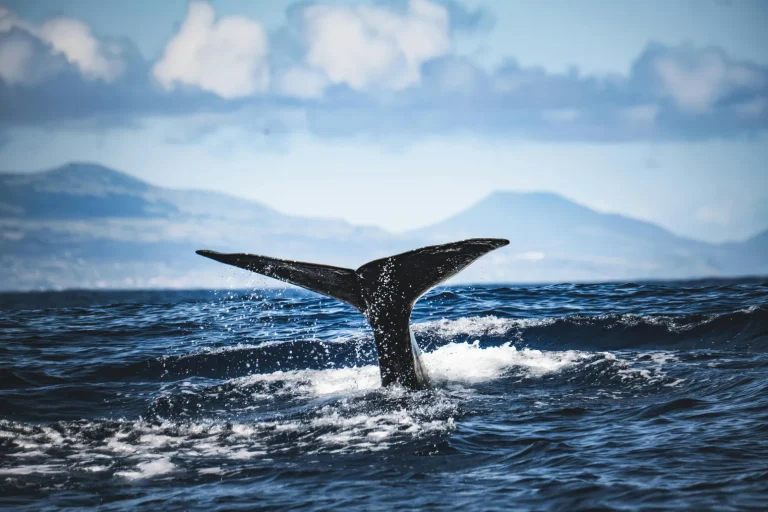
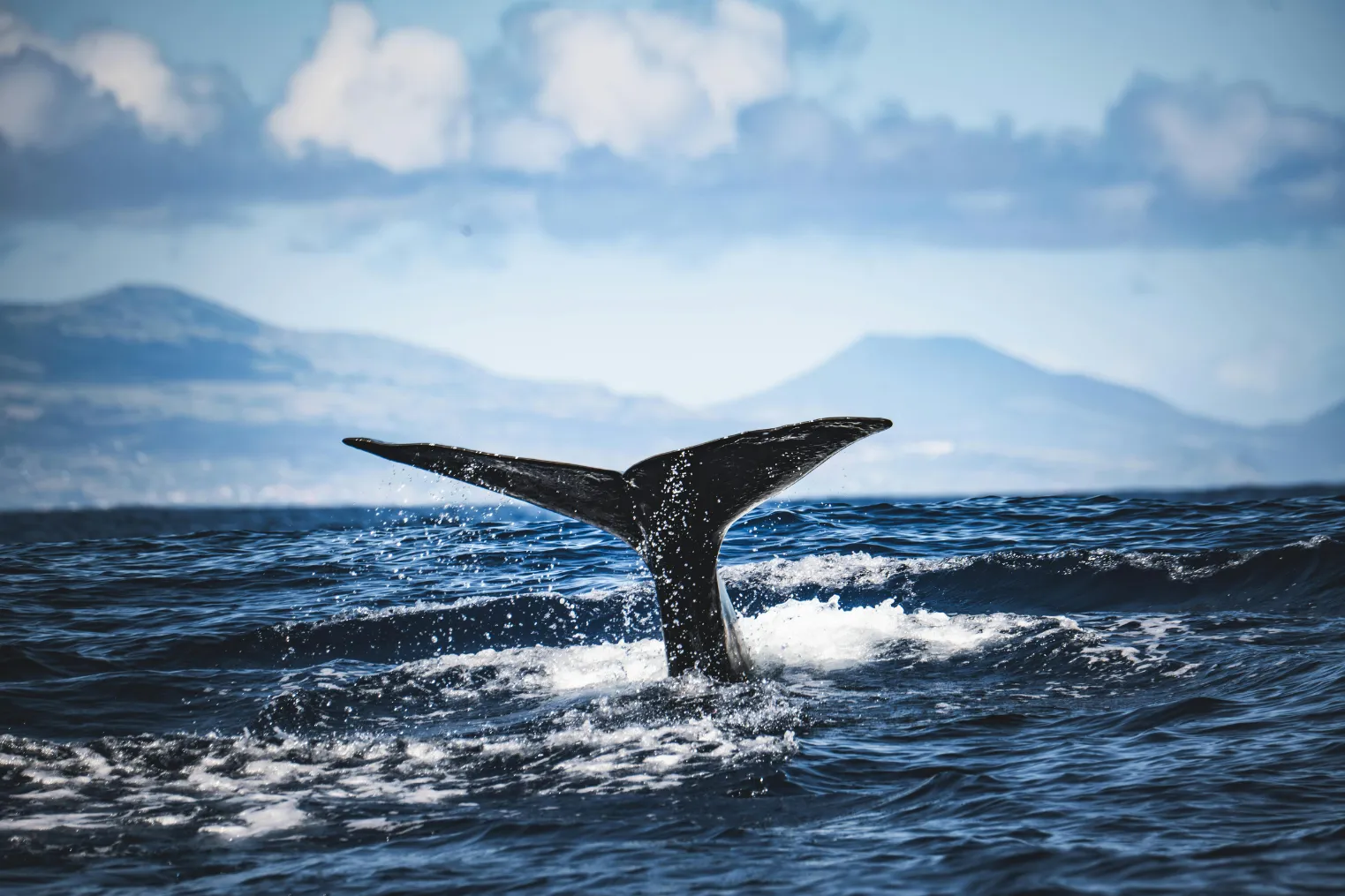
- a dark fluke slipping under, like a wink before your coffee even cools off
Still comparing Diamond Head?
Ask for tour ideas, hotel suggestions, or a simple trip plan that combines both.
Trip Helper
How Much Walking Do Honolulu Boat Tours Involve?
You won’t need to trek far for a Honolulu boat tour, since most trips ask for only a short flat walk from parking or drop-off to the check-in desk and dock. From there, you’ll usually stroll a little farther along the harbor and step up one or two low gangplanks onto the catamaran, with salt air in your face and no steep climb in sight. Once you’re onboard, you’ll move only short distances between shaded seats, the rail, and the restroom, so your biggest workout may be turning quickly when someone spots a spout. On many whale watching tours, the experience is designed to be easy and comfortable from check-in through the time you return to the harbor.
Harbor To Boat Access
Step into most Honolulu whale-watching tours and the walking starts out pleasantly short. At Kewalo Basin Harbor, you’ll usually go from parking or a drop-off spot to check-in at 1085 Ala Moana Blvd, Suite 104 in about 0 to 5 minutes, then stroll another 0 to 3 minutes to the dock. Surfaces are flat and paved, so the walking feels easy. For a stress-free arrival, plan to get to check-in a little early so boarding feels calm and unhurried.
- You pass bobbing masts, salt air, and the slap of water against pilings.
- You might make a quick restroom stop before boarding, keeping total harbor walking under 200 yards.
- If parking is full, you could add a 5 to 10 minute walk from a farther stall, while taxis or buses cut that down.
Boarding means short gangway with crew help.
Onboard Movement Expectations
Once you’re past the harbor stroll, the boat itself keeps things easy. On most Honolulu whale tours, you’ll board and take only a short walk to the main deck. After that, movement stays simple. You might stroll a few dozen feet between your seat, the bow, the stern, and the restroom.
A roomy catamaran helps a lot. Wide decks give you open sightlines, salty air, and enough space to shift around without trekking anywhere. On a catamaran whale watching trip from Waikiki, the setup often makes the experience feel especially open and relaxed. You’ll hear the engines hum, feel the deck sway lightly, and spend more time scanning for spouts than walking. The trickiest part is usually the gangway or a couple of steps when you first board. If you have limited mobility, choose a larger vessel and tell the operator ahead. Many can help nicely.
How Much Walking Does Shore Whale Watching Involve?
For most shore whale watching on Oahu, the walking ranges from almost none to a mellow paved stroll, so the real work is often standing still and scanning the water long enough to catch a spout.
- At Makapuʻu Point Lighthouse Trail, you do a roughly 2-mile paved round trip, passing railings, sea cliffs, and several overlooks with little climbing.
- For many shore-based whale watching pullouts, you park, take a short walk, then listen to wind and surf while you scan for fifteen minutes or more.
- Kaʻena Point asks much more of you, with a 2-plus-mile one-way hike, dusty steps, bright sun, and legs that know they’ve earned the view.
Comfortable shoes help because standing and strolling between lookouts can tire you before whales appear. Among the best shore spots on Oahu, the easiest whale watching often comes from places where the view opens up quickly after only a short walk.
Easiest Whale Watching Spots in Honolulu
If you want the easiest land-based whale watching in Honolulu, start with Makapuʻu Lighthouse Lookout, where you can follow a paved path to breezy overlooks and scan the water without a punishing hike. You can also pull over at Diamond Head Lookout for a quick stop and watch for spouts and breaches without tackling the steeper summit trail. Both spots keep the walking light, the ocean views wide, and your odds of spotting a whale pleasantly high. For visitors comparing shore views with boat tours, Kewalo Basin whale watching is another popular Honolulu option to know about before you go.
Makapuʻu Lighthouse Lookout
Binoculars make Makapuʻu Lighthouse Lookout even better, but this is one of those rare Honolulu whale-watching spots where you don’t have to work hard for the view. You can pull into the lookout, take a short stroll on the paved Lighthouse trail, and start scanning blue water almost right away. During whale watching season, especially January and February, calm mornings often let you spot whales in 15 minutes. Sometimes a whale may rise vertically in a behavior called spyhopping, peeking above the waves to look around before slipping back under.
- White spray flashes, then a dark back rolls beyond the cliffs.
- Trade winds tug your shirt while waves thump the rocks below.
- A quick stop at the whale sign gives you another excuse to keep your eyes offshore.
It’s one of the best spots if you want minimal walking, family-friendly access, and real odds of seeing action with easy parking too.
Diamond Head Lookout
While Diamond Head is famous for the summit hike, the lookout below the crater gives you a much easier way to watch for whales. You can park nearby and reach this Diamond Head crater lookout with minimal walking, which feels great when you want views, not a workout. From here, you scan the southern shoreline for whale spouts, flukes, and the lucky breach. Bring binoculars and try 15-minute sweeps during calm seas, especially from December through March.
| Why go | What you get |
|---|---|
| Easy access | Family-friendly viewpoint |
| Early arrival | Better parking, more scan time |
You’ll get broad ocean views without the longer climb at Makapuʻu or Kaʻena Point. Pair it with an East Oahu drive, and you’ve built yourself a smart whale day trip.
Makapuʻu Lighthouse Trail Walking Distance
Climb the Makapuʻu Lighthouse Trail and you’ll cover about 2 miles round trip on a paved path that feels more like a scenic walk than a workout. You gain only about 300 feet, so the route stays friendly for families, strollers, and anyone with moderate fitness. Plan 45 minutes to 1.5 hours if whale watching turns every overlook into a pause button during whale season. For broader ocean access planning on Oʻahu, the Division of Boating and Ocean Recreation also provides day-use mooring information through the Malama Kai Foundation.
Makapuʻu Lighthouse Trail packs big coastal views into an easy 2-mile walk with gentle elevation and plenty of pause-worthy overlooks.
- Blue water flashing below the cliffs
- Trade winds pushing salt across your face
- Sudden spouts or a breaching humpback beyond the lighthouse
Unlike a waikiki whale watching tour, you set the pace on Makapuʻu Lighthouse Trail. Bring water, sunscreen, and a hat. There’s no shade, and the sun doesn’t play nice. Early mornings feel cooler and calmer.
Diamond Head Whale Watching Walking Distance
Perspective changes fast at Diamond Head. If you want a simple shore-based whale stop, the main lookout sits just below the crater rim and takes only a 5 to 10 minute walk from the small parking area. From the closest drop-off, your walking distance is less than 0.2 miles, so you can be scanning the water almost before your coffee cools. If you start at the Diamond Head trailhead and add the summit hike, expect about 1.6 to 2.0 miles round trip with roughly 560 feet of elevation gain, plus a short detour to the viewpoint. For a sightseeing loop, you can pair this Diamond Head stop with Makapuʻu by driving 20 to 30 minutes between them and taking short walks at each spot. Before you head out, pack a few must-have items for whale watching in Oahu so the short walk stays comfortable and the wait at the lookout is easier.
How the Terrain Feels on Oahu
Terrain on Oahu changes its mood fast, and that’s part of the fun. For shore-based whale-watching, you’ll feel smooth pavement, rough lava edges, and windy bluffs in a single day.
Oahu’s whale-watching terrain shifts fast, from easy pavement to jagged edges and breezy bluffs that keep every stop interesting.
- At the Makapuʻu Point Lighthouse Trail, you climb paved switchbacks with a steady burn, then pause at overlooks where salt air and crashing surf sharpen the view.
- Near Diamond Head, lower lookouts and coastal pullouts feel easy and quick. You’re often walking only minutes from parking.
- At Kaʻena Point, the island gets wild. The trail stretches long, rocky, and uneven, with sun, wind, and limited parking testing your timing.
If you’re boarding a tour instead, heading to Kewalo Basin Harbor usually means an easier approach than the island’s rougher shoreline trails. If surf noise hides a spout, you simply move higher. Oahu likes to keep your legs guessing daily.
Is Honolulu Whale Watching Good for Seniors?
If Oahu’s shore paths can feel like a workout, Honolulu’s whale watching often gives seniors a much easier way in. Most boat-based trips last about 1.5–2 hours and require only short walks from parking or check-in to the dock. That makes them especially senior-friendly, especially if you’re managing limited mobility. Choose a larger catamaran for wide decks, level boarding, seating, and a steadier ride than smaller boats. Morning departures usually bring calmer water and easier boarding too. Many operators design for comfort and seating, which can make whale watching for seniors in Honolulu even more enjoyable. You’ll often find restrooms, harbor benches, and staff who can help if you ask. Shore viewing can still work, but Makapuʻu’s paved overlooks beat longer routes like Diamond Head or Kaʻena Point. Arrive 30 minutes early, then let the whales do the heavy lifting for wonder today.
What to Wear for Whale Watching Walks
Often, the best whale-watching outfit in Honolulu is a simple set of layers that you can adjust as the morning shifts. You’ll want a light shirt, a fleece or sweater, and a light waterproof jacket because wind and spray can turn a bright shoreline cool fast.
- Pull on sturdy, closed-toe shoes with grip, especially for paved climbs and uneven lookout edges. Leave flip-flops for the beach.
- Add polarized sunglasses and a hat with a chin strap. Glare flashes off the water, and the breeze loves stealing hats.
- Slip reef-safe sunscreen into a small daypack with water, binoculars, your phone, and any motion-sickness meds.
Dress for salt, sun, and sudden gusts, and you’ll stay comfortable enough to keep your eyes on the horizon. For whale watching in Hawaii, breathable layers work especially well because conditions can shift quickly between warm sun, ocean wind, and mist.
How to Choose the Lowest-Walking Option
Because the easiest whale watch is the one that keeps your steps short, start by deciding whether you want a quick harbor walk or almost none at all. From Kewalo Basin Harbor, you’ll usually check in 30 minutes early, then stroll a short distance to the dock. Choose a larger catamaran, especially a 40-foot Corinthian catamaran, for wider decks, steadier footing, and easier boarding.
If you want the smoothest setup, book morning departures and ask about accessible boarding and onboard restrooms before you reserve. For almost zero walking, pick a shore-based lookout like Makapuʻu Lighthouse or a Diamond Head roadside pullout, where parking sits close to the view. Want the absolute minimum? Reserve a private charter or request assisted boarding. Your knees will notice. Before booking, use wheelchair-friendly questions to confirm ramp access, boarding help, and the distance from check-in to the boat.
Frequently Asked Questions
When Is Whale Watching Season in Honolulu?
Whale watching season in Honolulu runs from December through March, and you’ll usually get the best sightings in peak months, January and February; check weather tips, follow viewing etiquette, and compare tour frequency for options.
Do I Need Reservations for Honolulu Whale Watching Tours?
Yes, you’ll want reservations, unless you enjoy competing with imaginary spontaneity. You should secure advance booking, review the cancellation policy, ask about group discounts, and reserve private charters early, especially for peak-season mornings and weekends there.
Are Restrooms Available at Popular Whale Watching Locations?
Yes, you’ll find public facilities at whale-watching spots: boats and harbor offices often have accessible restrooms, some lookouts offer changing rooms or portable toilets, but areas may lack them, so you’ll want to plan ahead.
Can I Bring Young Children on Whale Watching Tours?
Absolutely, you can, and you’re in the clear if you check child safety, age limits, stroller accessibility, and motion sickness prep. You’ll enjoy family-friendly boats with restrooms, decks, crew supervision, and morning departures often for kids.
What Other Marine Life Might I See While Whale Watching?
You might see dolphin encounters, sea turtle sightings, seabird diversity, and even manta rays while whale watching. You’ll also spot flying fish and reef fish, or hear whale songs through onboard hydrophones during your cruise.
Conclusion
Think of Honolulu whale watching as choosing your easiest tide. You can step a few paved yards at Kewalo Basin, roll up with a Waikiki pickup, or pause at a lookout where the sea does the moving for you. On larger catamarans, you’ll mostly settle into a seat, hear the slap of water, and scan the bright horizon. Pick the gentlest path, wear steady shoes, and let the whales handle the drama.