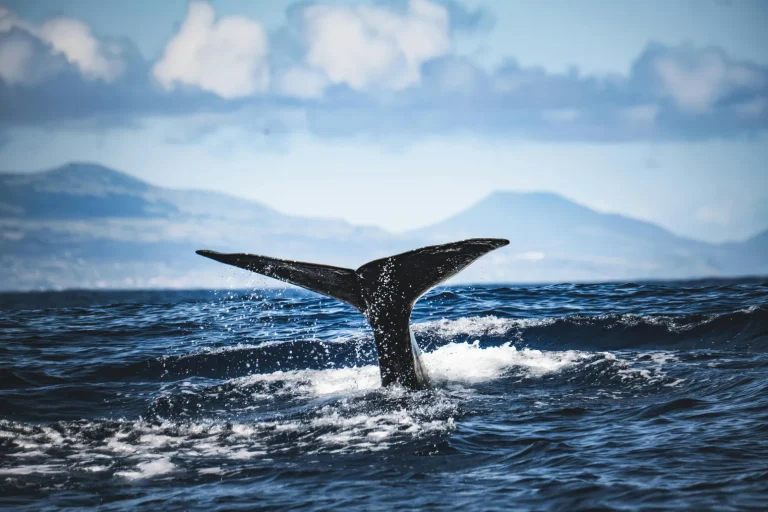
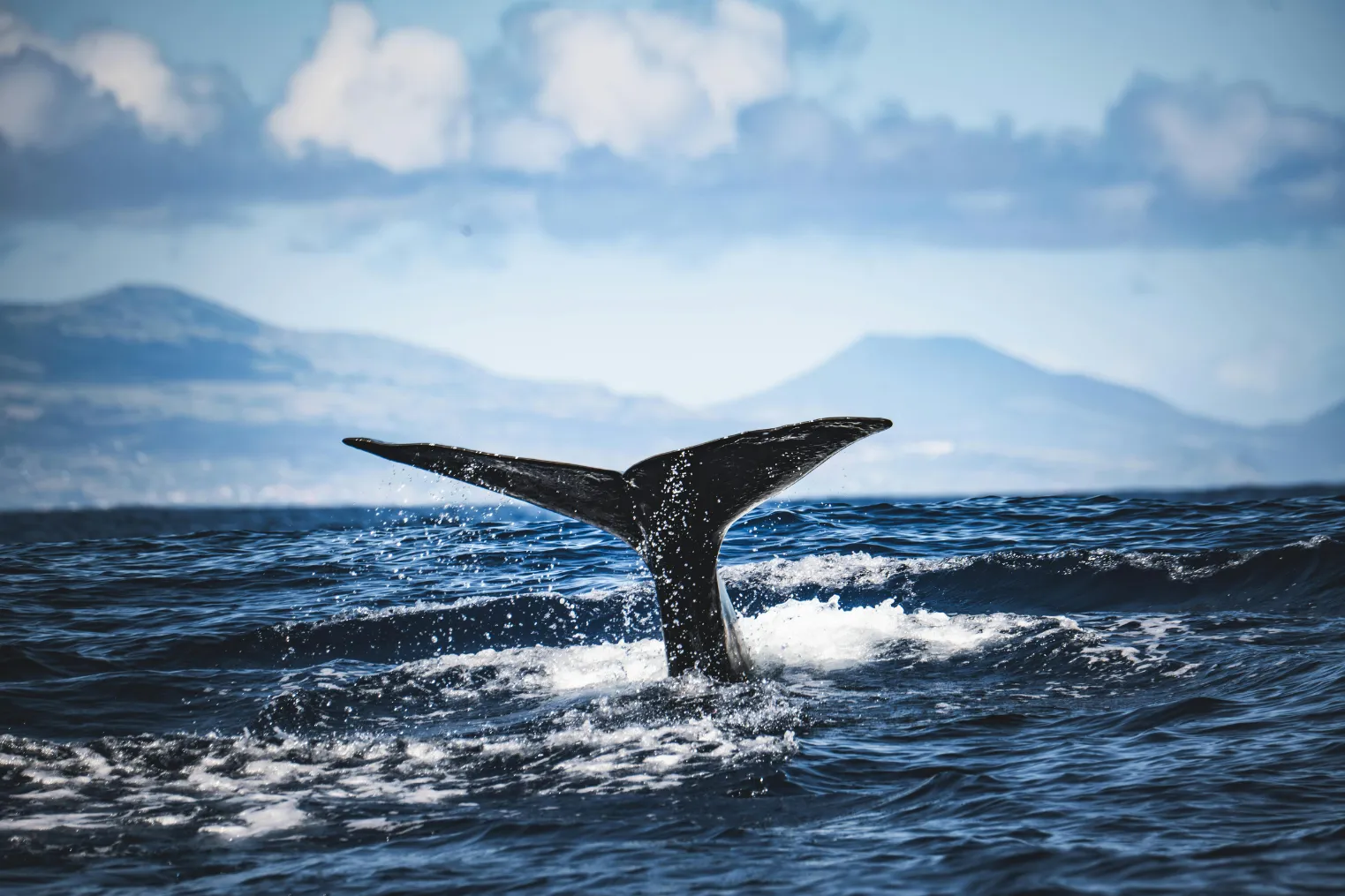
You can spot whales and dolphins off Oahu, but it works best when you time it right and pick the right boat. In winter, the ocean off the North Shore can suddenly erupt with a humpback breach, then go quiet except for wind and spray on your face. Morning cruises usually help. So does a captain who knows where to look. The tricky part is figuring out what’s realistic, and what’s just brochure magic.
Key Takeaways
- Whale watching on Oahu is realistic mainly from December through March, with the strongest humpback activity usually between January and March.
- Morning departures around 7:00–8:00 AM are often best for calmer seas, better visibility, and lower seasickness risk.
- North Shore departures like Haleiwa or Turtle Bay usually reach prime whale habitat faster than Waikiki or other south shore launches.
- Sightings are never guaranteed because whales move with season, weather, and daily behavior, even during peak months.
- Expect blows, tail slaps, breaches, and backs at a respectful distance, not close-contact encounters or constant action.
Is Oahu Whale Watching Worth It?
Usually, yes, Oahu whale watching is worth it if you visit between December and March and want a real shot at seeing humpbacks beyond a tiny speck from shore. Boat trips give you better odds than standing on the beach squinting into chop. Shared tours cost $100 to $150, with shorter trips around $60, so you can match the splurge to your goals. For better chances, look at North Shore departures near Haleiwa, where Best Whale Watching Tours favor small groups or faster boats. Every Oahu humpback whale encounter follows strict rules, so boats stay 100 yards back and often idle quietly. You won’t get a petting-zoo moment, but you might get a tail slap, a misty blow, and ocean drama through salty morning light. Most Oahu whale watching tours also include a safety briefing and set expectations clearly, since sightings depend on season, weather, and whale behavior.
When Is Oahu Whale Watching Season?
Most years, Oahu’s whale watching season runs from December through March, when humpback whales fill Hawaii’s winter waters and turn a calm horizon into something worth scanning. Many travelers find whale watching in Oahu a worthwhile adventure during this peak winter period. You can still spot an occasional humpback whale as early as September or as late as May, but winter is the real peak season. Tours run all day, yet morning trips are popular because seas are often smoother, the air feels cooler, and your stomach may thank you. You’ll hear blows before fins sometimes. Sanctuary counts track how the season shifts each year.
| Window | What you’ll notice | Why it matters |
|---|---|---|
| Sept to Nov | Rare early sightings | Nice surprise |
| Dec to Mar | Regular whale activity often | Main winter season |
| Apr to May | Late stragglers still possible | Bonus chance |
What Month Is Best for Oahu Whale Watching?
If you want the strongest shot at Oahu whale watching, you’ll usually aim for the winter window from December through March, when humpbacks are most active around the island. You might spot an early traveler in September or a late one in May, but the peak month can shift each year, so one season may light up in January while another hits its stride in March. To stack the odds in your favor, you’ll want a calm morning tour during peak season, ideally from the North Shore, though the whales still don’t RSVP. Many visitors consider February the sweet spot because best month for breaches often lines up with especially active humpback behavior around Oahu.
Peak Whale Months
Often, the best time for Oahu whale watching falls between January and March, when humpback sightings tend to stack up across Hawaii’s winter season.
These are the peak whale months, but the exact high point can shift each year. In one season, more whales are spotted in January. In another, March steals the show. This lines up with the broader Oahu whale watching season, when winter brings the best chance of spotting humpbacks offshore. If you want calmer seas and clearer views, book a morning tour. The water often looks smoother then, before trade winds roughen the surface and jostle the boat. You’ll still need realistic expectations. Oahu hosts plenty of humpbacks, yet sightings never come with a guarantee. That uncertainty adds suspense to the scan, as you search the blue horizon for a spout, a tail slap, or a dark back rolling up.
Still comparing Diamond Head?
Ask for tour ideas, hotel suggestions, or a simple trip plan that combines both.
Trip Helper
Early And Late Sightings
While January through March usually draws the biggest crowds and the steadiest stream of sightings, Oahu’s humpback season can open earlier and linger later than many visitors expect.
- You might catch first whale sightings in December, and in rare years even September hints at the season.
- You shouldn’t lock yourself to one “best” month. Counts shift yearly, so March may shine one winter while January leads the next.
- If you like calmer water, book an early morning cruise. Whales can surface anytime, but cooler air and smoother seas often make scanning easier.
- January is part of peak season on Oahu, which is why it often brings some of the most reliable whale watching conditions.
That means you can stay flexible. Check Sanctuary count updates before you go. You may score a surprise fluke slap well before peak season, or one last goodbye in May.
Winter Viewing Window
Usually, the best window for Oahu whale watching runs from December through March, when the island’s winter waters hold the most humpbacks and your odds of a sighting climb with them. Peak timing still shifts, so you might hit March one year and January the next. December often brings humpback arrivals, so you may notice more first sightings offshore as the winter season gets underway.
| Month | What you’ll notice | Smart move |
|---|---|---|
| December | More arrivals offshore | Book early |
| January | Strong action, cooler mornings | Choose morning tours |
| February | Steady winter sightings | Watch calmer seas |
| March | Often excellent, sometimes peak | Try North Shore departures |
You can spot whales outside December–March, even into May, but winter gives you the most reliable odds. Go early, bring a light layer, and listen for that sudden exhale. Some years start as early as September, which keeps the season playful too.
What Time of Day Is Best for Oahu Whale Watching?
If you want the smoothest ride for Oahu whale watching, you’ll usually like a morning tour best during peak season from December through March. You can expect cooler air, softer light, and calmer seas before the trade winds wake up and turn the boat into a gentle bounce test. Still, whales can show up all day, so you’ve got a real choice between an easy early start and a later cruise with more time on the water. It also helps to plan your check-in time so you can arrive early and start your whale watching trip without extra stress.
Morning Tour Advantages
Often, the best reason to book an Oahu whale watching tour in the morning isn’t better luck with sightings, but a better ride. By arriving early, you usually get cooler air, softer light, and calmer water before trade winds kick up. That means easier photos, steadier footing, and a kinder trip if you get seasick.
- You stay comfortable longer, with less glare and less baking sun.
- You hear more of the ocean, especially on tours with hydrophone listening and quiet early hours.
- You may not get whales up close more often, but you’ll notice more when the boat isn’t bouncing around.
This is why many travelers comparing morning vs afternoon whale tours on Oahu end up choosing the earlier departure for comfort rather than dramatically better sighting odds.
Some tours even add breakfast pastries, which is a civilized bonus before the day gets busy for most travelers aboard.
Peak Season Timing
Ride conditions matter, but the calendar matters too. Most humpback whales reach Oahu around December, and you’ll usually have your best odds through March. A few show up as early as September or linger into May, but peak season is your sweet spot.
You can see whales any time then, yet early mornings often give you the cleanest shot. Tours that leave around 7:00 or 8:00 AM usually beat the trade winds. That means calmer seas, cooler air, and smoother photos with less glare and less stomach drama. Peak-month timing shifts each year, so check current sanctuary counts before you book. Others hit their stride in March, when tail slaps and spouts can feel almost ridiculously close to shore. Many visitors consider early morning tours the best time of day for Oahu whale watching because ocean conditions are often more stable before midday winds build.
Where Is Oahu Whale Watching Best?
Where you go matters a lot when you’re whale watching on Oahu. If you want the strongest odds, head to the North Shore. Departing from Haleiwa puts you closer to prime humpback habitat, and operators there often reach active areas faster. Turtle Bay departures also help. Choosing the best whale watching tour in Honolulu also means comparing departure points, boat style, and seasonal timing before you book.
- Best boat base: North Shore trips usually beat Waikiki and Kewalo Harbor for sightings.
- Best viewing style: Boats give you the best close looks because they can scan more water and stop within the legal 100-yard limit. Zodiacs feel especially thrilling, with salt spray and quick turns.
- Best timing boost: Winter, especially December through March, raises your chances anywhere, but location still matters.
South shore cruises can spot whales too. They just don’t match North Shore consistency during peak season on many days.
Is Oahu Shore Whale Watching Worth It?
How much is shore whale watching on Oahu really worth it? If you love patient wildlife watching, shore viewing can feel rewarding without much fuss. Try Makapu’u Lighthouse, Halona Blowhole, or La’ie Point, and head out early when mornings are calmer and the trade winds haven’t started shoving everything around. These shore viewpoints can make whale watching without a boat on Oahu surprisingly practical during the season. The North Shore usually gives you the best odds from land, though sightings stay sporadic. During peak season, roughly December through March, your chances improve, and some years even stretch wider. Still, you should manage expectations. You might scan a bright blue horizon for a while before spotting a distant spout or a rolling back. Binoculars help, patience helps more, and luck always gets a vote from shore. That uncertainty adds charm for some.
Why Are Oahu Whale Watching Tours Better?
Because boats can cover far more ocean than your eyes can from shore, an Oahu whale watching tour usually gives you a much better shot at seeing humpbacks in action. You head into winter waters during the best time, usually December through March, when sightings cluster and mornings often bring calmer seas and cleaner views. Choosing the right boat style can also shape the experience, from stability and speed to how close-knit or spacious the outing feels.
- You search smarter from harbors like Kewalo or Haleiwa, while captains scan broad water and stay within the 100-yard rule.
- A small-group boat can pivot fast, feel more personal, and let you hear blows, splashes, and sometimes whale song through hydrophones.
- Marine naturalists add context, so you don’t just spot a whale. You understand what you’re seeing, and why that moment matters out there in blue.
What Types of Oahu Whale Watching Tours Can You Book?
| Tour type | Best for |
|---|---|
| Shared catamaran or raft | Easy social outings and broad views |
| Private yacht or Zodiac | Flexible routes and sharper photo chances |
If you want more control, a private charter gives you that. Small group tours can offer a more personal pace, which is why many visitors ask whether small group whale watching in Oahu is better. Small luxury yachts suit quiet cruising, while fast inflatables and six-guest eco boats focus on finding whales quickly. Every operator follows the 100-yard rule, so you watch respectfully as engines idle and the ocean does the talking.
How Much Do Oahu Whale Watching Tours Cost?
Prices on Oahu run from easygoing to splashy, so you can match the trip to your budget and your crew. For shared whale-watching, you’ll usually pay about $100 to $150 per person, though some shorter sails cost around $60. Whale watching tour prices in Honolulu vary based on trip length, boat style, and included extras.
- If you want the lowest price, look for 1.5-hour catamaran trips. They’re simple, breezy, and easier on your wallet.
- If you’re traveling with family or friends, private charters start near $400 for small groups and can reach $2,500 for bigger, longer outings with extra comforts.
- If you’re weighing value, remember you’re paying for time on the water, sea spray, guides, snacks, or a hydrophone, not a guaranteed whale cameo. Nature keeps her own schedule, which is part of the fun anyway.
Which Oahu Whale Watching Tours Are Best?
If you want the best odds of spotting humpbacks, you’ll usually do better on a North Shore boat tour than from shore or a Waikiki departure. You can choose a shared catamaran or fast raft for strong value, or book a private charter if your group wants more room, more flexibility, and a captain who can chase the glassy horizon. A private charter can be worth considering if you want a more personalized whale watching experience in Oahu, though it typically costs more than shared tours. The best operators also keep group sizes sensible, follow the 100-yard rule, and offer thoughtful extras like naturalists, longer search time, and return vouchers if the whales don’t show.
Best Tour Types
Which Oahu whale watching tour gives you the best shot at a fluke slap or a full breach?
- Choose boat tours over shore viewing. On the water, you can cover more coastline, track pods, and adjust fast when whales surface.
- Pick small-group trips like Deep Blue if you want cleaner photos and a quieter ride. You still stay 100 yards away, but fewer people and less shuffle help you focus.
- Match time and budget to your goals. Short catamaran trips work if your schedule’s tight. Longer sails, high-speed charters, or larger boats can raise comfort or sighting odds, especially on windier days.
A raft whale watching tour can also be a smart pick if you want a faster ride and a closer-to-the-water view on Oahu.
If you can swing two or three hours, you’ll hear the captain cut the engine and wait through that thrilling silence together.
Top Oahu Operators
Once you’ve picked the right boat style, the operator can shape the whole morning, from how fast you reach open water to how easy it is to spot that sudden white splash on the horizon. If you want energy, Deep Blue Eco Tours leaves Haleiwa Boat Harbor with six guests, two-hour runs, and photo chances. Bob Marlin Charters also departs Haleiwa and gives you a private, flexible outing for a small group.
If speed matters, The Adventure Boat uses a Zodiac to cover more ocean fast. For comfort, Honolulu Sailing Company and Hawaii Ocean Charters give you shaded lounges and three-hour cruises. Short on time? Try Dolphin Excursions in Waianae or Honolulu Snorkel Company from Kewalo Boat Harbor to search for majestic creatures nearby. Many Honolulu whale watching tours also include basics like safety gear, onboard guidance, and a clear idea of what to expect before departure.
Cost And Value
Because price on Oahu can swing from a quick $60 cruise to a $150 shared tour or a $2,500 private charter, value comes down to what you want from those hours on the water.
- shared whale-watching tours usually run about $100 to $150, but short 90-minute trips can cost around $60.
- private charters start near $400 for a small crew and climb toward $2,500 for roomy luxury.
- You’ll often get better value offshore, especially on North Shore morning departures, where calmer water and higher sighting odds help.
If you’re traveling with family or chasing photos, a six-guest boat can feel worth it. You hear less engine rumble, get more rail space, and improve your odds, though whales still follow their own schedule that day too. The cheapest tours usually mean giving up space, comfort, and sometimes trip length, so the lower fare is not always the best overall value.
What Rules Do Oahu Whale Watching Boats Follow?
While the views can feel wide open on an Oahu whale watch, the boats follow strict rules once whales are nearby. You might be scanning the Pacific Ocean past Diamond Head, but your captain still has to stay at least 100 yards from humpback whales. Crews don’t charge straight at them. They avoid crossing between a mother and calf, and many boats drift or idle after reaching a safe spot. During sanctuary monitoring and peak season counts, operators also follow vessel protocols. You benefit from trained crews who watch, listen, and report behavior instead of chasing splashes. Many companies add their limits, like smaller groups or engine-off viewing. That protects the animals and your experience. The Marine Mammal Protection Act helps shape these whale tour rules by setting federal protections for marine mammals in U.S. waters. Break the rules, and fines or enforcement can follow.
How to Plan an Oahu Whale Watching Trip
Knowing the boats have to give whales plenty of room, you can plan your Oahu whale watching trip around timing and boat choice instead of hoping for luck from shore.
Since boats must keep their distance, plan your Oahu whale watch around season and departure, not shoreline luck.
- Go in whale season. Most arrivals show up by December, sightings usually run through March, and some years linger into May. The best time to book is before peak winter dates fill up, especially for trips in January through March.
- Book a boat tour for your best odds. Shared trips often cost $100 to $150, shorter rides about $60, and private charters start near $400.
- Match the harbor and hour to your style. Haleiwa can improve sighting odds. Departing from Kewalo, morning cruises feel cooler, calmer, and smoother, and naturalists or hydrophones add value.
You’ll hear sea spray hiss, spot horizons, and avoid bumpier afternoon trade winds. Conservation-minded crews respect the 100-yard rule.
Frequently Asked Questions
Can Children and Pregnant Travelers Join Whale Watching Cruises Safely?
Yes, you can usually join safely if you choose child friendly, stable morning cruises with restrooms and life vests. For pregnancy safety, avoid high-speed boats, pick calm departures, and ask your doctor first before booking.
What Should I Bring on an Oahu Whale Watching Boat Tour?
Pack like a sailor chasing silver horizons: layered clothing, hat, sunglasses, motion-sickness meds, water, snacks, personal medications, binoculars, a waterproof bag, Sunscreen essentials, Camera backup, and a charged phone or zoom camera, you’ll thank yourself onboard.
Are Dolphin Sightings Guaranteed on Oahu Whale Watching Cruises?
No, you can’t count on guaranteed dolphin sightings on Oahu whale-watching cruises. You’ll improve your odds by choosing west-side routes, private charters, and seasonal hotspots, but dolphin unpredictability and wildlife rules still often limit encounters.
Do Whale Watching Tours Cause Seasickness for First-Time Passengers?
Yes, like stepping onto a swaying threshold, you might feel motion sickness on your first whale watch, but you’ll lower the odds by choosing morning tours, sitting mid-ship, and following viewing etiquette on larger, steadier boats.
Can You Take Underwater Photos or Drone Footage During Tours?
Yes, but you’ll face limits: underwater photography rarely works from whale-watching boats, and drone regulations usually ban guest flights. You’ll have luck on snorkel-friendly private charters, where you can photograph reefs, turtles, and fish instead.
Conclusion
So yes, Oahu whale watching and dolphin cruises are realistic, which is funny because the ocean still refuses your schedule. You can book a calm morning from Haleiwa, bring a light jacket, hear a blow in the salt air, and watch a tail lift like a slow door. You might also see nothing but blue water and flying spray. That’s the point. You plan well, choose smart, and let wild things stay gloriously, inconveniently wild.