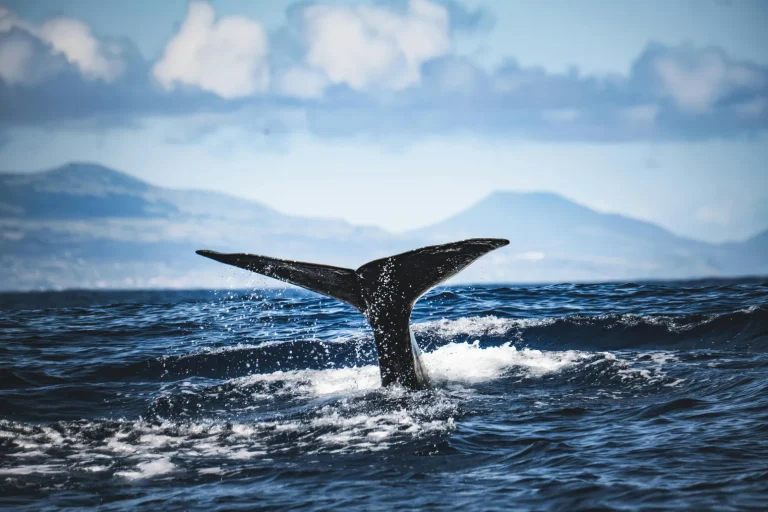
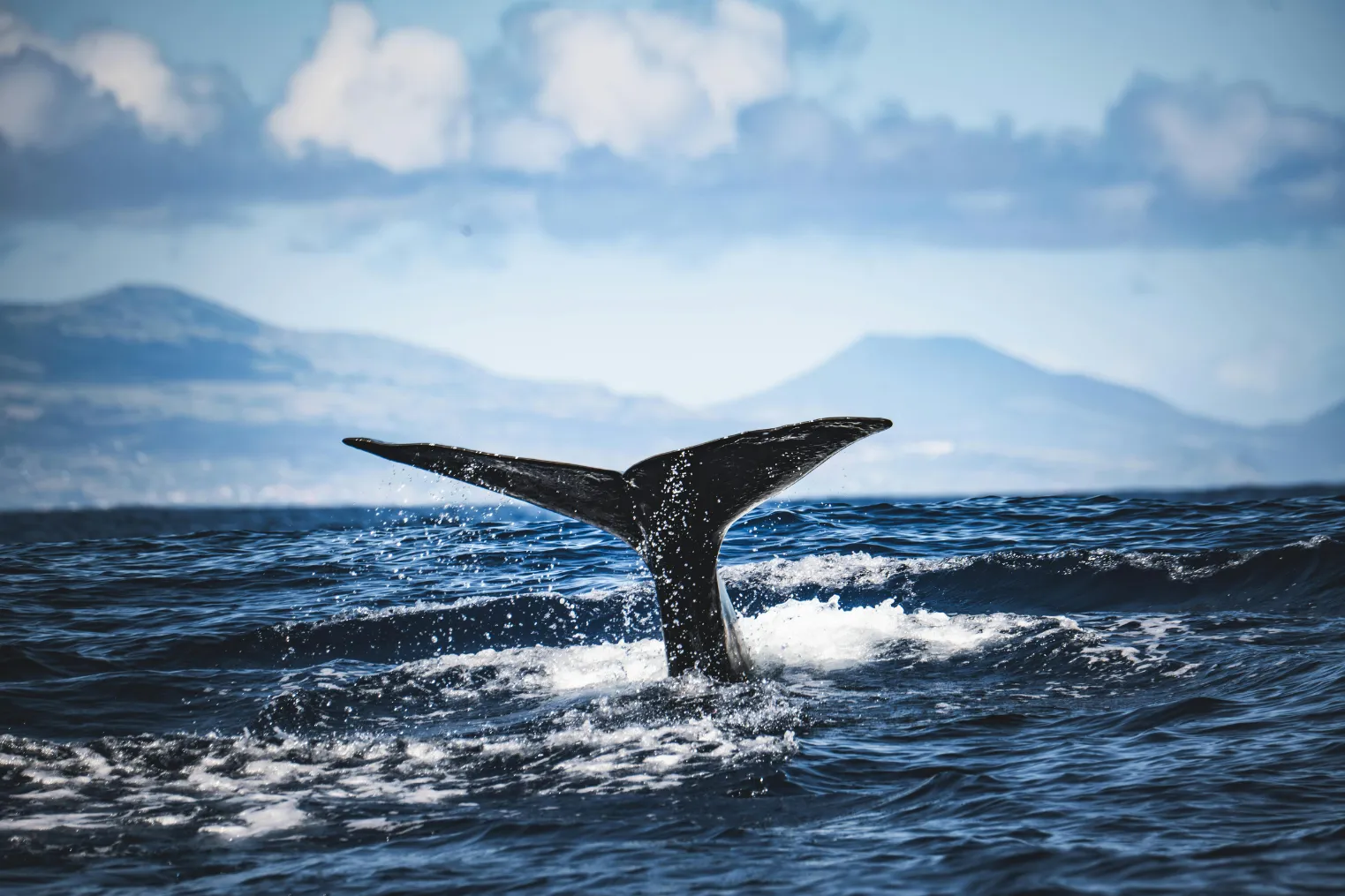
January turns the waters off Oahu into a stage where humpbacks steal every scene. You’ll head out at first light when the sea is smoother and the air feels cool against your jacket, then scan for blows, tail slaps, and the sudden thunder of a breach. Choose a west- or north-side harbor for faster access to deep water, and don’t forget binoculars and motion-sickness meds. The real trick, though, is knowing which tour gives you the best odds.
Key Takeaways
- January is Oahu’s humpback peak, with frequent sightings of mothers, calves, escorts, breaches, and occasional spinner dolphins or green sea turtles.
- Book morning departures, usually 6:30–9:00 a.m., for calmer seas, clearer light, and easier spotting before afternoon winds roughen the water.
- Choose west-side harbors like Ko Olina or Waianae, or North Shore departures, for shorter transit times and better access to prime whale habitat.
- Pick a tour style that fits your needs: catamarans offer comfort, while smaller rafts provide closer, less crowded, more adventurous viewing.
- Bring layers, non-slip shoes, polarized sunglasses, binoculars, and motion-sickness remedies, and confirm weather cancellations plus the operator’s sighting return policy.
Why January Is Best for Oahu Whale Watching
Often, January gives you Oahu whale watching at its most exciting because it lands right in the heart of humpback season, when the waters off the island hold some of the highest sighting numbers of the year. You catch humpback whales during migration from Alaska, and that means more than distant blows on the horizon. You may see mothers with calves, restless escorts, and sudden breaches that slap the air awake. Early morning departures often help, since calmer seas and clearer light make movement easier to spot. You might also notice spinner dolphins or a green sea turtle between sightings. January trips fill fast, so booking ahead matters, especially if Waianae is on your radar. Nothing’s guaranteed, but this month gives you excellent odds and ocean drama. Even so, February breaches are often considered a standout draw on Oahu because that month is widely known for especially dramatic humpback activity.
Best Oahu Departure Areas for Whale Watching
You’ll get the strongest January access from west-side harbors like Ko Olina and Waianae, where calmer morning water and productive migration routes can stack the odds in your favor. If you want a scenic run with a quieter feel, North Shore departures from Haleiwa often pair crisp early light with less crowded boats and long coastal views. Choose the side of the island that fits your stay and your style, because on Oahu, your harbor can shape the whole whale-watch before the first spout breaks the surface. Even if you skip a tour, several shore viewpoints on Oahu can still give you a solid chance to spot whales during peak season.
West Side Harbors
Head west and your whale watch usually starts faster, with less time spent chugging across open water and more time scanning for spouts. That’s why west-side harbors make so much sense in January. From Waianae Harbor or Ko Olina, you reach deeper, clearer water sooner, which can improve humpback sightings during peak season.
You’ll also like the feel of these leeward departures. Many boats are smaller, quieter, and run by eco-minded crews who keep a respectful distance from whales. That often means a more personal trip and less of the floating crowd scene. Unlike departures from Kewalo Basin, west-side routes often spend less time getting out to likely whale areas. Book morning departures if you can, usually between 6:30 and 9:00 a.m., when seas are often calmer. If you’re staying in Kapolei, Ko Olina, or Waianae, you’ll spend less time driving and more time watching.
North Shore Departures
Set out from the North Shore and the day feels different right away. North Shore departures from Haleiwa or near Waimea feel quieter, less crowded, and closer to January action. You spend less time motoring and more time scanning the blue for spouts, tail slaps, and sudden breaches.
That shorter transit to whale habitat matters. It gives you a longer viewing window, especially compared with routes from Waikiki. January is part of peak whale season on Oahu, which makes North Shore departures feel even more realistic for strong sightings. Aim for morning departures, usually between 6:30 and 9:00 AM, when winds are lighter and you often get calmer boat conditions. Smaller catamarans and ocean rafts based in Haleiwa also turn quickly when whales surface nearby. Just check your drive time first. If you’re staying in Waikiki, traffic to the North Shore can eat up 45 to 90 minutes before sunrise.
What You Can See on Oahu Whale Watch Tours
Often, the real stars on Oahu whale watch tours in January are humpback whales, since this is peak season and sightings are at their best from January through March. You’ll often watch breaching adults, pectoral slaps, and tail slaps, then hear songs through hydrophones while naturalists explain what you’re seeing. You might also spot spinner dolphins, green sea turtles, tropical fish, or, if luck sticks, a rarer sperm whale. Keep an eye out for spyhopping behavior, when a whale lifts its head above the surface to look around.
| What you notice | Why it matters |
|---|---|
| Breaching blows | Pure January peak season drama |
| Whale songs | hydrophones bring them close |
| Spinner dolphins | Fast playful sidekicks |
The water can feel calm one minute and electric the next, which is why every scan of the horizon keeps you leaning forward like a detective with sunscreen and boat shoes.
Best Time of Day for Oahu Whale Watching
Usually, the best window for Oahu whale watching in January starts early, when boats leave between about 6:30 and 9:00 a.m. Morning departures give you calmer seas, lighter winds, and better visibility, so you can scan the horizon without fighting chop or spray.
You’ll also beat the afternoon breezes that rough up the water by late morning. Early-morning trips often feel quieter too, with smaller crowds and smoother harbor exits. This lines up with prime whale-watching hours around Oahu, when gentler ocean conditions can make sightings easier. Aim for two to three hours on the water, which lines you up with peak surface activity before conditions turn fussier. The day before, check local tide and weather forecasts. Clear skies and low wind can boost your odds of spotting breaching humpbacks, tail slaps, and that sudden whale exhale that sounds wild offshore.
Choose the Right Oahu Whale Watch Tour
You’ll get more from January whale watching if you match the tour to your style, from steady catamarans with shade and bathrooms to smaller rafts that feel closer to the spray and action. You should also book early and aim for a morning departure, since calmer seas and clearer light often make those first blows easier to spot. If you’re staying on Oahu, it’s smart to choose a launch near you, with west-side harbors or Haleiwa often giving you a stronger shot at seeing humpbacks without turning the trip into a dawn commute. For travelers who want a more personal outing, small group tours can make it easier to hear the guide, move around for better views, and enjoy a less crowded whale watching experience.
Vessel Type Differences
Choose your boat wisely, because the vessel shapes the whole January whale watch as much as the whales do. catamarans give you stability and amenities, with shade, bathrooms, and room to listen as a naturalist points out spouts. smaller ocean-raft and speed-boat tours feel wilder. You’ll ride faster, sit closer to the water, and probably wear some salt spray.
| Boat | Feeling | Best for |
|---|---|---|
| catamarans | easy awe | families |
| larger multi-deck vessels | calm confidence | photographers |
If you want smooth viewing, larger multi-deck vessels offer elevated decks, ample seating, and steady footing. Boat style can make the difference between a relaxed family outing and a fast-paced, adventure-forward whale watch. Kayaks from west Oahu launch points feel hushed and stealthy, but conditions matter. Whatever you pick, compare capacity, comfort, and sighting policies before booking. Your back, camera, and curiosity will thank you.
Departure And Timing
The right boat gets you comfortable, but the right departure gets you to the whales faster. In January, during peak humpback season, you’ll want to book early and aim for morning departures between 6:30 and 9:00 am. You’ll usually get calmer seas, cleaner light, and better odds for Humpback Whale Watching before the wind starts fussing with the water. Compared with later sailings, morning departures often mean smoother conditions and easier spotting around Oahu.
You should also look hard at where the tour leaves from. Departures from Waianae/Ko Olina or Haleiwa put you closer to prime whale habitat than Waikiki, which means less transit and more tail slaps. Pick a two to three hour trip for a focused outing, or go longer if you want snorkeling or sunset too. Before you pay, confirm the operator’s sighting or return policy.
How Long Oahu Whale Watch Tours Are
Often, Oahu whale watch tours run about 1.5 to 3 hours, and many January trips land right around the 2-hour mark. That sweet spot gives you time to scan blue swells, hear excited shouts from the rail, and still keep your day open. During January peak season, Oahu whale-watch tours usually add more departure options because humpback whales migrate through local waters in big numbers.
You’ll also notice different tour durations by boat style. Smaller rafts often keep things fast and focused at 1.5 to 2 hours. Larger catamarans or multi-deck boats may stretch closer to 3 hours with more sightseeing time. Morning departures, often between 6:30 and 8:30 AM, usually follow similar schedules and can feel smoother on calmer seas. Combo trips with snorkeling or sunset plans can last 4 to 6 hours total. To choose a tour that fits your schedule, compare boat type, departure time, and overall trip length before booking.
What to Wear for an Oahu Whale Watch
Usually, you’ll feel January’s split personality the minute you step on deck: cool sea air at departure, then bright sun bouncing off the water by midmorning. Dress in lightweight layers so you can peel off a windproof jacket later. Pair shorts or light pants with a moisture-wicking shirt. Choose non-slip closed-toe shoes because decks get slick.
| Wear | Why |
|---|---|
| lightweight layers | Handles cool starts, sunny finishes |
| non-slip closed-toe shoes | Keeps footing steady on wet decks |
Top it off with a brimmed hat and polarized sunglasses for glare. Use reef-safe sunscreen before boarding. If swells unsettle you, take seasickness medication early, since whale watching in Oahu can make some passengers seasick when the boat is rolling. If swells unsettle you, take seasickness medication early and keep a light sweater handy. Dry fabrics also feel better when mist drifts over the rail and January breezes try practical jokes.
What to Bring on an Oahu Whale Watch
Before you leave the harbor, pack a small day bag with the few things that make a whale watch smoother and far more fun. Bring compact binoculars in the 8x to 10x range so you can pick out spouts, flukes, and distant breaches without squinting. Binoculars for whale watching can make it much easier to spot distant blows and surface activity before the boat gets closer. Deck time adds up, so apply SPF 30+ sunscreen and toss in a wide-brim hat plus polarized sunglasses. Carry a reusable water bottle and a light snack, since some Oahu trips run 1.5 to 3 hours. If swell usually gets to you, stash motion-sickness remedies like ginger tablets, acupressure bands, or medication before the harbor starts bobbing. A camera or phone with optical zoom helps you catch tail slaps fast. Bring an extra battery or SD card too today.
Book a Responsible Oahu Whale Watch Tour
With your bag packed, the next smart move is choosing a whale watch that respects the animals as much as your time. January fills fast, so book a responsible whale-watch early, especially for morning departures. Favor Waianae/Ko Olina departures or Haleiwa over Waikiki, since those boats often reach whale areas sooner. Look for naturalist guides, low-noise engines, and strict NOAA distance regulations. The Marine Mammal Protection Act helps guide responsible whale tours by protecting whales from disturbance and harassment. A free return policy helps, too.
| What to check | Why it matters |
|---|---|
| West or north ports | Shorter rides, better odds |
| Ethical extras | Hydrophones, education, calm viewing |
Confirm sea-condition cancellations, onboard shade, and camera room. Bring binoculars, listen for the captain’s hush, and let curiosity do the rest. Whales, thankfully, don’t care about your dates much.
Frequently Asked Questions
Are Whale Watch Tours Suitable for Young Children?
Yes, you can take young children if you choose child friendly schedules, age appropriate seating, proper life jacket sizing, nap time accommodations, and plan for pediatric seasickness on larger, calmer boats with bathrooms and shade.
Do Oahu Whale Watch Boats Have Restrooms Onboard?
Yes, you’ll usually find restrooms onboard larger Oahu whale watch boats, though smaller tours may not. Check boat size, restroom locations, marine sanitation details, crew announcements, and facility accessibility before you book to avoid surprises.
Is Parking Available at Common Whale Watch Departure Harbors?
Yes, under the pink dawn, you’ll usually find Harbor parking at common departure harbors, but spaces disappear fast; use Shuttle services, Street parking, Event parking, or Longterm lots, and arrive early to beat the rush.
Can I Bring My Own Food and Drinks Onboard?
Yes, you can often bring your own food and drinks onboard, but check picnic restrictions, cooler policies, and alcohol rules first. You should choose packable snacks, avoid messes, and follow trash disposal instructions carefully there.
Are Oahu Whale Watch Tours Wheelchair Accessible?
Yes, you can find Oahu whale watch tours with accessible boarding, mobility accommodations, transfer assistance, and accessible seating, but you’ll need to confirm details. Ask operators about service animals, restrooms, and boarding procedures before booking.
Conclusion
You’ve picked the sweet spot. In January, Oahu’s water can turn quiet for a beat, then a blow flashes white, a tail lifts, and the whole boat leans toward the rail. If you book an early trip, dress for wind, and choose a responsible crew, you set yourself up for the moment everyone waits for. Then it happens offshore. A breach cracks the morning open, salt hits your lips, and you forget to blink twice.