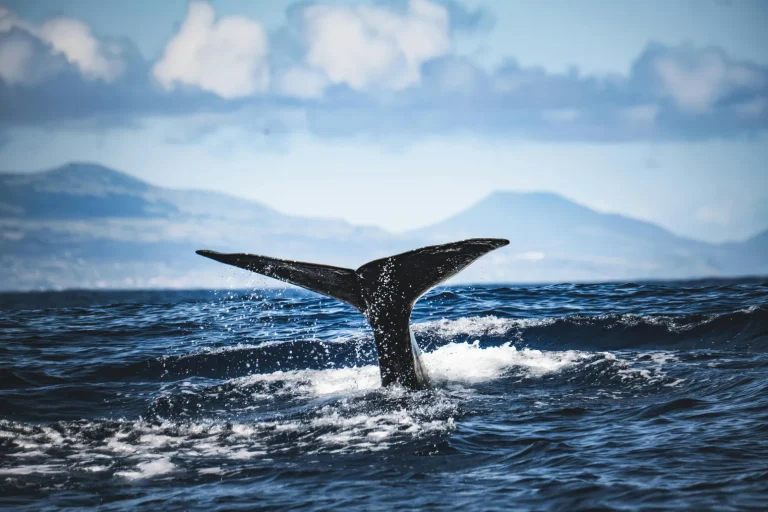
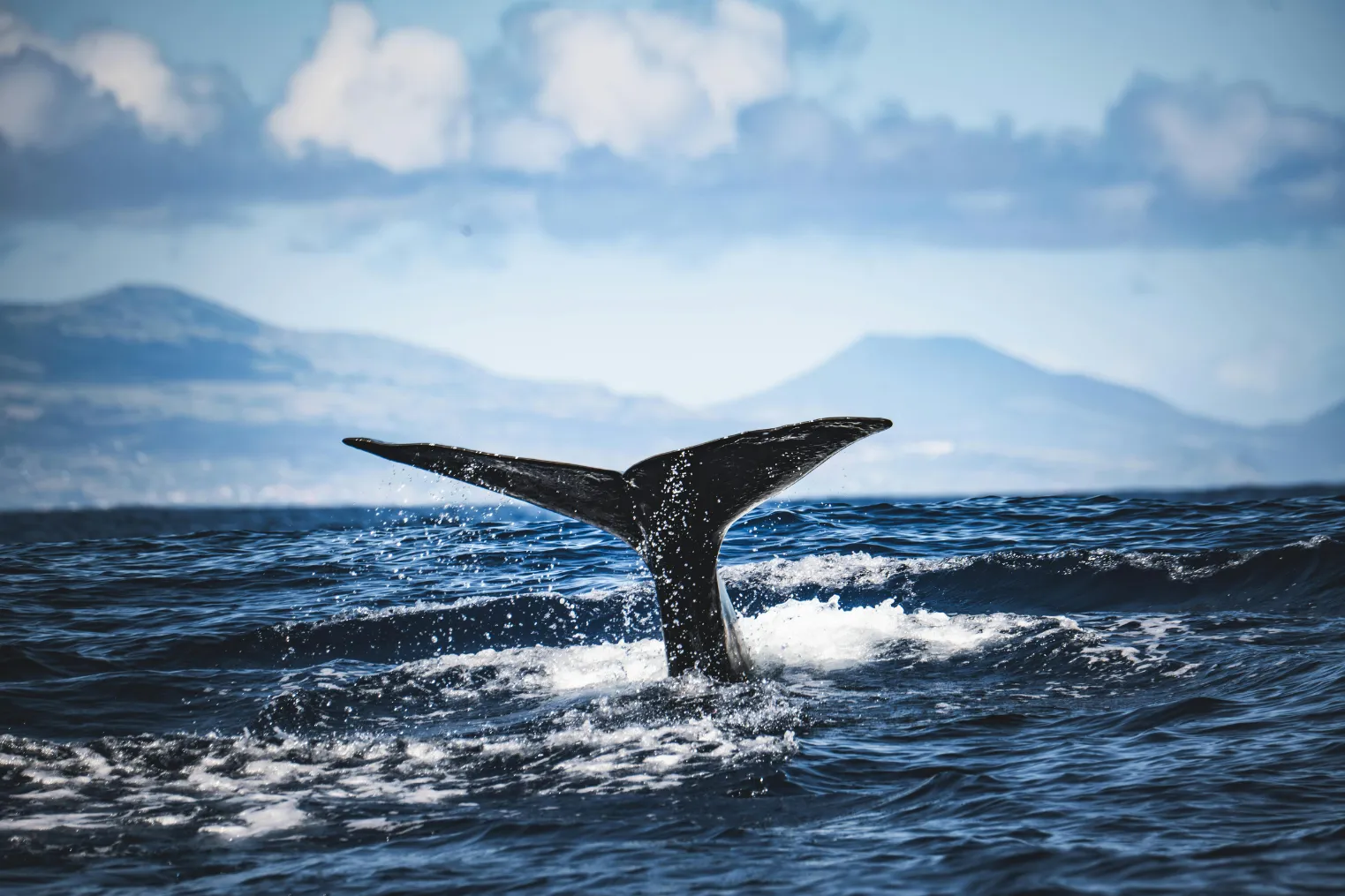
In February, thousands of humpbacks gather in Hawaiian waters, and around Oahu you’ve got your best shot at seeing breaches, tail slaps, and calves beside their mothers. You’ll often hear a blow before you spot the dark back and white splash, especially on a calm morning boat. Trips fill fast, seas can bounce, and not every coast works the same, which is where your choices start to matter.
Key Takeaways
- February is Oahu’s peak humpback whale month, with 10,000–12,000 whales in Hawaii during breeding, calving, and mating season.
- Breaches, tail slaps, and sudden surfacing are more common in February because humpbacks are competing, courting, and protecting calves.
- Morning to early afternoon tours usually offer calmer seas, better visibility, and stronger chances of spotting brief surface activity.
- Top Oahu departure areas include Waikiki, Ko Olina, Waianae, and Haleiwa, each offering different scenery and access to whale-rich waters.
- Choose catamarans for comfort, Zodiacs for agility, or hydrophone-equipped tours to hear humpback songs between sightings.
Why February Is Peak for Oahu Whale Watching
Because February lands right in the heart of Hawaii’s humpback season, it’s one of the best times to go whale watching off Oahu. You’re visiting during the core winter window, when humpback whales are most abundant in Hawaiian waters after migrating from Alaska. With roughly 10,000 to 12,000 whales in the islands, your odds of seeing blows, tail slaps, and sudden surfacing action rise fast.
February also lines up with calving and mating season, so the ocean often feels unusually lively. You may spot more competition, more pectoral slaps, and more dramatic movement at the surface. Calm morning and afternoon seas can make those moments easier to catch. If you’re wondering about the best month for whale encounters, February makes a very strong case, even though sightings can’t be promised. It also falls within whale watching season on Oahu, widely considered the best time of year for sightings.
Where Is the Best Whale Watching in Oahu?
With February serving up some of Oahu’s strongest whale activity, the next question is where you should go to see it best. For Oahu whale watching, you’ve got several smart launch points, and each can reward you with February action.
February is prime time for Oahu whale watching, and the right departure point can make your day even better.
- Waikiki Beach departures near Ala Wai, Kewalo Basin, and Aloha Tower make planning easy.
- South shore routes often produce sightings fast, which is handy if you hate long waits.
- North Shore trips from Haleiwa feel quieter and scenic, with breaching and surface displays in peak season.
- West Oahu tours from Ko Olina Marina and Waianae track a productive coastline known for close encounters.
If you want a more intimate ride, book a mono-hull, Zodiac, or kayak tour for calmer seas, fewer people, and better behavior watching.
Waikiki, Ko Olina, or North Shore?
So which shore gives you the best shot in February: Waikiki, Ko Olina, or the North Shore? During peak season, you can score breaches from all three. If you want easy access and lots of departures, Waikiki works well for visitors. A Waikiki Whale cruise from Ala Wai or Kewalo Basin often uses bigger boats and hydrophones, so you may hear eerie songs between sightings. Waikiki also offers easy tours near many hotels, making it simple to fit a cruise into a beach day. If you want speed, Ko Olina and nearby West Oahu harbors usually send out Zodiacs or catamarans that can reposition quickly for splashy surface action. If you prefer a quieter feel, Haleiwa gives you open water and a wilder backdrop, though sightings can be less predictable. Wherever you go, boats must stay 100 yards back, so breach views depend on whale behavior, not just your port.
What Time of Day Is Best for Whale Watching?
Port matters, but timing can tilt the odds in your favor. On Oahu, the best time for whale watching is usually morning through early afternoon. A Morning whale tour often gets calmer water, lighter winds, and cleaner views, so you can spot breaches, spouts, and tail slaps before the chop builds. You’ll hear less engine rattle and maybe whale song too nearby. This lines up with prime whale watching hours on Oahu, when calmer ocean conditions often make sightings easier.
On Oahu, morning whale tours stack the odds with calmer seas, clearer views, and better chances to catch humpback action.
- Book sunrise to noon departures for smoother seas and sharper visibility.
- Early afternoon can still be productive, especially in February’s peak season.
- Humpbacks may surface in roughly 15-minute windows, so these trips give you repeated looks.
- Pick operators with hydrophones, and take seasickness medicine an hour early so you don’t spend the best time for whale sightings staring sadly at the rail.
Still comparing Hanauma Bay?
Ask for tour ideas, hotel suggestions, or a simple trip plan that combines both.
Trip Helper
How Many Humpbacks Reach Oahu in February?
Come February, humpbacks really show up around Oahu. Across Hawaiian waters, about 10,000 to 12,000 humpbacks arrive from Alaska each winter, and you’ll find a large share of them around Oahu this month. Because February sits in peak season, you can expect hundreds to thousands nearby at any given time, especially off the leeward, north, and west coasts. Many are full grown adults, and plenty are mothers with calves, so you might spot a small dorsal fin beside a longer back. That’s part of what makes February the month for whale watching. In calmer morning or afternoon seas, the blows, tail slaps, and sudden breaches feel almost casual. For Hawaii Whale Watching, Oahu gives you substantial numbers without needing a telescope or superhero luck. Remember to keep a safe and legal distance of 100 yards from humpback whales while watching them.
Which Oahu Whale Watch Tour Should You Choose?
Usually, the best Oahu whale watch tour depends on how you want to meet February’s humpbacks. Since February sits at peak season, you’ll want a trip that matches your style, schedule, and sea legs for whale watching.
- Choose a morning or afternoon departure for calmer water and cleaner views. Ask if hydrophones are onboard.
- Pick a mono-hulled boat or a Whale Watch Sail if you want a quieter, more natural ride with less engine noise.
- Book a Zodiac or Radon-style boat if you prefer speed and nimble positioning. They feel sporty, a little salty, and close to the action.
- Reserve early on popular dates with operators like Pink Sails Waikiki or Ko Olina tours. Also confirm safety rules, the 100-yard limit, and any whale guarantee before you pay.
In general, morning tours often have calmer water and clearer viewing conditions than afternoon departures on Oahu.
What Can You Expect to See on Tour?
Once you’re out on the water, February’s humpbacks often put on a lively surface show. It’s peak season, so your whale watching experience can include repeated surfacings, tail lifts, pectoral slaps, and photo-ready breaches. You’ll usually watch whales surface every fifteen minutes or so, which gives you several chances to track the action and keep your camera ready. Some tours even drop a hydrophone in the water, so you might hear males singing beneath the boat. You’ll also scan for mothers with calves, which stay close as the little ones nurse and grow fast. Morning and afternoon trips often bring calmer seas, clearer views, and fewer excuses for your coffee to slosh out today. Compared with December whale watching, February typically offers more active sightings as the season reaches its peak.
Why Do Humpbacks Breach and Tail Slap?
Why do humpbacks launch their 40-ton bodies out of the water and then smack the surface with a tail or fin hard enough to echo across the bay? When you watch breaching and tail slaps off Oahu in February, you’re seeing effort with a purpose.
- They broadcast. Slaps boom through water and tell rivals, mates, or calves where they are.
- They compete. Males often breach and slap more during mating season.
- They protect. Mothers may use pectoral or tail slaps to guide calves and warn others off.
- They clean up. A violent breach can help dislodge parasites, and some scientists think it may even stun prey.
Pectoral slaps, often called pectoral slaps, are another loud surface display that may serve similar roles in communication, competition, and calf guidance.
You’ll see these displays more in active, shallow breeding waters during peak winter tours there.
How Long Do Whales Stay at the Surface?
You’ll often watch a humpback stay at or near the surface for about 15 minutes, with blows, tail lifts, and quick splashes popping up for just seconds or a minute at a time. After that lively window, you may wait much longer, because a whale can slip below and stay out of sight for up to an hour. If you keep scanning the water, especially in calmer morning or afternoon light, you’ll catch more of those brief, thrilling surface moments. During Hawaii’s humpback whale season, these surface intervals are one of the most exciting parts of any tour.
Typical Surface Intervals
Often, humpback whales in Hawaiian waters stay at the surface for about 15 minutes at a time, which gives you a solid window to watch for blows, tail slaps, pectoral fin waves, and the occasional breach that snaps everyone to attention.
- On a whale watch cruise, you may catch several short surface rounds in one sighting.
- Action comes in bursts, so keep your eyes on the water and your camera ready.
- Morning and afternoon trips often have calmer seas, making each spout easier to spot.
- Boats must stay 100 yards away, so one of the best views still depends on the whale choosing to linger near your line of sight.
You may also spot surface behaviors like pec slaps, spyhopping, and fluke lifts while whales rest briefly between dives.
Even patient first-timers quickly learn the ocean rewards steady scanning and a little luck.
Dive Time Variations
Sometimes a humpback will hang at the surface for around 15 minutes, giving you time to track each blow, tail lift, and sudden splash, but that window can change fast. In the Hawaiian Islands, some adults vanish much longer. Because they fast here, you might wait close to an hour before the next exhale rolls across the water. Mothers with calves are different. You’ll often see shorter, more frequent surfacing because calves nurse often and pack on about 100 pounds a day. That can keep the action lively, though breaches still arrive on their own schedule. That unpredictability is one reason whale watching in Oahu feels like such a worthwhile adventure for many visitors. Your best move is patience. Watch several 15 minute windows during a tour, and book a morning or afternoon trip when calmer seas help you spot every slick back and misty blow.
Can You Hear Whale Songs on Oahu Tours?
Yes, you can often hear whale songs on Oahu tours because many boats carry hydrophones that pipe live humpback vocals right to the deck. In February, male humpbacks sing their long winter songs, and on calm mornings or afternoons you may catch those repeated phrases rolling through the water like an underwater concert. You won’t hear singing on every trip, but when conditions line up, you get a rare soundtrack and often a guide who helps you make sense of it. Many whale watching tours from Honolulu include onboard naturalist commentary and listening equipment that make the experience even more immersive.
Hydrophones On Board
Tune in on the ride, and you may hear more than splashes and seabirds. Many Oahu Whale Watching Tours, including some with Hawaii Nautical, lower hydrophones so you can listen underwater in real time. When the boat stays 100 yards away and keeps engine noise low, the speakers may carry clear calls from a few hundred meters off. Calm seas help. So does a quieter vessel. On some dolphin cruises, you may also spot spinner dolphins on Oahu, though wildlife sightings always vary by season and conditions.
- Ask before booking if live hydrophone audio is included.
- Pick morning or afternoon trips on sailboats or quieter boats.
- Expect sound to shift with wind, chop, and equipment quality.
- If a whale approaches and engines cut, you may get the best listen, plus bragging rights.
for the ride back to shore afterward with stories.
Humpback Songs In Season
Often, you can hear humpback songs on Oahu tours if the boat carries a hydrophone and the sea stays fairly calm. During Hawaii’s November to May season, male humpbacks repeat the same rich song, then slowly reshape it as months pass. If you visit in February, you’re in the peak breeding window, so a Whale may sing often near females and calves.
February is widely considered part of the best time for whale watching in Hawaii because humpback activity is at its seasonal peak. Morning and afternoon trips usually give you the best odds because smoother water helps crews lower hydrophones and catch beautiful whale songs live. Boats must stay 100 yards away, so you won’t drift right on top of a singer. Still, when whales cruise near the surface, the sound can come through clear and steady. Quiet sailboats or kayaks make listening feel secret.
What Rules Do Oahu Whale Watch Boats Follow?
Because humpback whales need space to behave naturally, Oahu whale-watch boats follow strict rules that put the animals first. Whether you’re cruising past Hanauma Bay or scanning for whale pods offshore, you’ll notice captains keep things calm and careful.
- Boats stay at least 100 yards from humpbacks in Hawaiian waters.
- If a whale swims over, crews cut the engines and wait it out.
- Captains approach slowly, hold a parallel course, and avoid sudden turns or bursts of speed.
- No one may feed, touch, or harass whales, and operators avoid sanctuary zones when possible.
These practices are guided by the Marine Mammal Protection Act, which helps protect whales from disturbance during tours. You may also hear hydrophones dip into the water, letting you catch songs without crowding the singers. It’s respectful, quiet, and a lot smarter than chasing tail slaps for photos.
How Should You Book a February Whale Tour?
You’ll want to book your February tour by December or January, because peak-season boats fill fast and the best seats don’t wait around. Choose a morning or afternoon departure and pick a vessel that fits your style, whether you want a quieter catamaran, a steady sailboat, or a quick Zodiac that can hustle toward the action. Before you pay, check the whale guarantee, cancellation policy, and crew rules so you know you’ll get a fair shot at breaches, songs, and a smooth day on the water. Most Honolulu whale tours last about two to three hours, so it helps to pick a departure time that fits the rest of your day.
Book Early For February
Planning ahead pays off in February, when Oahu’s peak whale season draws full boats and fast-selling departure times. To book whale watching cruises,Best for whale sightings, reserve several weeks or even months ahead. You’ll grab the popular morning and afternoon options before they vanish. For a stress-free check-in, plan to arrive early enough to board without rushing and settle in before departure.
- Check whale guarantees and cancellation rules, so you can rebook if nature stays shy.
- Confirm your harbor and any pickup details at booking. That saves frantic phone-checking later.
- If seasickness nags you, reserve a morning trip on calmer water.
- Set a reminder to take medication at least one hour before you go.
February feels busy for a reason. Humpbacks are active, cameras click, and prime spaces disappear faster than sunscreen on Waikiki during a bright trade-wind morning outing there.
Choose Vessel And Departure
Start by matching the boat and harbor to the kind of morning you want on the water.
For convenience, pick Waikiki departures from Ala Wai or Kewalo Basin, where you can step aboard and be scanning blue water fast. If you want rugged shoreline views, head to Haleiwa on the North Shore. For quick runs to deep water and some of the best whale watching odds, choose Ko Olina or Waianae. Then match the vessel to your style. Quiet sailboats and kayaks feel intimate and low key. Catamarans give you more stability, room to move, and an easier ride if swell makes you uneasy. Zodiacs and Radon style boats are nimble, splashy, and great when you want speed, spray, and a little adventure before lunch. A catamaran whale watching tour from Waikiki can make the outing feel especially smooth and spacious when you want comfort without giving up ocean views. Morning and afternoon departures usually bring calmer conditions too.
Check Guarantees And Policies
Once you’ve picked the right boat and harbor, lock in the details that can make a February whale trip feel easy instead of rushed. February is peak season, so reserve early if you want a specific time or vessel.
- Read the Whale guarantee and see whether you get a free rebook or partial refund if you don’t watch any whales.
- Confirm cancellation, weather, and credit rules. Wind and swell can shuffle plans fast. Review the operator’s cancellation policy before booking so you know exactly what happens if conditions force a change.
- Check capacity, boarding needs, and whether quieter mono-hulls or Zodiacs are available for low-disturbance viewing within the 100-yard rule.
- If you get seasick, follow the operator’s notes and take prevention at least an hour before departure. Your stomach will thank you. That small step beats staring at the horizon with regret.
What Should You Bring on a Whale Watch?
Often, the smartest whale-watch packing list is the one that keeps you warm, dry, and ready when the ocean suddenly puts on a show. February’s warm waters can still feel windy, so wear layers, a waterproof shell, and a windbreaker. If motion sickness finds you fast, take medication an hour before departure. For comfort on the boat, choose light layers that can handle sunshine, spray, and shifting ocean breezes.
| Bring | Why |
|---|---|
| Binoculars, zoom camera | Catch breaches and tail slaps safely |
| Sunscreen, hat, water, snacks | Stay comfortable on 90 to 120 minute trips |
| Waterproof bag, hydrophone check | Protect valuables and hear humpback songs |
You won’t need much, but you’ll want the right gear when a misty blow appears, the deck rocks, and everyone suddenly points the same way. Boats don’t always offer full refreshments, and crews stay focused when whales surface close nearby.
What If You Don’t See Any Whales?
If you don’t spot a humpback, you’re not necessarily out of luck, because many Oahu tours offer a whale guarantee with a free or discounted rebooking. You can also keep your eyes on the water for spinner dolphins, sea turtles, and seabirds while the crew listens on hydrophones and scans for movement. Even on a quiet run, you still get salt air, blue water, and a good reason to try again when conditions line up better.
Whale Guarantee Options
Booking with a whale guarantee gives you a useful safety net, especially in February when sightings are common but never absolute. Before you book, compare policies and ask how the time of day affects rebooking options. Some companies make the process easy. Others hide key limits in the fine print.
- You may get a free rebooking, partial refund, voucher, or short-term credit.
- Some operators require you to use that whale guarantee within the same November to May season.
- Weather, mechanical trouble, or safety-related early returns may not qualify.
- Bring your confirmation email and any completed trip forms to file a claim.
You’ll rely on guarantees less if you book early and choose peak December through February dates for calmer seas and stronger odds offshore.
Alternative Marine Sightings
Even on a no-whale day, the ocean around Oahu still gives you plenty to watch. You might spot spinner and spotted dolphins cruising nearshore off Waikiki or the North Shore, often in lively pods that steal the show. Watching seabirds helps too. Frigatebirds, terns, and shearwaters can signal feeding action nearby.
Some boats drop hydrophones so you can hear humpback whales before you ever see them. Male humpbacks repeat the same rich song all season, and hearing it through the speaker feels wonderfully mysterious. If your tour shifts gears, snorkeling from Waikiki or Kaneohe often brings green sea turtles and bright reef fish into view. Hanauma Bay and Kaneohe Sandbar trips are especially reliable. And if all else fails, you’ve still got a beautiful coastal cruise.
Frequently Asked Questions
Are Whale Watching Tours Suitable for Young Children or Infants?
Yes, you can take young children or infants on whale watching tours if you choose operators carefully. Check minimums, prioritize child friendly activities, follow infant precautions, and book shorter trips with restrooms during calmer departures.
Can Pregnant Travelers Safely Go Whale Watching in February?
Yes, you can usually go whale watching in February if your provider approves. Prioritize prenatal safety, choose morning boats, manage boat vibration effects and motion sickness, tell the crew you’re pregnant, and avoid rough seas.
Are Seasickness Remedies Recommended for Oahu Whale Watch Tours?
Absolutely, you’ll thank the stars if you take over the counter medication an hour before departure. You can also pack natural remedies like ginger, acupressure bands, and water, choose calmer morning tours, and avoid heavy meals.
Do Whale Watching Tours Accommodate Wheelchairs or Limited Mobility?
Yes, you can find tours with accessible boarding and mobility accommodations on Oahu, especially from harbors. You’ll want to call ahead, confirm ADA restrooms and transfer help, and avoid smaller boats if you’ve limited mobility.
Is Parking Available Near Oahu Whale Watch Departure Harbors?
Yes, parking can be a bit of a treasure hunt near Oahu whale watch harbors. You’ll find limited paid parking plus park alternatives like street spaces, overflow lots, shuttles, or pickup if you arrive early.
Conclusion
February gives you Oahu at its most whale friendly. You’ll head out on calmer morning water, hear songs through the hydrophone, and watch giant tails lift like dark sails. A Zodiac or catamaran gets you close enough to feel the salt on your lips. Book early, pack layers, and bring binoculars. If the ocean gets a little playful, seasickness pills help. When humpbacks decide to show off, you’ll know why this month earns its reputation.