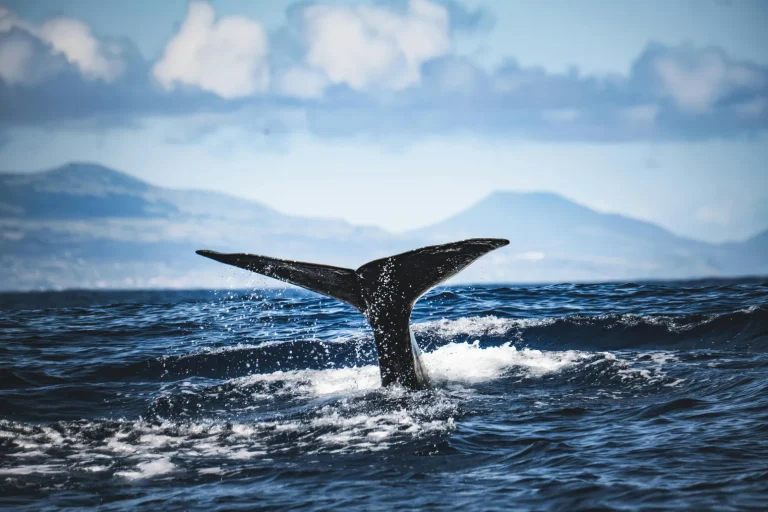
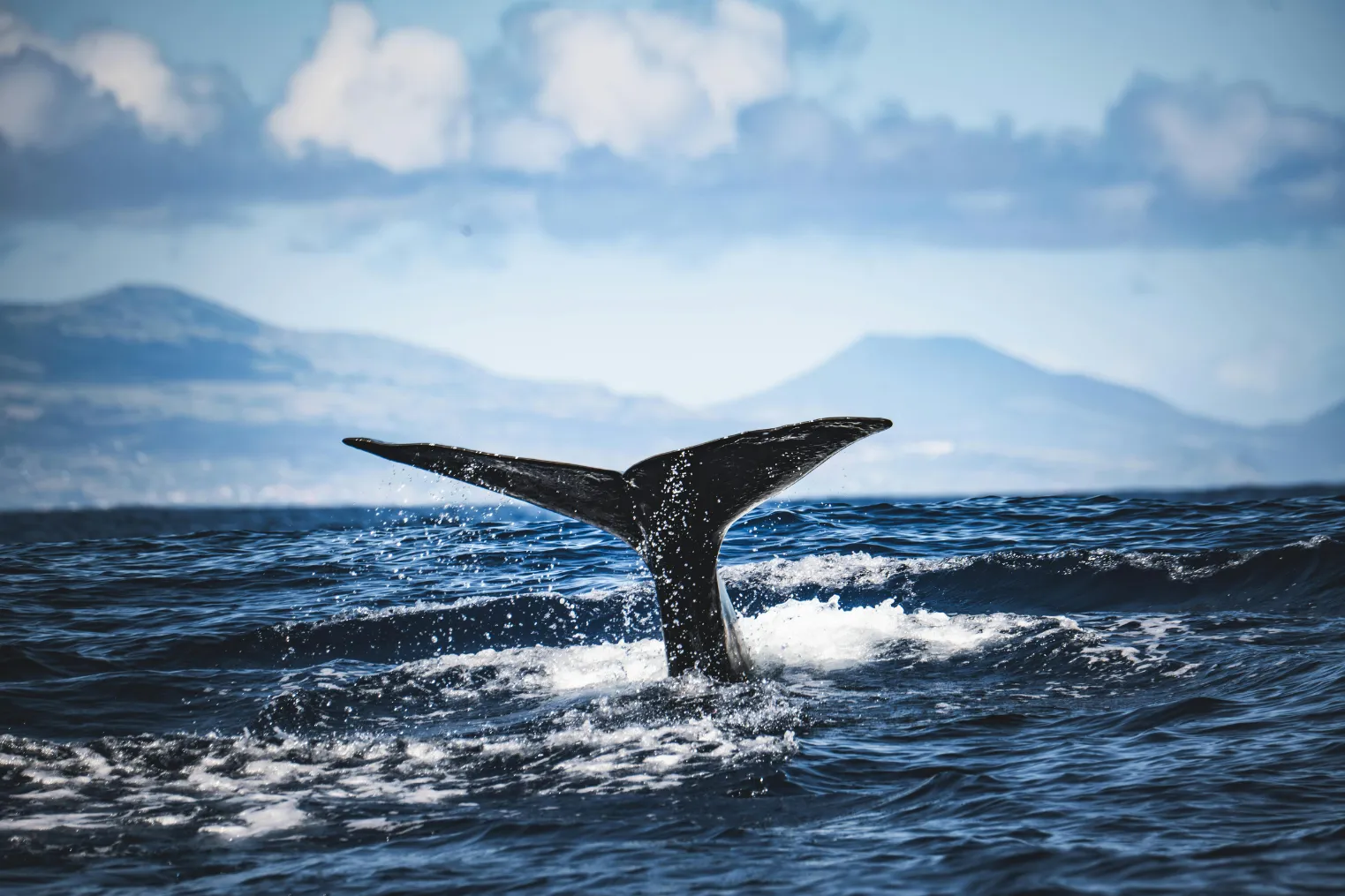
If you’re eyeing a sunset whale watch on Oahu, you’re not chasing a bad idea at all. You get warm trade winds, softer seas, and that golden light turning the water pink and copper while humpbacks breach off the bow. It feels calm and a little cinematic, with salt on your skin and camera shutters clicking nearby. But sunset trips do trade some visibility for mood, and that’s where the real question starts.
Key Takeaways
- Yes, sunset whale watching in Oahu is a good idea for atmosphere, calmer evening water, and dramatic golden-hour views of breaches and spyhops.
- The best season is December through May, with January to March offering the highest sighting odds and February often considered peak.
- Sunset tours feel scenic and romantic, but lower light makes whales harder to spot and photographs blurrier than on morning trips.
- Boat tours offer closer, more immersive encounters, while shore viewpoints like Makapu’u or Diamond Head are cheaper, easier, and great for panoramas.
- Bring binoculars, layers, non-slip shoes, and motion-sickness remedies, and choose eco-minded operators that follow NOAA distance rules and avoid flash or drones.
Is Sunset Whale Watching in Oahu Worth It?
Why do so many travelers swear by a sunset whale watching cruise in Oahu? You get the glow of evening over calmer water and the chance to spot majestic humpback whales breaching or tail slapping near the boat. A Sunset cruise adds drama without feeling cheesy. Waikiki and North Shore tours often pair open ocean views with salty air, pink skies, and that sudden gasp when a blow appears. Sunset options are especially appealing if you’re staying in Waikiki, since tours near your hotel can make the whole experience feel easy and relaxing. You’ll trade some photo quality in low light, so bring a fast zoom lens and use burst mode. Prices usually run higher than daytime trips, especially on catamarans with extras, so check your budget. Still, if you want atmosphere and wildlife together, it can feel worth it. Just choose eco-minded operators and respect NOAA viewing distances.
When Is the Best Time for Oahu Whale Watching?
You’ll get your best shot at Oahu whale watching from December through May, but January to March is the sweet spot when humpbacks pack Hawaiian waters. If you want the clearest views, aim for late winter, when calmer seas often smooth out the ride and make spouts, tail slaps, and dark backs easier to spot. February is often considered the peak month for Oahu whale watching, especially if you’re hoping to catch more breaches during the heart of the season. You can watch from shore all season, but if you’re hoping for a closer look, this peak window gives you the best odds and the least guesswork.
Peak Whale Season
Usually, the best time for Oahu whale watching runs from December through May, with the real sweet spot landing between January and March. During this peak season, you have your best chance to spot humpback whales as they gather off Oahu to breed and calve. You might see mothers cruising with newborn calves nearby, then catch a sudden breach or a sharp tail slap that cracks across the water. Midwinter into spring often brings calmer seas too, so you can scan the horizon more easily from shore or a boat. If you want the highest odds of a memorable outing, book your tour in these months. Nature doesn’t take reservations, but this window comes close for sunset cruises and daytime trips alike around the island. This whale watching season is widely considered the best stretch for planning an Oahu whale watching trip.
Best Viewing Months
Timing makes all the difference for Oahu whale watching, and the best window runs from December through May. If you want the strongest odds, book your sunset tour from January to March, when sightings usually peak. That’s also when you’ll have your best shot at seeing mothers and calves together, with little ones surfacing close by and adults rolling nearby. Humpback whales migrate from Alaska to Hawaiian waters to breed, give birth, and nurse calves, so winter and early spring feel especially alive. December can still reward you with exciting early arrivals, and April through May often delivers solid sightings too. Early evening departures can also line up with best time of day conditions for spotting whale activity off Oahu. Ask about peak-week availability early, madison, because prime sunset seats can disappear fast on popular Oahu tours each season for enthusiastic travelers everywhere.
Still comparing Hanauma Bay?
Ask for tour ideas, hotel suggestions, or a simple trip plan that combines both.
Trip Helper
Calm Ocean Conditions
Beyond peak season, sea conditions can shape the whole whale watching experience just as much as the calendar. On Oahu, you’ll usually find the best calm ocean conditions from December to May, especially January through March. That sweet spot brings peak humpback activity and often smoother seas.
- Sunset cruises often feel smoother because evening winds fade and daytime chop relaxes.
- Calm days can bring close views of humpbacks breeding, surfacing, and guiding calves nearshore.
- From Diamond Head or Makapu’u, higher viewpoints help you spot blows and breaches with less glare.
Check weather and sea-state forecasts before you book, then pick operators that chase low-wind, low-swell evenings. You’ll hear fewer slaps against the hull and spend more time watching tails rise cleanly offshore at sunset too. Many whale watching tours also note that calmer winter and spring evenings can improve overall viewing comfort and visibility.
Shore or Boat: Which Is Better at Sunset?
At sunset, you’ve got two strong options: claim a cliffside perch for wide, quiet views or board a boat for a closer look at the action. From shore, you save money and get those glowing panoramic skies, while on a catamaran you trade a bigger bill for near encounters, salty air, and easier photos if you’ve got the right lens settings. Either way, you’ll want to think about comfort, access, and whale-safe habits, because the light gets dramatic fast and the breeze can turn surprisingly chilly. A catamaran whale watching trip from Waikiki can make the whole experience feel more immersive, with the motion of the boat and open-water views adding to the sunset atmosphere.
Shoreline Views Vs Boats
If you’re choosing between shore and boat for whale watching at sunset on Oahu, the better pick depends on what kind of evening you want.
- Choose a shore-based sunset if you want calm, space, and a cheaper outing from Diamond Head or Makapu’u.
- Pick boat tours if you want closer encounters, action photos, and that thrilling slap of a tail near the bow.
- Book a small-group eco cruise for snacks, whale facts, and respectful NOAA-distance viewing.
From shore, you’ll enjoy wide panoramas and possible distant breaches in peak season. On a boat, you’ll trade money for intimacy and stronger odds of dramatic sightings. Photographers usually prefer shore for silhouettes and boats for burst-mode behavior shots. Bring layers. The breeze doesn’t care about your sunset plans. For shore-based evenings, Diamond Head and Makapu’u are among Oahu’s best places to watch for whales from land.
Sunset Visibility Tradeoffs
Once you’ve picked shore or boat, sunset adds a new set of tradeoffs. From Diamond Head or Makapu’u, you get panoramic water and dramatic whale silhouettes as the sun drops. You may lose some body color and detail, though, and haze or glare near the horizon can hide distant blows. On a boat at sunset, you usually sit closer to the action, so breaches and tail slaps feel bigger and easier to spot. For the clearest onboard view, choose best seats along the outside rail or upper deck when available, since unobstructed sightlines make it easier to scan for blows and surface activity. Late afternoon seas during December through May are often calm, which helps either view. Photography gets trickier on the water because low light blurs fast movement unless you’ve got a zoom or high ISO setup. If closeness matters most, look for eco-minded watching tours in Oahu that time departures for hour.
Comfort, Cost, And Access
While sunset can make either option feel magical, comfort, cost, and access often decide what fits your trip best. From shore, you save money, skip reservations, and settle into easy viewpoints like Diamond Head or Makapu’u.
- Shore gives you panoramic views, simple parking, and strong comfort for longer waits.
- boat-based sunset tours bring closer humpback action, but prices rise fast on catamarans and small-group trips.
- Boats vary wildly in comfort. Some offer shade and snacks. Others feel splashy, windy, and a little like nature’s treadmill.
If you want easy access, shore wins, especially with mobility limits. If you book a boat, follow NOAA rules and expect weather cancellations. For photos, use binoculars on land, or bring a zoom lens and burst mode offshore at sunset for best shots. First-time travelers often prefer shore viewing because simple step-by-step planning makes the experience less stressful at sunset.
Why Sunset Whale Watching in Oahu Is Special
Chasing whales at sunset in Oahu feels different from a daytime trip because the whole scene turns cinematic. You watch humpbacks migrate past Oahu from January through March while gold light washes the water and outlines breaches, tail slaps, and spyhops. Winter seas are often calmer, so you can pick out movement more easily at dusk, whether you’re on shore or aboard Whale watching tours. The best time for whale watching in Hawaii generally falls during the winter season, which makes sunset outings in Oahu especially rewarding. Many Waikiki-based Sunset cruises pair the show with snacks, water, and crews who explain songs male humpbacks send for miles underwater. You also get excellent photo conditions. Bring a zoom lens, use burst mode, and pack a light jacket for cool breezes. Choose operators that respect NOAA viewing distances so your close-up feeling stays responsible and wild for everyone.
What Are the Downsides of Sunset Tours?
Even if the sky looks magical, sunset tours do come with tradeoffs. You may love the glow, but reduced visibility can make breaching, spyhopping, and other surface action harder to spot.
- Photos get trickier. Low light pushes your camera to higher ISO or slower shutter speeds, so zoom shots often look blurry or grainy.
- You may feel the weather more. After sundown, wind picks up and cooler temperatures can make the ride feel brisk unless you pack layers.
- Safety and value can shift. Crews still follow the 100-yard rule and no-flash etiquette, yet dim light makes sightlines tougher, and some pricier cruises lean toward cocktails and scenery over thrilling close encounters.
By contrast, morning tours on Oahu often offer brighter light and steadier viewing conditions than later departures.
Sunset still charms you, but it doesn’t always deliver the sharpest whale watching experience.
Best Oahu Spots for Sunset Whale Watching
If you want the sunset and the whales to share the stage, Oahu gives you a few standout places to watch that happen. Start at Makapu’u Lighthouse Trail, where the higher view opens a wide sweep and humpbacks can appear as dark arcs against orange water. If you want something easier to reach, try Diamond Head Lookout near Waikiki. In winter, especially from January through March, calmer seas can make blows and tail slaps easier to catch from shore. For a quieter scene, head to Hanauma Bay Ridge. You’ll skip the boat noise and often get more room to scan the horizon. Some of the best shore viewpoints on Oahu work well at sunset because their elevated angles give you a broader scan of offshore whale activity. Bring binoculars, a zoom lens, and a light jacket. Sunset breezes arrive fast, and your goosebumps won’t care how the sky looks.
Best Oahu Sunset Whale Watching Tours
While shore lookouts give you a great horizon, a sunset whale-watching tour lets you trade the cliffside for rolling water, sea spray, and a much closer shot at Oahu’s winter humpbacks.
Waikiki sunset whale-watching cruises pair golden-hour views with onboard water and snacks. Living Ocean Tours is a popular pick, while luxury catamarans add roomier seating if your budget allows. If you want a quieter feel, small-group sunset tours from Oahu and the North Shore can feel more personal and more eco-minded. Most Honolulu whale watching tours include onboard basics like water and light snacks, which makes sunset sailings especially easy to plan.
- Book early for December through May, especially January to March.
- Bring layers, a light jacket, and a zoom lens. Use burst mode.
- Skip flash, follow NOAA distance rules, and expect salty hair.
Sunset sailings fill fast, so contact operators when dates firm.
What Whales Can You See in Oahu?
In Oahu, you’ll usually spot humpback whales from December through May, with the best odds in winter when they arrive from Alaska to breed and raise calves in Hawaii’s warm water. You can watch for big, thrilling moves like breaching, tail slaps, pectoral slaps, and spyhopping, and if you’re lucky, you may be near a mother guiding her calf through the basics. Other whale species are rare here, so most trips keep your eyes and ears tuned for humpbacks, including the eerie songs males send through the water for miles. December marks the start of whale watching season on Oahu, so sightings can happen then even if peak numbers build later in winter.
Humpback Whales in Oahu
Out on Oahu’s winter waters, humpback whales steal the show from December through May, with the best odds from January to March. You’ll spot these Alaska migrants when they arrive to breed, give birth, and nurse calves in warmer seas.
- A humpback can stretch 40 to 50 feet and weigh about 40 tons.
- You may see calm mother calf pairs gliding near shore or boats.
- Responsible Whale watching means staying 100 yards away and skipping drones.
During peak months, calmer water often gives you clearer views from lookouts and tours. While you’re out there, watch for whale behaviors like breaching, tail slapping, and spouting that can make the experience even more exciting. If you book a respectful operator, you can sometimes enjoy closer encounters without crowding the animals. That balance keeps your trip memorable and keeps Oahu’s winter giants safe for future visitors too.
Common Whale Behaviors
Seeing humpbacks is only half the fun. In Oahu, you may spot humpback whales breaching clear of the water, tail-slapping, pectoral-slapping, or spyhopping near lookout points and slower boats. During winter, from December to May, males also sing long, layered songs that drift for miles underwater. Hawaii’s humpback whale season generally runs from winter into spring, which is why sunset tours during these months can be especially rewarding. If you join a small-group eco-friendly tour, you often get better angles on the action. Mothers with calves usually keep things gentler. You’ll see close swimming, soft surfacing, and careful nudges as calves nurse and learn. Even then, your captain should keep a respectful distance. That’s how you watch natural behavior without interrupting dinner, nap time, or whale family business. From shore or boat, every splash feels like a quick postcard from the Pacific at sunset, if lucky.
What Whale Behaviors Will You See at Sunset?
As the light softens over Oahu’s coast, humpbacks often turn the water into a stage with breaches, tail slaps, and pectoral fin smacks silhouetted against pink and gold skies. Tail slaps and pectoral slaps are surface behaviors often used for communication, display, or to interact with nearby whales. You’ll usually watch from a respectful distance, about 100 yards, so the show feels cinematic rather than close enough to splash your camera.
- Breaches and tail slaps stand out in calmer late afternoon seas.
- Spyhopping gives you a quick, curious look at a whale’s head above water.
- On quiet eco tours, you might even hear low humpback songs humming through the dusk.
Between December and March, smoother evening water makes surface action easier to spot. Bring a light layer, keep your eyes scanning, and let sunset do the special effects for one unforgettable offshore hour.
Can You See Mothers and Calves at Sunset?
If you time your trip for peak whale season, you’ve got a real chance of spotting a humpback mother and calf on a sunset cruise off Oahu. During December through May, especially January to March, mothers and newborn calves often rest in shallow, calmer coastal waters. That puts you in a good position to spot gentle surfacing and nursing behavior as daylight fades.
One of the clearest signs to spot is a calf surfacing in close rhythm with its mother while both remain in protected nearshore water. You probably won’t see many wild breaches from calves, but you may catch repeated breaths beside mom, glossy backs rolling through pink water. Choose a small-group or eco-friendly cruise in calm conditions for your best odds. Good crews follow NOAA distance rules, so sightings feel respectful, nearby, and still quietly thrilling at sunset for patient watchers offshore tonight with luck and timing.
What Should You Bring on an Oahu Whale Watch?
Because sunset breezes can turn cool fast on the water, you’ll want to dress in light layers and pack a light jacket before your Oahu whale watch leaves the harbor.
- Reef-safe sunscreen, a hat, and non-slip shoes
- Binoculars, a camera with a zoom lens, and a charged phone
- Water, light snacks, motion-sickness remedies, and a small dry bag
You’ll also want spare battery power if your phone fades early. Evening trips can bring wind, spray, and rolling seas, so keeping valuables dry matters. If your tour offers refreshments, great, but it’s smart to bring your own basics. Binoculars help you track distant spouts before the captain points them out. Leave flash and drones off the packing list. Whales don’t need that fuss at sunset. These must-have items make sunset whale watching in Oahu more comfortable, safer, and easier to enjoy from start to finish.
How Do You Take Great Sunset Whale Photos?
Often, the best sunset whale photos come from a simple setup and a little patience. Use burst mode and a 200 to 400mm zoom if you can. Set shutter speed at 1/1000s or faster. Keep ISO around 200 to 800 as the golden sunset fades. Meter for the whale, or underexpose slightly to hold color. For sharper action shots, perfect camera settings help you balance fast motion, fading light, and ocean glare at sunset.
| Do this | Why it works |
|---|---|
| Pre-focus where whales surface | You’ll catch breaches and tail slaps faster |
| Stay 100 yards back, skip flash and drones | You protect thousands of humpback whales and keep shots clean |
Bring binoculars, wipe spray off your lens, and trust autofocus. A light jacket helps when the breeze turns cool. Then wait, watch, and click when the ocean suddenly explodes into light, mist, and pure surprise.
When to Book an Oahu Sunset Whale Tour
While Oahu’s sunset whale tours run through the winter season, you’ll get your best shot from December to May, with January to March bringing the highest odds of seeing humpbacks roll, spout, and breach in the fading light. That’s the best time for steadier seas and golden views.
- Book 1 to 2 weeks ahead during peak season and holidays.
- Reserve even earlier for luxury catamarans or small-group eco tours.
- Check boarding time, snacks, and refund rules before you pay.
Mid-season sailings often feel smoother, and the sunset colors look richer on calm water. For a close-up, eco-minded trip, try Living Ocean Tours in Waikiki or Hawaii Tours on the North Shore, and confirm NOAA-safe practices. If you’re unsure, email [email protected] or call +1 (808) 436-3483.
Frequently Asked Questions
Are Sunset Whale Watching Tours Suitable for Young Children?
Yes, you can take children on sunset whale-watching tours if you choose family-friendly operators with shorter trips, snacks, and a quiet cabin. Bring layers, child friendly binoculars, sunscreen, and seasickness remedies, because you’ll need patience.
What Happens if Bad Weather Cancels a Sunset Whale Tour?
Like Odysseus facing rough seas, you’ll usually get a full refund or can rebook if bad weather cancels your sunset whale tour. Check the operator’s rescheduling policy, refund options, and ask about shore-viewing alternatives nearby.
How Likely Are Seasickness Issues on Oahu Sunset Whale Watches?
You’re somewhat likely to face motion sickness on Oahu sunset whale watches, but calmer winter seas and better boat stability often reduce problems. If you’re sensitive, choose catamarans, stay on deck, and take preventive medication.
Are Oahu Sunset Whale Watching Tours Wheelchair Accessible?
Yes, about 1 in 4 Waikiki operators can accommodate mobility devices, so you’ll find some accessible sunset whale watches. You should confirm wheelchair ramps, accessible restrooms, boarding assistance, and stable catamaran decks before booking your tour.
What Viewing Distance Rules Protect Whales During Oahu Tours?
You should stay at least 100 yards from humpback whales during Oahu tours. For marine protection and observation ethics, don’t chase, surround, or separate mothers and calves, and your captain should approach slowly without acceleration.
Conclusion
If you choose sunset whale watching on Oahu, you trade a little sharpness for a lot of magic. The light turns honey soft. The sea usually settles down. You may hear a blow in the hush and catch a tail in pink water. Bring layers, binoculars, and a camera that likes low light. Book in peak season with a NOAA-friendly crew. Then let the day slip politely away while the whales make their evening appearance.