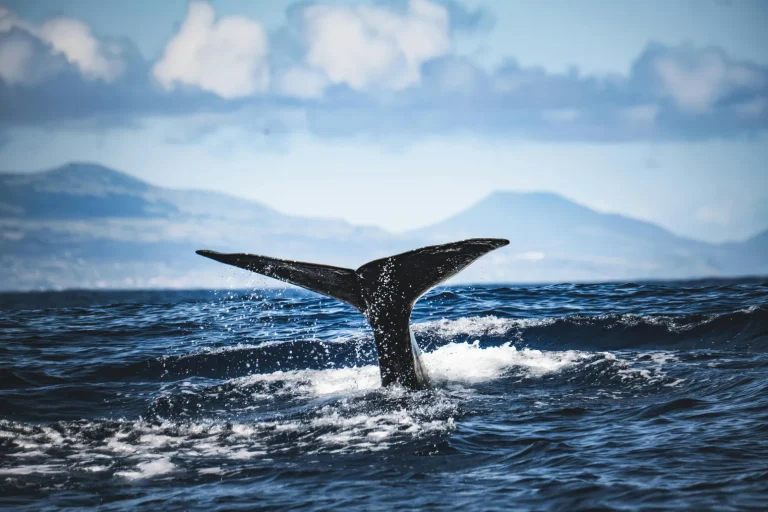
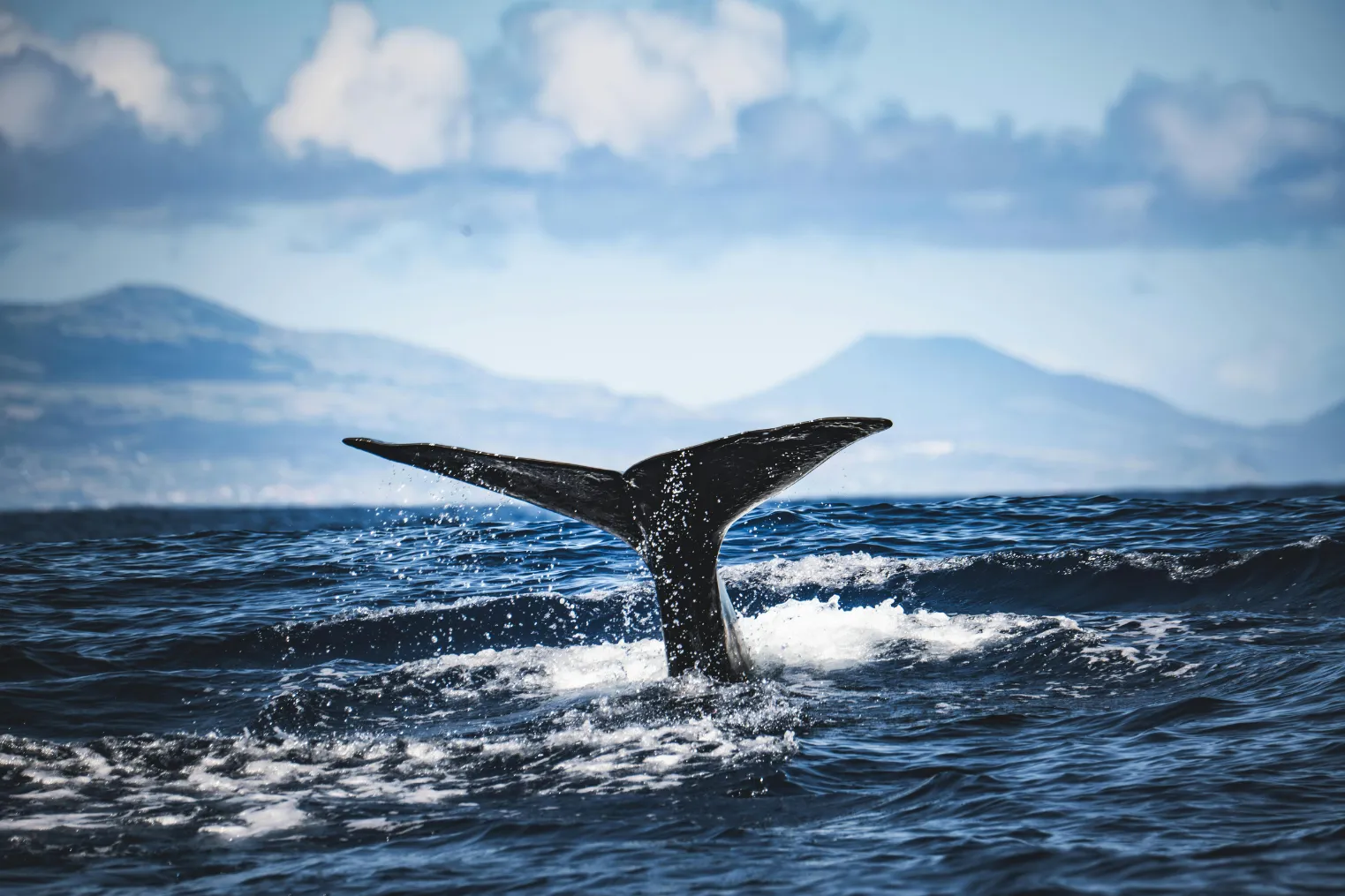
Just as Oahu’s winter whale season starts to thin, you can still step onto a March boat and catch a humpback launch out of calm blue water. You’ll likely have your best odds on a morning trip from Waianae or Ko Olina, when the sea feels smoother and the light makes every spout easier to spot. Some days seem quiet, then a tail slap cracks across the channel, and that’s when March gets interesting.
Key Takeaways
- March is still peak humpback season around Oahu, though late March can bring slightly fewer sightings and make each spout more memorable.
- Expect chances to see breaching, tail slapping, and white pectoral fins, with spinner dolphins, turtles, and occasional other whales also possible.
- South and west shore departures, especially Waianae, Ko Olina, or Honolulu, usually offer the best odds and calmer seas than Waikiki.
- Morning tours of 1.5 to 3 hours are typically the best late-season choice because seas are calmer, visibility is steadier, and boats are often less crowded.
- Book two to four weeks ahead and compare operators for vessel type, naturalists, sighting guarantees, and flexible rebooking if rough conditions develop.
Is Oahu Whale Watching in March Worth It?
Yes, Oahu whale watching in March is usually worth it, especially if you want a strong shot at seeing humpbacks without the full winter rush. March still sits in peak season, so you can realistically spot humpback whales breaching, tail slapping, or lifting big white fins above the water. You won’t usually get Maui-level numbers, since the Auau Channel draws heavier traffic, but Oahu whale watching can still feel lively and rewarding. Your odds improve when you book tours departing from Waianae, Ko Olina, or Honolulu instead of staying near Waikiki. Morning water often looks smoother, and the boat ride feels easier on your stomach and camera hand. If you’re curious, not just checking a box, March gives you a solid reason to go. Most whale watching tours also set expectations around sea conditions, sighting chances, and how much time you’ll actually spend searching offshore.
What to Expect on an Oahu March Tour
Because March still falls in humpback season, you can step onto an Oahu whale-watching tour with real hope of seeing action instead of just open water. During March humpback season, Oahu whale-watching tours usually run 2 to 3 hours, and morning departures often bring calmer seas and fewer people. This also lines up with the best time to book, since March tours can fill quickly during peak humpback season on Oahu.
March puts Oahu whale-watching in the sweet spot: active humpbacks, calmer morning seas, and a solid shot at real drama.
- You may spot breaching and slapping close enough to hear the splash.
- Larger catamarans give you shade, bathrooms, and more room.
- Faster rafts trade comfort for speed and tighter views.
- Bring binoculars and sun protection, plus a zoom camera and seasickness help.
- Listen to the crew, respect legal distances, and watch for surprise cetaceans.
Sperm whales live here year-round, so your outing can hold a few wild-card moments. Salt air keeps you nicely alert.
Where Are the Best Oahu Whale Spots?
For the best odds in March, look to Oahu’s south and west shores, where most whale-watching tours depart and the sea often feels friendlier. From Honolulu, you’ll find easy access to waters off Waikiki, with Kewalo Basin near the action and regular outings that fit a beach day. If you want calmer rides and stronger odds, aim farther west toward Ko Olina and Waianae, where the Leeward coast often serves up smoother blue water and more humpback encounters. Your experience can also vary by boat style, from larger catamarans to smaller rafts, depending on the kind of whale-watching tour you choose. For something quieter, the North Shore offers a different mood. Trips there run less often, but you may scan broad horizons, feel the trade winds, and follow shared migration routes. In late March, sightings can thin, so every spout feels earned and thrilling. Sometimes a dolphin cameo or distant splash keeps you guessing.
Which Harbors Are Best for Oahu Tours?
On Oahu, the harbor you choose can decide whether you’re scanning for spouts in half an hour or listening to the engines a lot longer.
Pick west-side harbors when you want shorter runs to feeding and migration lanes, especially from Waiʻanae/Barbers Point. If you’re based in Ko Olina or Kailua/Koʻolaupoko, launching nearby saves time and gets you into whale country faster.
- Kaʻena/Ko Olina puts you closer to deep water.
- west-side harbors usually mean shorter rides.
- Kewalo Basin works well if you’re staying in Waikiki.
- Ala Wai Harbor is handy too, but transit can stretch.
- Haleʻiwa adds surf-coast views, and morning departures are common islandwide.
Kewalo Basin is a practical pick for Waikiki visitors who want whale watching access without a long transfer before departure. North-shore trips from Haleʻiwa appear less often, yet on calm days you’ll trade convenience for dramatic scenery and a saltier soundtrack.
Still comparing Oahu Whale Watching In March: Late Season Expectations?
Ask for tour ideas, hotel suggestions, or a simple trip plan that combines both.
Trip Helper
Is Morning or Afternoon Better in March?
While March can deliver whale sightings at almost any hour, mornings usually give you the cleaner shot. You’ll often get calmer seas, softer light, and steadier decks for tracking humpback sightings close to shore. Many morning departures leave between 6:30 and 9:00 am, when whales can seem busier and the ocean feels almost polished.
Afternoons can still work, but winds and chop often build along the south and west shores, which can blur spouts and rattle your camera hand. If you want fewer people and smoother water, book a west-side departure near Waianae or Kapolei. Still, don’t treat AM as magic. Check the daily forecast and operator updates, because sea state and weather can beat the clock on some surprisingly breezy March afternoons too. On Oahu, morning whale tours are often favored over afternoon departures because calmer water and clearer visibility can make sightings easier to enjoy.
Which Oahu Whale Tour Type Is Best?
Narrow it down this way: in March, the best all-around Oahu whale tour is usually a morning catamaran or larger boat trip that runs about 1.5 to 3 hours.
You’re still in peak season, so stable platforms help you spot spouts, tail slaps, and sudden breaches without sacrificing comfort or amenities.
A catamaran whale watching trip out of Waikiki can balance smooth sailing, open views, and a more relaxed onboard feel.
- Choose larger catamarans for steadier decks and easier views when humpback whales migrate past Oahu.
- Pick a small-group ocean raft if you want close-to-the-water excitement, fewer people, and don’t mind spray.
- Book a family-friendly whale-watching tour boat for shade, seats, bathrooms, and calmer rides.
- Add snorkeling or sunset only if you want extras, naturalist commentary, and more onboard comforts.
- Check each operator’s sighting policy, guide quality, hydrophone options, and conservation rules first.
How Long Are Oahu Whale Tours?
You’ll usually spend about 1.5 to 3 hours on an Oahu whale tour, with many trips landing in the sweet spot of 2 to 2.5 hours as you scan the water for spouts and tail slaps. If you book a combo outing with snorkeling or a sunset cruise, your time on the water can stretch to 4 to 6 hours, so it’s smart to check the itinerary before you commit. Tour length also shapes the feel of the trip, from a quick windy raft ride to a steadier catamaran cruise with shade, restrooms, and room to settle in. In Honolulu, whale watching tours often follow this same range, though exact timing can vary by boat type and seasonal conditions.
Typical Tour Lengths
If you’re planning your day around a whale watch, most Oahu tours keep it simple at about 1.5 to 3 hours, with the classic trip landing in the 2 to 2.5 hour range. That leaves time for shave ice, sandy shoes, and maybe one more beach stop before your afternoon plans.
- For Humpback Whale Watching, you’ll usually choose from typical tour lengths that fit breakfast to lunch.
- Morning departures, often 6:30 to 9:00 AM, bring calmer water and the same easy timing.
- Smaller rafts move fast, so you’re often back in 1.5 to 2 hours.
- Bigger catamarans in Hawaii Whale Watching usually stretch closer to 2 to 3 hours.
- In March (late humpback season), schedules can shift a bit, so confirm before you board.
- If you’re weighing small group tours, they often feel more personal on Oahu while still fitting into the same general whale watch time window.
Combined Cruise Durations
While standard whale watches on Oahu usually wrap up in 1.5 to 3 hours, combo cruises turn the outing into more of a half-day plan. If you book a combined cruise, expect 4 to 6 hours on the water, depending on snorkeling stops, sunset timing, and departure times. Morning trips can leave around 6:30 to 8:00 AM, when the sea often feels smoother and the light looks soft and silver. Afternoon options usually head out between 1:00 and 4:00 PM. For plain whale watching, catamarans and larger boats often stay in the 2 to 3 hour range, while rafts move faster and finish sooner. In the late humpback season, check for sightings flexibility, delay policies, or free return trips if seas run rough that day. On many tours, the onboard crew explains whale watching tour basics so you know what to expect during the outing.
What Whales and Marine Life Can You See?
Often, March trips off Oahu deliver humpback whales as the main event, since the island still sits in peak season and sightings remain highly likely. You can watch humpback whales breaching, slapping tails, and lifting long fins above the swells. Naturalists and hydrophones help you spot and hear more. Most trips leave from the south or west coast, where clear views and easy scanning make every splash feel promising. Many visitors find whale watching in Oahu worthwhile because March still offers strong chances to see active humpbacks in their Hawaiian winter habitat.
- Spot spinner dolphins slicing through calm water
- Watch sea turtles surface like quiet little submarines
- Keep an eye out for rarer sperm whales
- Occasionally glimpse false killer, pilot, or melon-headed whales
- Notice tropical fish flashing bright color below
Blue whales are long shots here, so any uncommon sighting feels like a postcard from the Pacific.
What Should You Bring on the Tour?
You’ll have a better time on the water if you pack for bright sun, cool spray, and those far-off humpback blows that can appear in a blink. Bring compact binoculars, sunscreen, a wide-brim hat, and polarized sunglasses so you can watch for tail flukes without squinting through the glare. A light windbreaker, a charged phone or camera, water, and seasickness relief can make a breezy 2 to 3 hour tour feel a lot smoother. Dressing in light layers is also a smart choice for whale watching in Hawaii, since conditions can shift between warm sun and cooler ocean breezes.
Essential Packing Items
Packing smart makes an Oahu whale watch in March far more comfortable and a lot more fun. On late-season whale watching tours, a few practical extras help you enjoy every blow, breach, and tail slap without distraction. Bring:
- Binoculars in the 7x to 10x range for distant spouts
- Sun protection like SPF 30+, a hat, and UV sunglasses
- Motion-sickness remedies, plus water before boarding
- A charged camera or phone with zoom and backup power
- A light waterproof windbreaker for cool, breezy morning rides
You’ll spend two to three hours on open water, and March can still feel salty, bright, and surprisingly brisk. With the right gear, you can focus on the real show: humpbacks surfacing several hundred meters away, then suddenly erupting into view nearby. These must-have items help you stay comfortable, protected, and ready for changing ocean conditions throughout the tour.
Clothing And Sun Protection
Even in March, an Oahu whale watch can start with a cool breeze on deck and end under bright, reflected sun, so dress in light, breathable layers and bring a windproof jacket or sweater.
Pack a broad-brimmed hat with a chin strap, polarized sunglasses, and reef-safe sunscreen with broad-spectrum SPF 30+ before you board. Reapply every two hours, and don’t forget SPF lip balm. If you’ll ride on an open deck, UPF-rated clothing or a light rash guard adds welcome coverage. Keep your sunscreen and shades in a small waterproof bag so they’re easy to grab when the glare sharpens and the trade winds pick up. Bring a reusable water bottle too. You’ll feel better, and hydrated skin handles the sun a little more kindly. To make boarding easier and keep the experience relaxed, follow the operator’s check-in time guidance and arrive early enough to get settled before departure.
How Do You Book the Right Oahu Tour?
Start by locking in your March whale watch at least two to four weeks ahead, because peak humpback season keeps the best morning trips in high demand. Then compare operators with a sharp eye and a little curiosity.
Lock in your March whale watch two to four weeks early, because peak-season morning trips disappear fast.
- Book early for west or north departure harbors like Waianae, Haleiwa, or Ko Olina.
- Pick morning departures between 6:30 and 9:00 am for calmer seas and cleaner views.
- Match the vessel type to your style: catamarans bring shade and bathrooms, rafts feel zippy and close.
- Check the sighting policy, plus naturalist guides, rebooking terms, and motion-sickness rules before you pay.
- Favor eco-minded crews that use quieter practices and shorter runs to busy whale lanes.
Use the best tour criteria to compare value, comfort, and wildlife ethics before you commit.
What Rules Should You Follow Around Whales?
While it’s thrilling to spot a humpback off Oahu, the best encounters happen when you give the whales plenty of room and let them set the pace. You should maintain the legal minimum approach distance, use no-wake speeds, and keep noise down. Federal law prohibits approach within 100 yards of humpback whales by boat, kayak, drone, swimming, or other means.
| Rule | Why it matters |
|---|---|
| Stay 100 yards away, or 200 from moms with calves. | You avoid stress and surprise. |
| Never attempt to touch or swim with whales. | Respect beats a bad vacation story. |
Approach parallel, not head-on, and follow crew directions on deck. If you see trouble, report distressed or entangled whales to NOAA or Hawaii DLNR. Idle engines feel quieter, cameras click softer, and the scene becomes more memorable for everyone, especially the whales.
Frequently Asked Questions
Do March Whale Tours Operate if Ocean Conditions Become Rough?
Yes, you’ll usually still see March tours operate, but captains can cancel for rough cancellations under safety protocols. You should expect weather monitoring, possible delays, refund policies, and alternate activities if conditions worsen suddenly offshore.
Are Whale Watching Tours Suitable for Young Children or Seniors?
Yes, you’ll find tours suitable for young children or seniors if you choose larger boats with child friendly seating, stroller access, quiet cabins, age appropriate commentary, and senior discounts; you’ll stay comfortable and enjoy mornings.
Can Pregnant Travelers Safely Join Oahu Whale Watching Tours?
Yes, you can usually join Oahu whale-watching tours while pregnant if you’ve got medical clearance, choose stable boats with seat belts, manage motion sickness, consider limited mobility, and confirm operator rules plus insurance coverage first.
Are Restrooms Available on Most Oahu Whale Watching Boats?
Absolutely, it’s a lifesaver: most Oahu whale-watching boats offer onboard bathrooms or a marine head, so you’ll have restroom access. Smaller rafts may rely on portable toilets or none, so confirm facility availability before booking first.
What Happens if No Whales Are Seen During the Tour?
If you don’t see whales, you’ll usually still get wildlife education, alternative activities, and photo opportunities, while crews manage customer expectations. Check refund policies first; some operators offer free return trips when sightings don’t happen.
Conclusion
If you go whale watching on Oahu in March, you’re still in the game. Hawaii’s humpback season usually runs from about November to May, so you can catch late-season blows, tail slaps, and the sudden thunder of a breach. Book a morning trip from Waianae or Ko Olina for smoother water and sharper views. Bring sunscreen, a light layer, and binoculars. Then keep watch. One dark fin can turn a calm blue horizon into the best part of your day.